
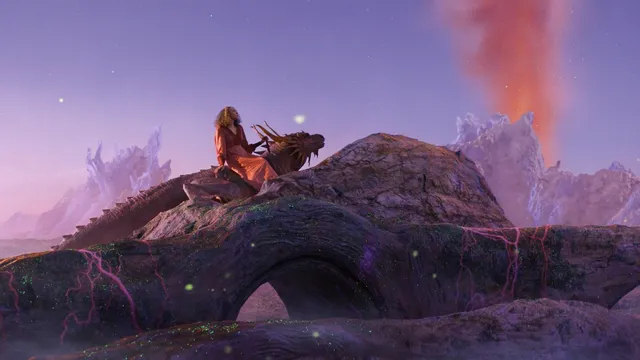
Create Your Own Movie Clips: Advanced AI Tools for Indie Creators
Aug 4, 2026
The Indie Filmmaker's AI Arsenal
Five years ago, creating a cinematic movie clip meant renting expensive equipment, hiring a crew, and spending weeks in post-production. In 2025, a solo indie creator with the right AI tools can produce stunning movie-quality clips from a laptop — in hours, not weeks.
This guide breaks down the complete AI tool stack for indie film production.
The Core Tool Stack
1. Script-to-Storyboard AI
Feed your script into an AI storyboard generator and get instant visual breakdowns. Each scene is analyzed for emotional tone, camera angles, and pacing. In 10 minutes, you have what used to take a week of manual storyboarding.
2. Visual Generation
Domer's AI video generator represents the current state of the art: text descriptions in, cinematic video clips out. The key is layering:
- Base generation for the scene structure
- Style refinement for consistent aesthetics
- Character consistency enforcement across shots
- Lighting and color grading in the generation phase
3. Character Consistency Engine
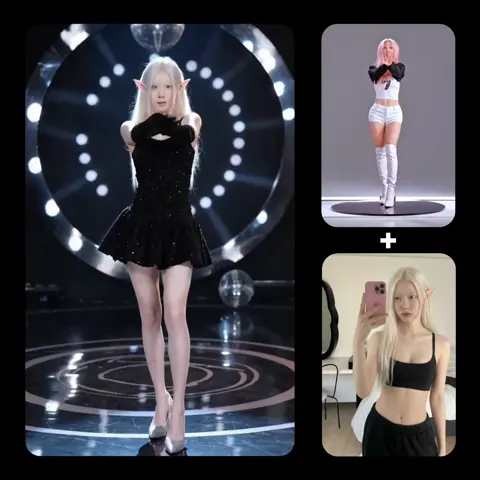
The difference between amateur and professional AI filmmaking: character consistency. Define your character once with reference images, and every shot maintains their exact appearance, regardless of angle, lighting, or scene context.
GPT Image 2 excels at maintaining visual fidelity across multiple generations.
4. Automated Directing
Modern AI tools include intelligent directing features that suggest optimal camera angles, shot transitions, and scene pacing based on your script's emotional arc. Think of it as a tireless first assistant director that never sleeps.
The Indie Workflow
Phase 1: Pre-Production (1-2 hours)
- Write or refine your script
- Generate storyboard and shot list with AI
- Define character references and style guide
- Plan shot sequence and transitions
Phase 2: Production (3-6 hours)
- Generate base clips with fast, economical models
- Review and select best takes
- Re-render selected shots with premium models
- Create alternate versions for A/B testing
Phase 3: Post-Production (1-2 hours)
- AI-driven color grading and consistency check
- Automated audio sync and sound design
- Final polish and export for target platforms
Total: 5-10 hours from idea to finished clip — versus 2-4 weeks traditionally.
Budget Optimization for Indies
Smart resource allocation is crucial:
- 70% of shots: Use mid-tier models (good quality, fast, affordable)
- 20% of shots: Use fast draft models for background/establishing shots
- 10% of shots: Use premium models for hero moments and close-ups
This strategy cuts costs by 60% while maintaining overall quality.
Genre-Specific Tips
Horror/Thriller
AI excels at atmospheric lighting and tension-building camera movements. Focus your prompts on "low-key lighting, Dutch angles, slow creeping zooms."
Romance/Drama
Prioritize facial expressions and eye contact. Use close-up framing and soft lighting descriptions.
Action/Sci-Fi
Leverage AI's ability to generate impossible camera moves — drone shots through explosions, zero-gravity sequences, impossible tracking shots.
Common Pitfalls
- Over-rendering: Not every shot needs premium quality. Be strategic.
- Ignoring audio: Bad sound ruins good visuals. Always sync audio as part of your workflow.
- One-shot mindset: Generate multiple takes of every scene. Editing is still about choosing the best performance.
- Forgetting the story: AI is a tool. Your story is the product. Don't let the technology drive the narrative.
The Future of Indie Film
Seedance 2.0 and the next generation of AI video models will make today's indie productions look like rough drafts. Real-time generation, interactive storytelling (viewer choices affect the narrative), and full-length AI-assisted features are on the horizon.
Conclusion
The barrier to entry for filmmaking has never been lower. Your only limit is your imagination — and your prompt engineering skills. Start with Domer's AI image generator for concept art and visual tests, then scale up to full video production. The indie film revolution is here.

Alexander
More Blogs
Read MoreVidu Q4 Alternatives: 4K AI Video Models Compared (2026)
Vidu Q4 alternatives compared: Kling 4.0, Seedance 2.5, Wan 3.0, and Runway Gen-4 — 4K support, input modes, durations, audio, and what each costs in credits on Domer.
Top 4K AI Image Generators in 2026: 5 Models Compared on Real Costs
The top 4K AI image generators on Domer compared: Flux 3 Klein, Nano Banana 2.1, GPT Image 2.5, GPT Image 2, and Nano Banana Pro — 4K credit costs, reference limits, and speed.
Nano Banana 2.1 vs GPT Image 2.5: Which Image Model Should You Use? (2026)
Nano Banana 2.1 vs GPT Image 2.5 Flare compared: credit costs per resolution, aspect ratios, reference images, text rendering, and which tasks fit each model.