

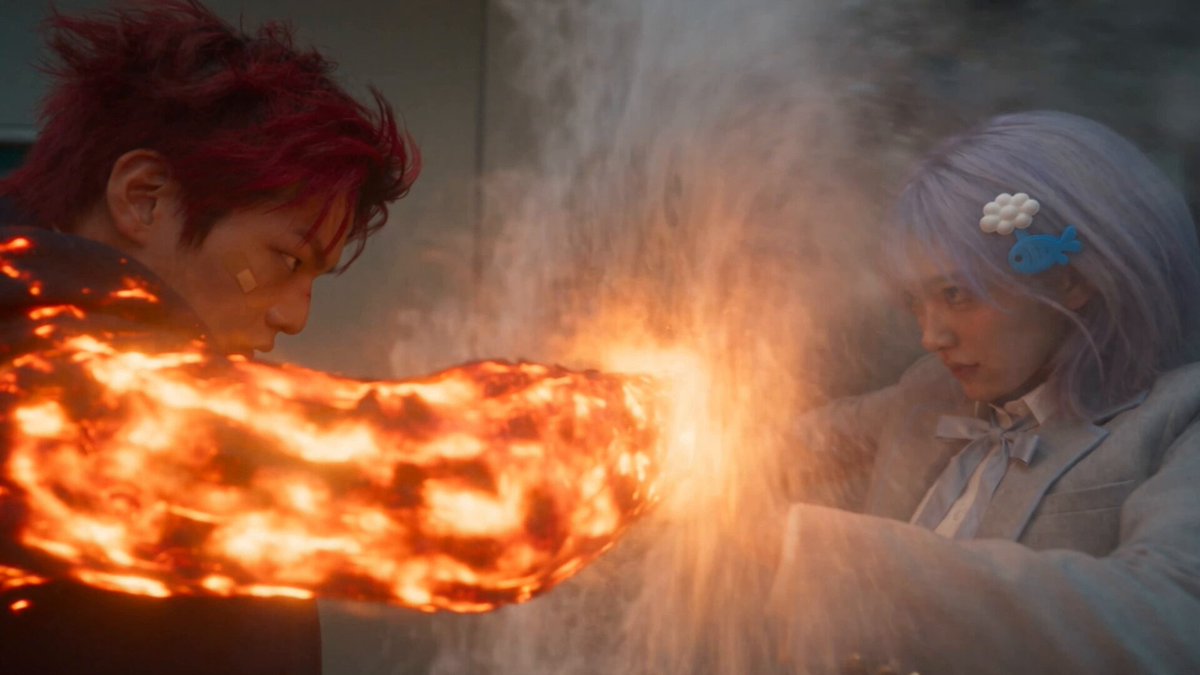
What Iconic Film Moments Teach Modern Creators About Cinematography
Every memorable frame in film history shares a quiet secret: craftsmanship. Before a filmmaker ever blocks a scene or presses record, they make deliberate choices about light, composition, and color that shape how an audience feels. Those choices define what we call cinematography, and they remain just as vital today as when they were first established on celluloid.
Modern creators, many of them working with generative tools, can learn an enormous amount from classic film technique. AI removes the mechanical obstacles of production, but it does not replace the need for a guiding eye. Understanding the language of light, camera, and color turns a generic clip into a story that moves people. This article distills those lessons into practical principles any creator can apply.
Why Cinematography Still Matters
It is tempting to assume that new technology makes old craft obsolete. Nothing could be further from the truth. As production becomes faster and more automated, the visual foundation becomes the only thing separating memorable work from noise. Audiences retain clips that feel intentional, and intentionality comes from the fundamentals.
The fundamentals also make collaboration possible. When a creator understands framing and lighting, they can direct a camera operator, guide a generative model, or brief an editor with clarity. Cinematography is a shared vocabulary that translates intent into images, regardless of the tools involved.
The Foundation: Light, Shadow, and Emotion
Light is the raw material of cinema. How you illuminate a scene determines its mood, its energy, and the message it sends before any dialogue is spoken.
Reading the psychology of lighting
Different lighting patterns produce instinctive emotional reactions. Bright, even light feels safe and optimistic, while hard, low light signals danger or mystery. Deep shadows can isolate a character or hide what the audience is not supposed to see yet. By choosing a lighting direction and intensity, you steer how viewers feel about a scene.
Classic thrillers often rely on high-contrast setups where a sliver of illumination falls across a face, leaving most of it in darkness. That tension, unresolved and ambiguous, pulls the viewer in. Even a short modern clip can borrow this effect to add weight to a quiet moment.
Using shadow for character
Shadow is not the absence of light but a tool for character. A figure moving from brightness into darkness can signal doubt. A silhouette in a doorway suggests threat or mystery. The balance between what is revealed and what is hidden builds depth. Creators who treat shadow as an active ingredient rather than an accident create frames that feel deliberate and rich.
The power of light changes
A sudden shift in light can mark a turning point in a story. A door opening to flood a dark room, a lamp snapping on, or a cloud passing over a landscape all communicate change without words. Rhythm in light, the cadence of brightness and darkness, becomes part of the storytelling itself.
The Language of the Camera
If light is the material, the camera is the voice. Framing and movement tell the audience where to look and how to feel about what they see.
Frame size and emotional distance
The size of your frame sets the emotional proximity of the audience to the character. A close-up invites intimacy and highlights emotion. A wide shot places the character in context, showing scale and isolation. Choosing the right frame for each beat is a directorial decision with immediate emotional payoff.
Perspective and point of view
Camera placement shapes whose story we are hearing. A low angle can make a subject feel powerful or menacing, while a high angle can make them seem small or vulnerable. Over-the-shoulder shots place the audience with a character, and point-of-view shots put us inside their experience. Each choice communicates a relationship to the subject.
Movement as guidance
Camera movement does more than add energy; it focuses attention. A slow push-in draws us closer to a character's thought. A pan reveals new information across a scene. A handheld shake conveys urgency and instability. Matching movement to the emotional content of the scene keeps the audience oriented and engaged.
Color and Visual Harmony
Color communicates instantly and often below conscious awareness. Understanding palettes is essential to crafting a cohesive look.
Warm and cool tones
Warm palettes, dominated by reds, oranges, and yellows, feel energetic, comforting, or aggressive depending on context. Cool palettes, with blues and greens, read as calm, distant, or clinical. Choosing a dominant temperature sets the emotional baseline of a project and can shift across a story arc to show change.
Saturation and emotion
Highly saturated colors feel lively and stylized, while desaturated, muted tones feel serious, nostalgic, or grim. Manipulating saturation over a sequence can signal a character's emotional journey, dropping color as hope fades and returning it as resolution arrives.
A cohesive palette
A consistent color direction ties a project together, even across very different locations. When every scene shares a family of hues, the piece feels like a single world. Creators should define a palette early and apply it deliberately, rather than letting each shot choose its own mood.
Translating Film Craft into a Modern Workflow
Old lessons need new translation. Here is how to apply cinematic principles when you are working with modern or generative tools.
Start with a visual intention
Before generating a single asset, define the look: lighting mood, dominant palette, camera language, and frame sizes for each beat. Write this down as a short creative brief. It becomes the anchor for every decision that follows and keeps the work on a unified track.
Direct the camera explicitly
When your tools let you specify camera movement and framing, use them with intent. Do not settle for a default shot. Choose the angle, the distance, and the move that serves each moment, and revise until the frame communicates the right emotion.
Control light through description and grading
Lighting can be guided through precise descriptions of direction, intensity, and shadow, and later refined through color grading. Treat the grade as part of the storytelling, not an afterthought. A small shift in temperature can transform a scene's mood entirely.
Build a reference library
Collect stills from films and photographers whose look you admire, and study why they work. Break down the lighting, composition, and color of each reference. Over time, this library trains your eye and gives you a clear language to describe the results you want.
Common Pitfalls When Applying Cinematography
Even good intentions can go wrong. Watch for these traps.
Overusing dramatic gimmicks
A signature trick, like a constant shaky camera or aggressive vignette, loses its effect through repetition. Reserve dramatic choices for moments that need emphasis, and let calm scenes breathe.
Ignoring continuity of light
If the light direction changes arbitrarily between scenes, the world can feel inconsistent. Keep a consistent light source and color logic across a sequence so the space feels real.
Letting the tool choose the frame
Depending on the default framing in every scene produces flat, repetitive results. Direct each shot to support the story instead of accepting whatever the tool offers.
Missing the emotional intent
Technique only matters when it serves a feeling. A beautiful frame that does not tell the audience how to feel is decoration, not cinema. Always ask what each choice communicates.
Building a Cinematic Eye Through Deliberate Study
Cinematography is partly knowledge and partly trained intuition. The good news is that intuition can be deliberately built. The fastest route is to study films and footage not as passive entertainment but as case studies, asking specific questions about every frame.
Pick a few scenes you admire and break them down systematically. Where is the key light coming from, and what does it reveal or hide? What is the camera doing, and why might the filmmaker have chosen that distance and angle? What dominates the palette, and how does it make you feel about the character? Answering these questions out loud, or in a notebook, forces you to see the craft underneath the surface.
Then transfer the lesson into your own work. If a scene teaches you the power of rim lighting, try it in a project. If you notice that slow push-ins build tension, experiment with the technique in your next edit. Each transfer is a small experiment that anchors the concept in practical experience. Over time, these experiments accumulate into a personal toolkit you can call on without thinking.
You can also study across media. Photography, theater lighting, animation, and even video games all apply the same principles and can broaden your understanding faster than film alone. The goal is to build a reliable internal editor that can look at a frame and tell you what is working, what is not, and what to change next.
Applying Cinematic Thinking to Different Formats
Cinematic principles are constant, but their application shifts with the format you are creating for. A vertical social clip, a widescreen narrative short, and a branded explainer all use the same language in different accents.
Short-form content favors speed and clarity. Composition must hold the viewer's attention in seconds, so strong framing and immediate emotional hooks matter more than subtle slow-burn lighting. Vertical framing changes how you think about space, pushing you to fill the frame with the subject and use depth to create interest around it.
A widescreen narrative short has room for the longer arc that classic cinematography is known for. Here you can use light changes, camera moves, and color shifts to signal progression across a story that unfolds over minutes rather than moments. Pacing becomes a more central concern, and the technique can be more restrained and deliberate.
Explainer and commercial work sit in between, balancing engagement with clarity of message. The cinematography should support the product or idea without overwhelming it, using light and color to guide attention to what matters. Whatever the format, the underlying skill is the same: choosing visual elements to shape what the audience feels and notices.
Sound, Rhythm, and the Invisible Layer of Cinema
Cinematography is often discussed in terms of what we see, but the invisible layer of sound and rhythm is what brings a frame to life. Modern creators, especially those working with generated visuals, sometimes overlook this, yet it is one of the clearest signs of professional work.
Sound shapes how an image is felt. A scene that looks cold and still can become tense with a low ambient hum, or warm and inviting with soft room tone. The timing of a cut against a beat, the pause before a reveal, and the swell of music at the right moment all direct emotion more powerfully than the visual on its own. When you are editing or directing generated footage, treat sound not as an afterthought but as part of the same deliberate design as light and color.
Rhythm ties everything together. The duration of each shot, the speed of transitions, and the placement of quiet moments build a pacing that guides attention and emotion. Long held shots create weight and reflection, while rapid cuts generate energy and urgency. By varying rhythm deliberately, you keep the audience engaged and give the story a natural breathing pattern.
The lesson is that cinematic quality is a collaboration between image and sound. A strong visual informed by light and color becomes truly memorable when it is paired with a considered sound design and a confident rhythm. For creators using fast, automated production, this is often where the difference between impressive and genuinely polished becomes visible.
Frequently Asked Questions
Do I need classic film knowledge to make good video?
It helps enormously. Understanding light, framing, and color gives you the language to direct tools and collaborators, and it lifts the emotional quality of your work well beyond technical competence.
Can AI tools reproduce cinematic lighting?
They can approximate it when you describe direction, intensity, and shadow precisely, and when you refine the result with grading. The tool is the execution; the cinematic intent still comes from you.
Is color grading essential for every project?
Not every piece needs heavy grading, but a consistent color direction is almost always beneficial. Even a light touch can unify a sequence and reinforce its mood.
What is the fastest way to improve my visual skills?
Study references deliberately. Break down what you admire into its components, lighting, framing, and color, and then try to reproduce that look. Practice with clear questions turns watching into learning.
Should I follow every rule of classic cinematography?
Rules are a foundation, not a cage. Understand them well enough to know when breaking them serves the story. The best filmmakers bend conventions with intention, not by accident.
Conclusion
The essence of cinematography is the ability to make an audience feel something through visual choices. Light, shadow, camera language, and color are the instruments of that craft, and they are as relevant in the age of automated production as they were in cinema's earliest days.
Modern creators who study the classics gain more than nostalgia; they gain a powerful edge. They learn to direct with intent, to see light as narrative, and to treat every frame as a deliberate choice. Combined with the speed of modern tools, that understanding turns efficient production into genuinely moving storytelling.
