

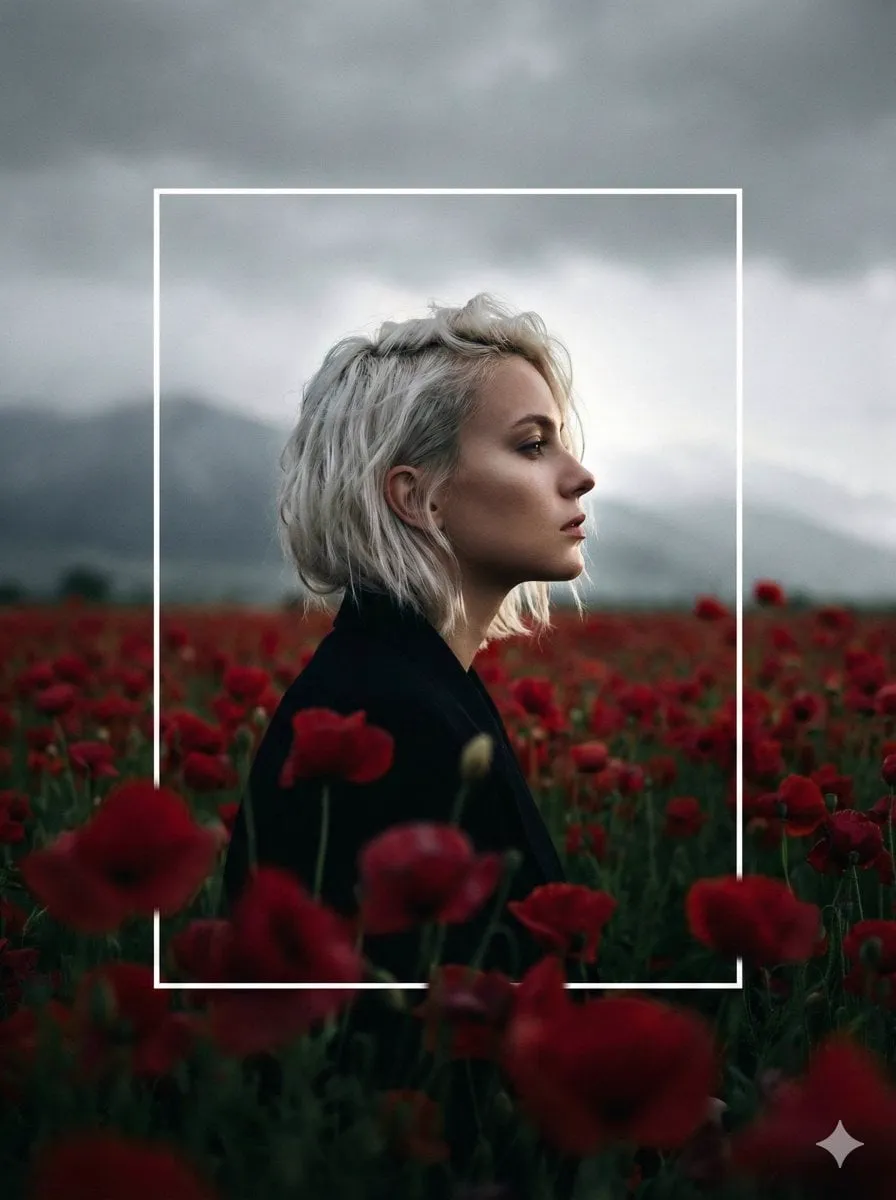
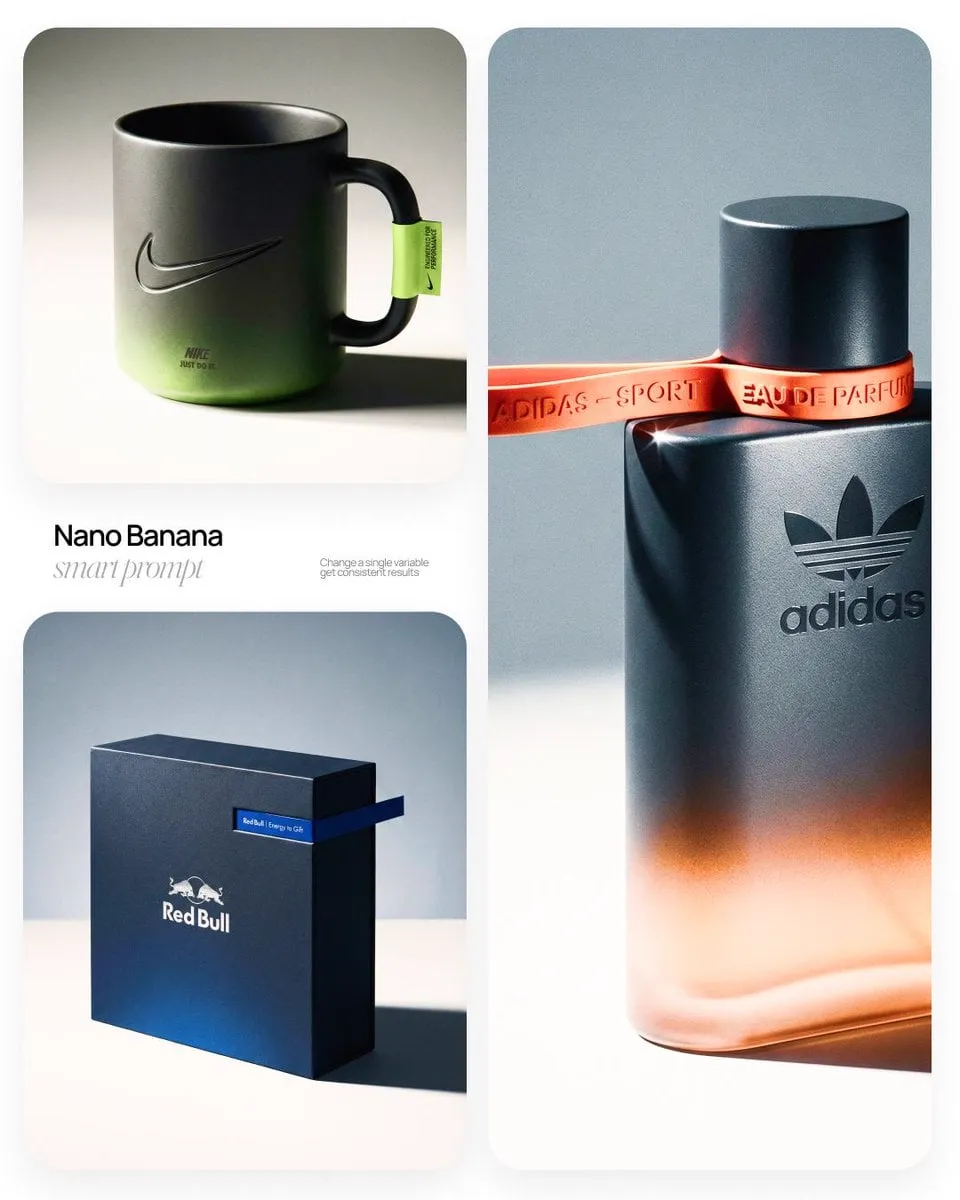
The last two years have been remarkable for anyone watching generative video climb out of the uncanny valley. What once produced wobbly impressionists of footage is now capable of short clips that genuinely look like they were shot with a real camera and a real crew. Two names anchor this leap in most people's minds: Flux and Sora. But they are far from the only players, and choosing among them is really a question of matching strengths to your production needs.
This guide compares the leading generative video models, explains what makes each approach distinct, and gives you a practical framework for picking the right tool for a job instead of simply reaching for the most popular brand.
A Quick Map of the Generation
It helps to understand why these models differ so much. At a high level, every generative video model takes a text prompt, sometimes alongside reference images, and produces frames that it predicts should come next. The differences come down to three things: how faithfully it follows the prompt, how consistently it keeps subjects recognizable across frames, and how much control it gives you over camera and direction.
Some models prioritize photorealistic cinematic output. Others prioritize speed and low cost. Still others prioritize stylized or illustrated looks. There is no single best model; there is only the best model for the specific thing you are trying to make.
What the Flux Family Is Known For
The Flux series built its reputation on image quality and control. In the video space, its descendants carry forward that strength in photorealistic rendering and detailed scene description. Flux tends to reward detailed, structured prompts. Give it a clear subject, a defined scene, and a specific mood, and it will do more with that instruction than a model that needs looser, more interpretive phrasing.
Flux outputs are often described as crisp and faithful to the prompt's literal description. That makes it a strong default when you know exactly what you want the frame to contain. It is particularly well suited to product imagery, concept visualization, and any task where precision matters more than improvisation.
What Sora Is Known For
Sora comes from the school of models built around long-form narrative understanding. Its headline capability is translating complex, multi-part textual prompts into coherent scenes that respect causality and spatial relationships. Where some models collapse when asked to describe a sequence of events, Sora is built to keep track of the thread.
That makes Sora compelling for storytelling tasks: scene-to-scene continuity, character consistency across shots, and prompts that describe a mini-film rather than a single moment. If your project is anchored by narrative, Sora's strengths align with what the project needs.
How They Differ in Practice
In practical terms, the comparison tends to come down to this pattern.
- Prompt fidelity and detail: Flux-oriented models generally reward precise, literal instructions and produce faithful, crisp frames.
- Narrative depth and coherence: Sora-oriented models handle longer, causal chains and keep a story thread intact even when the prompt is dense.
- Control versus interpretation: Flux leans toward giving you what you asked for; Sora is more comfortable inferring motion and mood from description.
This is not a pure either-or. The right choice depends on whether your bottleneck is visual precision or narrative coherence.
The Field Beyond Flux and Sora
Flux and Sora get the attention, but a healthy generative workflow usually involves a broader toolkit.
Runway and Kling for Practical Production
Runway has long been a favorite for teams that need a reliable, editor-friendly pipeline from idea to rough cut. Kling has earned praise for strong motion quality and a good balance of quality to cost, making it a popular workhorse for social content. Both are sensible defaults when you want dependable results without the overhead of the most demanding models.
Pika and Luma Ray for Creative Control
Pika emphasizes accessible, playful control, often with a lighter footprint and a lower barrier to entry for experimentation. Luma Ray has made a name for itself on smooth, cinematically composed motion and a refined aesthetic, popular for aspirational and lifestyle content.
Everyday and Open Models for High Volume
For the middle of the market, everyday models deliver solid results at low cost, which matters when you are generating large batches of frames. Open models, meanwhile, continue to improve rapidly and appeal to teams that want reproducibility and the ability to run things locally. They are often the smart choice for prototyping before spending premium tokens on the final render.
Choosing a Model by Job Type
Let a framework, not a favorite, guide your choice.
For Photorealistic Hero Content
Reach for a photorealistic model with strong consistency. This is where Flux-type output earns its keep, and it is worth spending more because the result will be front and center.
For Story-Driven Sequences
Use a narrative-coherent model with solid character continuity. Sora-type strengths are the fit here, especially when the piece is a sequence of connected shots rather than a single clip.
For Large Batches and Testing
Use a fast, economical model for iteration and reserve premium models for the final version. This two-tier approach keeps your average cost down without sacrificing the quality of what ships.
For Stylized and Illustrated Looks
Use a stylized model that lets you reimagine a scene in an artistic style. These often render faster and give you a distinctive look that stands out from the ubiquitous cinematic grain.
Building a Practical Generation Workflow
Regardless of which models you settle on, the workflow looks similar.
- Write a tight prompt that names the subject, setting, action, mood, and camera. Be specific about anything that cannot be inferred.
- Collect reference images when consistency matters, especially for recurring characters, products, or a brand style.
- Generate multiple takes with minor variations, because generative output is non-deterministic and some takes will be stronger than others.
- Review on your actual screen, looking for warping, face drift, and incoherent motion rather than just raw beauty.
- Iterate in the editor, trimming frames, adding transitions, and layering audio on top before you consider the piece finished.
Common Mistakes When Comparing Models
Three pitfalls show up over and over.
- Judging on one example. Model quality is not a single number. A model that shines on a stylized animation may flop on photorealistic product work. Test on your material.
- Ignoring the cost curve. The most impressive model is not the most efficient for your throughput. Always factor in render time and cost per clip.
- Forgetting the human pass. No model understands your audience or your brand's constraints. Every output needs review before it goes anywhere public.
Writing Better Prompts for Video Models
The model is only half the equation; the prompt is the other half. Because video prompts describe motion, time, and camera, they need a structure that a still-image prompt does not.
A reliable video prompt names the subject, the setting, the action, and the camera move, in that order. For example, "a chef in a busy kitchen at night, flipping a pan, camera pans slowly across the counter" tells the model exactly what to render and how to move. Add a mood word for the emotional read. Keep it specific but not bloated; every extra clause is another chance for the model to latch onto the wrong idea.
It is also crucial to describe what should not happen. If you want no text, no people in the background, or a fixed color grade, say so explicitly. Models will otherwise fill gaps with defaults you did not intend. A short negative list in the prompt removes a surprising number of artifacts before you ever see them.
Managing Model Choice Inside a Team
For a solo creator, picking a model is a personal habit. Inside a team it becomes a process, because multiple people produce content that must remain consistent. Teams that do this well create a short decision guide: a one-page matrix that maps common project types to their recommended model, prompt style, and quality tier.
They also standardize reference assets. If several editors generate content for the same brand, sharing the same reference images and style settings keeps their outputs aligned even when different people write the prompts. And they keep a shared log of what worked, so the team does not rediscover a good approach from scratch every time the workload spikes.
The goal is not to ban experimentation, but to make the default path obvious. Experimentation belongs in a sandbox; shipping belongs on the reliable route.
Turning Model Output Into Finished Work
Generative video is raw material, not a finished edit. The distinction is the difference between a clip that impresses in isolation and a piece that works in sequence. A strong completion workflow takes the best generated takes and shapes them into a narrative.
Start by selecting the strongest shots for your story, discarding those that do not move the piece forward. Then handle pacing in the editor: hold on important moments, cut fast through the mundane. Add captions if the audience watches without sound, because most do. Finally, layer in music and sound effects, which transform perceived quality more than any other single step.
An agentic direction layer can help here, automatically suggesting an order of shots and transitions. But human taste still decides what looks seamless versus what looks assembled. Keep the director in the loop.
How to Evaluate a Model Before Committing
You should not adopt a model based on a single impressive demo. Evaluate it against the work you actually do, using your own source material and your own prompts.
Create a small test set representing your most common requests: one photorealistic product shot, one narrative scene, one stylized piece, one fast iteration. Run each through the model and score the results on the dimensions that matter to you: prompt fidelity, consistency, motion quality, and turn-around time. Repeat across a couple of releases, because models improve and regress over time.
Budget a small bench of test prompts that you keep unchanged. Run it against any new model candidate before switching, and you will have comparable numbers instead of vibes. This discipline is what separates teams that choose models deliberately from teams that chase every launch.
Cost Discipline and Optimization
Model usage adds up quickly unless controlled. Two habits keep the bill in check.
First, tier your workloads. Reserve premium models for hero content that appears in front of an audience, and route experiments and first drafts to cheap, fast models. Second, review render settings: resolution, duration, and iterations are where cost lives. Matching them to the needs of the actual output, rather than defaulting to the maximum, cuts spend without hurting the delivered quality.
It is also worth tracking usage per project. When a stakeholder asks why a campaign cost what it did, a simple breakdown of model types and render volumes answers the question honestly.
Frequently Asked Questions
Is Sora obviously better than Flux for everything? No. They excel at different things. Choose based on whether your bottleneck is visual fidelity or narrative coherence.
Should I standardize on one model? It is usually better to keep two or three models tuned for different job types than to force everything through a single tool.
Do better models automatically mean better videos for the same prompt? Not necessarily. Prompt quality and reference preparation often move the result more than the model choice does.
What about cost? Photorealistic, high-fidelity and narrative-coherent models cost more per clip. Use cheap models for experiments and premium models for hero content, and you will control spend while protecting quality.
Generative video has moved from a curiosity to a practical production tool, and models like Flux and Sora are leading that shift in complementary directions. The real skill now is not learning one model; it is learning to match models, prompts, and references to the job, then adding the human judgment that turns good renders into finished work.
