
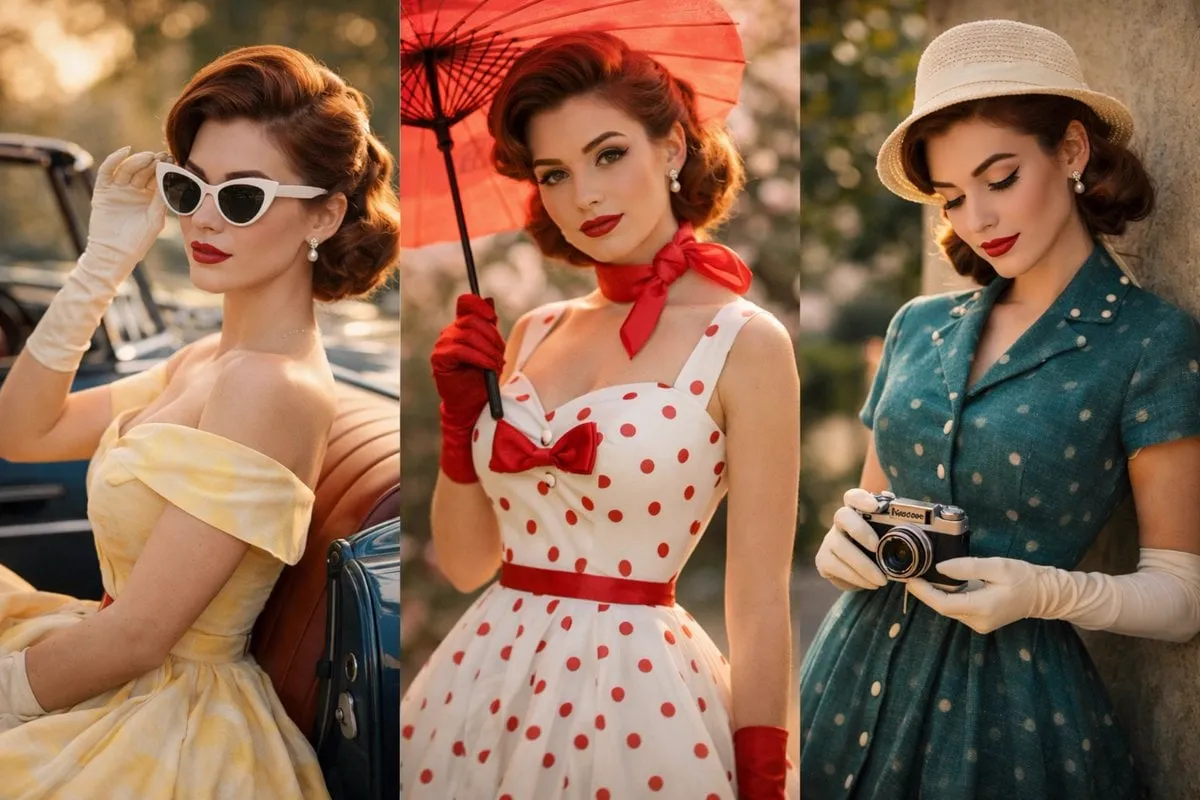
Generative AI video has moved from curiosity to craft. Platforms like Runway, OpenAI's Sora, and Kling delivered the leap that put cinematic generation in ordinary hands, and the market responded enthusiastically. Yet as the technology matures, the interesting work is no longer simply "which model makes the prettiest clip." It is about control, consistency, and how these tools fit into a serious production pipeline.
This article looks beyond the headline models to the forces shaping the next wave: model ensembles, smarter creative-direction tools, and the practical question of turning a strong clip into a reliable, repeatable workflow. If you are evaluating tools for real work, this is the landscape that will actually matter.
The leap that changed the field
Until recently, producing moving images meant either shooting with a camera or spending hours in complex 3D software. Generative models removed that barrier. Describe a scene and a tool returns footage. This single shift democratized production: an individual can now generate footage that once required a studio.
Runway pioneered the accessible generation interface, Sora showed what large-scale language understanding could do for realistic rendering, and Kling proved that strong performance could also come from Asia-focused platforms. Together they set a new quality bar. But they also exposed the recurring limitation of any single model: you get what the model is best at, not necessarily what your project needs.
From one model to a toolkit
The practical evolution is the shift from "pick the best model" to "assemble the right set of tools." Different models excel at different tasks. One might handle photorealistic motion, another anime-style animation, and a third stylized rendering. Professionals increasingly work with several of them, selecting per scene.
Choosing by strength per shot
A product demo may want photoreal rendering for hero shots and a lightweight stylized look for background transitions. Working with multiple models lets you match each shot's demands instead of compromising the whole piece for one model's taste.
The consistency question
The moment you mix models, a problem appears: characters and environments change between scenes. This is where reference-based methods shine. Multi-image fusion keeps a character face consistent across different models, and keyframing lets you lock composition and motion. These techniques turn a heterogeneous toolkit into a coherent production.
Cost and access in practice
Model choice is also an economic decision. Different models carry different costs and speeds. A good workflow weighs quality against budget, reserving premium models for the shots that matter and using faster options for the rest. Access and reliability matter as much as raw capability when deadlines loom.
The emergence of an intelligent director
Beyond individual models, a more interesting development is the "AI director" — an agent that plans the creative work rather than merely executing a prompt. Instead of asking for one clip, you outline the story and the assistant proposes a shot list, structure, and sequence.
From prompt to plan
An AI director turns a vague idea into step-by-step structure. It can suggest the opening shot, how to build tension, and how to vary shots for pacing. For a creator, this is a pre-production assistant that reduces the slow, uncertain part of the work.
Automating the repetitive parts
Routine tasks — storyboarding, shot selection, maintaining visual style across scenes — become fast. The creator spends energy on decisions that matter instead of the mechanics. This is less about replacement and more about shifting effort upward.
Where judgment stays human
The director proposes; the creator decides. Tone, taste, and the final creative call remain human responsibilities. The best workflows keep the assistant in an advisory role and the author in control of the vision.
A practical creative workflow
Let me walk through a realistic project to show how these pieces fit.
Define the brief
Start with one or two sentences: subject, mood, intended length, and where the video will appear. A clear brief prevents wasted generation runs.
Let the assistant structure the story
Use the planning features to break the video into scenes, each with a goal and a suggested shot. Review and adjust the plan before generating anything. Editing a plan is far cheaper than editing footage.
Lock the visual identity
Fix the style early: palette, lighting, tone. Use shared reference frames and consistent character sheets. The more stable the references, the more coherent the final edit.
Generate scene by scene
Produce each scene against the plan, checking it against the previous one for consistency before moving on. Iterate on weak shots rather than regenerating the whole sequence.
Assemble and refine
Bring the clips into your editing environment, add music and effects, and adjust pacing. The final assembly remains a creative pass where you shape raw material into a story.
Building consistency into the pipeline
Consistency is the technical heart of professional-quality AI video, and it deserves special attention.
Multi-image fusion
By feeding several views of the same subject, fusion techniques hold a character's identity stable even as pose, angle, and even underlying model change. This is the difference between a lucky resemblance and a dependable series.
Keyframe control
Keyframing lets you define the start and end of a motion or the path of a camera. This detail level is what separates experimental clips from footage that can be cut into a real story with confidence.
Style systems
Environments and props also need stability. Reference sheets for locations and objects let you reuse a consistent world across multiple clips, which is essential for anything resembling a series.
What this means for different producers
Marketers
Fast turnaround and on-brand consistency make the toolkit ideal for campaign variations. Lock a style once and produce a family of clips that stay recognizable.
Educators and trainers
Repeatable, clear visuals turn abstract topics into watchable lessons. Consistent characters and diagrams help learners follow along across a series.
Independent storytellers
The director-assisted workflow gives solo creators a scaled-down version of studio pre-production, letting them express complex ideas without a large team.
Small studios
Skipping heavy physical production for certain shots reduces cost and schedule pressure. The human editor refocuses on the high-value creative work.
Common pitfalls and how to avoid them
Expecting one take to be final
Generative tools rarely nail a shot first try. Budget time for iteration. A capable pipeline assumes several passes per scene.
Ignoring consistency early
Fix your references before generating many scenes. Retrofitting consistency afterward is painful and inconsistent.
Overcomplicating the model mix
Using fifteen models in one video usually creates chaos, not quality. Start with a small, well-chosen set and expand only when a clear need appears.
Forgetting the sound
Video is more than image. Music and sound design carry emotion and tie cuts together. Plan audio as part of the workflow, not an afterthought.
Frequently asked questions
Do I need the newest model for good results?
Not always. Newer models push quality, but the right mix and a solid workflow often matter more. Test with your own content rather than trusting promos.
Is AI video editing going to replace editors?
It changes the work rather than ending it. Editors move from mechanical cutting toward direction, curation, and creative oversight.
How important is a powerful computer?
Most generation happens in the cloud, so your local hardware mainly affects editing smoothness. Check the tool's requirements before investing.
Can I keep a consistent character across a long series?
Yes, if you invest in reference sheets and fusion/keyframe techniques from the start. Consistency is built, not assumed.
Evaluating tools for your own workflow
Choosing the right set of tools starts with honest criteria rather than marketing claims. Begin by listing what you actually make: product shots, social clips, educational videos, narrative work. Each type favors different strengths and control options.
Test with your own material, not promo reels. A tool that excels on a polished demo scene can stumble on your real footage — awkward framing, unusual lighting, a specific color palette. Put a representative clip through each candidate and judge the result on coherence, iteration speed, and how much manual cleanup remains.
Check the workflow, not just the output. How, and if, you can control camera and motion, whether you can lock a character's identity, and whether the tool integrates with your editor all determine whether it becomes a daily companion or a one-time experiment. A capable tool that fights your process is less useful than a modest one that fits it.
Planning for cost and scale
Budget realities shape the toolkit more than anyone likes to admit. Model quality and cost often move together, so the practical question is where to spend and where to save. Reserve premium models for hero shots and presentational moments, and lean on faster, cheaper options for transitions and supporting material.
Scaling also means predictable throughput. If you produce weekly, the tool must keep pace with deadlines and handle batch work without degrading. Reliability and latency matter as much as aesthetics when a deliverable has a due date. A modest, dependable pipeline that always ships beats a dazzling one that periodically fails you under pressure.
Staying current without being distracted
The field changes quickly, and the pressure to chase every new release is real. A disciplined update rhythm helps: subscribe to a few trusted sources, test new models against your standard sample set, and adopt only what clearly improves your own results. The tools you master compound in value, so depth with a chosen set of tools often beats shallow familiarity with everything.
A sample project plan
A concrete outline makes the concepts practical. Suppose a small brand wants a six-scene product story built from AI-generated footage.
- Brief: a thirty-second brand story, warm and confident, featuring one recurring lead subject.
- Structure: start with an establishing wide, introduce the product in a medium shot, add a close-up detail, cut to a lifestyle scene, then a payoff shot and a clean ending.
- Identity: build a character sheet for the lead and a palette for the environment before any generation.
- Production: generate each scene against the plan, checking character consistency as you go and iterating on weak shots.
- Assembly: edit to music, add captions and brand color, and review pacing and coherence.
- Reuse: retain the character and palette references to make matching future videos fast.
The plan is unremarkable as a document, but it forces the disciplined habits — references, scene-by-scene checks, and a closing assembly pass — that separate professional output from scattered experiments. As teams repeat this outline, the setup time falls and the reuse of past character and palette work makes each subsequent project faster and more consistent.
Avoiding scope creep
The more tools become available, the easier it is to keep expanding a project. Guard against it by writing the brief once and treating changes as deliberate decisions. Ask whether a new technique serves the goal or answers a temptation. Projects that stay bounded finish with higher quality and less waste. Scope discipline, like consistency, is a habit built into the workflow rather than a fortune of luck. It also protects the team's confidence: finishing bounded projects well builds proof that the workflow is reliable, which is exactly the evidence needed before taking on larger and more ambitious work.
The shape of what comes next
The direction is clear. The field is moving from novelty to craft, from single prompts to structured workflows, and from "which model wins" to "how do producers assemble tools that serve their intent." The winners will not be the people with the single most impressive clip, but the teams who turn strong models into repeatable, coherent, cost-effective production.
Runway, Sora, and Kling opened a door. What we do on the other side — how we plan, keep things consistent, and direct the work — is where the future of AI video editing will actually be decided.
