

The Future of Filmmaking: AI-Powered Shot Design for Perfect Visuals
Aug 4, 2026

AI Enters the Director's Chair
Filmmaking has always been a blend of art and technical precision. In 2025, AI is becoming an essential collaborator in the director's workflow, particularly in shot design. AI tools can now analyze a script and suggest optimal camera angles, movement patterns, and scene compositions that serve the story.
How AI Assists Shot Design
Script Analysis
AI reads your script and identifies emotional beats: tension, release, revelation. It maps these to cinematographic language: close-ups for intimacy, wide shots for isolation, Dutch angles for unease.
Automated Storyboarding
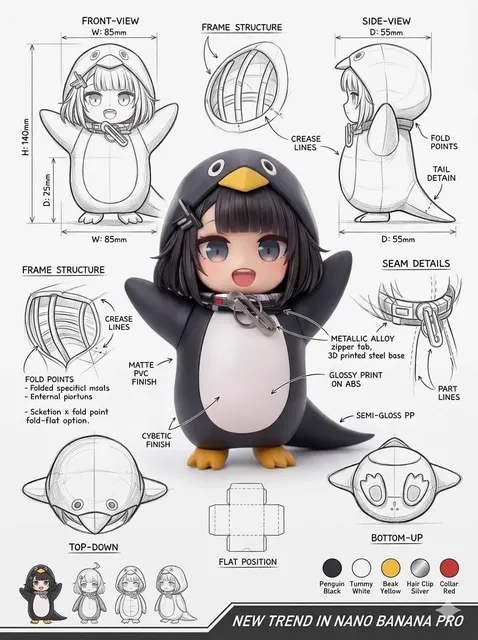
Describe a scene in text and AI generates a storyboard frame. Need 50 frames for a pitch deck? AI produces them in minutes. AI Image Generator excels at this, giving you visual references before any filming begins.
Camera Movement Planning
AI suggests camera movements that enhance the narrative: slow push-in for dramatic reveals, tracking shots for action sequences, static frames for moments of stillness.
The Modern Filmmaker's Toolkit
Domer AI Video Generator handles the actual video generation. Seedance 2.0 delivers cinema-quality motion. GPT Image 2 creates production-quality reference images.
What This Means for Filmmakers
- Faster pre-production: days instead of weeks
- More experimentation: test 10 visual approaches before committing
- Democratized access: indie filmmakers get Hollywood-level shot planning
- Consistent vision: AI remembers your style across an entire project
AI doesn't replace the director's vision. It amplifies it. Start exploring at Domer.

Alexander
More Blogs
Read MoreVidu Q4 Alternatives: 4K AI Video Models Compared (2026)
Vidu Q4 alternatives compared: Kling 4.0, Seedance 2.5, Wan 3.0, and Runway Gen-4 — 4K support, input modes, durations, audio, and what each costs in credits on Domer.
Top 4K AI Image Generators in 2026: 5 Models Compared on Real Costs
The top 4K AI image generators on Domer compared: Flux 3 Klein, Nano Banana 2.1, GPT Image 2.5, GPT Image 2, and Nano Banana Pro — 4K credit costs, reference limits, and speed.
Nano Banana 2.1 vs GPT Image 2.5: Which Image Model Should You Use? (2026)
Nano Banana 2.1 vs GPT Image 2.5 Flare compared: credit costs per resolution, aspect ratios, reference images, text rendering, and which tasks fit each model.