

Lyrics videos have quietly become one of the most important formats in the music and content creation industries. On short-video platforms they rack up millions of views, and they serve double duty: they make tracks immediately singable and shareable, and they give artists a low-friction visual that fills the gap between a single release photo and a full music video. For independent creators, learning to make a genuinely eye-catching lyrics video can be the difference between a song that stops the scroll and one that gets ignored.
In this guide I will walk you through the process end to end. We will look at why lyrics videos matter now, how to prepare the audio and lyric timing, what to look for in an AI video model, how to keep visuals consistent across shots, and how to animate typography so it moves with the music instead of just sitting on screen. I will keep the structure practical rather than following a rigid template, because the best lyrics videos tend to reflect the mood of the track rather than a formula.
Why lyrics videos matter more than ever
The media landscape in the mid-2020s is defined by shrinking attention spans and endless competition for a few seconds of screen time. A lyrics video earns its place because it is deeply functional: it lets a listener follow along with the words while the song plays, turning a passive listen into an active experience. That interaction fuels longer watch time, which in turn signals the platform to push the video to more people.
For emerging artists without a big production budget, a well-made lyrics video is also a strategic release asset. It can debut on the same day as the single, keeping the release month full of content without requiring expensive location shoots or actors. For content creators, remixing lyrics over evocative visuals is a reliable formula for engagement, whether the goal is storytelling, education, or pure entertainment.
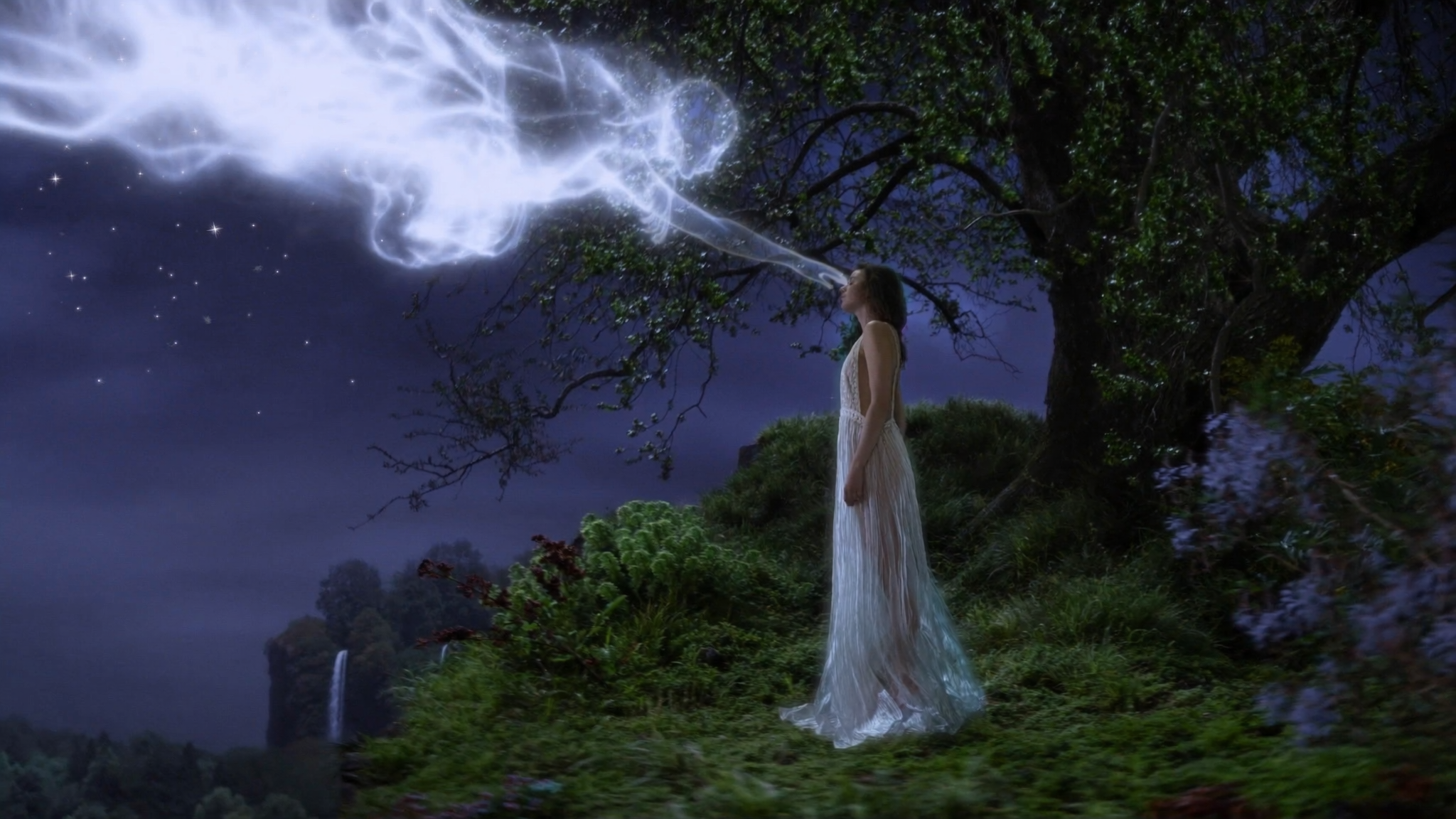
The rise of generative video has pushed this format to a new level. Instead of a static image with animated words, creators can now pair lyric text with coherent, moving scenes that match the meaning of each line. That opens up expressive possibilities that were previously reserved for big-budget productions.
Preparing your assets before you touch video
Great lyrics videos are built on great raw material, so it is worth spending time on the audio and lyric files before you open any video tool. The single most important step is getting accurate, well-timed lyric data. If the words drift even slightly out of sync with the vocals, the whole video feels broken no matter how beautiful the visuals are.
Start by cleaning up your audio. Work from the highest-quality master you have, ideally the same mix that will appear on streaming platforms. Watch out for clipped peaks, background noise in quiet sections, and any quirks that will be jarring at full volume on a phone speaker. A clean, consistent mix gives you the freedom to layer visuals and typography without worrying about defensive mixing choices.
Next, build your timed lyrics. You can use lyric timing tools or music notation software to create a timestamped transcript where each line is anchored to a precise moment in the track. If you are working without professional tools, a basic approach is to mark the downbeats and the start of each phrase manually, then refine. The goal is not necessarily word-perfect precision on every syllable, but reliable line-level timing that feels natural.
Finally, decide on the visual direction. Will this be a simple, elegant video that lets the words dominate? A narrative video where each verse has its own scene? Or an abstract, textural piece? Sketching out this direction early keeps the project cohesive and stops the typography from competing with the visuals.
Choosing the right AI video model
Not all AI video models are equally suited to lyrics videos, and the choice you make will shape both the look and the amount of control you have. Some models are excellent at sustaining a character and scene across multiple shots, which matters if you want a narrative thread. Others are better at short, punchy textural clips that work well as interchangeable backgrounds.
Think about whether you need a character to appear consistently. If your lyrics tell a coherent story with a named protagonist, you will want a model with strong image-to-video and multi-image fusion support, so the same face and outfit carry through the whole piece. If your video is abstract, you can lean on stylized motion and gradient scenes instead.
Consider the aspect ratio you are targeting. Vertical 9:16 clips dominate short-form platforms, but a lyrics video may also live on music platforms and desktop web, where landscape works better. Choose a model and a cropping strategy that lets you publish one strong cut rather than forcing a clumsy re-crop later.
It is also smart to test a model on a short representative clip before committing your whole project. Render one verse with your exact lyric timing and see how the typography and motion hold up. A ten-minute test saves you from discovering problems after you have generated dozens of shots.
Keeping visuals consistent across shots
Consistency is the hardest part of any lyrics video, because you are essentially editing together many short clips that must feel like one piece. The fastest way to lose that feeling is to change the color palette or lighting mid-song. Decide on a fixed palette up front, then apply it to every scene.
Multi-image fusion techniques help here. If you are using a character, feed the model reference frames of that character from different angles so it understands the fixed visual identity. If you are working purely with scenery, keep the environment recognizable across shots by echoing key shapes and colors in each new frame.
Do not be afraid to constrain yourself. A lyrics video does not need twenty distinct locations; often three or four well-chosen visual worlds, rendered in a consistent style, feel more premium than a scattered collection of unrelated scenes. Restraint reads as intentionality, and it also reduces the workload by letting models reuse strong visual anchors.
Finally, think in terms of a grading pass. Most multi-shot edits benefit from a final unified color treatment. If your scenes are generated separately, a gentle grade across the whole timeline can pull them together and hide minor differences in lighting.
Typography that moves with the music
The typography is arguably the star of a lyrics video, so it deserves careful attention. The biggest principle is that the words should feel connected to the music rather than pasted on top. That means animating them in time with the beat, the phrasing, and the emotional contour of each line.
Start with legibility. Even a strikingly artistic font is useless if viewers cannot read the words quickly. Build in enough contrast against the background, and consider subtle halos, shadows, or an outline to separate the text from busy scenes. Legibility is the layer you must never sacrifice.
Then add motion. Common techniques include revealing words word by word to the rhythm, scaling the current line slightly larger, sliding lines in from the side, or fading the previous line out while the new one enters. Match the character of the motion to the track: bouncy, playful text for an upbeat pop song, slower, softer fades for a ballad.
Timing is where most videos succeed or fail. Animate your text to the actual audio rather than to a guessed grid. If a line starts half a beat early, nudge the text to start with the vocal. In practice, feeling out the phrasing and pruning filler moments pays off far more than adding more flourishes.
Scene control and shot planning
Good lyrics videos are shot-planned like mini movies, even when the visuals are abstract. Before generating, map each section of the song to an intended visual: an intro, a build, a chorus, a drop, a breakdown, and an outro each deserve different energy. This plan keeps the video from feeling like an endless loop.
Match the visual intensity to the musical intensity. Whispered verses work best with minimal, close scenes, while explosive choruses justify wider, more dynamic shots. Thinking in terms of contrast helps: if every section is equally busy, nothing feels loud or quiet by comparison.
For narrative lyrics, treat each character appearance as a consistent unit. Plan which shots establish the character, which advance the story, and which give the audience breathing room. A good lyrics video, like a good film, needs moments of release between moments of tension.
It also helps to generate a little more footage than you think you need. Cutaways, close-ups of details, and slightly longer versions of key scenes give you raw material to make transitions feel natural in the edit. Working with surplus is far easier than re-rendering a whole section because you ran out of usable footage.
Editing, syncing, and the final polish
Once your clips and typography are ready, it is time to bring everything together. The edit is where a collection of nice clips becomes a coherent video, so treat it as its own craft. Build your timeline to the music, using the waveform as a visual guide and checking words against the vocal.
Transitions between scenes deserve special attention. A simple, clean cut timed to the beat often outperforms a flashy effect that draws attention to itself. If you do use a transition, make sure it reinforces the music instead of distracting from it. Fades to black, subtle blurs, and matching-motion cuts tend to be the most reliable options.
Audio should drive final timing decisions. As you watch the cut, listen for places where the visuals lag behind or jump ahead of the music, and tighten those moments. The goal is that a viewer watching with sound off still feels the rhythm, and a viewer reading lyrics can follow every word without effort.
Finish with a careful review of the whole piece on the device where your audience will watch it. Check legibility on a small screen, verify that the loudest and quietest sections feel balanced, and confirm the intro hooks a new viewer within the first few seconds. These small checks turn an average lyrics video into one that feels professionally finished.
Common mistakes and how to fix them
Several problems recur across failed lyrics videos, and most are easy to avoid once you know they are coming. The most common is misaligned timing, so build your workflow around keeping words locked to the audio at every stage. If text drifts, fix the underlying timing data rather than nudging each clip individually.
Another frequent issue is illegible typography hidden behind busy visuals. When scenes get dense, pull the text forward with contrast, shadow, or blur that isolates the words. Your spelling-out font choice should never come at the cost of readability.
Many beginners also overcomplicate the visual system, mixing too many locations, fonts, and colors. The result feels scattered and cheap. Choose a small set of visual elements and repeat them with variation, and the video reads as cohesive and intentional.
Finally, do not ignore the opening seconds. Viewers decide within moments whether to keep watching, so make your intro hook musical: a striking visual, a title treatment, or a lyric that lands early. A strong opening sets the tone and keeps people engaged for the parts you worked hardest on.
Final thoughts
Making an eye-catching lyrics video in 2025 is more achievable than ever, but the craft has not disappeared. What separates the memorable from the forgettable is the care taken at each stage: clean audio, accurate lyric timing, a deliberate visual system, consistent characters, and typography that dances with the music.
Generative tools give creators a huge head start, yet the director's judgment still matters. Choose a model suited to your needs, test before you commit, and let the energy of the track guide every creative decision. When the music, words, and visuals finally move together, the result is a piece of content people want to watch again and again.
Whether you are promoting a single, expanding your channel, or simply exploring a new creative craft, the skills you build making lyrics videos will serve you across every other kind of content you produce. Master the sync, protect the legibility, and let the song lead the way.
