
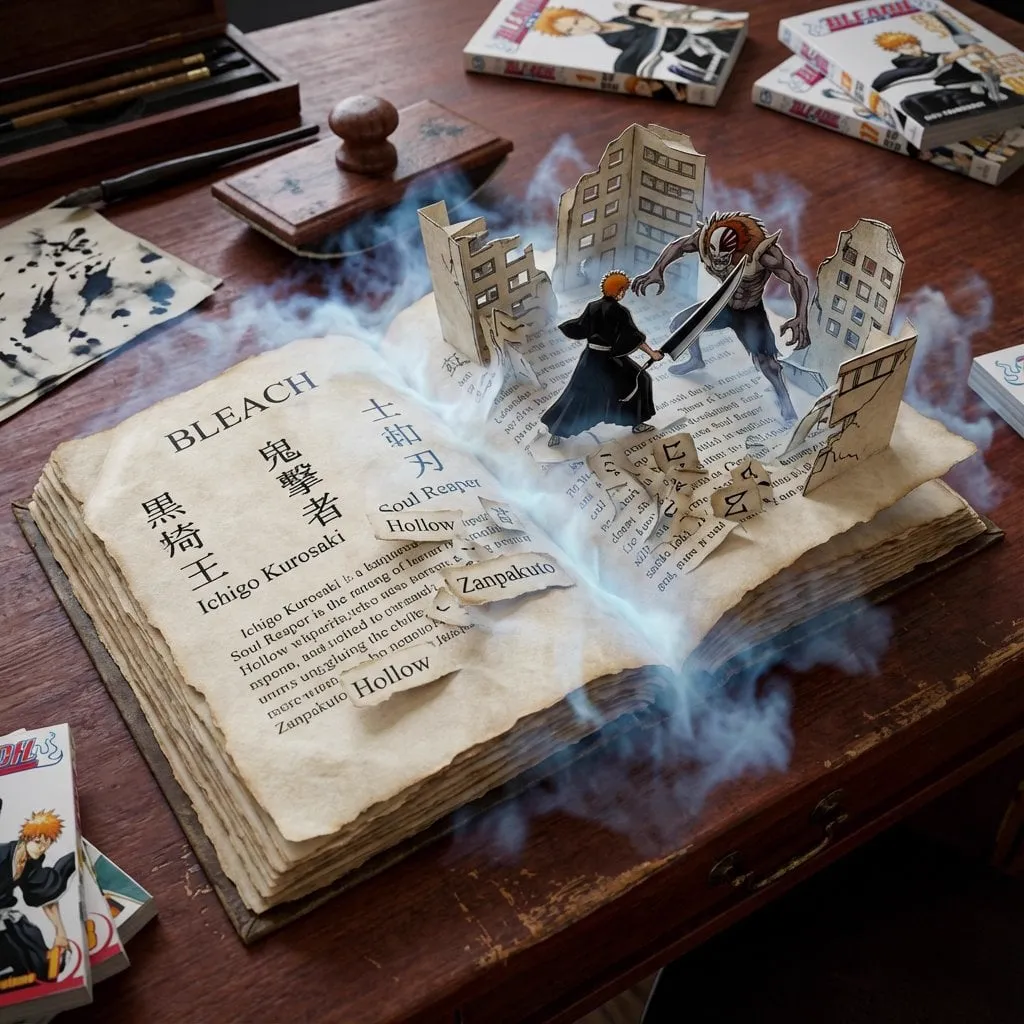
From Concept to Clip: How Hybrid AI Video Workflows Win in 2025
Aug 3, 2026

From one-off text-to-video toys to full creative pipelines, AI video has changed quickly. In 2025, the most interesting apps are not about generating a single clip; they are about delivering a complete story with predictable characters, consistent style, and professional-grade polish. That shift has pushed the industry toward a hybrid approach: open-source models provide speed, variety, and constant innovation, while proprietary models add the directorial control and rendering quality that serious production requires.
This article breaks down why blending open-source power with proprietary AI features is becoming the cleanest path from concept to clip, and how you can build a reliable workflow around it.
The Hybrid Mindset: Why Not Just Pick One Model?
Most creators have felt model anxiety: Which model do I use? What if a new release makes my pipeline obsolete tomorrow? Choosing a single model usually means trading one strength for another. Open-source models tend to be excellent for experimentation; they are trained on massive, diverse datasets, evolve quickly, and allow teams to fine-tune or self-host when needed. The trade-off is often consistency and cinematic control. Proprietary models, by contrast, are usually optimized around specific outputs: photorealistic humans, smooth motion, stylized animation, or predictable physics. They feel less like toys and more like production tools.
A hybrid approach turns this trade-off into an advantage. You can use open-source workflows to iterate fast, test concepts, and generate rough drafts. Then, when a shot matters, you can bring in a specialized proprietary model to handle the final render. The result is a pipeline that is both fast and reliable.
The Open-Source Layer: Speed and Breadth
Open-source models shine when you are not entirely sure what a scene should look like. Because they are fast to run and constantly updated by research communities, they are ideal for exploration. Instead of locking yourself into one vision, you can generate dozens of variations, inspect the compositions, and decide which one deserves a premium treatment.
Open-source models also make it easier to build custom tools around them. They can be integrated into local workflows, fine-tuned on small datasets, and exchanged as better versions appear. For a creator, this is the ultimate safety net: your pipeline never depends on one closed system.
The Proprietary Layer: Polish and Predictability
Proprietary models exist to solve problems that generalized models cannot. They are designed for high-stakes deliverables, where a client or audience expects a certain level of realism. A model like GPT Image 2, for example, can produce strikingly detailed images from natural language, giving you a solid visual reference before you ever touch a video timeline. Combined with a focused video model, these tools ensure that the final clip feels intentional, not accidental.
This is not about rejecting open source. It is about applying the right tool at the right stage of a project. Open-source models answer “What could this look like?” Proprietary models answer “What should this look like when it is done?”
Character Consistency: The Hardest Problem in AI Video
When AI-generated video first appeared, characters could not stay consistent from one scene to the next. A protagonist might change skin color, outfit, or even body shape after a cut. Solving this problem is now one of the most important features a video platform can offer.
The best solutions rely on multi-image fusion. Instead of generating from a single prompt, the system accepts multiple reference images that define a character from different angles, under different lighting, and in different costume variations. These references are combined into a consistency layer. When the model generates a new clip, that layer influences every frame, keeping the character recognizable across the entire sequence.
Multi-image fusion is invaluable for narrative projects. Short films, brand campaigns, and episodic content all depend on the audience identifying characters by name and appearance. The moment a face drifts, the illusion breaks. A hybrid platform can apply a consistency layer on top of various generation models, giving creators the freedom to switch rendering engines without losing their characters.
Building a Concept-to-Clip Workflow
So what does a practical hybrid workflow actually look like? It is simpler than it sounds. Start with an idea, build a visual foundation, then expand it into motion.
Step 1: Create a Visual Bible
Before generating video, spend time creating still images that define the world, tone, and characters. Using an AI image generator, produce a set of concept frames: front views, side views, environments, props, and lighting studies. These frames are more than storyboards; they become the reference library for every subsequent generation. A clear visual bible prevents the entire script from falling apart when you begin to animate.
Step 2: Lock Character Details with Image-to-Image Refinement
Once you have a visual bible, refine the details. Use image-to-image tools to adjust expressions, costumes, and color grading without rebuilding the character from scratch. This iterative step is where open-source flexibility shines. Because image-to-image generation is fast, you can quickly test variations and settle on the exact design that will anchor the video. The result is a set of approved keyframes that you can feed into the video pipeline.
Step 3: Transform Frames into Motion
With reference frames ready, the next step is motion. A modern AI video generator can take a still image and bring it to life, adding movement, camera motion, and implied narrative. If you need even more control, you can go directly from text to video, writing prompts that include character references and scene descriptions. Models like Seedance 2.0 are particularly valuable when you want expressive motion with strong visual coherence.
For longer sequences, generate one shot at a time. Check the character's face, body language, and props before moving on. If a shot drifts, regenerate with the same reference frame rather than trying to fix it later. This disciplined approach avoids the chaos of having to reshoot a whole scene in AI.
Step 4: Treat Video as an Iterative Medium
AI video is not a one-and-done process. The first output is a draft. Watch it with critical eyes. Does the transition feel natural? Is the lighting consistent? Are the character's features recognizable? Use the platform's ability to blend multiple input images and refine prompts to zero in on the correct take. Over time, you will build a personal workflow that feels more like directing than prompting.
What the Hybrid Shift Means for Creators
Hybrid AI platforms are not just about offering many models. They are about lowering the barrier between a rough idea and a finished clip. Open-source power gives creators the ability to experiment without being locked into one vision. Proprietary features give them the precision and polish needed for professional work. Together, they represent a new kind of creative freedom: the freedom to choose the right method for every stage of production.
The market has already responded. Tools that combine open-source flexibility with proprietary control are becoming standard in agencies, YouTube studios, and independent film sets. The creators who adapt earliest will be the ones who build repeatable, scalable workflows before everyone else catches up.
Final Thoughts
Going from concept to clip used to mean balancing inspiration against technical constraints. Today, the constraint is mostly about making choices: Which model should interpret this scene? Which reference images should define the character? How much directorial control do I need? A hybrid approach gives you the best answer to each of these questions. Open source keeps the possibilities wide open, and proprietary AI features ensure the final result feels intentional and consistent.
If you are building your own AI video pipeline, start with an image, refine it until it feels exactly right, and then let motion do the rest. Use open-source tools when you need speed and options. Reach for specialized models when the shot has to be perfect. That is the real secret of the concept-to-clip workflow: not picking sides, but knowing when to draw from each world.

Alexander
More Blogs
Read MoreVidu Q4 Alternatives: 4K AI Video Models Compared (2026)
Vidu Q4 alternatives compared: Kling 4.0, Seedance 2.5, Wan 3.0, and Runway Gen-4 — 4K support, input modes, durations, audio, and what each costs in credits on Domer.
Top 4K AI Image Generators in 2026: 5 Models Compared on Real Costs
The top 4K AI image generators on Domer compared: Flux 3 Klein, Nano Banana 2.1, GPT Image 2.5, GPT Image 2, and Nano Banana Pro — 4K credit costs, reference limits, and speed.
Nano Banana 2.1 vs GPT Image 2.5: Which Image Model Should You Use? (2026)
Nano Banana 2.1 vs GPT Image 2.5 Flare compared: credit costs per resolution, aspect ratios, reference images, text rendering, and which tasks fit each model.