
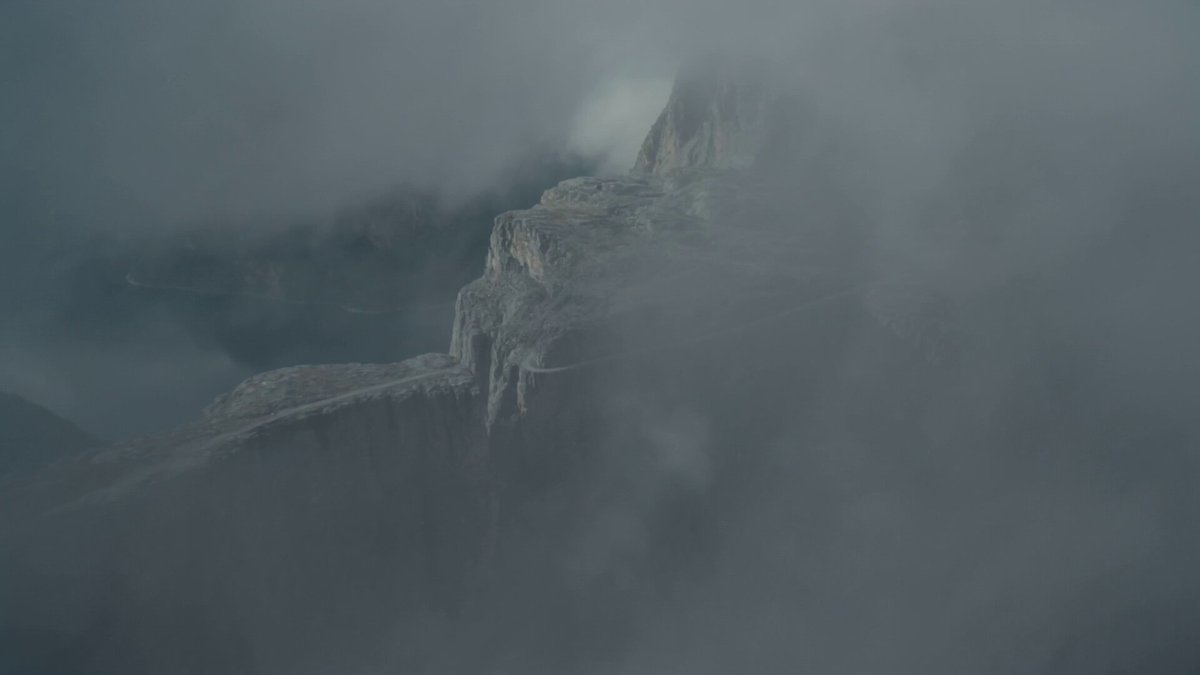
From Still Images to Dynamic Clips: Mastering Image-to-Video Conversion
Aug 4, 2026
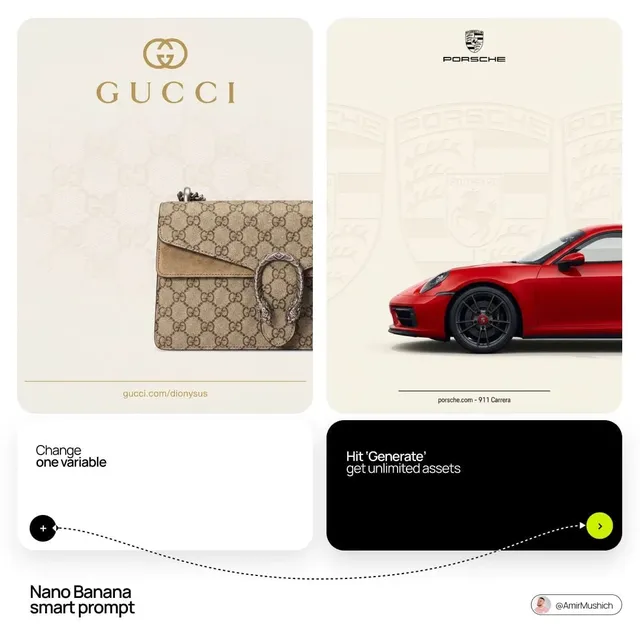
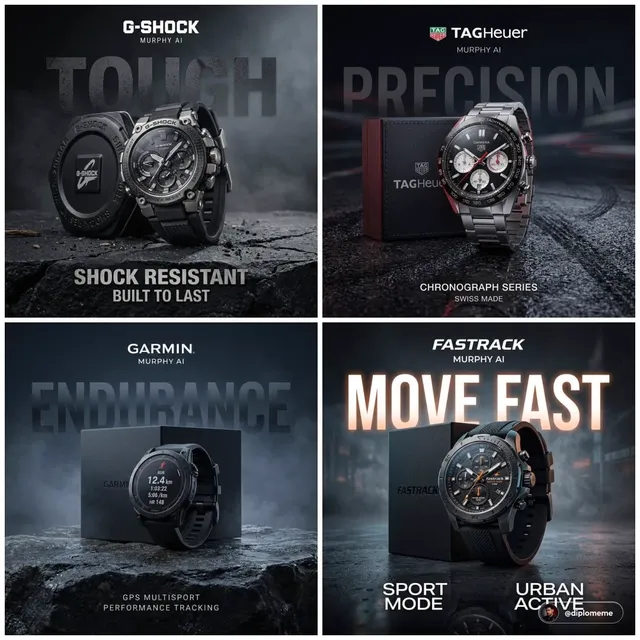
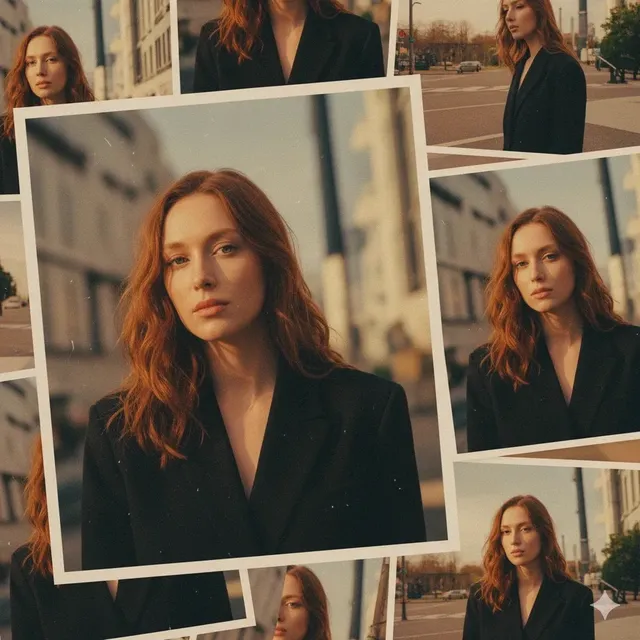
The Image-to-Video Revolution
The synthetic video market is projected to surpass $35 billion by 2026, and image-to-video conversion sits at the heart of this growth. What once required specialized software and hours of manual animation can now be done with AI in minutes.
AI video generation has democratized motion graphics. Whether you're working with concept art, product mockups, or personal photography, you can now imbue still images with lifelike motion and narrative depth using simple text prompts.
The Core Challenges
Three critical challenges define image-to-video quality:
- Temporal consistency: preventing visual artifacts across frames
- Motion coherence: natural, physics-respecting movement
- Style fidelity: preserving the original image's artistic intent
Workflow for Best Results
Start by generating high-quality source images. AI image generation tools give you complete control over composition, lighting, and detail before animation.
For cinematic results, GPT Image 2 produces stunning reference images that translate beautifully into motion.
Choosing the Right Motion Model
Different content needs different motion approaches:
- Subtle motion: parallax effects, gentle camera moves for product shots
- Dynamic action: character movement, environmental effects for storytelling
- Abstract flow: particle systems, fluid dynamics for artistic pieces
Seedance 2.0 excels at generating coherent, cinematic motion from still inputs while maintaining visual fidelity.
Practical Applications
- Social media content that stands out in crowded feeds
- Product demonstrations without physical prototypes
- Educational animations from diagrams and illustrations
- Music visualizers from album art
Quick Tips
- Use high-resolution source images (at least 1024x1024)
- Describe the desired motion clearly in your prompt
- Start with short clips (3-5 seconds) and iterate
- Keep style, lighting, and subject position consistent across your image series
- Use Domer's AI tools to find the right model for each project
Conclusion
Image-to-video conversion has matured from a novelty to a professional production tool. With the right workflow and model selection, you can create content that rivals traditional animation studios at a fraction of the cost and time.

Alexander
More Blogs
Read MoreVidu Q4 Alternatives: 4K AI Video Models Compared (2026)
Vidu Q4 alternatives compared: Kling 4.0, Seedance 2.5, Wan 3.0, and Runway Gen-4 — 4K support, input modes, durations, audio, and what each costs in credits on Domer.
Top 4K AI Image Generators in 2026: 5 Models Compared on Real Costs
The top 4K AI image generators on Domer compared: Flux 3 Klein, Nano Banana 2.1, GPT Image 2.5, GPT Image 2, and Nano Banana Pro — 4K credit costs, reference limits, and speed.
Nano Banana 2.1 vs GPT Image 2.5: Which Image Model Should You Use? (2026)
Nano Banana 2.1 vs GPT Image 2.5 Flare compared: credit costs per resolution, aspect ratios, reference images, text rendering, and which tasks fit each model.