
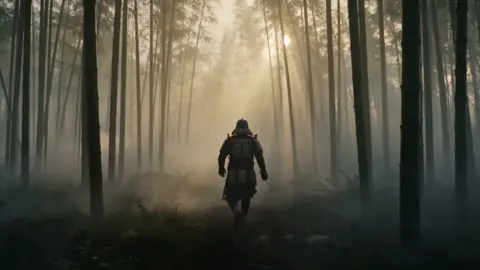
Master Text-to-Video Synthesis: A Complete Guide to AI Video Generation
Aug 3, 2026
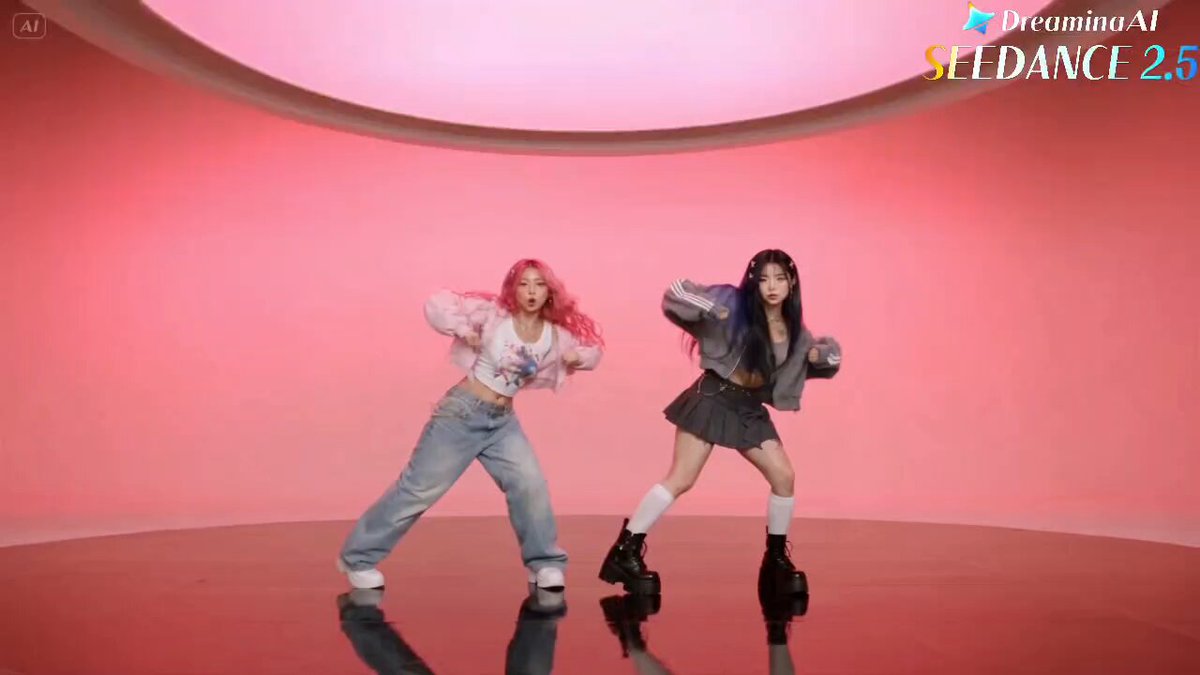
Text-to-video synthesis has matured rapidly. What was once a research curiosity is now a production-ready tool used by creators, marketers, and studios worldwide. But the real skill isn't just generating video — it's generating the right video, consistently, at scale.
Beyond the hype: what text-to-video actually delivers
The early promise was simple: type a sentence, get a video. In 2025, the reality is far more nuanced and powerful. Modern AI video systems can:
- Generate photorealistic sequences from detailed text descriptions
- Animate static images into fluid motion
- Maintain character identity across multiple scenes
- Apply cinematic controls like camera movement, depth of field, and lighting
The shift from "can it generate?" to "how well can it generate?" is what separates production tools from tech demos. Domer AI Video Generator represents this new generation — accessible, controllable, and genuinely useful.
The model landscape: specialization over generalization
There is no single best model. Different engines excel at different tasks:
Photorealism and detail
Some models prioritize visual fidelity — lifelike textures, accurate lighting, realistic physics. These are ideal for product visualizations, cinematic establishing shots, and high-end marketing content. GPT Image 2 delivers exceptional reference image quality that serves as the foundation for photorealistic video generation.
Motion and dynamics
Other models specialize in natural movement — walking, running, flowing water, drifting smoke. If your project involves complex physical motion, choose an engine optimized for temporal coherence.
Style and aesthetic control
Need anime? Film noir? 3D render? Specialized models can lock onto a specific aesthetic and maintain it across an entire project. Seedance 2.0 excels at consistent character animation across different styles.
Speed and iteration
Some models trade maximum quality for speed, letting you iterate rapidly during the creative exploration phase before committing to a high-quality final render.
The text-to-video workflow that works
Step 1: Start with a strong prompt
A good prompt describes not just what's in the scene, but how it's captured. Include:
- Subject: What or who is in the scene
- Action: What's happening
- Environment: Where it takes place
- Cinematography: Camera angle, movement, lens type
- Lighting and mood: Time of day, atmosphere, color palette
Step 2: Generate reference images first
Before committing to full video generation, create still images of key moments. This validates composition and lighting with minimal cost. Use Domer AI Image Generator for this stage.
Step 3: Animate selectively
Don't generate the entire video at highest quality. Animate the critical segments first, then fill in transitions and establishing shots with lighter models.
Step 4: Maintain character consistency
For narrative projects with recurring characters, create a reference library. Generate keyframe images of each character from multiple angles. Feed these as conditioning inputs for every subsequent generation.
Step 5: Post-process for your platform
A video generated for YouTube (16:9) needs reframing for TikTok (9:16) and Instagram (1:1). Plan your aspect ratios from the start, or use AI tools that auto-reframe.
Common pitfalls and how to avoid them
Pitfall 1: Vague prompts produce vague results.
Fix: Write prompts like you're briefing a cinematographer. Be specific about composition and movement.
Pitfall 2: Characters change appearance between scenes.
Fix: Build a reference image library and use models that support multi-reference conditioning.
Pitfall 3: Motion looks unnatural.
Fix: Match the model to the motion type. Some models handle walking well; others excel at camera movements. Test before committing.
Pitfall 4: Over-rendering at max quality from the start.
Fix: Iterate with fast, lower-quality generations. Only switch to premium models for your approved sequences.
Who should use text-to-video synthesis
- Content creators: Generate original b-roll, backgrounds, and visual effects without stock footage
- Marketers: Create platform-optimized ad variations at scale
- Educators: Produce animated explanations and demonstrations
- Filmmakers: Pre-visualize scenes before committing to expensive shoots
- Product designers: Animate concepts and prototypes for stakeholder presentations
The bottom line
Text-to-video synthesis is no longer about proving that AI can generate video. It's about integrating AI into a professional production workflow where quality, consistency, and control matter. Start with Domer's text-to-video tools and build from there.
FAQ
Q: How long does it take to generate a video?
From 30 seconds to a few minutes depending on length, quality, and model complexity. Fast models enable rapid iteration.
Q: Can I use AI-generated video commercially?
Yes — most platforms permit commercial use. Always confirm the terms of your specific provider.
Q: What's the best model for character consistency?
Models with strong multi-reference capabilities maintain character identity best. Use at least 3 reference images from different angles.
Q: Do I need a powerful computer?
No — cloud-based platforms handle all computation. You only need a browser.

Alexander
More Blogs
Read MoreVidu Q4 Alternatives: 4K AI Video Models Compared (2026)
Vidu Q4 alternatives compared: Kling 4.0, Seedance 2.5, Wan 3.0, and Runway Gen-4 — 4K support, input modes, durations, audio, and what each costs in credits on Domer.
Top 4K AI Image Generators in 2026: 5 Models Compared on Real Costs
The top 4K AI image generators on Domer compared: Flux 3 Klein, Nano Banana 2.1, GPT Image 2.5, GPT Image 2, and Nano Banana Pro — 4K credit costs, reference limits, and speed.
Nano Banana 2.1 vs GPT Image 2.5: Which Image Model Should You Use? (2026)
Nano Banana 2.1 vs GPT Image 2.5 Flare compared: credit costs per resolution, aspect ratios, reference images, text rendering, and which tasks fit each model.