
If you have spent more than an evening experimenting with AI video, you have probably hit the same wall: the first model you tried works beautifully for one kind of shot and falls apart on another. A picture-perfect slow zoom becomes a jumble of morphing limbs when you ask for action. A character that looked exactly right in your hero frame turns into a stranger by the third scene. The most commonly offered solution is also the most misunderstood one: it is not a better single model, it is a richer library of models used deliberately.
This article explains why a broad, well-curated model library changes the game for anyone who converts written ideas into moving images. We will cover why no one engine wins everything, how different model families specialize in realism, speed, regional style, and consistency, and how to build a selection habit that saves you time and dramatically improves your output. It is a practical guide informed by the way actual production teams structure their work.
The framing throughout is simple: treat your model library the way a studio treats its camera and lens collection. You do not shoot every scene with one lens, and you should not generate every shot with one model. Learning to choose per shot is the skill that separates impressive demos from consistently dependable content.
Why a Single Model Will Never Be Enough
Generative video is hard because it is many problems stacked together. A credible scene needs photorealistic light and texture, physically plausible motion, an object that stays itself across frames, and a story the viewer can follow. Different models are trained to be strong on different slices of that problem. One may produce stunning stills. Another may move smoothly but cannot hold a face steady. A third is lightning fast but lacks fine detail. No training run, no matter how large, nails every slice simultaneously.
This is why dependence on a single engine limits you. From the moment you commit to one model, you are also committing to its worst category, whatever that happens to be, whenever that category shows up in your script. A library, by contrast, lets you push each scene toward the engine that handles it best. The result is not just better average quality; it is a much more predictable range of outcomes, which is what you actually need when you are working to a deadline.
For content creators in a hurry, this convenience is decisive. Because so many creators now publish multiple times per week, the ability to route a quick social clip to a fast value model and a hero shot to a premium engine keeps a calendar full without sacrificing the moments that must look expensive.
Premium Trained on Realism and Control
At the top of the pile, in terms of visual fidelity and fine control, sit the photorealistic diffusion families. The Flux series and related models give you the kind of crisp detail, credible skin, and controlled light that reads as expensive the moment the frame appears. If you are prototyping a character look or rendering product shots where every reflection and label has to be right, this is where you want to spend your best effort.
OpenAI's Sora family pushed the field forward on narrative understanding and physical coherence. Where older models produced impressive fragments that drifted, Sora-class systems hold the context of a scene and generate motion that respects the story, which makes it a strong choice when realistic action is the whole point of the shot.
The cost of these premium engines is slower rendering and heavier resource use, so reserve them for the shots that the audience actually judges you on: the opening frame, the key emotional beat, the closing image. Roughly twenty percent of a piece's shots do eighty percent of the quality work, and that fifth is where premium belongs.
Fast and Regional Models for Volume Work
On the other side of the spectrum, a cluster of Asian and value-oriented providers has made speed and price the headline features. Kling is known for fast, clean renders and handling conventional short-form content well, which makes it the default for versioning, ad variations, and social volume. PixVerse follows a similar philosophy with solid general-purpose output and quick turnaround.
These models also reflect a slightly different visual vocabulary that can be an asset depending on your audience. Shipping to a specific regional audience often means choosing a model whose training leaned toward the aesthetics that audience expects. That is not a compromise; it is a deliberate match between the tool and the market you are targeting.
The guidance is to use these engines for anything where speed and quantity matter more than showpiece realism: draft takes, A/B versions of the same ad, background sequences, and content calendar fill. Keep the hero shots for the premium side, and suddenly your total output gets faster without your gallery getting worse.
Consistency Through Multi-Image Fusion
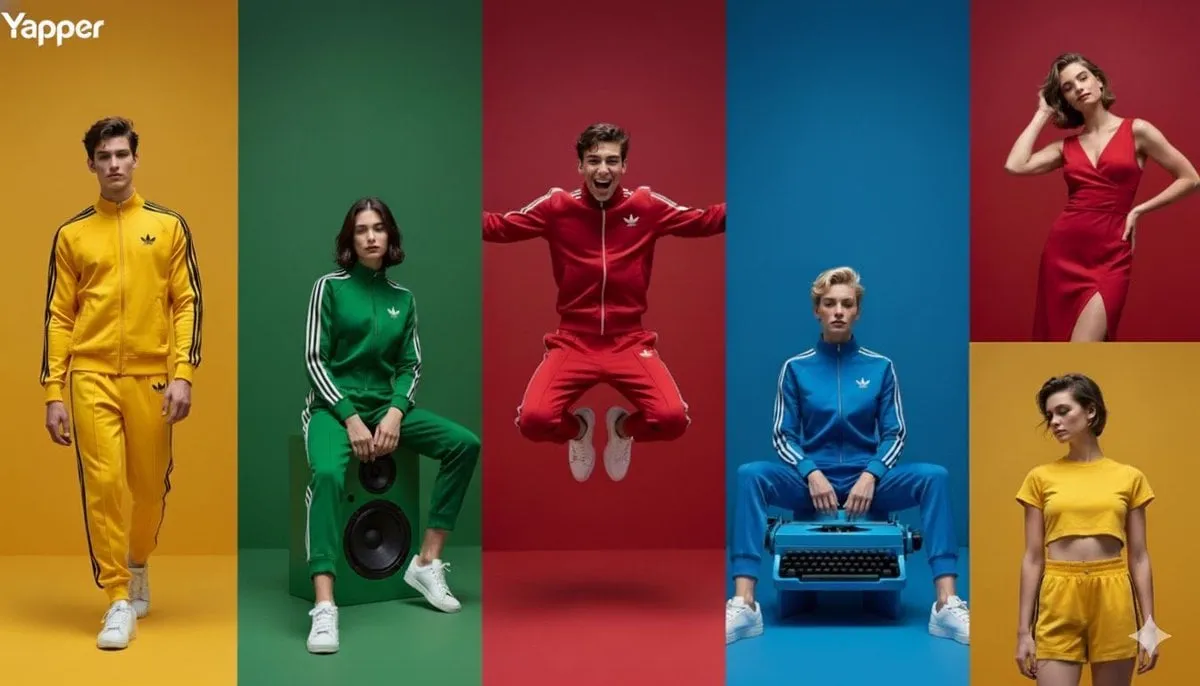
The most persistent complaint in AI video has an increasingly reliable answer. Multi-image fusion lets you feed the generator reference images of a subject, and it locks that identity so it survives across every shot you render afterward. This is the technique that finally makes a character feel like one person instead of a hundred loosely related people.
The reuse is immediate and practical. A brand builds one mascot reference and can then deploy that same mascot across a quarter's worth of campaign shorts. A YouTuber locks an avatar and can drop it into any episode. An animator establishes a style reference and every scene inherits the same grade and lighting language. Identity drift was the thing that kept AI video feeling like a demo; fusion is what turns it into a production tool.
To get the most out of it, keep the reference set small, clear, and consistent. One clean face image, one full-body shot, and one wardrobe detail are enough to anchor a character. The model reads those images and honors them, so the fewer conflicting details you introduce, the more reliably identity holds.
An AI Director to Keep It All Coherent
As your scene count grows, coordination becomes the bottleneck, and that is where an AI director agent earns its place. It is a software layer that holds the whole project in memory: the beats, the references, the style guide, and your choices of model. Given that context, it plans the shot order, selects the right engine per scene, and hands each render to the task queue so the work proceeds in the background while you keep writing or reviewing.
The practical payoff is a coherent piece rather than a pile of clips. Because the same references and style notes run through every render, scene three visually agrees with scene eleven. And because the queue manages the shared graphics hardware wisely, your many renders finish in a sensible order instead of fighting each other for compute. For longer-form pieces this orchestration layer is not a luxury; it is how you keep a multi-scene project sane.
Economic Realities for Creators
Video generation costs real resources, and your workflow should treat that honestly. Premium renders and long sequences consume more compute, so the creators who sustain a healthy practice are the ones who budget their resources as deliberately as a studio budgets a shoot. Spend heavily on the shots that carry your message; keep drafts cheap. Think of the model library as a cost tier, not just a quality tier, and route accordingly.
There is also a community and monetization angle worth naming. Many platforms let users share prompts, model presets, and finished assets. That ecosystem is a genuine asset: you can learn which models are excelling at which tasks from people who are already shipping, and you can even build a small business around selling reusable prompt packs, style guides, or character references to other creators. The economic winners are not the people with the most expensive tools; they are the people with the best repeatable assets.
A practical way to fund your renders without pressure is to use each project's income to finance the next one. Charge clients or allocate a share of the content's return toward the more expensive hero renders, and keep drafts on the cheap end so your burn stays low while you are still experimenting. When resources run low, the honest move is to shorten the piece, reduce the scene count, or simplify the style, not to rush a hero render through a wrong engine and ship something you would rather redo. A calm attitude toward budget, paired with a clear asset library you can reuse, keeps your practice sustainable exactly when the workload spikes.
Building a Selection Habit That Sticks
The single most valuable habit you can adopt is a fast, repeatable model-selection process. Before you render a shot, ask three questions. What does this shot need to be best at: realism, speed, motion, or consistency? How much does this shot matter to the finished piece: is it a hero or a filler? And what reference images do I already have that keep this shot consistent with the rest? The answers route you almost automatically to the right engine and the right effort level.
Then build a personal cheat sheet. Keep a short list, of the models you trust, with one line each on what they are best at, how fast they are, and when to reach for them. Update it whenever a new release surprises you. A personal, current cheat sheet is worth more than a dozen articles about what is theoretically best.
Finally, review ruthlessly and only after you have locked references. Judge each render against the reference and the beat, not on its own. Fail early and fast on cheap drafts, and spend your expensive renders only on shots you already believe in. That sequence alone will raise your quality curve faster than any tool upgrade.
There is also a discipline around not over-rotating on the latest release. New models appear constantly, and the temptation to chase every headline wastes time and breaks your established references. The professional approach is to treat new models as additions to your kit, not replacements for your habits: let a new engine prove itself on a single scene that your current setup handles reliably, compare outcomes against a fixed standard, and only then promote it to your default routing. In the meantime your references, prompts, and review checklist are what really lift quality, and those improve with use rather than with novelty. That steady, evidence-based adoption keeps your workflow calm even as the market stays loud.
Frequently Asked Questions
Should I always use the most powerful model?
No. Powerful models are slower and use more resources, and for simple shots the difference is invisible. Route by need: premium for hero and story-critical shots, fast value models for drafts and volume.
How many models do I actually need?
Three reliable families cover most projects: one photorealistic premium, one fast value, and one that is strong on consistency. Add specialized models when a niche task keeps coming up.
Is consistency guaranteed with reference images?
Not guaranteed, but dramatically more reliable than without them. Review every render against the references and regenerate anything that drifts.
Can beginners take advantage of the library approach?
Yes, start with just two models, a premium and a fast one, learn to route simple shots between them, and expand your library as your needs become specific.
The Library Mindset Is the Real Skill
The field will keep adding models, but the skill that compounds is the library mindset: knowing that different jobs need different engines and building the judgement to pick quickly and correctly. It turns an overwhelming menu of options into a small, trusted kit that handles almost any request.
Start deliberately. Pick two models you trust, write your personal cheat sheet, and route every shot through that simple decision of needs, importance, and references. Add a third engine, then a fourth, only when a real gap appears in a real project.
Text-to-video is no longer a single-tool novelty. It is a craft built on a rich, intentional library, used exactly the way a studio uses lenses. Learn to choose per shot, keep your references locked, and let an orchestration layer hold the project together, and you will produce coherent, dependable video that reads as far more than the sum of its generations.
