
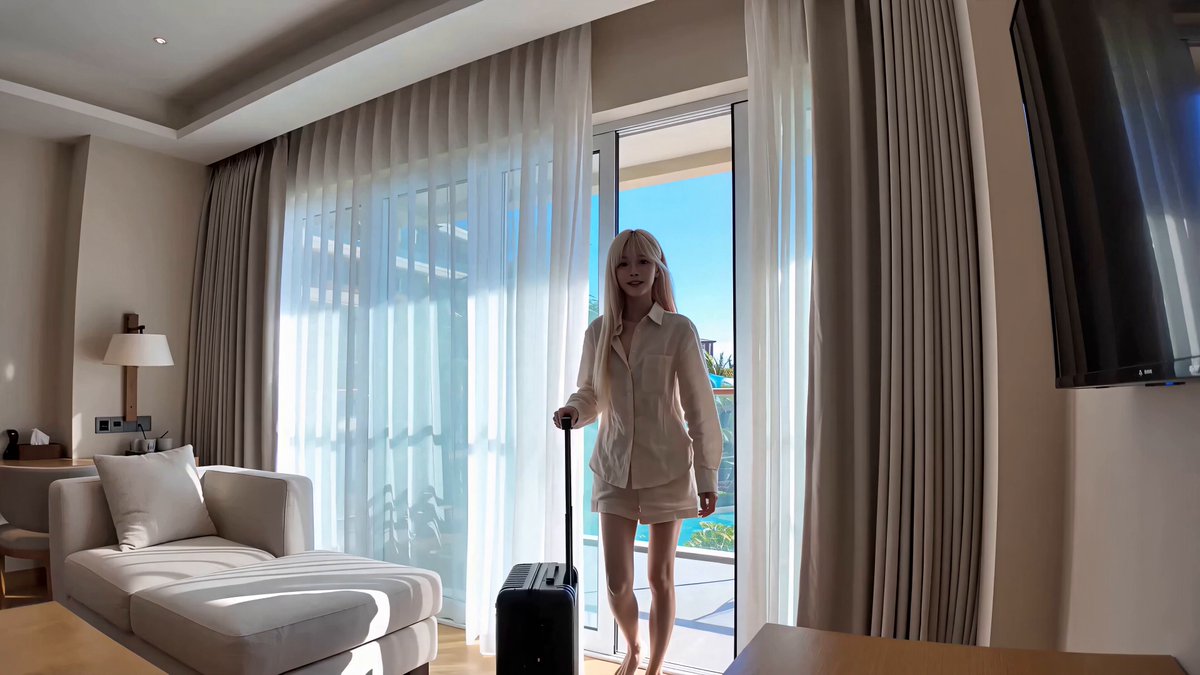
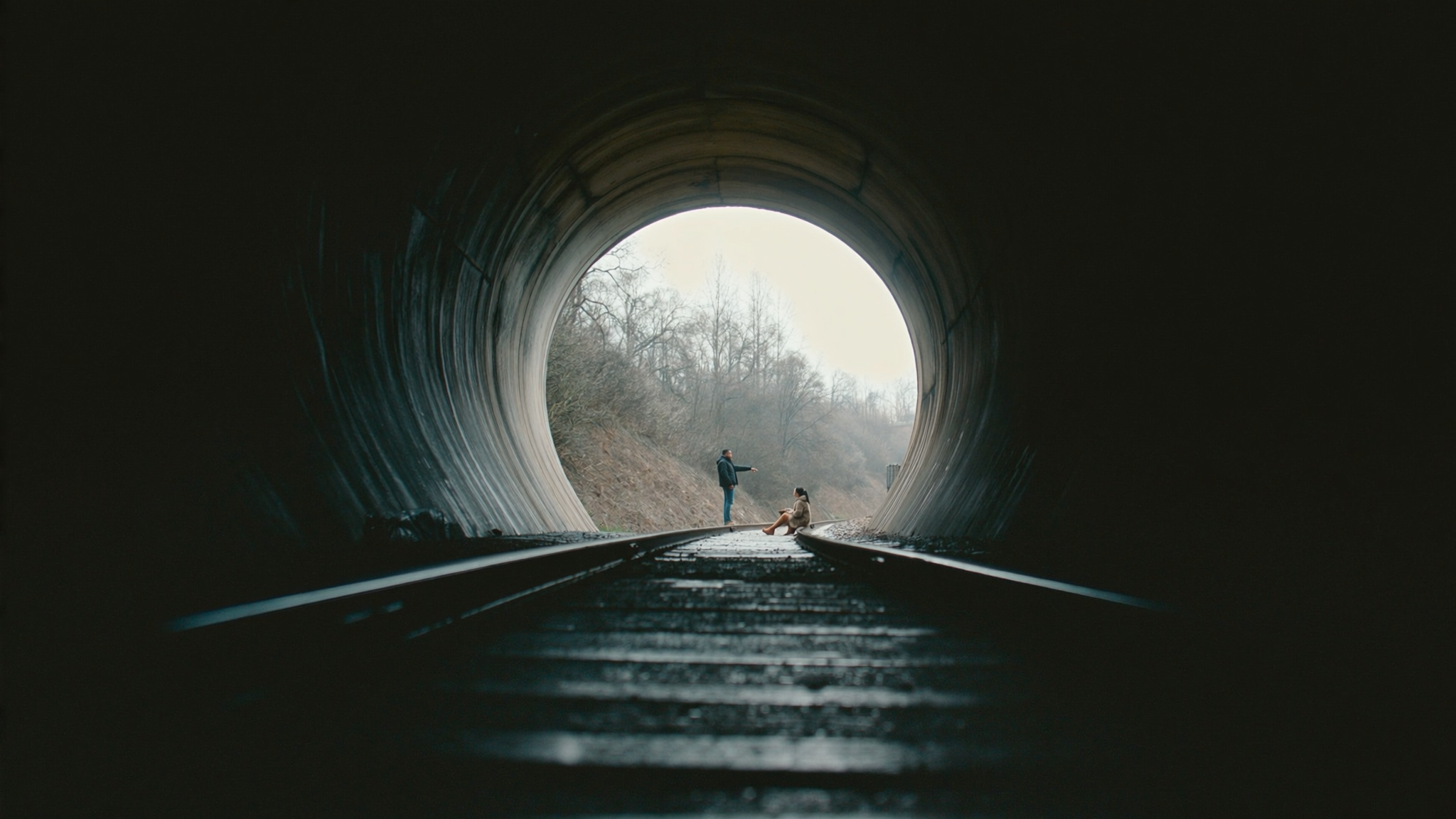
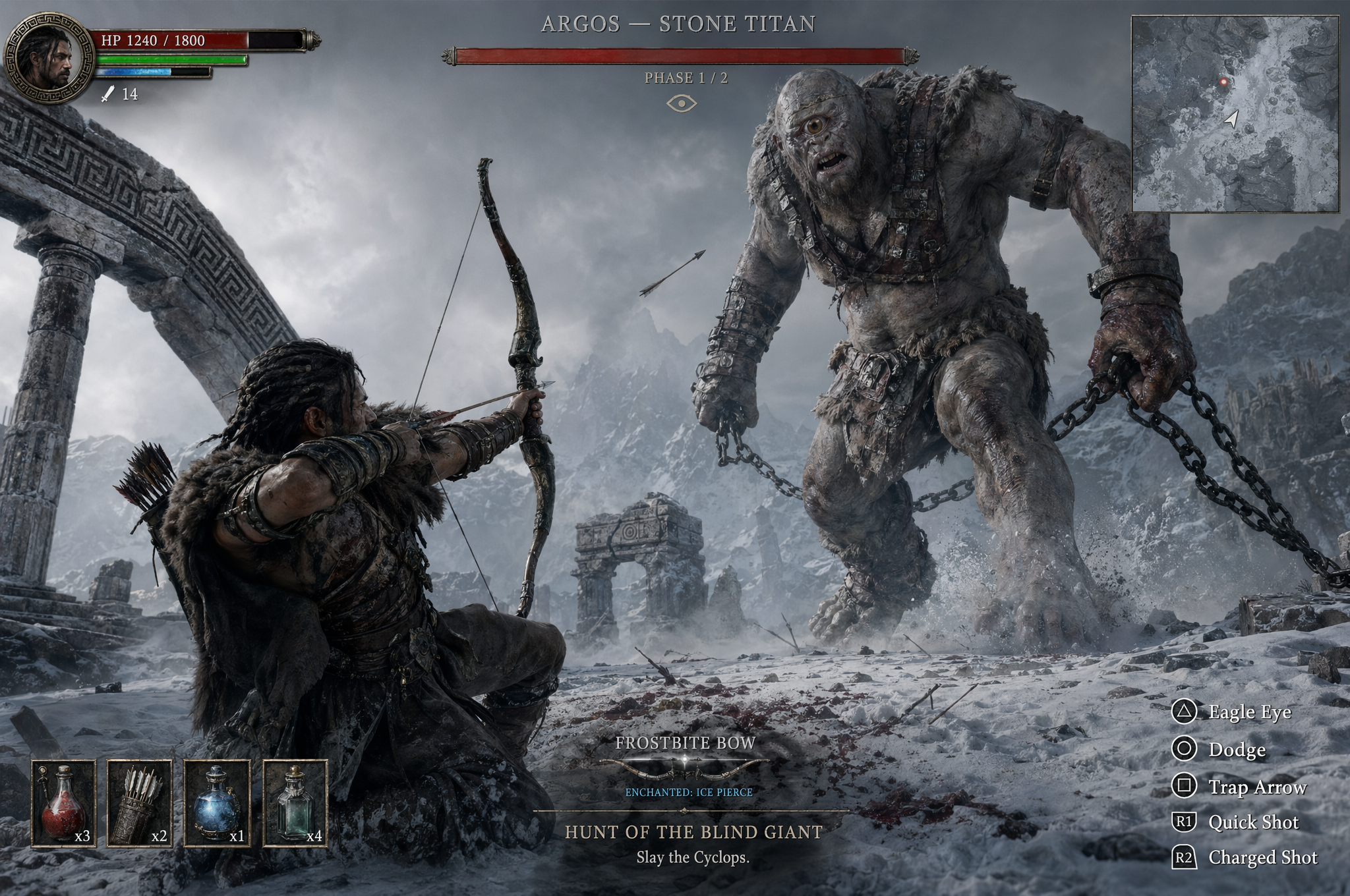
If you have spent even one afternoon generating AI video, you already know the pain. You nail a gorgeous establishing shot, your protagonist looks exactly right, and then the camera cuts and everything falls apart. The face shifts. The jacket changes color. The character who was serious for the opening frame is suddenly grinning in the next. This is character drift, and it is the single most frustrating obstacle standing between generative tools and genuinely watchable short films.
Multi-image fusion exists to solve that problem. Instead of describing a character with words and hoping for the best, you feed the tool several reference images of the same subject, and the model builds a shared identity from all of them. The result is a character who stays recognizably the same person from the first frame to the last, no matter how many shots, angles, or lighting setups you throw into the timeline.
This guide walks through what multi-image fusion actually does under the hood, why consistency keeps breaking with single references, how to prepare images the model can actually use, and a proven step-by-step pipeline for producing a coherent short with the same character in every scene.
Why Character Consistency Is So Hard in Generative Video
Diffusion-based video models are not thinking about a story. They are predicting pixel probabilities one noisy iteration at a time. When you ask for "a woman in a red coat walking across a rainy street," the model invents a woman who fits that prompt, but every new prompt, of a different angle or a different moment, leads it to invent a slightly different woman. There is no memory between generations unless you give the model something explicit to hold onto.
That is the root of the problem. A text prompt is a terrible identity anchor. It can describe how a character looks, but it cannot transmit the thousands of small details that make a face locally unique: the exact proportion of the jaw, the way one eyebrow sits higher, the specific color of the irises in direct sunlight versus tungsten light. Naming a famous actor helps, but it drags in legal and licensing problems and editorial fingerprints the moment you try to publish.
Single reference images help enormously, but they carry a weakness of their own. One photo only captures the subject from one angle and under one light. If the scene requires a profile shot, a back view, or a dramatic close-up, the model has to extrapolate parts of the face it never saw, and that is exactly where drift sneaks back in. Give the model the same person from four or five angles and it stops guessing, because it has enough geometric information to reason about the face as a three-dimensional object.
What Multi-Image Fusion Actually Does
Multi-image fusion is a preprocessing and conditioning step. Before the diffusion pass runs, the tool analyzes every reference image you supply, extracts identity features, and fuses them into a single reference signature for the character. Think of it less as stacking photos and more as building a composite avatar that the video model can call upon scene after scene.
The technical details vary by implementation, but the practical effect is consistent. The character reference becomes a stable conditioning input alongside your text prompt. When you prompt a new shot, the model generates with that identity baked in, so the face, proportions, hairstyle, and wardrobe stay recognizably the same even as the scene, camera angle, and emotion change.
Why a Single Reference Is Never Enough
A lone headshot gives the model a front-on view and not much else. The moment the storyboard calls for a dramatic three-quarter angle or a slow dolly around the subject, the model must reconstruct geometry it has never observed. It usually does that badly and defaults to generic features, which is why the character stops looking like them as soon as you move the camera.
Diversity of input is the real superpower of fusion. Front, three-quarter, profile, and a body shot together tell the model how the head connects to the neck, how the shoulders sit, and how the silhouette behaves in motion. Each image contributes a different set of facts, and the fuse combines them into a much richer, more robust identity.
Identity versus Style
It is worth drawing a line between identity and style, because the two are often confused. Identity is the stable anatomical and wardrobe fact of who the character is. Style is the mood, palette, and rendering approach of the whole production. Good fusion separates these concerns. You might lock a character identity once and then vary the lighting or the color grade from scene to scene without the character morphing.
Some pipelines push even further and fuse not just identity but a consistent visual style across a whole project. That is how you end up with an animated sequence where every shot shares the same line weight and palette even though the model generated each one independently.
Building a Reference Set the Model Can Actually Use
The quality of your fusion output is gated almost entirely by the quality of your reference images. Feed the model hurried snapshots and it will return a character who looks like a wax museum version of your intent. Spend a few extra minutes preparing references and the results are dramatically more coherent.
Start with Tight, Consistent Crops
Crop every reference so the character fills the frame in roughly the same way. Vary the framing deliberately, some headshots, some quarter shots, a full-body shot, but keep each image's composition clean and the subject centered. Removing background clutter tells the model exactly which pixels belong to the person and which belong to the environment.
Match Resolution and Aspect Where Possible
If the model has to upscale a tiny reference and use it alongside a large one, it will lean on the sharper image and may smooth out details from the low-res source. Resize everything to a consistent minimum resolution before submitting it. This sounds minor, but it reliably reduces the pixel-level inconsistencies that read as age or identity shifts in the final render.
Remove Motion Blur and Veils
A blurry reference is worse than no reference, because the model will happily reconstruct a false face to fill in the gaps. Use crisp, sharp images from the same shoot if you can. If your character is an illustrated original, render the reference set at a high resolution before feeding it in.
Aim for a Mix of Angles and Expressions
You want the fusion to learn the face in three dimensions and across a bit of emotional range. A neutral, a smile, a serious look, and a profile view together communicate structure and range. You do not need dozens; five to seven well-chosen, highly varied references outperform thirty that are nearly identical.
The Step-by-Step Consistent Character Workflow
With a clean reference set in hand, the workflow settles into five repeatable stages. Following them in order keeps every shot on the same character without sacrificing speed.
Lock the Identity Before You Write the Storyboard
Fuse your characters first and validate that the identity actually holds. Generate a quick test: the same character from three wildly different angles, and check that all three read as the same person. Do this before you invest hours in scene generation, because fixing identity at the start is cheap and fixing it after twenty shots is a redo of the whole project.
Generate the Master Character Sheet Once
Treat the fused reference as a project asset, like a character sheet in traditional animation. Produce a single canonical sheet of the character in neutral and action poses and reuse it across every scene. Consistency comes from returning to the same source rather than re-describing the character by hand each time.
Anchor Each Scene to the Same Reference
When you set up an individual shot, attach the same fused reference and only vary the text prompt for what changes in that moment: the setting, the action, the mood. Keep the wardrobe and identity language out of individual prompts because it is already in the reference.
Keep the First and Last Frames Alive
For sequences where a specific start and end matter, like a zoom into a character's face or a transition between locations, use a first-to-last frame control when your tool supports it. This gives the model a concrete target for the opening and closing composition and reduces mid-sequence drift toward whatever the model is most confident in.
Validate, Then Reuse
Every time the character appears, run a quick consistency check on eyes, hairline, and any facial marks. If a shot drifts, regenerate it rather than patching it in post. Regeneration is cheap; patching a drifted face into an otherwise good shot usually looks worse than a clean re-render.
Fusing Characters Across Emotion and Action
Consistency is not only about how the character looks standing still. It also has to survive the character speaking, fighting, crying, or running. Emotion and physical action demand larger facial deformation, and that is where weak fusion collapses first.
The trick is to keep the emotion and the motion out of the identity reference and in the scene prompt. Your reference should show the character relatively neutral and geometrically complete. Then, in each scene prompt, you direct the performance: "she looks worried and glances off-screen," "he laughs and turns to camera." The model maps that expression onto the locked identity instead of inventing a whole new face for every mood.
When characters interact, generate them against the same fused identities and let the scene prompt describe the relationship and the action. If the two identities are strong enough, they will hold individually even in a shared frame. Problems usually trace back to one of the characters having a thin reference set, so invest the extra effort in characters with the most screen time.
Using Fusion for Wardrobe and Prop Consistency
Character consistency is only half of the story. The same trick works for the objects and wardrobe that define a scene. A signature coat, a specific vehicle, or a hero prop can be fused into a reusable reference in exactly the same way, and doing so keeps them from morphing across cuts.
This is especially valuable for products and tutorials, where the thing being shown has to remain recognizable. Fuse the product once, generate it in different settings and angles, and it will render as the same object rather than a fresh interpretation each time. It is a small habit with a large payoff for brand work.
When Multi-Image Fusion Is Not Enough
Fusion is a major step forward, but it is not magic. Very long sequences, fast-paced montage edits, or scenes with extreme perspective changes can still push a fused identity past its limit. If you hit a stubborn shot, fall back on a few pragmatic fixes rather than banging against the same prompt.
First, composite the problem shot by generating the character and the background separately, then stitch them. Second, upscale and re-project the reference to match the target camera angle before regenerating. Third, and often best, accept a stylistic edit: a cut that moves the action forward while masking the part of the frame where drift is most likely. Experienced AI editors treat drift like a reality of the medium and design shots that are robust to it.
FAQ
How many reference images do I need for a reliable character fusion?
Five to seven well-diversified images is the practical sweet spot. More matters less than variety; a single angle shot from a dozen nearly identical images adds almost nothing over one good shot.
Can I use photos of a real person I know?
That depends on consent and your platform's terms. For commercial or published work, use your own photography, fictional original characters, or clearly licensed material. Never imply a real person endorses a product they have not agreed to represent.
Does fusion work for animated or cartoon characters, or only realistic ones?
It works for both. Stylized characters actually fuse well because their proportions are more consistent and forgiving. The same preparation rules apply: varied angles, sharp frames, consistent crops.
Why does my character still change hair color between shots?
Hair is one of the first things to drift because it has little geometric structure and is heavily influenced by lighting. Lock the hair color and style explicitly in the reference set and keep the wording identical in scene prompts. If it persists, use a first-frame anchor for that shot.
Is multi-image fusion slower than a plain text prompt?
Normally yes, because it adds a preprocessing and conditioning step, but the difference is usually small. The time you save in retries, because shots come out right the first time, easily offsets the per-generation overhead.
Final Thoughts
Character consistency is the difference between an AI video that feels like a prototype and one that feels like a short film. Multi-image fusion is the most direct path to that consistency, because it works the way production actually works: you design a character once and carry that design through every scene.
The workflow is simple to adopt. Build a diverse, sharp reference set. Fuse it into a reusable identity asset. Anchor every scene to that same reference, keep emotion and action in the prompt, and validate as you go. Do that and the hardest problem in generative narrative, keeping one face believable across many cuts, starts to feel routine.
The best first step is small. Take the character you have been fighting with, assemble five good references, fuse them, and run a three-angle test. When all three shots finally look like the same person, you will understand immediately why consistency is now the thing that separates serious AI filmmakers from everyone else. Building that habit is the fastest way to get there.
