
Unlocking Consistency: Multi-Image Fusion for Cinematic Storytelling in AI Video
Aug 4, 2026

The Consistency Problem in AI Video
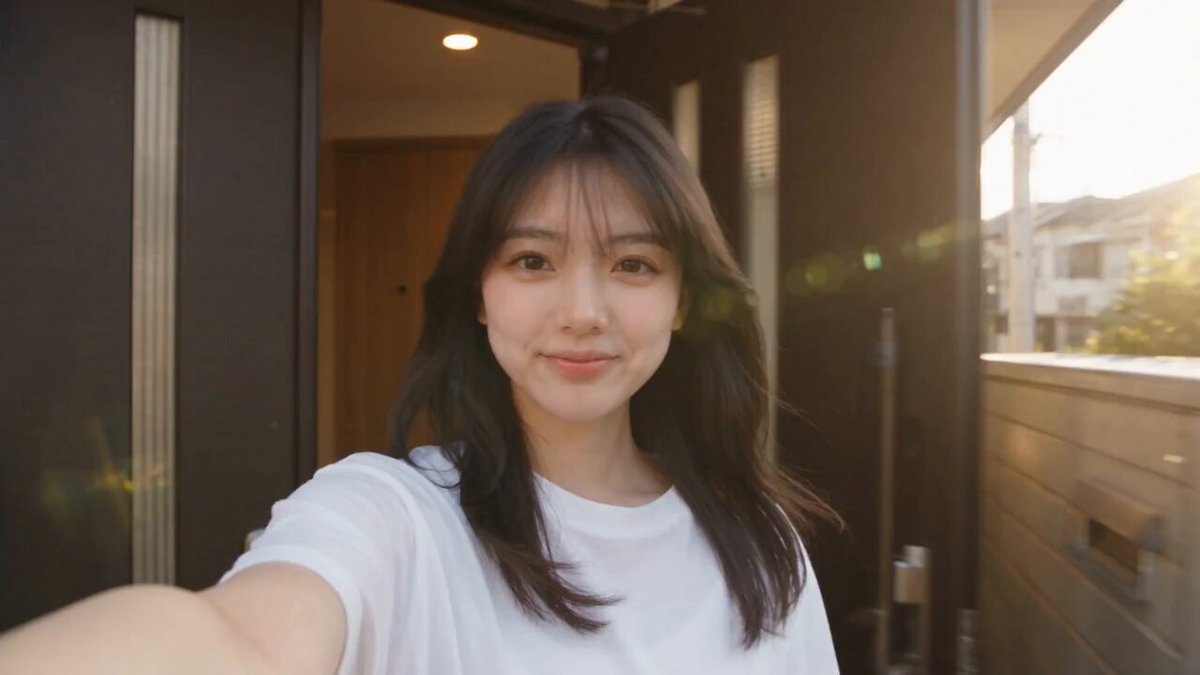
If you've ever tried creating a multi-scene story with AI video tools, you've encountered the same frustration: your character looks slightly different in every shot. This visual drift breaks immersion and makes professional storytelling nearly impossible.
Multi-image fusion technology directly addresses this bottleneck. By analyzing multiple reference images, the system creates a persistent identity vector that locks in facial structure, costume details, and texture properties across all generated scenes.
How Multi-Image Fusion Works
At its core, multi-image fusion uses reference keyframes as hard constraints in the generation process. Instead of relying solely on text prompts — which are inherently ambiguous across sequential operations — the system maps facial landmarks, proportional measurements, and material properties from your uploaded character images.
This identity vector then guides every subsequent generation step, regardless of which AI model you switch to. The same character's unique jacket insignia, hairstyle, and bone structure persist whether you're generating in bright daylight or a dimly lit interior.
Cross-Model Consistency
One of the most powerful applications is maintaining character fidelity when switching between models optimized for different tasks. You might use a photorealistic model for establishing shots, then switch to a stylized model for action sequences. Without fusion, this transition invariably produces subtle but jarring changes.
Platforms that support AI video generation with integrated fusion technology handle this as an interoperability layer. The identity vector forces each model to prioritize locked visual data over its default aesthetic biases.
Practical Applications
Serialized Content Creation
For creators building episodic content, consistency is non-negotiable. Viewers need to recognize characters instantly, whether they appear in episode 1 or episode 10. Multi-image fusion makes this achievable without tedious manual correction.
Brand Storytelling
Brand mascots and recurring characters in marketing campaigns benefit enormously from fusion technology. When you invest in AI image generation to create a distinctive character, fusion ensures that visual identity remains intact across every piece of content.
Advanced Control Features
Modern AI video platforms now support first-frame to last-frame control, allowing you to specify exact poses for entry and exit points while the AI handles the transitional motion. When combined with fusion, this delivers precise cinematic results that were previously impossible without traditional animation techniques.
Building Your Consistent Character Pipeline
To get started with multi-image fusion:
- Prepare 3-5 clear reference images of your character showing different angles and expressions
- Upload them as the fusion reference set
- Generate your scenes, confident that character identity will persist
For the highest quality results, pair your consistent characters with models like Seedance 2.0 for cinematic motion, or GPT Image 2 for detailed reference image generation.
The Future of AI Storytelling
Multi-image fusion represents a fundamental shift from "generating clips" to "producing stories." The technology turns AI video from a novelty into a serious production tool. As models continue improving in photorealism and motion quality, visual consistency will be the dividing line between amateur experiments and professional work.

Alexander
More Blogs
Read MoreVidu Q4 Alternatives: 4K AI Video Models Compared (2026)
Vidu Q4 alternatives compared: Kling 4.0, Seedance 2.5, Wan 3.0, and Runway Gen-4 — 4K support, input modes, durations, audio, and what each costs in credits on Domer.
Top 4K AI Image Generators in 2026: 5 Models Compared on Real Costs
The top 4K AI image generators on Domer compared: Flux 3 Klein, Nano Banana 2.1, GPT Image 2.5, GPT Image 2, and Nano Banana Pro — 4K credit costs, reference limits, and speed.
Nano Banana 2.1 vs GPT Image 2.5: Which Image Model Should You Use? (2026)
Nano Banana 2.1 vs GPT Image 2.5 Flare compared: credit costs per resolution, aspect ratios, reference images, text rendering, and which tasks fit each model.