
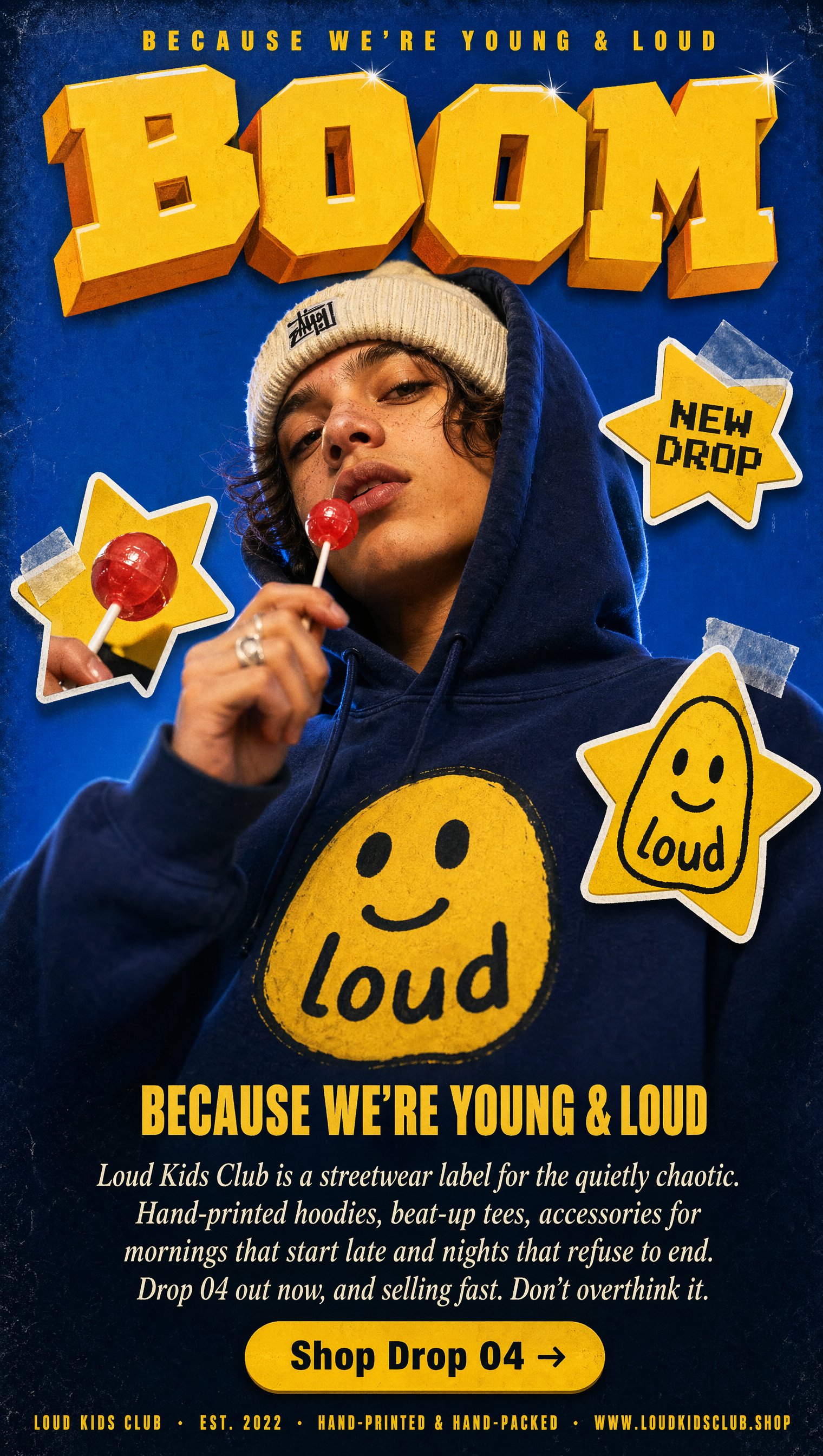
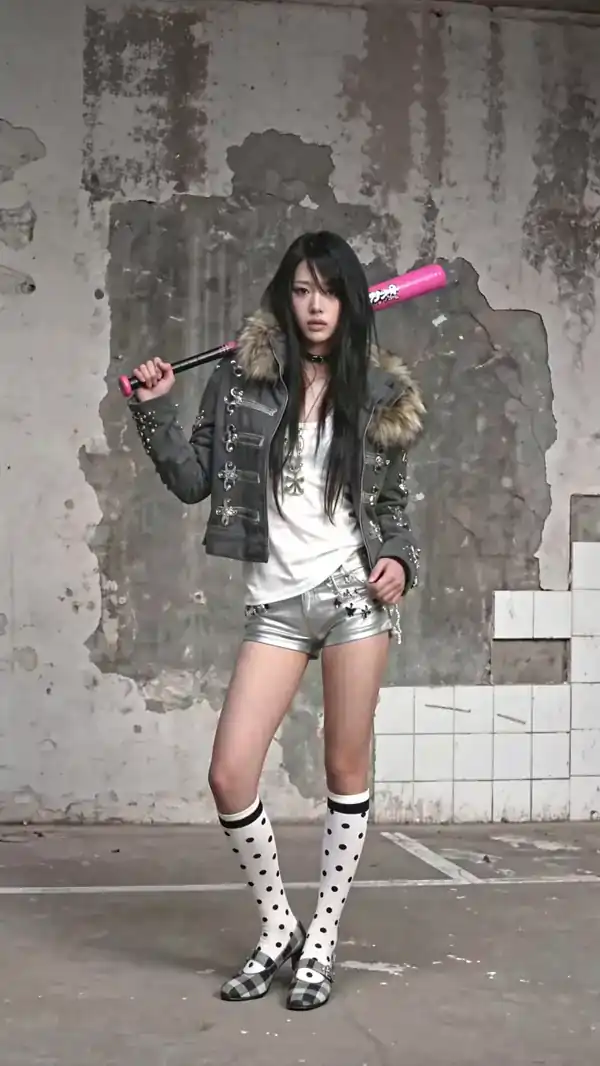
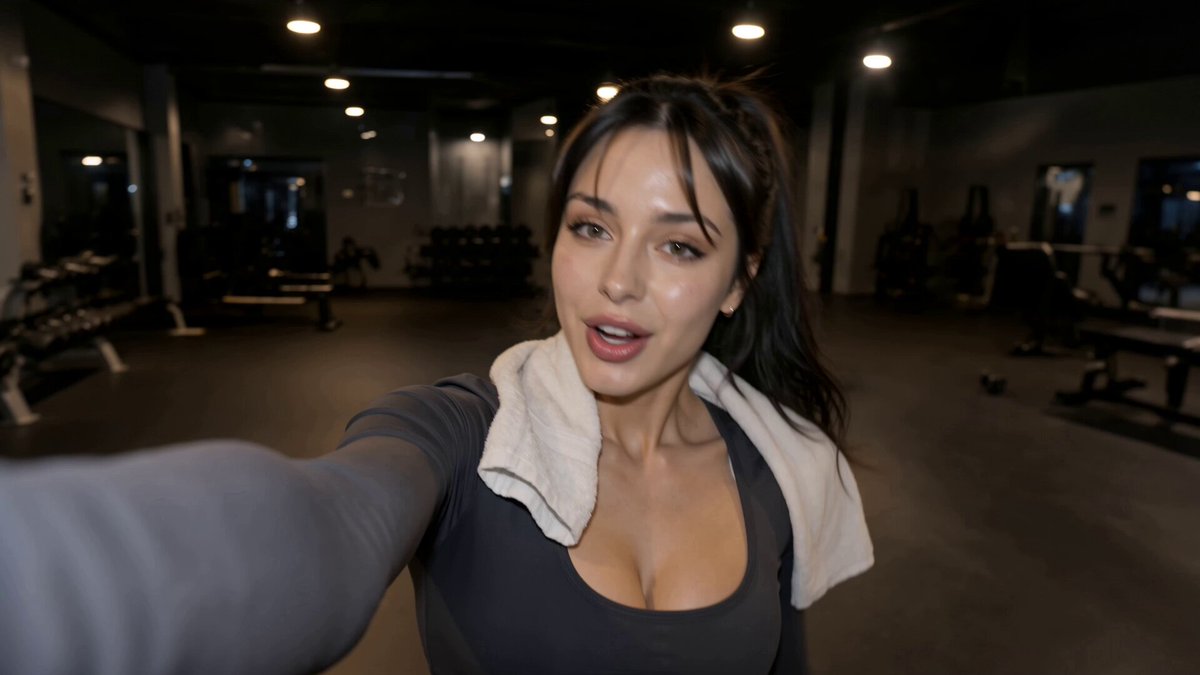
In modern marketing, a static product photo only gets you so far. Every feed is full of moving image: reels, boosted posts, shoppable videos, and story ads. Consumers scroll quickly, and motion stops the thumb in a way a still image rarely does. That is why marketers have started turning the photography they already own into video, and generative AI has made that transformation fast, affordable, and remarkably convincing.
This guide is for marketers who want to convert static brand assets into motion content. We will look at how the technology evolved, the concrete benefits of animating your existing photos, the trade-offs between different tools and models, and a repeatable workflow you can use to produce ad creative without hiring a full production crew.
Why Motion Is Now the Default for Performance Marketing
Attention is scarce, and marketing teams are measured on engagement. Video has consistently outperformed static imagery at holding attention and driving action, but traditional video production is slow and expensive. The mismatch between the demand for videos and the cost of making them is exactly the gap that AI-driven image-to-video now fills.
By converting a catalog photo into a short animate clip, a brand can multiply the creative assets available for testing without reshooting a single scene. The same product can appear in dozens of motion variations, each with different framing, pacing, or emphasis, giving the media team more material to test at a fraction of the cost of a studio day. This turns the photo library from an archive into a creative engine.
The Strategic Benefits of Animating Brand Imagery
Moving from still to video is not merely cosmetic. It changes what the content can communicate and where it works.
Preserving Brand Identity Under Motion
Because the source is your own photography, the product, its color, and its packaging stay exact. When you animate a brand's actual photos, you avoid the problem of an AI inventing a slightly wrong logo or a product that does not look quite right. Fidelity to the original asset is precisely what makes image-to-video safe for brand work.
Generating More Creative Variation for Testing
Performance marketing is a testing game. Every variation you can run is a chance to learn what the audience prefers. With animation, a single photo can be turned into multiple motion concepts: a subtle product spin, a lifestyle scene, a slow cinematic push, or a fast energetic loop. More variations mean a faster, lower-cost learning cycle.
Accelerating Campaign Turnaround
Written copy prompts for an urgent campaign can be tied to animated assets within hours instead of weeks. When a brand needs fresh creative quickly, for a seasonal sale or a trending moment, the ability to repurpose existing visuals removes the bottleneck of scheduling a shoot and waiting for edits. Speed matters most when the window is short.
How the Technology Moved From Static to Dynamic
The current generation of tools did not arrive overnight. It built on years of advances in image generation, motion modeling, and multimodal understanding. The breakthrough that matters for marketers is the move from text-only creation to image-first transformation. Instead of describing a scene from nothing, the model begins with a photograph it must treat as ground truth and then animates it.
This shift made the results more reliable for brand use. Where earlier approaches might invent details, image-to-video is constrained to honor what the input shows. The tools now understand the relationship between the subject and the movement, hold identities across frames, and produce physically plausible motion, all while leaving the brand elements intact.
The Creative Process for a Brand Campaign
Here is a dependable creative workflow that works across the main image-to-video tools.
Start With a Strong, Clean Asset
The quality of the animation is capped by the quality of the input photo. Choose hero shots with clean backgrounds, good lighting, and a clear subject. Crop to the composition you want to animate, and clean up distracting clutter before you begin. The time you invest in the source image is repaid across every frame.
Define the Motion Before You Generate
Decide what the product or scene should do. A favorite pattern is a slow camera push toward the product, a subtle zoom that adds life without overwhelming the copy, or a gentle sway that suggests motion in an otherwise calm scene. Write the motion direction clearly, including the mood and what should remain stable, so the model has little ambiguity to fill.
Build a Small Set of On-Brand Variations
Generate a handful of intentional variations for each hero photo rather than one gamble. Compare them for how well they preserve the brand, how natural the motion feels, and whether they leave room for the copy and captions you will place. Testing a few controlled options is faster than regenerating from scratch.
Keep the Brand Elements Untouched
When you review each take, look closely at the logo, the packaging, and the color fidelity. If any brand element drifts, adjust the reference and regenerate. A motion ad that subtly alters a logo is a reputation risk, not just a technical flaw, so quality control on brand elements is non-negotiable.
Cut, Caption, and Export for the Platform
Once you have a clean animated take, finish it like any other piece of social content: trim the pacing to fit the platform, add legible captions for silent viewing, place your call to action, and export at the highest resolution your budget allows. The animation is the centerpiece, but the finishing touches are what make it perform.
Comparing Tools on Cost, Quality, and Control
Choosing a tool for marketing animation is a matter of matching cost to the stakes of each deliverable. For hero assets that carry a large media budget, it is worth using a premium model with the best fidelity and control, even if it costs more per generation. For routine variations and social testing, an efficient model that produces good results quickly keeps the economics favorable.
A practical pattern is to prototype on the faster, cheaper tier to validate concepts, then render the selected concepts on the stronger tier for the final files. This balances output quality against the reality of a marketing budget and lets you scale production without breaking the creative bank.
Building a Repeatable Campaign Workflow
Turning the technique into a dependable process means standardizing how you move from asset to finished ad. Start by keeping a well-organized library of your strongest hero photography, since clean, consistent source images are what make animation reliable. Define a short set of go-to motion concepts, a slow push, a product glow, a subtle sway, that are on-brand and proven to work, so you do not start from scratch for every campaign. From each hero photo, generate a small set of controlled variations, then take the strongest takes through the polish stage: captioning, pacing, color balancing, and adding the call to action. Finally, track how each variation performs and feed that learning back into the next batch. Over a few cycles, this loop turns ad production from a scramble into a predictable pipeline.
Measuring Results and Scaling What Works
Animation multiplies creative volume, which only matters if you use the volume to learn. Treat every published variation as part of an experiment. After a few days, compare performance across the animated concepts you ran, looking at engagement, click-through, and any conversion signals your platform provides. The variation that wins becomes a template: match the motion style, the pacing, and the caption approach in future assets. Scaling what works beats generating endless novelty, because consistency built on evidence compounds faster than luck ever did.
Making Each Platform Feel Native
A single animated asset can travel across platforms, but a little tailoring goes a long way. On short-feed platforms, favor vertical framing, bold legible captions, and a hook in the first second, because viewers scroll quickly with sound off. On longer-form or shoppable surfaces, you can afford a slightly slower push that lets the product and its context breathe. Always confirm the platform's preferred aspect ratio and keep the call to action clear and easy to find. Native-feeling creative performs better and reflects better on the brand than a one-size-fits-all export that looks pasted in.
Common Mistakes in Marketing Animation
- Animating low-quality source photos, which caps every result. Lead with strong visuals.
- Letting the model alter brand elements, which requires strict reference control and careful review.
- Generating without a motion concept, which produces generic or unusable motion. Write the direction first.
- Skipping captions and copy space, which hurts performance on silent, autoplaying feeds.
- Scaling creative without testing, which wastes the advantage of cheap variation. Let data pick the winners.
Working With a Team or Freelancer
Once the workflow is established, it is easy to hand to a team or outside help. Write the motion concepts, the brand rules, and the quality bar down in a short brief so anyone can follow the process. Establish a review step focused specifically on brand fidelity, because an external editor is less likely to catch a slightly drifted logo. Keep the hero photo library organized and versioned so everyone pulls from the same source. With a clear brief and a standard review, you can scale production by adding people, not by repeating the same conversations.
Practical Cost Control for Busy Brands
Even a favorable workflow can drift if no one watches the spend. Set a rule for how many variations are worth testing per hero asset, and resist iterating indefinitely on a single take. Separate experimentation from finishing: prototype freely on the cheap tier, but consolidate to a few best candidates before spending on premium renders. Review the cost per published asset periodically, and revisit whether premium renders are earning their keep on the surfaces where they are used. Keeping the economics explicit prevents animation from quietly becoming an expensive habit rather than an efficient one.
Frequently Asked Questions
Do I need to reshoot my product photos for this to work? Not necessarily. Strong existing photography often animates cleanly. For the best results, use shots with a clear subject, even lighting, and minimal clutter, and clean them up before generating.
Can I really test enough variations to justify the effort? Yes. Because animating an existing photo is fast and affordable, a single hero image can produce a small batch of distinct motion concepts for a fraction of the cost of one studio shoot. That is precisely the advantage of the technique for teams that live on creative testing.
How much better does an animated asset perform than a still? Motion consistently holds attention longer than a static image in most feeds, though the exact lift varies by category and platform. The strongest reason to test it is exactly that it is cheap to run and the data on your own audience, not averages, will tell you what it is worth.
Will animated product video work for performance ads? Yes, when done well. Motion content tends to hold attention longer than stills, and a short, clean animated loop with legible captions is a proven format for boosted ads and social campaigns.
Is image-to-video more expensive than video for paid media? It depends. For simple variations, AI-produced motion is far cheaper than a studio shoot. For hero, brand-defining assets, a polished traditional production may still be worth the cost. Match the production method to the stake of the asset.
How do I keep the brand consistent across many variations? Use the same hero photography, the same style language, and strict quality control on logos and colors. Consistency comes from controlling the references, not from hoping the model repeats itself.
Final Thoughts
The shift from photo to video is one of the most useful capabilities a marketing team can adopt. By animating photography you already own, you get brand-faithful motion that stops the scroll, more creative to test, and faster campaign turnaround, all without the cost and delay of traditional production. Approach it like any craft: start with strong assets, write a clear motion concept, protect the brand elements, and let performance data guide which variations get scaled.
