



Short-form video has become the most contested real estate on the internet. Feeds overflow with content competing for the same thumb, the same scroll, the same three seconds of attention. For a creator or a brand, the painful reality is that making a good video is no longer enough. You have to make one that the algorithm notices, categorizes, and surfaces to the right people. That is what reel video SEO means: not just making content, but making it discoverable.
The old advice — "post consistently and add lots of hashtags" — was always thin, and it is actively counterproductive now. Platforms have moved toward semantic understanding of video, and their ranking signals have grown more sophisticated. The creators who win are the ones who treat their videos like assets that must be indexed, understood, and matched to audience intent. This guide breaks the whole process into the parts you can actually control: engagement signals, metadata, thumbnails, audio, and the AI-assisted production that lets you keep up at scale.
How short-form ranking actually works
It is tempting to imagine a single "feed algorithm" quietly picking winners. The reality is messier and more useful to understand. Platforms combine many signals into a relevance score per viewer, and they constantly test. What matters is not that one mysterious metric moves, but that the platform associates your content with the right queries and the right audiences.
The biggest shift is from counting views to measuring behavior. A view that ends in two seconds taught the platform that your video disappointed someone; a video watched to the end, and rewound, tells it the opposite. This is why two videos with identical reach can diverge dramatically in subsequent distribution — one earned its way forward, the other did not.
There is also a strong discovery component that behaves like traditional search. Semantic search within these platforms means the words in your caption, your on-screen text, and even the audio captions help the system understand what your video is about. Optimizing for that matching is where reel video SEO meets classic SEO thinking.
Engagement signals that actually matter
Stop chasing views as a vanity number. The signals with the strongest influence on distribution are behavioral and indicate whether your content satisfied the person who consumed it:
- Completion rate. How much of the video people watch is the single most powerful signal. It tells the platform the video was not a bait-and-switch.
- Re-watch rate. People replaying your video is a gold signal. It suggests genuine interest or satisfying craft, not just curiosity.
- Reaction depth. Saves, shares, and comments (especially meaningful ones) weigh far more than a passive like. People saving a video are telling the platform it deserves another audience.
- Dwell time. How long someone stays on your account after finishing the video signals that your content builds an audience, not just a hit.
You cannot hack completion and re-watch rates the way you might game a like count. You have to earn them through structure: deliver value early, hold it, and resolve the promise you set up in the first seconds. The good news is that this is also just better content craft, which compounds across platforms.
Metadata: the language the platform understands
If behavioral signals tell the platform people liked your video, metadata tells it what your video is about. When the platform moves to semantic search, the words around your video are how it builds that understanding.
Think of metadata as having several layers, each with a job:
- The caption. It should state plainly what the video is about and include the key terms a searching viewer would use. Natural, specific language beats keyword-stuffed strings.
- On-screen text. Text burned into the frame is readable by the platform and reinforces the topic, especially for silent or muted viewing which is extremely common.
- Hashtags. Use a handful of relevant tags, not a long tail of irrelevant ones. A few that genuinely describe the niche outperform twenty that pad reach.
- Audio and voice. The spoken words and the audio captions can be indexed. If your video has dialogue, make sure the system can understand it clearly.
For AI-generated videos, the lesson is to be explicit. The platform needs to classify content that was synthesized, so the metadata has to carry more of the semantic load. Describe the subject, the format, and the purpose clearly in the caption and on-screen text.
Thumbnails: the first and sometimes last impression
For discoverable short-form content, the first frame and the thumbnail are the cover of your book. People judge whether to start watching in a fraction of a second, and that single decision determines whether all your careful metadata work even gets a chance.
A strong thumbnail is not about noise — it is about a clear promise. Show the subject clearly, use high contrast, keep text minimal and readable, and convey what the video will deliver. A face with a clear emotion, a striking object, or a bold visual hook tends to outperform clutter.
Crucially, the thumbnail should match the content behind it. A bait thumbnail might get the click, but it guarantees a poor completion rate, and the platform rewards neither. The thumbnail and the first few seconds must deliver the same promise, because both feed the same behavioral signals.
Audio and music: the forgotten SEO lever
Audio is one of the most under-leveraged ranking signals in short-form video. Trending audio can plug you into a wave of discovery around a shared sound, and original or well-selected audio gives the platform rich information about your content.
There are two distinct audio strategies. Riding trending sounds puts you in front of audiences already exploring that audio, at the cost of blending into a crowd. Using distinctive original audio or a well-chosen track aligned to your niche helps the platform differentiate you and can protect against the "same as everyone else" penalty.
Sound design is also part of the behavioral story. A video with clean, engaging audio holds attention longer and feels more professional. Muted-silent, poorly mixed audio is a subtle but real drag on completion, which makes it a ranking problem, not just a quality problem.
Producing at the pace the algorithm rewards
Short-form platforms reward consistency because they want to know you are reliable enough to become a regular part of a feed. But many creators cannot sustain the volume with manual production. This is where AI-assisted workflows change the game.
Scripting ideas, generating supporting visuals, drafting captions, and assembling b-roll at speed are all tasks where smart tooling collapses hours into minutes. The point is not to automate away your voice but to remove the mechanical bottleneck between an idea and a finished, consistent post. A creator who can reliably ship quality content at a steady rhythm has a structural advantage purely from output.
The risk to watch is inconsistency. Sporadic posting confuses the platform's model of you. A realistic, maintainable cadence you can hit every week beats an ambitious sprint that collapses. Volume matters, but sustainable, coherent volume is what earns the compounding.
Visual consistency across your content chain
When someone discovers one video and slides into your profile, they should sense a coherent world. Visual consistency — a shared color palette, recurring framing, a recognizable on-screen style — turns a collection of videos into a brand. It also helps the platform classify your content as belonging together, which reinforces your niche position.
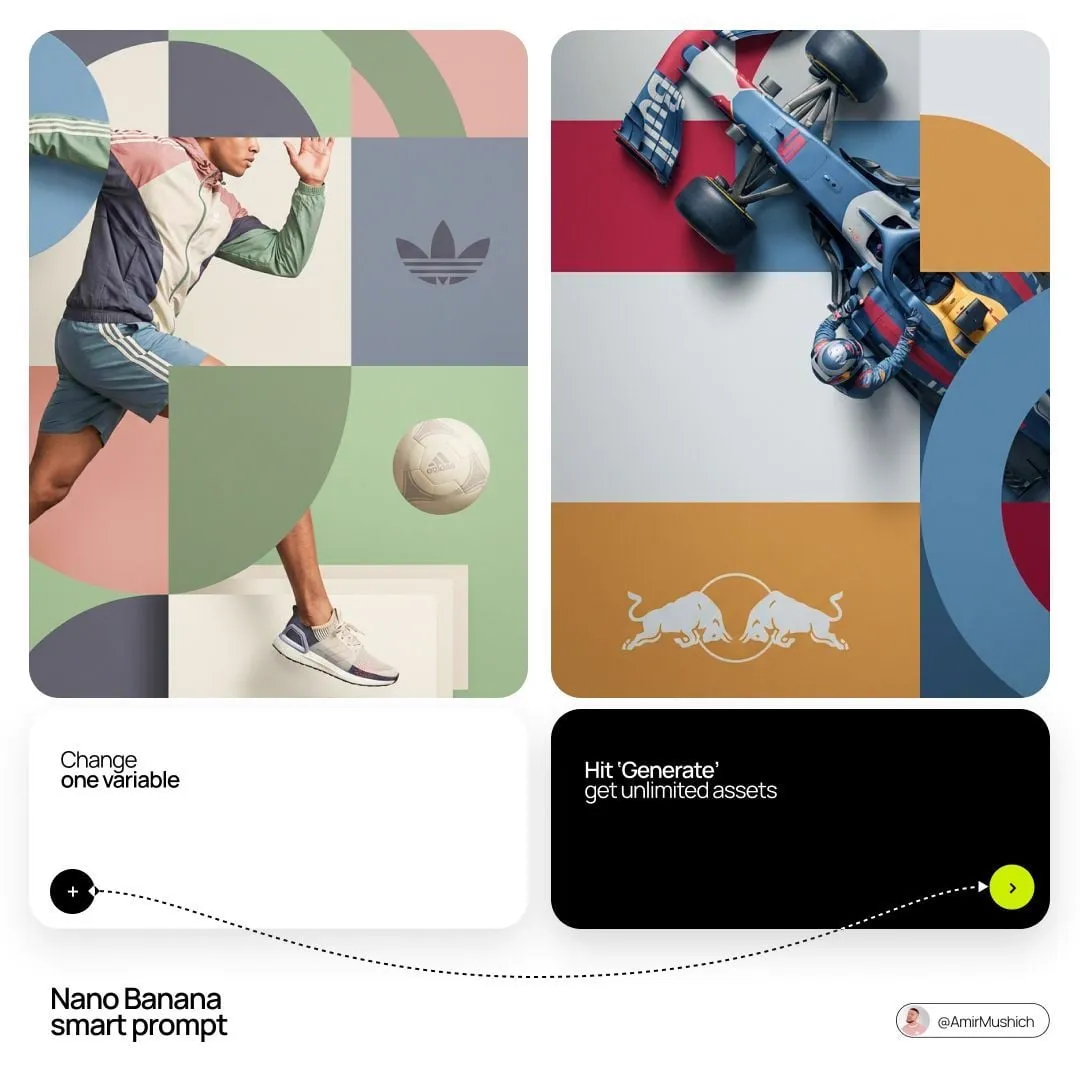
Keep the essential elements recognizable across your entire chain of content. A palette, a type treatment, an intro beat, a host of recurring formats. This consistency is not about sameness; it is about a clear, learnable identity. When both human viewers and the algorithm can predict what you stand for, discoverability gets a compounding boost.
Building an audience, not chasing a single hit
A single viral video is a nice day; an audience is a business. The optimization habits that work for short-form SEO are the same ones that turn one-off view counts into a dependable following, and it is worth keeping the distinction in mind.
Hits are frequently driven by luck or a momentary trend and do not reliably transfer attention to your future work. An audience forms when viewers come to trust that your next video will meet the same expectation you set last time. That trust is built from every signal this guide covers working together: a clear promise delivered in the first seconds, honest metadata, a recognizable thumbnail, distinctive audio, and a consistent visual identity. Each video either reinforces that expectation or chips away at it.
Practical consequence: optimize for the people who return, not for the exhausted single-scroll. Prioritize the commenters who ask follow-up questions over the passive likes. Reward re-watchable structure over cheap front-loaded shock. When you make content that a returning viewer actively wants, the behavioral signals the platform studies — completion, re-watch, saves, shares — improve as a side effect, which then widens your reach and brings in the next cohort of returning viewers. That flywheel is the real engine of sustainable short-form success, and no amount of hashtag tuning can substitute for it.
A working optimization loop
- Research the niche. See what already performs, whether the pattern is underserved, and which format the audience favors.
- Design the video around a single clear promise. One topic, one value, one payoff.
- Write the metadata first. Caption, on-screen text, tags, and a thumbnail concept that all agree on the topic.
- Earn the signals. Front-load value, respect the viewer's time, and deliver the promise you set up.
- Publish and observe. Look at completion, re-watch, saves, and shares, not just views.
- Iterate on the pattern, not everything. Improve one variable per batch so you can learn what moves the numbers.
Treat each video as an experiment with a hypothesis. The creators who improve fastest are the ones measuring behavior, not just refreshing their feed all day.
Common mistakes in short-form SEO
- Chasing hashtag volume. Twenty irrelevant tags dilute your topic signal. Use a focused few.
- Bait thumbnails. They buy a click and cost a completion, which is a net loss.
- Ignoring on-screen text. Muters and skimmers rely on text to understand the video; the platform reads it too.
- Posting sporadically. Inconsistent cadence confuses the platform's model of you.
- Forgetting the first three seconds. If the hook fails, nothing else in the video matters.
- Sacrificing consistency for volume. A chaotic profile undercuts the niche position the algorithm is trying to build for you.
Each of these is a self-inflicted penalty you can remove without better production values. Fixing them is usually the fastest path to improved distribution.
Frequently asked questions
Does hashtag quantity matter? Relevance matters more than quantity. A few accurate tags beat a long, irrelevant list.
Is completion rate really that important? It is one of the strongest behavioral signals platforms use. It rewards videos that keep their promise.
Do I need to use trending audio? Not necessarily. Trending audio helps you ride a wave but can also bury you; distinctive audio can differentiate you.
Can AI help with reel video SEO? Yes, especially for production volume, captions, and metadata — the parts that keep you consistent at scale. Your voice still earns attention.
How often should I post? A cadence you can sustain and keep consistent matters more than the raw number. Regular beats sporadic.
Turning optimization into a habit
Reel video SEO sounds technical, but most of it reduces to a handful of behaviors you can make habitual. Lead with a clear promise and deliver it in the first seconds. Earn completion through structure, not tricks. Write metadata that honestly describes the video. Build a thumbnail and audio that reinforce the same topic. And keep a sustainable, consistent cadence — leaning on AI for the repetitive production work so nothing slips.
The creators winning in saturated feeds are not the ones with the most expensive gear or the most mysterious secrets. They are the ones who read the signals correctly, serve the viewer genuinely, and repeat that loop at a steady pace. That combination is learnable, and once it becomes habit, discoverability stops being a lottery and starts being a predictable outcome of good, well-understood content.
