
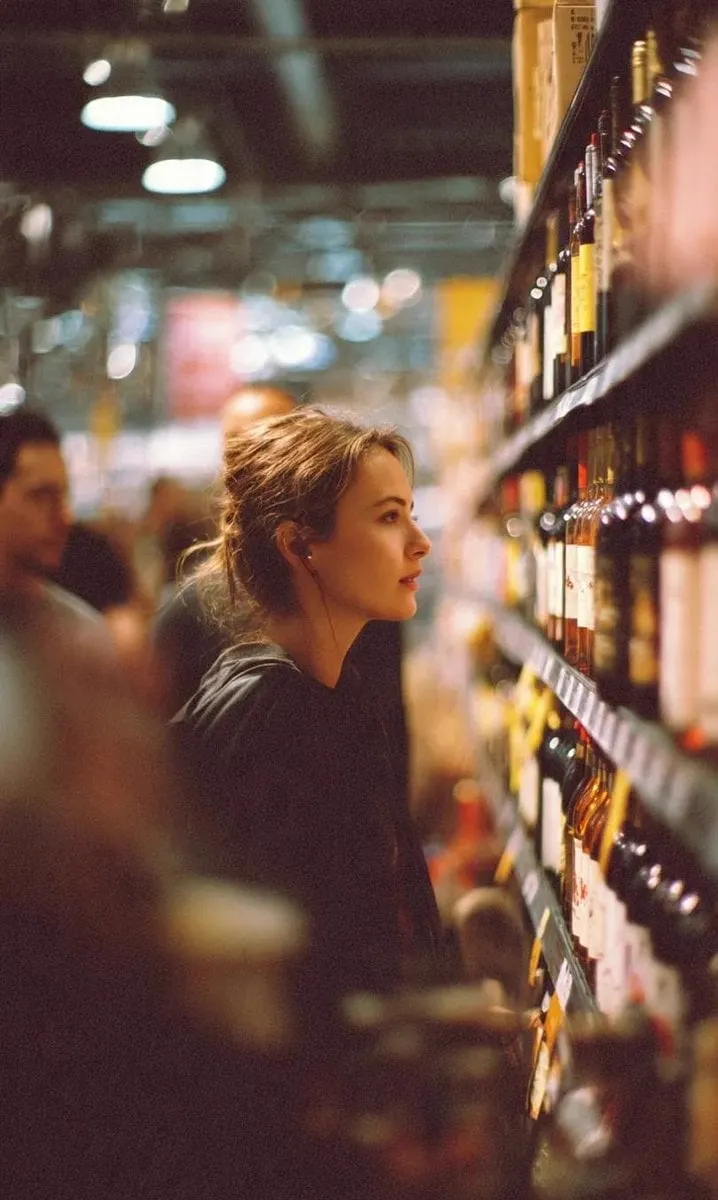
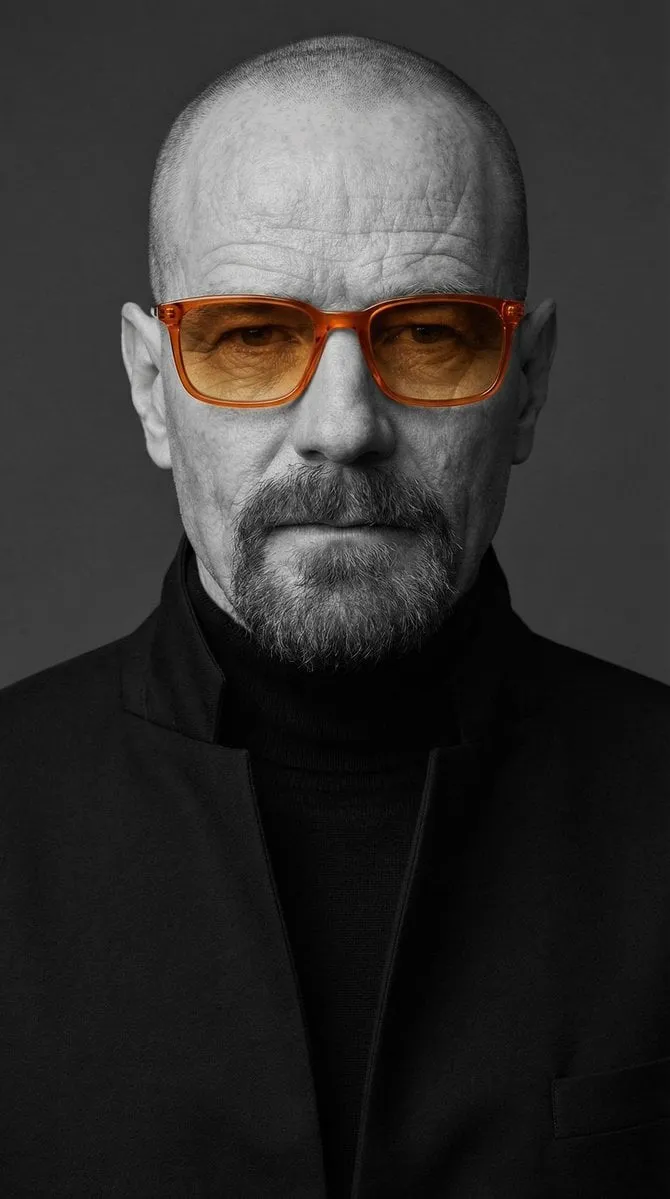

Prompts can do a lot, but they run out of steam when every model trained on the same internet produces the same glossy, similar-looking footage. The output starts to feel interchangeable, and originality becomes the rarest thing a creator can offer. Getting a genuinely distinctive look means moving past the prompt and taking control of the visual itself at the pixel level. This article explores a set of techniques, loosely grouped under the idea of pixel processing, that let you impose your own aesthetic on AI video rather than accepting whatever the model defaults to.
Why the prompt stops being enough
Understand the limitation first, and the solution will make sense. A generative model does not invent its look from nothing. It samples from the distribution of images it was trained on. When you prompt for "cinematic," you are steering within a well-worn region of that space, and so is every other creator using the same words. The result is a familiar sameness.
Breaking out of that sameness requires you to intervene in the generation process itself, at the level where the model builds the image, rather than only in the words that guide it. That intervention is what we call pixel processing: deliberate, structured constraints on how the visual is assembled so the finished video carries a stamp that is yours.
Understanding the latent space and a model's fingerprint
Every generative model works in a compressed mathematical space called the latent space. The model starts from Gaussian noise and, guided by your prompt, denoises it into a coherent image by moving through this space step by step. In video, it repeats that journey across a timeline while trying to keep the content consistent from frame to frame.
This machinery explains two things you have noticed. First, why different models visibly differ: each has a characteristic fingerprint in how it denoises, producing telltale lighting, texture, and motion signatures. Second, why model-specific "hand of the artist" artifacts exist. Once you can recognize a model's fingerprint, you can also learn to override or reshape it.
Pixel processing as hierarchical control
Think of pixel processing as building your image the way you would build with blocks. Instead of accepting what the model gives you wholesale, you define constraints at multiple levels: a palette, a texture rule, a camera discipline, a grain recipe. Each constraint narrows the model's freedom, and together they add up to a consistent, recognizable style.
Style palettes as the foundation
A style palette is a fixed set of decisions about color, light, and grain that you reuse across every frame and every shot. It is the aesthetic anchor, and it works with any underlying model because it constrains the output rather than rewriting it. Lock your palette first; everything else becomes easier.
Grain, texture, and materials
The difference between cheap and premium footage often lives in texture. Applying a deliberate grain recipe, a specific film stock feel, a matte or glossy material treatment, gives footage a physical quality that pure photorealism lacks. A dry, tactile grain is one of the fastest ways to make AI footage feel intentional.
Camera discipline
Consistency in camera behavior is a free style upgrade. If you decide that every shot in a project uses slow, deliberate moves and a locked horizon, viewers begin to recognize your framing even without seeing a logo. Camera language becomes part of your brand.
Making characters consistent with multi-image fusion
When you push a stylized look across a whole video, character consistency becomes harder, because stylization can amplify drift. The reliable answer is the anchor technique.
Provide one reference image of your character and base each shot on it. For scenes where the character turns or moves to new angles, provide multiple reference views and let the model blend them, an approach known as multi-image fusion. Feeding the same references across every shot keeps the character's face, outfit, and proportions stable so that the style you imposed is not undermined by a shifting subject.
Practical techniques for imposing a signature look
The general idea of pixel processing is easier to appreciate with concrete moves you can try today.
Deterministic rendering and an aspect ratio lock
Keep your generation settings and aspect ratio fixed for the whole project. Every time you change settings between shots, you invite inconsistency. Declaring your resolution, seed behavior, and frame format once is the cheapest discipline you can adopt.
Pass-based refinement
Never chase the perfect single render. Generate a rough version to lock composition, then a second pass to push color and texture, then a third to harmonize. Each pass narrows the variation and tightens the style, and you always know exactly what to change next.
Selective reuse of a winning frame
When one frame nails the look you want, reuse it as a reference for the rest of the sequence. A great frame becomes a style template, propagating your signature across the entire video rather than only the moment it was captured.
Curated real footage hybrids
Blending AI-generated frames with curated real footage, texture passes, or licensed stock connects the stylized world to reality and grounds it. Used sparingly, this makes the finished piece feel confident and original rather than merely synthetic.
Managing resources without losing momentum
Stylized generation tends to be more iteration-hungry than straightforward rendering, so resource management keeps you fast.
Batch your work
Group related shots and generate them in batches rather than one at a time. Batching cuts total wait and makes it easy to apply identical settings across a set, which helps consistency.
Queue the heavy jobs
For long or high-resolution renders, use task queues and run them in the background. Do the quick creative decisions up front, then queue the expensive renders and refine the easy parts while you wait.
Cache your style assets
Save your palette, grain recipes, reference images, and prompt templates. Because these assets are reusable, a one-time build effort returns value on every subsequent project, and it is what makes your workflow fast enough to iterate comfortably.
Turning a short-term look into a recognizable identity
A single stylized video is a portfolio piece. A repeatable identity is a brand. The difference is deliberately engineering the style so you can reproduce it.
Codify everything
Write down your palette hex values, your grain settings, your camera rules, and your prompt skeleton. If your style depends on undocumented intuition, it will drift every time. Codified, it becomes a product you can apply to any project.
Let the style evolve deliberately
Once you have a style, you can evolve it intentionally rather than accidentally. Shift one axis at a time, testing how far you can push it before it breaks. Deliberate evolution keeps your work fresh while preserving the recognizable thread.
Own your small library
Keep a curated collection of the styles, recipes, and techniques you have refined. Over time it becomes a signature toolkit that no generic template can replicate, because it encodes choices only you made.
Frequently asked questions
Does pixel processing require coding or math?
Not necessarily. Much of it is achievable through settings, references, and iterative passes in any capable editing tool. Understanding the concepts helps you make better choices, but you do not need to write code to benefit.
Is a stylized look better than photorealism?
It depends on the goal. Photorealism is ideal for product demos and believability, while a stylized look stands out for brand identity and creative projects. Many creators build a hybrid: photoreal subjects inside a deliberately styled world.
How long does it take to develop a signature style?
Plan for several projects. The first time you codify a palette and workflow will be slow, but the library you build returns that time on the next project. Speed comes from reuse, not from being fast on the first try.
What is the single most useful technique for a beginner?
Lock a style palette and reuse a strong reference frame across every shot. That one habit immediately makes a collection of clips look like a single, intentional piece.
Make the style unmistakably yours
Collaborating with a style system
Working purely alone, it is easy to keep a style in your head. As soon as a team is involved, an implicit style becomes a liability. A codified style system fixes that.
Publish the style sheet
Make your palette, grain, camera rules, and prompt skeleton a shared document. When every editor and reviewer references the same sheet, the output stays coherent even when multiple people handle different shots. The sheet is the single source of truth for the look.
Version the style assets
Treat style assets like code: version them and note what changed. That discipline matters when one experiment improves the look and you want to reproduce it, or when a change turns out to be a mistake and you need to roll back.
Review against the sheet, not memory
During review, compare each shot explicitly against the declared style sheet rather than relying on "does this feel right." Objective comparison catches subtle drift that intuition overlooks, and it gives reviewers a shared vocabulary for requesting changes.
The discipline of restraint
A distinctive style is as much about what you leave out as what you put in. Overloaded footage reads as noisy, so restraint is a real tool.
One strong idea per shot
Give each shot a single dominant visual idea: a bold color, a striking texture, an unusual angle. When everything competes for attention, nothing stands out. A focused shot is more memorable than a busy one.
Negative space as part of the look
Deliberate negative space is not wasted space; it is a stylistic choice that gives the eye somewhere to rest. Used with intention, empty areas frame the subject and make the design feel considered rather than dense.
Consistent restraint across the piece
A signature look is usually disciplined across the whole piece, not flashy in every frame. The occasional restrained, quiet moment makes the loud moments land harder. Letting your style breathe is part of keeping it elegant.
Designing for different screens and platforms
A style must survive the platform where people actually see it. Design your look with the delivery context in mind.
Vertical and mobile first
Most modern viewing happens on a phone. Test how your style reads on a small, vertical screen, because fine texture and subtle grading can be lost or muddied there. Simplify what needs to be legible and keep the impact at a glance.
Consistency is harder across formats
Delivering the same style across vertical, widescreen, and square requires that your rule set, palette, and grain be format-agnostic even as the framing changes. Build the style system first, then let it shape every format.
Sound and motion reinforce the design
A distinctive visual style is reinforced by matching audio and motion design. When the sound and the pacing echo the visual language, the style becomes a whole experience rather than just an image treatment.
Two cautionary habits worth breaking
Two habits quietly erode originality over time. The first is always reaching for the same few techniques because they are comfortable, which gradually flattens your style into routine. The second is abandoning a distinctive look as soon as a general-purpose prompt is "good enough," which keeps you from ever owning an identity. Push past comfortable defaults at least a little on every project, and keep refining your own systems.
A short checklist before you finish
Before you call a piece done, ask a final few questions. Is the palette applied consistently across every shot? Is the character or subject stable from frame to frame and shot to shot? Does the motion and sound reinforce the same mood as the visuals? Does the whole piece look like it belongs to one author rather than a patchwork? Running through these last questions consistently is what turns careful work into a signature.
The most valuable creative currency in AI video is originality, and originality has to be engineered, not hoped for. By moving past the prompt, intervening in the latent space, locking a palette, anchoring your characters with references, and codifying the whole thing into a reusable identity, you stop making videos that look like everyone else's and start making videos that look like yours. Master the process once, and every project after it carries your signature whether or not your name appears on screen.
