
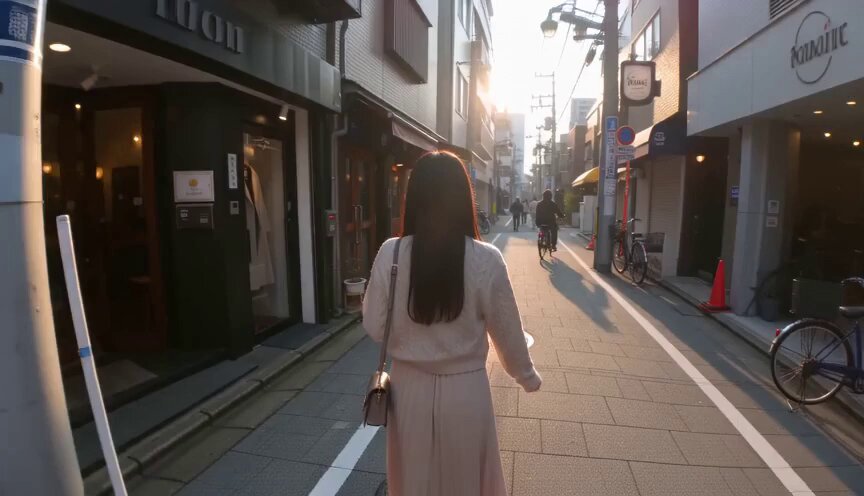
Turning an idea into a finished video used to be slow. You wrote a script, hired actors or drew plans, booked a camera, edited for days, and re-exported a dozen times. Today the fastest path from thought to footage is a text prompt. Text-to-video generation has matured from a technical curiosity into a genuinely useful production tool, and the bottleneck is no longer access to technology but learning how to direct it well. This guide explains what text-to-video tools genuinely deliver, how to write prompts that produce consistent, high-quality clips, and how to slot generation into a real content workflow so you produce more in far less time.
Why text-to-video changes the content game
Short video is the dominant format on the internet, and demand for fresh footage is relentless. Brands, creators, marketers, and educators all face the same squeeze: too many platforms, too much content needed, and never enough time. Text-to-video directly attacks that problem by removing most of the production overhead. You describe the scene and the motion, and the model renders clips you can use directly or stitch together.
Crucially, this is not just about speed. Modern models produce genuinely cinematic results, with photorealistic lighting, believable physics, and controllable camera movement. That means text-to-video is a real creative instrument, not a gimmick, and the difference between a generic clip and a great one comes down to how well you craft your prompts and manage consistency.
How modern models achieve cinematic quality
The leap in quality has been driven by a few identifiable improvements. First, models now understand complex scenes and can render photorealistic imagery, not just cartoonish approximations. Second, they respect lighting, depth, and physical motion far better than earlier generations. Third, they handle style and character consistency more reliably, so a character or a visual style can be carried across several clips.
This matters for real projects. A product reveal, a brand story, a training explainer, or a social advert all need recognizable, consistent visuals. The ability to keep a character's face or a color palette stable across multiple shots is what elevates text-to-video from a one-off novelty into a dependable production asset.
Writing prompts that actually work
Prompt quality is the single biggest lever on output quality. The same model can produce strikingly different results depending on how you describe the scene. Follow these principles.
Be concrete about the scene
Name the subject, the setting, the lighting, and the action. Instead of a dramatic shot, describe a wide shot of a crimson car driving through downtown at dusk, with warm streetlights and wet asphalt reflections. Specific, observable details translate into coherent visuals.
Use strong motion verbs
The model animates what you describe. Words like glides, spins, zooming, falling, or shimmering tell the model what should move and how. Vague verbs like transition produce vague motion. Reserve the strongest verbs for the element you care about most.
State the camera
If you want a tracking shot, a slow push-in, or a top-down aerial, say so. Camera language is one of the clearest ways to control the cinematic feel of the output. Combined with a description of the scene, it gives you the look of a directed film rather than a random clip.
Keep prompts focused
Complex prompts with many subjects and many actions often produce muddled results. Pick one primary subject and one clear action, then layer in setting and lighting. You can generate additional clips for secondary elements and combine them later.
Controlling style and keeping consistency
Consistency across clips is what makes a text-to-video project feel like one deliberate production instead of a scramble of unrelated shots. You achieve it through references and constraints.
When a specific character or object appears repeatedly, generate a strong reference first and carry it through. Many tools let you anchor generation to a seed image, so the same feature set carries over. Keep your style descriptors identical across related prompts: if you say film grain and teal shadows in one prompt, use the same phrases in the next so the look stays unified.
For multi-clip projects, sketch the whole sequence before generating. Outline the shot list, the camera plan, and the style guide, then generate clip by clip against that plan. This keeps the project coherent and prevents the common failure of beautiful but mismatched segments.
Optimizing for short-form platforms
Most text-to-video work lands on short-form platforms, which reward specific technical choices. Vertical framing is a must for reels and shorts, so plan for portrait output. Platforms also favor crisp, loading-fast files, which means you should keep clips concise, sharp, and compressed well.
The first second matters enormously in short-form. Open with motion that immediately catches the eye, and place the most important subject in the center of the frame where it stays legible even on a small screen. Match the clip length to the rhythm of the platform, and let the final frame settle on something clear and readable.
A fast end-to-end workflow
You can turn a raw idea into a finished short piece in well under an hour with this loop.
- Write a one-sentence concept and a target emotion.
- Draft a short script and break it into three to five shots.
- Write a concrete prompt for each shot, including camera and style.
- Generate a first pass, review each shot against the concept, and refine prompts instead of settling.
- Assemble the clips, add simple transitions and sound, and export for your platform.
This loop is fast enough to iterate on ideas, which is the real advantage of text-to-video. You can test ten story directions in the time it used to take to shoot one.
Common pitfalls and how to avoid them
- Settling for the first render. The first pass is rarely the best. Re-run with refined prompts and you get dramatic improvement.
- Inconsistent style across clips. Use the same style descriptors and reference images throughout the project.
- Motion that does not match the script. Re-read your prompt against the narration and align the strongest verb with the line it accompanies.
- Text and logos that garble. Captions and on-screen text are notoriously tricky for models. Generate them clean or add them in editing.
- Ignoring aspect ratio. Generate in the correct orientation for the platform instead of cropping later and losing subject.
Using references to control consistency
Consistency is the quiet differentiator between amateur and professional text-to-video work, and references are your most reliable tool for achieving it. A strong reference image carries the identity of a character, a product, or a location across every shot that uses it. The model looks at that image for the visual anchor and focuses its energy on the motion you describe.
To use references well, establish them early. Before generating a sequence, create and approve the hero reference, whether it is a brand product, a mascot, or an environment. Then, for every related shot, attach the same reference and describe only the action and camera that differ. This separation makes each clip individually stable and the whole sequence coherent.
It is worth generating a small bank of references up front for projects you will return to. Storing a few approved faces, products, and style guides means future videos start from a strong foundation instead of reinventing the look each time. Over time this reference library becomes part of your reusable production toolkit.
Building shots into a sequence
Individual clips are easy; sequences sell the idea. The skill of moving from a single good clip to a coherent story is planning. Before you generate a single frame, map the sequence as a short shot list: opening shot, establishing the subject, a motion beat, and a resolution. Each line names the subject, the camera, the action, and the emotion it must carry.
When you generate against this plan, place the emotional core of each beat into its prompt. The opening should hook, the middle should build, and the final shot should land the point. Keep style descriptors identical across the whole list so the clips assemble into a single visual language. With the shots planned, the assembly stage becomes a matter of choosing the best take and linking them, rather than a scramble to fill gaps.
Simple pacing also helps. Let an establishing shot linger briefly before cutting to the fast action, then give the last shot a moment to breathe. This rhythm, toggling between energy and calm, is what makes a series of AI clips feel directed.
Sound and pacing that sell the visual story
Video is as much about audio and rhythm as it is about imagery. A well-placed soundtrack or a crisp sound effect can turn a decent clip into a memorable one, and it is often the difference between content that fades and content that sticks. Choose audio that matches the emotional note of the footage, fast and energetic for a product drop, calm and spacious for an explainer, and align your cuts to the beat where it matters.
Pacing deserves the same attention. Let an establishing moment breathe, then tighten the rhythm for the action, and finish on a beat that lingers. This toggling between tension and release is what keeps a sequence feeling directed rather than assembled. When the visuals, the sound, and the rhythm all agree, the result feels inevitable and polished.
Building a reusable prompt library
The fastest way to get better at text-to-video is to stop reinventing prompts and start building a library. Save every prompt that produced a clip you liked, note which model and settings you used, and tag each one by type such as product, portrait, motion, or style. Over a few weeks this collection becomes a personal playbook.
A good library is more than a list; it is structured. Group prompts by the outcome they create, and add a short note on what to tweak when you want a faster cut or a warmer grade. Before a new project, scan the library for ready-to-use building blocks instead of drafting from memory. Creators who reuse and refine strong prompts produce far more consistent work than those who start blank every time.
Experimenting safely with new styles
Working with an existing look is smart, but experimentation is what keeps your output fresh. The key is to experiment deliberately. Keep your core brand or project style as the default, and try bold variations on small, replaceable pieces rather than risking an entire campaign on an unproven look. This lets you discover what resonates without abandoning consistency.
Isolate one variable at a time when you experiment. Change the color grade now, test a new camera move next, and note which change improved the result and which hurt it. Save the winning variations into your prompt library so every experiment makes your toolkit stronger. This disciplined approach to novelty turns creative risk into a steady stream of small, safe improvements to your style.## Frequently asked questions
Do I need expensive hardware for text-to-video? No. Most capable tools render in the cloud, so you can generate from a standard laptop.
How long can a single generated clip be? Typically a few seconds per clip for most tools. You build longer pieces by chaining short clips together.
Can I get a consistent character across clips? Yes, if you anchor generation to reference images and reuse the same style descriptors, most modern tools maintain consistency well.
Is text-to-video good enough for client work? For many briefs, yes. The quality is cinematic, and with careful prompting you can meet professional standards, especially combined with real footage.
Do generated clips have copyright concerns? Rules vary by platform and jurisdiction. Check the licensing terms of the tool you use before commercial use.
Wrapping up
Text-to-video has crossed the line from impressive demo to dependable craft. The path from an idea in your head to a publishable clip is now measured in minutes rather than days, and the difference between average and outstanding output sits squarely in your hands: how well you describe the scene, how deliberately you control style, and how consistently you plan the whole sequence. Learn to prompt with clarity, protect consistency with references, and keep your motion verbs strong, and you will create high-quality content faster than you thought possible. Treat the generator as a capable director's assistant, and it will turn your text into footage worth posting.
