

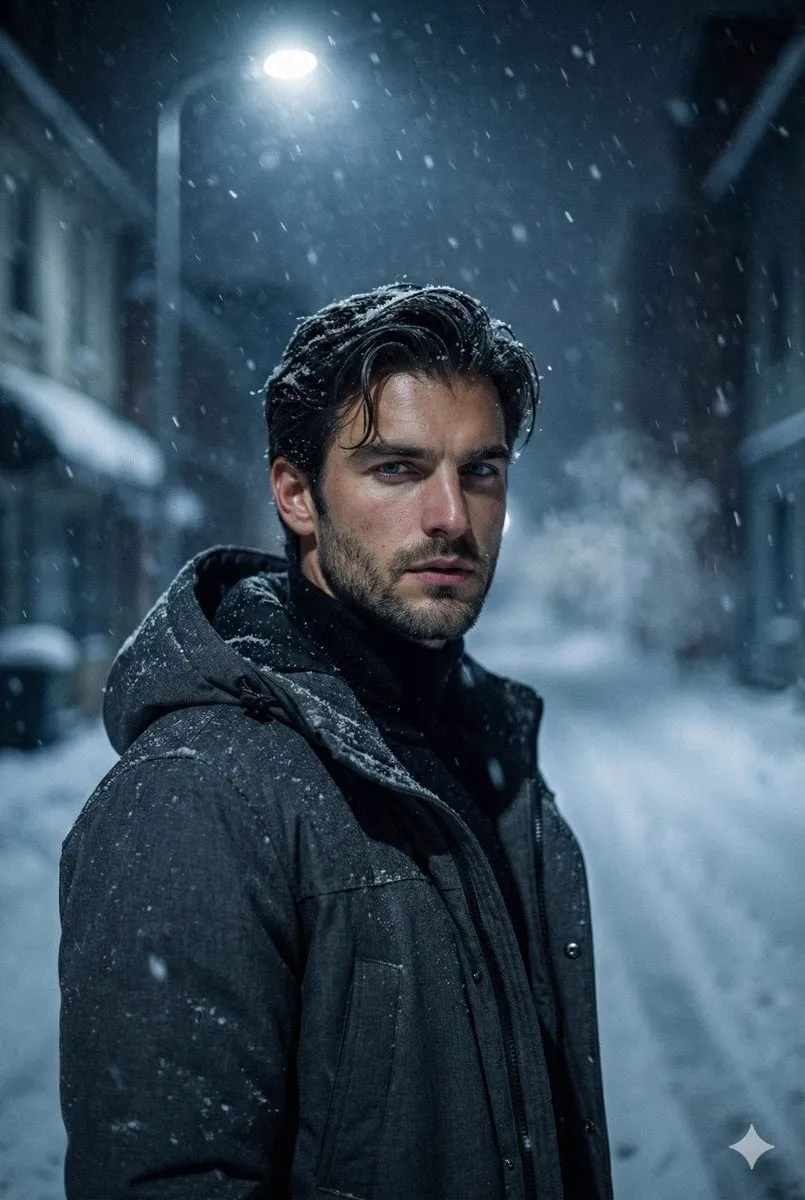
Generating a video from a line of text is easy. Generating a video that holds attention, builds tension, and feels like it was directed is another matter entirely. The difference is storytelling. As text-to-video tools mature, the creators who stand out are the ones who treat the technology as a production partner rather than an instant-machine.
This guide explains how to move from "type a prompt, get a clip" to crafting a genuinely compelling video with the help of an AI creative assistant. We will cover how to structure a story for video, how an AI director helps plan scenes and shots, how to keep characters consistent, and how to build a repeatable storytelling workflow. If you have ever wanted your AI videos to feel less random and more intentional, start here.
The Turning Point in Generative Video
For a while, text-to-video was a novelty. People typed a dreamy sentence, watched a clip form, and called it a day. That era is over. The technology has crossed into being a serious productivity tool, and the conversation has shifted from "what is possible" to "who makes it well."
The democratization of video creation is real, but it has also raised the standard. When everyone can generate footage, quality and intent decide who rises. That is exactly where storytelling becomes the competitive edge. The tool handles the rendering; the creator brings the story.
From tool to collaborator
The most interesting change is the arrival of AI assistants that act less like a button and more like a director. They can take a rough idea, break it into scenes, suggest shots, and keep technical constraints in mind, freeing you to spend your energy on the narrative. This is a meaningful shift: you are no longer fighting the machine, you are directing it.
What an AI Director Actually Does
To use an assistant well, understand the role it plays in the production process.
Structuring the story into scenes
The first job is breaking a narrative into a usable structure. Instead of one giant prompt, a good assistant helps you define a beginning, a middle, and an end, then lists the specific scenes that carry that arc. This planning is what separates a coherent video from a disconnected montage.
Generating a shot list
Once scenes exist, the next step is deciding what appears in each. A shot list names the subject, the composition, the camera angle, and the mood for every beat. Having this list before generating means each clip has a clear purpose and fits the flowing whole, rather than being an island.
Keeping style and consistency in check
A director also guards the look. Whether it is a color palette, a character design, or an overall mood, the assistant keeps those anchors in mind so different shots feel like the same video. This consistency, sometimes handled with reference frames or a defined style, is what makes a series of clips read as one production.
Structuring a Story for Short Video
Short-form video rewards a tight, focused structure. You do not have room for a slow build, so every second earns its place.
Hook, turn, resolve
Most effective short videos follow a simple three-part rhythm. The hook grabs attention in the first seconds. The turn introduces the change, conflict, or reveal. The resolve lands the payoff. An AI director can help you map your idea onto this frame and flag where you might be losing momentum.
A stronger twist on the classic arc
You do not need the same old formula every time. Once you understand the core rhythm, vary it. Open with the ending and rewind. Start calm and escalate. Cut between opposing moods. The assistant helps you see the shape of your story so you can choose the structure that fits the content, not just the default one.
Keeping it visual
Video is a visual medium, so tell the story through what the audience sees, not just what is narrated. Good scene ideas are concrete images: a closed door opening, a shadow crossing the frame, a color shift. When you describe actions and visuals rather than abstractions, the generated footage is far more compelling.
Writing the Script for the Machine and the Audience
The script is both the story and the instruction. It has to work on two levels.
Clear prompts, vivid description
The generation model reads your words and turns them into images. Concrete, vivid language gives it more to work with. Instead of "a sad scene," describe the specifics: a quiet room, dim light, a lone figure looking out a window, slow camera movement. Specificity is reliability.
Pacing that matches the cut
Tell the model how the shot should move and feel. Words like "slow push in," "gentle orbit," or "fast whip pan" give a sense of motion, while "calm and steady" or "building tension" steer the mood. The more the prompt reads like a director's note, the closer the output lands to your vision.
A script with natural beats
Write the script the way a director would storyboard it: as a sequence of short, clear beats rather than a single long paragraph. Each beat is one moment, one image, one action. This structure is easy for the assistant to turn into a shot list and easy for the model to follow.
Keeping Characters Consistent Across Shots
One of the hardest problems in generative video is making the same character look like themselves across different scenes. A little method solves most of it.
Establish the identity once
Before generating many shots, create a clear reference for the character: their design, palette, and distinctive features. Use that reference consistently so every scene anchors to the same identity. Without an anchor, characters drift and the story stops making sense.
Use the reference in every related shot
Whenever a character appears, supply the same reference. This keeps the face, outfit, and style stable. It is the same principle as keeping a consistent actor on a film set, but managed through the generation settings.
Plan wardrobe and environment continuity
Real continuity is not just the face. If a character walks through a forest and then an office, the environment and their outfit should still feel like part of one world. Define the world's rules and keep them consistent across the story.
From Story Idea to Finished Video: A Workflow
Here is a practical path you can reuse.
Step 1: distill the core idea
Write your idea as one sentence: a person, a want, and the obstacle. This is the seed of the whole video and keeps every later decision on track.
Step 2: expand into a scene list
Break the idea into three to six scenes that carry the arc. For each, write a clear, visual description of what the audience sees.
Step 3: build the shot list
Give every scene a shot: the subject, the framing, the camera move, and the mood. The assistant can help generate this structure if you get stuck.
Step 4: generate with anchors
Generate the shots, keeping character and style references consistent. Review and refine rather than accepting the first pass.
Step 5: assemble with intent
Cut the clips together in the order that serves the story, add pacing, and finish with audio. The edit is where the pieces become a narrative.
Common Storytelling Mistakes
A few predictable errors flatten otherwise good videos.
- Starting without a hook. If the first seconds do not intrigue, nothing after matters. Front-load the interest.
- One giant prompt, no structure. A single verbose prompt produces a clip, not a story. Break it into scenes and beats.
- Letting characters drift. Without an anchor, characters change look between shots and the audience loses the thread.
- Describing feelings instead of visuals. Abstract prompts generate weak footage. Describe concrete images and actions.
- Forgetting pacing. A flat, unchanging pace loses attention. Vary the rhythm to match the story's energy.
Thinking About Pacing, Rhythm, and Sound
Story does not live only in the visuals. The rhythm of your cuts and the sound around them shape how the audience feels moment to moment, and this is where many AI-assisted videos come alive.
Building tension with pacing
Pacing is the heartbeat of the piece. A slow, deliberate shot before a fast reveal creates expectation and releases it. Short, quick cuts read as urgency; long, held frames read as calm or weight. Decide where you want tension and match your shot lengths and camera moves to that feeling.
Ask the assistant to vary the tempo, not flatten it. A video that never changes pace numbs the viewer. Alternating between a wide, calm establishing shot and a tight, quick series of action beats keeps the energy moving and the attention engaged.
Letting the camera speak
Camera language is storytelling. A slow push toward a character signals intimacy or focus. A pull away can mean isolation or a reveal. A whip pan between subjects connects two ideas fast. Describing these moves in your prompts gives the generated footage intention and makes the final edit feel directed rather than random.
The quiet power of audio
Sound carries a surprising share of emotion. A short sting at the reveal, ambient room tone under a scene, or music that rises at the payoff transforms a decent cut into a memorable one. Even if you generate picture only, plan for audio in the edit: it reinforces the story beats you designed in your shot list.
Turning a Script into a Compelling Scene List
Your script is the raw material, but a scene list is where it becomes a visual plan. This is one place a well-used AI assistant earns its keep.
One beat, one scene
Divide your script so each beat is one clear visual moment. If a scene tries to say too much, split it. Simple, single-purpose scenes are easier to generate, easier to keep consistent, and easier to cut together. Complexity belongs in the arrangement, not in any single clip.
Writing visual action
For each beat, write what the audience sees, not what the narrator feels. "She opens the door slowly as light spills in" is actionable. "She feels hopeful" is not. The more you translate emotion into observable action, the better the generated shots will serve the story.
Giving every scene a role
Ask yourself what each scene contributes: does it introduce a character, raise the stakes, deliver the turn, or land the payoff? If a scene has no role, cut it. A tight list of scenes that all matter makes a short video feel complete and intentional.
Iterating Toward a Better Story
No first version is perfect, and storytelling is an iterative craft. Knowing how to improve between passes is what separates good from great.
Review against your hook
After assembling a draft, rewatch the first seconds. Does the hook still land? Does the opening earn the attention for everything after? If the start wobbles, fix the intro before anything else, because the rest of the story is only seen if viewers stay.
Tighten relentlessly
Ask what can go. A scene that repeats a beat, a shot that lingers past its point, or a transition that adds nothing is a chance to make the piece sharper. Generous cuts tighten rhythm and raise the perceived quality of the whole.
Test the arc on a fresh viewer
A second pair of eyes catches what you cannot see. Share the draft with someone who does not know the idea and ask what they thought the story was about. If their read matches your intent, the arc is working. If not, revisit the structure before polishing visuals further.
Questions About AI-Directed Video
Do I still need a script? Yes. The script is what turns prompts into a story. Good prompts come from good story structure.
Is the AI replacing the director? No. The assistant plans and helps execute, but the creative vision and decisions remain yours.
How long should a story-driven AI video be? For short-form, aim for clear, complete beats rather than length. A tight, well-structured piece beats a longer, wandering one.
Can I keep the same character across many videos? Yes, if you establish and reuse a consistent reference. A recurring character becomes a small brand asset.
Do I need the assistant for every video? No. You can plan manually, but the assistant helps when you want a structured scene list, a shot breakdown, or a check on consistency faster.
Will generated clips always match my shots? Not always. Treat the shot list as intent, generate takes, and choose the closest match. Quality comes from the tools working with you, not from a single lucky pass.
Final Thoughts
Text-to-video has grown from a trick into a serious creative tool, and the creators who thrive are the ones who bring a story instead of just a prompt. Working with an AI assistant as a director changes the process: plan the story, build a shot list, keep consistency, and assemble with intent.
The workflow rewards practice more than talent. Start with a clear idea, structure it into scenes, generate with anchors, and refine until the shots tell the story. Treat the assistant as a collaborator, keep the narrative in your hands, and your videos will feel less like generated clips and more like stories worth watching.
