
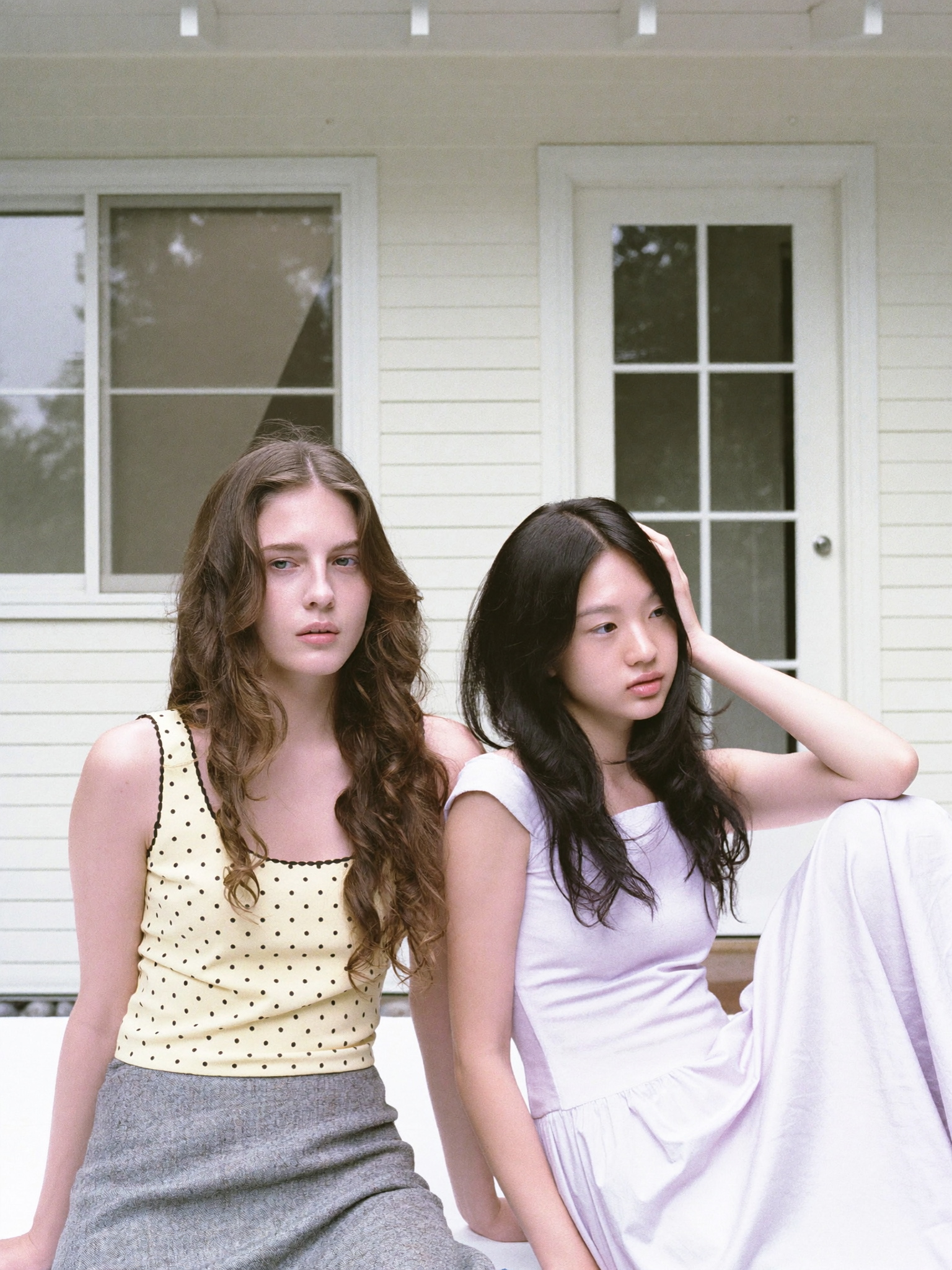
Why Short Films Became the Testing Ground for AI Filmmaking
Short films sit in a sweet spot that feature-length projects cannot match. A five-to-fifteen-minute runtime is long enough to carry a real dramatic arc, but short enough that a single creator can hold the entire story in their head. That combination makes short-form the ideal place to test new production methods, and it explains why AI-assisted filmmaking matured here first rather than in episodic television or features.
The economics are equally simple. A short film lives or dies on a handful of memorable images, a tight script, and clean sound. There is no room for filler, so every shot has to earn its place. When generation tools can produce a usable plate in minutes instead of days, the bottleneck shifts away from logistics and back to the two things that always mattered: taste and planning.
That shift is what this guide is about. Instead of treating AI as a magic button that turns text into cinema, we will treat it as a directing layer — a system that translates creative intent into concrete, repeatable shot decisions. Whether you are shooting practical footage, generating everything, or blending the two, the workflow below is the same in structure. Only the tools change.
What an AI Directing Layer Actually Does
A directing layer is not a single model. It is a coordination system that sits between your script and whatever generation, editing, or compositing tools you use. Think of it as a project bible with execution powers. It holds the rules of your film and enforces them across every shot, every take, and every revision.
In practice, a directing layer does four jobs:
- Script decomposition. It reads your screenplay and converts scenes into beat-level visual requirements: who is on screen, where the camera sits, what emotional temperature the frame should carry.
- Continuity enforcement. It tracks wardrobe, hair, props, lighting direction, and color so that shot twelve does not quietly contradict shot three.
- Model routing. It decides which generation method fits a given shot — text-to-video for atmosphere, image-to-video for precision, motion-guided generation for choreography.
- Revision memory. It remembers why a take was rejected so the next attempt does not repeat the same failure.
From Script to Shot List
The most valuable output of a directing layer is a shot list that reads like instructions, not wishes. Compare these two lines:
"Wide shot of the city at dawn, moody."
"Wide, 24mm equivalent, eye level from a rooftop, city skyline at blue hour, thin fog, single warm window lit in the foreground, slow 10% push in, 6 seconds."
The second version gives a generation model something to solve. It also gives you something to argue with. When a take fails, you can point at a specific instruction — lens, height, movement, duration — instead of guessing.
Continuity as a System, Not a Memory
Human directors rely on memory, notes, and script supervisors. AI-assisted projects cannot rely on memory because each generation call starts from zero context unless you explicitly supply it. Continuity therefore has to be written down as data: a character sheet, a location sheet, a lighting rule, a color palette, a camera grammar. Once these exist as reusable references, consistency stops being luck and becomes an input.
Pre-Production: Turning a Script Into Visual Requirements
Pre-production is where AI-assisted short films are won. Skipping it produces the classic failure mode: beautiful individual shots that do not cut together into a coherent film.
Beat Sheets and Emotional Targets
Start by breaking your script into beats rather than scenes. A beat is a change in who holds power, what the audience knows, or what the character wants. Mark each beat with a single emotional target — dread, relief, tenderness, irritation. That target becomes the north star for every shot inside the beat.
When you generate a take, ask one question: does this frame deliver the emotional target of its beat? If the answer is no, the take is unusable regardless of how impressive it looks. This single rule eliminates the most common AI filmmaking trap, which is falling in love with a shot that has no job in the story.
Reference Plates and Prompt Sheets
Build two libraries before you generate any video.
The first is a reference plate library: still images that define your film's look. Include one plate per location, one per character, and two to three tone plates for lighting conditions such as day exterior, night interior, and mixed practical light. These plates can come from photography, generated images, or frames from films you admire — as long as they are used as internal references, not as material to reproduce.
The second is a prompt sheet: a structured document listing the reusable vocabulary for your project. Keep it short and disciplined. A workable prompt sheet has six fields:
- Subject and wardrobe
- Location and time of day
- Lens and framing
- Camera movement
- Lighting and color
- Duration and pacing
Every shot is then described as a combination of these fields plus one unique detail. This structure makes your prompts consistent, diffable, and easy to hand to a collaborator.
Shot-by-Shot Decisions: Choosing the Right Generation Method
The single biggest efficiency gain in an AI-assisted pipeline comes from matching the method to the shot instead of defaulting to one approach for everything.
Text-to-Video
Best for establishing shots, atmosphere, abstract transitions, and any image where the exact arrangement of elements does not matter. It is fast and forgiving, but it gives you the least control. Expect to generate many variants and to keep only a fraction.
Image-to-Video
Best when composition must be exact: character close-ups, product inserts, symmetrical frames, anything where the audience will notice a change in framing between cuts. Starting from a locked still image and adding motion gives you framing control plus temporal life. Most professional-looking AI short films lean heavily on this approach.
Motion-Guided and Hybrid Approaches
When you need specific choreography — a hand reaching, a door swinging, a car turning a corner — reference-driven motion or guided generation produces far more usable results than pure text prompts. Hybrid workflows, where practical plates are extended or restyled with AI, also belong here. They are particularly effective when you have real actors but a limited location or lighting budget.
A Decision Table You Can Reuse
| Shot type | Preferred method | Why |
|---|---|---|
| Establishing wide | Text-to-video | Atmosphere matters more than precision |
| Character close-up | Image-to-video | Facial framing and identity must hold |
| Action beat | Motion-guided or hybrid | Choreography needs reliable structure |
| Insert or product | Image-to-video | Small details are scrutinized |
| Transition | Text-to-video | Abstract frames hide seams |
| Dialogue coverage | Hybrid with locking | Consistency across angles is critical |
The point is not to follow the table blindly. It is to stop burning time generating close-ups from text prompts when a locked still image plus a short motion instruction would have worked on the first attempt.
Locking Character and Style Consistency
Consistency is the difference between a demo reel and a film. Audiences forgive imperfect rendering far more easily than they forgive a character whose jawline changes between cuts.
Character Sheets
Create one character sheet per principal. Include a neutral front view, a three-quarter view, a profile, and at least one extreme expression. Add written notes for anything a model tends to drift on: hair parting, eye color, scar placement, the exact shade of a jacket. When you generate a shot featuring that character, always supply the sheet plus the shot description. Never rely on the model to remember anything.
Style Anchors
Style drifts for a different reason: mood words are vague. "Cinematic" means nothing to a model. Instead, define three or four concrete anchors — a color palette with hex codes, a contrast ratio, a lens character such as "soft edges, slight vignette," and a grain level. Apply the same anchors across every shot, then vary only the lighting condition. The film will feel unified even when the content changes drastically.
A useful test: mute a scene and look at six consecutive frames as a contact sheet. If they look like they came from three different films, your anchors are too loose.
Production: Batch Generation, Takes, and Assembly
Once pre-production is locked, production becomes a rhythm rather than a gamble.
Takes and Variants
Generate in small batches — three to five variants per shot — and pick immediately. Do not accumulate dozens of takes for later review; you will lose the thread of why you preferred one. Name files with a consistent convention such as sc02_sh04_takeB_v2 so that your editing timeline stays readable.
Keep a rejection log with one line per discarded take: "drift on hands," "camera too fast," "lighting too cool." That log becomes the input for the next batch and prevents you from re-running the same failed prompt.
Sound Design, Voice, and Music
AI-generated visuals are usually silent, and silence is where amateur projects fall apart. Plan sound at the same time as picture, not after. Build three layers:
- Ambience to establish place — room tone, street noise, weather.
- Spot effects synced to on-screen actions, which massively increase perceived realism.
- Score or a disciplined selection of source music to control pacing.
For dialogue, decide early whether you are using synthetic voice, recorded voice, or no dialogue at all. If you use synthetic voice, record a scratch performance yourself first and match the timing. Emotional accuracy in pacing matters more than timbre.
Assembly and Pacing
Cut for rhythm, not for coverage. Short films benefit from aggression in the edit; a three-second cut that lands beats a nine-second cut that explains. A practical trick is to assemble a rough cut with temporary music at the tempo you want, then trim picture to hit the beats. When the music is replaced, the rhythm survives.
Quality Control: Catching Artifacts Before They Cost You
Watch every take twice — once at normal speed, once frame by frame at the cut points. The defects that matter most are not the obvious ones. They are:
- Edge instability where a subject meets a background
- Hand and finger distortion during gestures
- Fabric physics that change between frames
- Micro-flicker in lighting or texture
- Text and signage that mutates mid-shot
Most of these can be hidden with a shorter cut, a slight reframe, a subtle blur, or a well-placed sound effect. The professional move is not to fix every artifact, but to decide which ones the audience will never notice because your edit moves them past it.
Common Mistakes That Slow AI Short Film Projects
After enough projects, the same five errors show up again and again.
- Writing a feature-length script. A short film needs one idea, one turn, and one ending. Anything more will not fit the runtime.
- Prompts as prose. Long, poetic prompts create unstable results. Structured, field-based prompts create repeatable ones.
- Chasing realism instead of coherence. A slightly stylized world is easier to keep consistent than a photoreal one, and it usually looks better on a small screen.
- Leaving sound until the end. Sound is half the experience and the cheapest thing to improve late, but only if you planned the layers.
- No version discipline. Without naming conventions and a rejection log, you will re-generate the same shot three times and call it progress.
A sixth mistake deserves its own line: trying to remove every trace of AI. Some artifacts are part of the medium's current texture. Audiences respond to a strong point of view far more than to technical perfection.
Time and Budget Framework
AI tools reduce cost, but they do not remove it. Most of the expense moves from crew and locations to subscription tiers, render time, and your own hours. Build a plan around three buckets.
Pre-production (roughly 30% of your time). Script, beat sheet, character sheets, reference plates, prompt sheets, shot list. This is the highest-leverage work and the easiest to skip.
Generation and revision (roughly 45%). Expect two to three revision cycles per shot, with some shots needing more. Track which shots eat the most time; they usually share a trait, such as multiple characters in frame or complex motion.
Post-production (roughly 25%). Editing, sound, color matching, titles, and export. If you have a fixed subscription ceiling, budget your heaviest generation days around it and keep one spare day for reshoots of failed shots.
If you are producing for a client or a festival deadline, add a hard stop two days before delivery. Use that window for the last pass on sound and for a fresh-eyes viewing. Almost every rushed short film fails in that final stretch.
Where Human Direction Still Wins
AI can generate a shot, but it cannot decide that a scene should be cut, that a character should say nothing, or that the ending should be quieter than the audience expects. Those are directorial choices, and they remain entirely human.
The most successful creators working with these tools behave like directors who happen to have an extremely fast, extremely literal crew. They give clear instructions, review the dailies honestly, and protect the story above all else. The technology changes the speed of production. It does not change what makes a short film worth watching.
FAQ
Do I need an AI video tool to make a short film?
No. Plenty of strong short films are shot on phones with no generation at all. AI tools are most useful when they solve a specific constraint — a location you cannot access, an effect you cannot afford, or a schedule that leaves no room for reshoots.
How long should an AI-assisted short film be?
Three to eight minutes is a comfortable range for a first project. It is long enough to develop a character and short enough that consistency management stays manageable. Ninety seconds to three minutes works well for a proof of concept.
What is the hardest part of the workflow?
Consistency across shots. Generation quality is now generally adequate; keeping a character, palette, and lighting logic stable across twenty shots is the real craft. Character sheets, style anchors, and structured prompts solve most of it.
Can I mix generated footage with live-action footage?
Yes, and it is often the strongest approach. Use generated material for establishing shots, dream sequences, or impossible locations, and practical footage for faces and dialogue. Match grain, contrast, and color temperature so the seams disappear.
How do I handle dialogue in an AI-driven film?
Record your own scratch dialogue first, then either keep it or replace it with synthetic voice matched to the same timing. Alternatively, write the film to work with minimal dialogue and let sound design and performance carry the emotional weight.
What should I do when a shot refuses to work?
Change the method, not the words. If text-to-video has failed five times for a close-up, switch to image-to-video. If a complex action beat keeps breaking, split it into two simpler shots and cut between them. Rewriting a shot into something a model can produce reliably is a directing decision, not a compromise.
How do I keep a project from sprawling?
Set a shot ceiling before you start — twenty to thirty shots is plenty for a short — and treat it as fixed. If a new idea needs a shot, something else has to be cut. Constraints are what make short films feel deliberate rather than assembled.
