

Why Prompt Generators Became the Real Bottleneck in AI Imagery
Anyone who has spent a weekend generating images has lived the same arc: the first render is magic, the second is a mild variation, and by the twentieth the same face keeps appearing with slightly different hair. The problem was never the model. It was the prompt — a loose sentence typed in a hurry, carrying no structure, no camera language, and no consistency anchors.
Prompt generators exist to fix exactly that. Instead of staring at a blinking cursor, you assemble a prompt from parts: subject, style, lens, lighting, palette, rendering engine, and negative constraints. The generator handles the syntax, the weighting, and the model-specific quirks that nobody remembers between sessions.
This guide is a practical field map of the category. It covers how these tools split by output type, how to evaluate them without getting lost in marketing claims, and how to fold them into a real production workflow where a still image is only step one and a moving shot is the actual goal.
How Prompt Generators Actually Differ From Chat-Based Prompting
A general chat assistant will happily write you a prompt, and for one-off experiments that is fine. Dedicated generators differ in four structural ways.
They encode model-specific syntax. Weighting conventions differ wildly. Some engines respond to parenthetical emphasis, others to numeric weights, others to plain natural language where keyword stuffing actively hurts. A generator keeps a mapping layer so the same creative intent survives a model swap.
They decompose intent into slots. Instead of one long sentence, you get a form: subject, action, environment, mood, lighting rig, lens, film stock or render style, aspect ratio, and negative prompt. Filling slots forces specificity, and specificity is what separates a generic render from a usable asset.
They persist reusable fragments. A character descriptor you validated once — jaw shape, eye color, hair length, signature outfit — becomes a saved block you can attach to any future prompt. This is where consistency comes from, not from the model's memory.
They handle translation between modalities. A prompt written for a still image rarely works unchanged for a video model. Video engines want motion verbs, camera movement directives, and duration cues. A good generator offers an image-to-video bridge that rewrites a still-image prompt into a shot description.
If a tool lacks slots, saved fragments, or modality bridging, it is a text box with extra steps.
Choosing Between Anime and Photorealistic Generators
The two output types pull in opposite directions, and the tools that serve them are genuinely different. Treating them as one category is the most common evaluation mistake.
Anime and stylized illustration generators
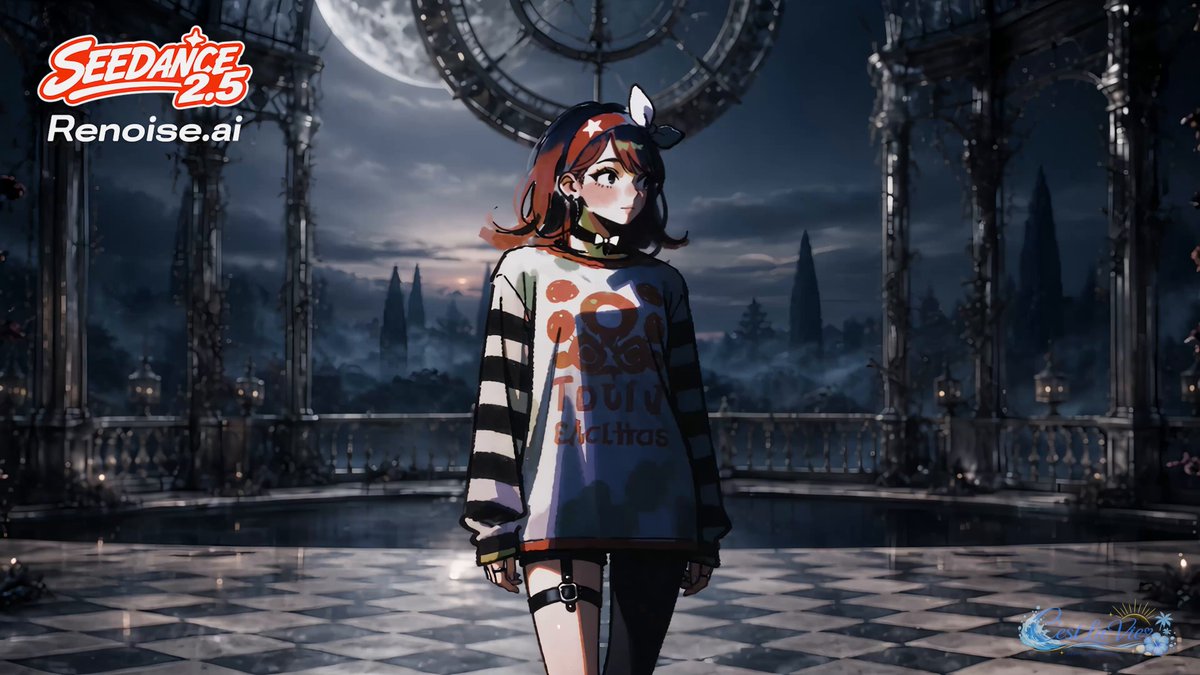
Here the hard problems are style locking and character consistency. Anime output lives or dies on line weight, eye rendering, shading conventions, and whether the palette stays inside the intended aesthetic rather than drifting toward semi-realistic rendering.
What to look for:
- Style anchors that describe rendering convention rather than a named artist, so results stay reproducible and safe to publish.
- Character sheets with structured attributes instead of free-text descriptions.
- Multi-expression and multi-angle output from one locked character, which is what you need before animating a shot.
- Strong negative-prompt handling for artifacts unique to stylized generation: extra fingers, warped hands, asymmetrical eyes, background text bleed.
A practical test: build one character, then request that character in four different lighting conditions. If the face, hair, and costume drift beyond the intended art style, the consistency system is cosmetic rather than functional.
Photorealistic generators
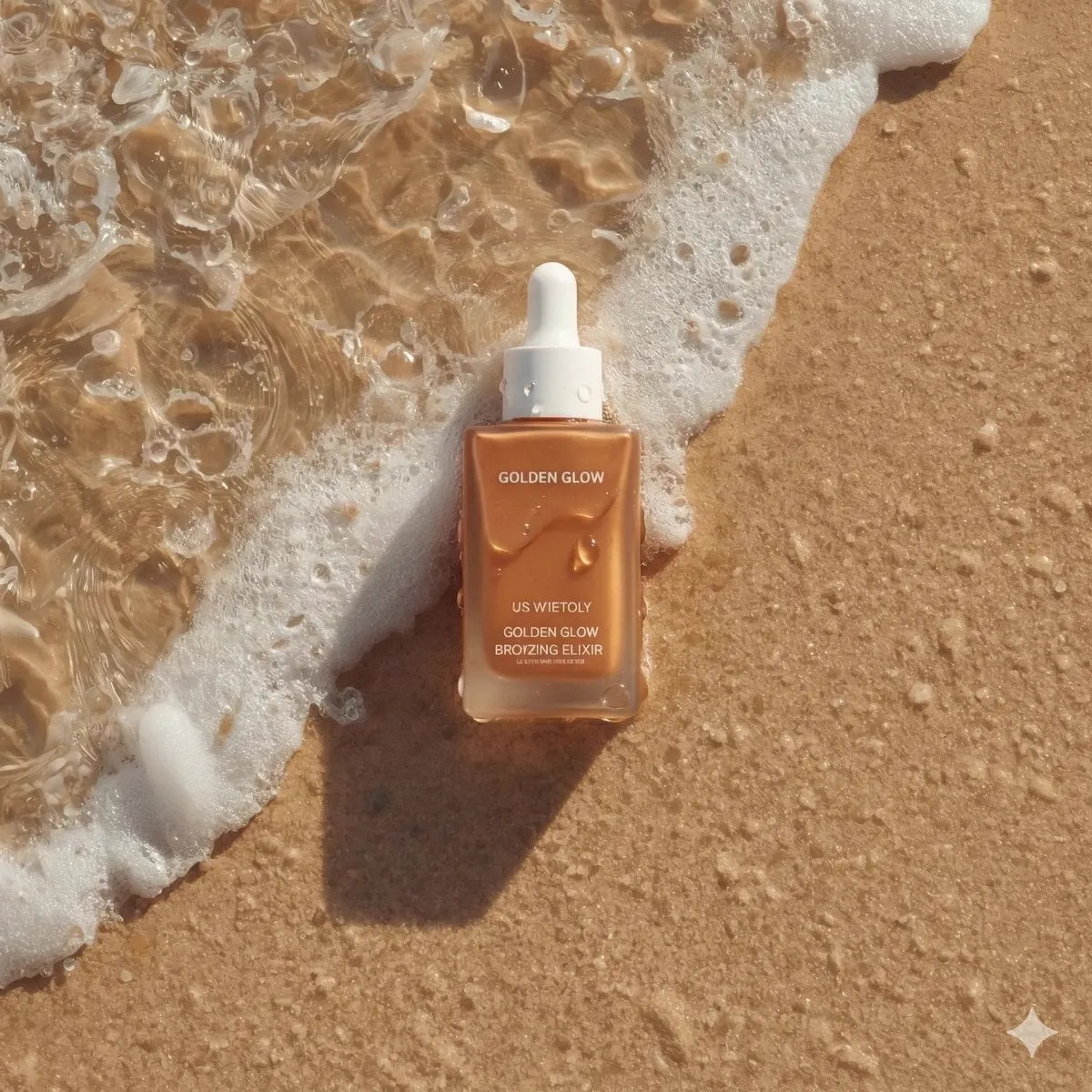
Photoreal work is really a lighting and material problem. The difference between an amateur render and a studio-looking frame is almost never the subject — it is the light source, its hardness, its direction, and how the material responds to it.
What to look for:
- A lighting vocabulary with real photographic meaning: key, fill, rim, practical sources, bounce, softbox size, golden hour angle.
- Lens and sensor controls, because focal length changes facial geometry and background compression in ways you cannot fake afterward.
- Surface descriptors: skin texture, subsurface scattering, fabric weave, brushed metal, condensation, dust.
- Camera-body and film-stock presets for when you want a specific capture look without writing a paragraph.
A practical test: prompt the same portrait with a 35mm lens at f/2 and an 85mm lens at f/1.8. If the generator produces the same framing and the same facial proportions both times, its lens vocabulary is decorative text rather than a control.
Core Engines Behind the Generators
Most reputable generators are thin interfaces over a small set of image and video engines. Knowing the engine tells you what the tool can realistically do.
Flux-class diffusion models excel at prompt adherence and text rendering inside images. For photorealistic portraits and product scenes, Flux-backed generators tend to follow long, structured prompts more faithfully than older architectures, which means your carefully written lighting description actually lands.
Earlier diffusion families remain competitive for stylized and illustrative output, often with a softer, more painterly default. They respond well to tag-style prompting and are frequently cheaper to iterate with.
Upscaling and detail passes matter more than most people expect. A generator that chains a detail refiner after the base render produces meaningfully better skin and fabric than a raw single-pass output.
Video engines such as Kling and Vidu have moved image-to-video quality considerably. They read motion intent, accept a source frame as the visual anchor, and generate camera movement that looks deliberate rather than dissolved. When evaluating a generator, check whether its prompt output is written in a shape these engines can consume — motion verbs, camera instructions, and a clear single action per shot.
A Step-by-Step Workflow for Consistent Character Assets
This is the sequence that produces usable assets rather than pretty one-offs.
-
Define the character in structured slots. Age range, build, face shape, eye color, hair color and length, skin tone, signature garment, distinguishing mark. Keep each slot to a short phrase. Long poetic descriptions hurt consistency.
-
Lock the style. Choose a rendering convention — cel-shaded with clean line work, painterly with soft edges, cinematic realism with visible skin texture. Write it once and reuse it verbatim.
-
Generate a front-facing reference. Iterate until the face is right. Do not move on until this frame works, because everything downstream inherits its flaws.
-
Expand to a character sheet. Same prompt, camera angle varied: front, three-quarter, profile, back. Same lighting across all four. This is your consistency proof.
-
Test lighting robustness. Keep character and style slots fixed; change only the lighting block. If the character survives a change from soft window light to hard rim light, you have a reusable asset.
-
Write the shot prompt for motion. Convert the still prompt into a shot: describe one action, one camera move, and one duration. Engines fail hardest when asked for two simultaneous actions.
-
Generate the video clip from the locked frame. Use the still as the source frame so composition is preserved, then let the motion prompt drive movement.
-
Iterate the motion, not the character. If the clip looks wrong, change motion and camera language only. Reverting to character changes restarts the whole consistency chain.
-
Upscale and finish. Detail refinement plus a light grade. Keep the grade consistent across a sequence so cuts do not feel like different productions.
Evaluating Promise Adherence: A Scoring Method You Can Repeat
Marketing pages all claim superior prompt understanding. Here is a repeatable way to check.
Build a five-prompt test suite covering the failure modes you care about, run it against every candidate, and score each result from 0 to 2 on these dimensions:
- Slot fidelity — did every required element appear, and did nothing extra sneak in?
- Spatial accuracy — is the composition what you asked for, with subjects where you placed them?
- Lighting fidelity — does the light behave the way the prompt described?
- Style stability — across the suite, did the aesthetic stay inside the intended lane?
- Text and detail integrity — hands, eyes, signage, and small objects rendered without artifacts.
A tool scoring 8 or above out of 10 on a first attempt is worth keeping. Anything below 6 usually means you are spending more time repairing prompts than you would spend writing them from scratch.
Run the same suite twice, a week apart, with identical prompts. Consistency between runs is a real signal about a tool's underlying stability, and it is the single best predictor of whether it belongs in a production pipeline.
Common Prompt Failures and How to Fix Them
The prompt is too crowded. Three subjects, two actions, and a mood do not fit in one frame. Split it into separate shots.
Style words conflict. Asking for both "photorealistic" and "anime" produces a muddy hybrid where the model averages the two. Pick one lane.
Description replaces direction. "A beautiful woman in a beautiful city at night" gives the model nothing to aim at. Specify lens, light direction, and one concrete environmental detail.
Missing negative constraints. Without explicit exclusions, artifacts recur. Add a short, targeted negative list rather than a long generic one.
Character described in prose. Consistency collapses when the description is a paragraph. Reduce to tagged slots and reuse them exactly.
Motion overload in video prompts. Two simultaneous actions in one clip is the most common cause of melted output. One action, one camera move.
Ignoring aspect ratio. A prompt tuned for a square frame will compose badly in widescreen. Set the ratio before generating, not after.
Where Generators Fit in a Professional Pipeline
The realistic division of labor looks like this: generators handle prompt construction, style locking, consistency storage, and modality translation. Engines handle rendering. Humans handle selection, sequencing, and the edit.
Generators earn their place in a pipeline when they reduce the number of iterations needed per accepted frame. If your tool of choice cuts a twelve-render session down to four, it pays for itself regardless of feature list length.
Two pipeline habits matter more than tool choice. First, version your prompts the way you version code — every accepted frame should trace back to the exact prompt that produced it. Second, keep a library of locked style blocks and character slots separate from individual shot prompts, so consistency survives across projects and collaborators.
Frequently Asked Questions
Do I need a generator if I already write good prompts?
If your prompts are already structured and you work in a single engine, a generator mainly saves repetition. Where they pay off is multi-engine work and consistency across long sequences.
Which is harder, anime or photorealistic?
Photorealistic output is harder to make convincing because the eye is trained to spot unnatural skin, light, and perspective. Anime is harder to keep consistent across many frames because style drift is more visible.
Can one prompt work across image and video engines?
Rarely unchanged. Image prompts describe a moment; video prompts describe a change over time. Use a generator with an image-to-video bridge, or rewrite the prompt with an explicit action and camera move.
How many negatives should I include?
Keep it short and specific — usually five to ten targeted exclusions addressing artifacts you actually see. Long generic negative lists dilute emphasis and can degrade output.
Is character consistency possible without a generator?
Yes, but you will maintain the descriptor text yourself and paste it verbatim every time. A generator simply automates and protects that discipline.
What single habit improves output the most?
Locking style and character slots, then varying only one variable per iteration. Most disappointing sessions come from changing three things at once and losing track of which change caused the improvement.
The Bottom Line
Prompt generators are not a shortcut around craft — they are a way of making craft repeatable. The category splits cleanly into stylized character tools built for consistency across frames and photorealistic tools built for lighting and material control, with most serious options sitting on top of the same handful of diffusion and video engines.
Evaluate them the way you would evaluate any production dependency: fix your character and style slots, test the tool against a scored prompt suite, and measure how many iterations it takes to reach an accepted frame. The generator that gets you there fastest, while keeping every accepted result reproducible, is the right one — regardless of how long its feature list looks on a landing page.
