
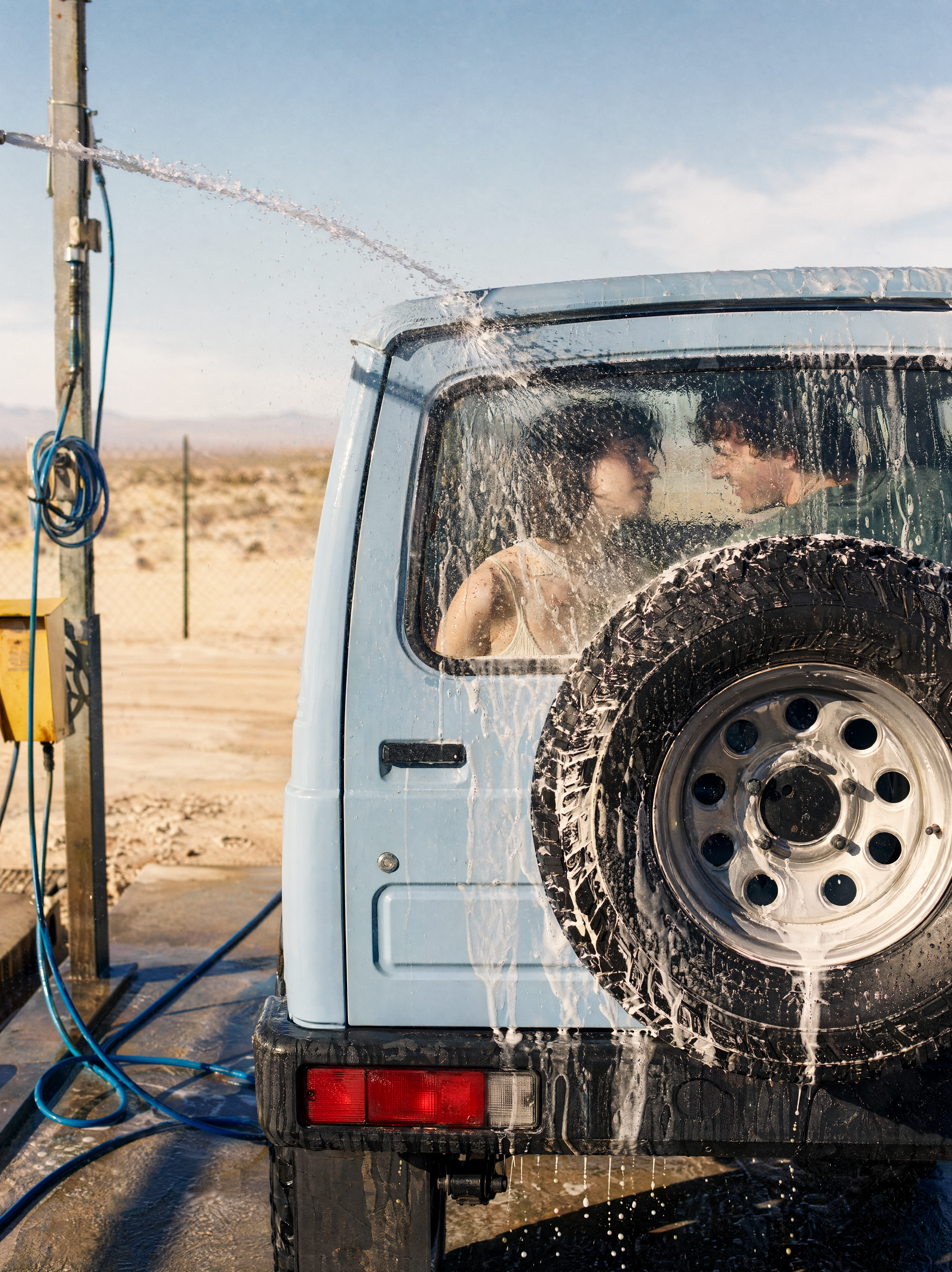
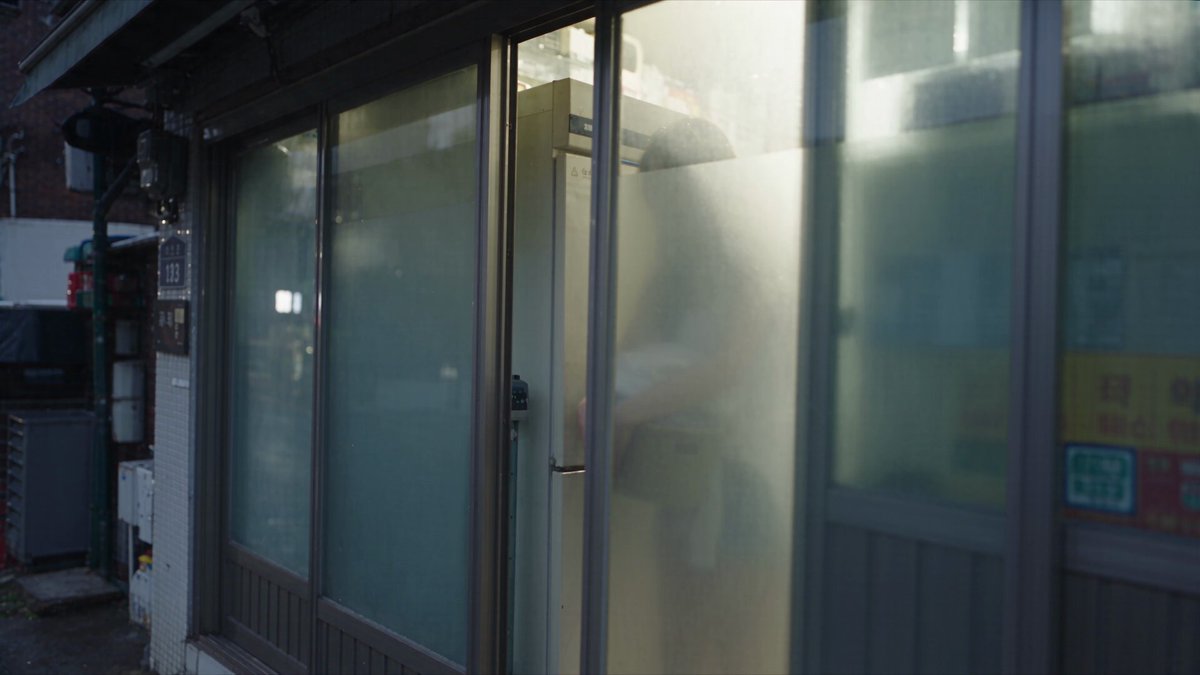
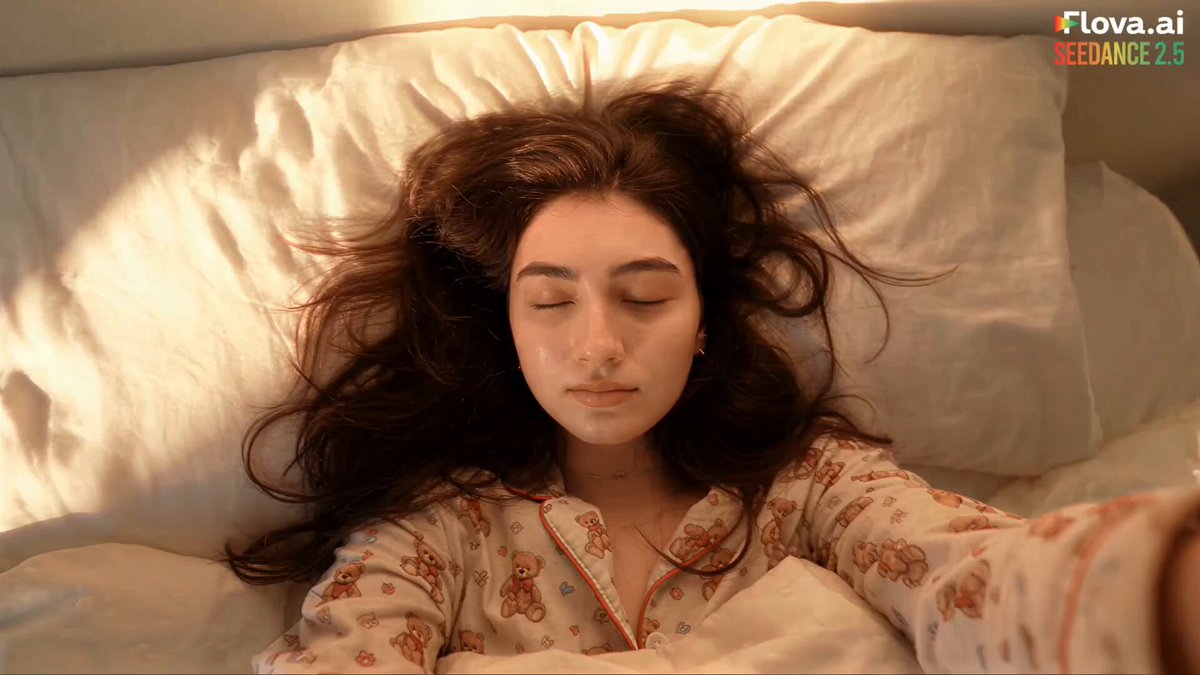

Why AI Video Generation Moved Into the Mainstream Workflow
Text-to-video spent years as a laboratory curiosity: five-second clips of melting faces, morphing hands, and physics that collapsed the moment anything moved. That era is over. Modern generators can produce multi-shot sequences with believable lighting, consistent characters, and camera movement that reads as intentional rather than accidental. The practical consequence is that video teams now treat these tools as a first-class part of the pipeline rather than a novelty to demo at conferences.
Three forces drove the shift. First, diffusion-based architectures paired with transformer backbones learned to hold spatial and temporal coherence across far longer spans. Second, prompt understanding improved dramatically, so a paragraph of direction no longer has to be reduced to keyword soup. Third, editing ecosystems caught up: generated clips now flow into conventional post-production where color, sound design, and compositing are applied on top.
The result is a crowded field. Three names come up constantly in production conversations: Sora, PixVerse, and Kling. Each has a distinct personality, and treating them as interchangeable is the fastest way to waste a week of iteration. This guide walks through how to evaluate them, where each one wins, and how to build a workflow that keeps your output consistent no matter which engine you reach for.
How to Evaluate a Video Model Without Getting Fooled
Most comparisons fail because they judge on a single impressive clip. That tells you almost nothing about whether a model is usable across a forty-shot project. Evaluate on four axes instead: visual fidelity, temporal consistency, directorial control, and operational fit.
Visual fidelity and texture realism
Look past the hero frame. Pause on frames two, five, and ten seconds in. Ask whether skin texture, fabric weave, foliage, and reflective surfaces hold up when motion blurs detail. Models that look spectacular in stills often smear fine texture the moment a subject turns. Pay attention to how the model handles high-frequency detail: hair strands, chain-link fences, water spray, and text on signage. These are the tell-tale areas where a generator either understands the world or merely approximates it.
Temporal consistency and identity lock
This is where projects live or die. A character's face must remain recognizably the same across shots, wardrobe must not silently change color, and props must stay in the same hand. Test by generating three separate clips of the same described person in different environments. If the jawline, eye spacing, and hair silhouette drift, you will spend more time in post than you saved in generation. Scene-level consistency matters too: lighting direction, time of day, and weather should stay coherent across a sequence.
Directorial control and editability
A model that only accepts a single paragraph of text is a slot machine. A model that accepts camera direction, motion amplitude, shot duration, aspect ratio, and reference images is a tool. Ask three questions: can you specify camera movement independently of subject motion, can you lock a composition while changing the action inside it, and can you extend or re-render a clip without regenerating from scratch? Every one of those capabilities reduces the number of full re-rolls you need.
Operational fit: speed, length, and resolution
Fast, short, lower-resolution generations are perfect for storyboarding and previsualization. Slow, long, high-resolution renders are for final delivery. A healthy workflow uses both ends of that spectrum, which means the best model for you depends on which stage you are trying to accelerate. Track your own numbers: average time to an acceptable take, percentage of takes that pass review, and how many takes a typical shot consumes. Those three metrics predict your real throughput better than any benchmark chart.
Sora: Narrative Coherence and Physical Plausibility
Sora's defining strength is storytelling comprehension. Give it a paragraph describing a sequence of events and it tends to understand the causal chain rather than treating each sentence as an unrelated visual. A prompt about a woman setting down a cup, hearing a noise, and turning toward a door produces a shot where the actions relate to one another in time and space.
Its physical simulation is the second standout. Objects have weight. Liquids pour with plausible volume. Cloth folds and settles. When a character walks through a cluttered room, furniture stays where it belongs instead of rearranging itself between frames. That plausibility is what makes footage feel documentary-like rather than dreamlike, and it is why Sora output often survives a hard color grade without falling apart.
Where it demands care is precision. Sora is excellent at interpreting intent and weaker at obeying literal instructions. If you need an exact camera angle at an exact second, expect negotiation. The practical approach is to write prompts as scene descriptions with emotional and physical context, then accept variation as part of the creative process. Sora rewards directors who think in scenes; it frustrates people who think in spec sheets.
Best suited for: narrative shorts, brand films with emotional beats, concept trailers, and any project where believable motion matters more than shot-level precision.
PixVerse: Cinematic Lenses and Stylized Range
PixVerse leans into the language of cinematography. It exposes control over focal length, depth of field, camera speed, and stylistic treatment to a degree that feels closer to operating a virtual camera than to prompting a black box. If your project needs a slow dolly-in with shallow focus, or a wide establishing shot with deep staging, PixVerse gives you the levers to ask for it directly.
Its second strength is stylization. Animated looks, illustrative rendering, painterly textures, and retro film treatments are handled with more confidence than most competitors, and the transitions between stylized and photoreal modes are smoother than you might expect. That makes it a strong choice for music videos, social campaigns, and branded content that needs a recognizable visual identity rather than realism.
Motion control is granular but requires discipline. Because so many parameters exist, it is easy to over-specify and produce something stiff. The better pattern is to fix the camera, then describe the subject's action, then add style last. Iterate one variable at a time. PixVerse also benefits from reference images more than most engines, so building a small library of look references pays off quickly.
Best suited for: stylized advertising, music videos, fashion and product visuals, and any project where camera language is part of the creative concept.
Kling: Prompt Adherence and Motion Precision
Kling's reputation rests on fidelity to instruction. Describe a specific action, a specific camera move, and a specific framing, and the output usually reflects all three. That reliability makes it a favorite for teams working from detailed shot lists, where each clip has a defined purpose in an edit rather than being an exploratory riff.
Motion quality is the second differentiator. Human movement, athletic action, dance, and gesture-heavy performance tend to read cleanly, with fewer of the limb artifacts that plague text-to-video. Physics is competent rather than spectacular: a thrown object follows a sensible arc, but grand-scale destruction or complex fluid work may not reach the same plausibility as Sora.
Kling also handles subjects and environments drawn from East Asian contexts with a level of cultural and visual accuracy that generalist models frequently miss. Wardrobe, architecture, street signage, and lighting conventions feel observed rather than guessed. For projects set in those contexts, that accuracy removes an entire category of correction work.
Best suited for: shot-list-driven production, action and performance content, regional campaigns, and any workflow where predictability outranks spectacle.
Head-to-Head: Matching Models to Project Types
The honest answer to "which is best" is that it depends on the shot. A useful mental model is to treat each engine as a specialist you hire per scene rather than a single vendor for the whole film.
| Project need | Strongest match | Why |
|---|---|---|
| Emotional narrative scenes | Sora | Understands cause and effect across a sequence |
| Stylized brand visuals | PixVerse | Rich lens and style controls |
| Precise shot-list execution | Kling | High prompt adherence and clean motion |
| Concept previsualization | Any, at low cost | Speed matters more than polish |
| Character continuity across episodes | Kling or Sora with references | Identity stability under repeat prompting |
| Complex physical interactions | Sora | Best object and fluid simulation |
| Regional cultural accuracy | Kling | Stronger observed detail in those contexts |
A practical hybrid approach: storyboard and previsualize with whichever engine is fastest and cheapest, lock your shot list, then route each final shot to the engine whose strengths match it. Assemble in a normal editor. The seams disappear once color, sound, and pacing unify the material.
Prompting Patterns That Transfer Across Engines
Specific techniques survive the jump between models. Start with subject and action, then camera, then environment, then style, then constraints. Front-loading the action keeps motion coherent; burying it behind adjectives invites drift.
Describe motion as a verb with an adjective, not as a state. "She lifts the lantern slowly" outperforms "a slow scene with a lantern." One clear motion per clip beats three competing ones. If a shot needs two actions, split it into two clips and cut between them.
Use camera language precisely. "Static wide shot, subject centered" is different from "slow push in from a medium shot." Say which one you want. If a model offers separate camera and subject motion parameters, set camera first and leave it alone while you iterate on the action.
Keep lighting and time of day explicit and consistent across a sequence. "Late afternoon, hard side light from camera left" carried through every prompt prevents the continuity errors that make an assembled edit feel wrong even when each clip looks fine alone.
Finally, write a negative brief for yourself, not just the model. Note the failure modes you saw in the last take and address them directly in the next prompt instead of rewriting everything from zero.
An End-to-End Production Workflow
Stage one: script breakdown. Convert the script into a numbered shot list with intent, duration, and emotional beat for each shot. This document is the contract you evaluate takes against.
Stage two: look development. Generate a handful of low-cost tests to establish palette, lens character, and lighting direction. Approve stills before approving motion. It is far cheaper to change a look at the frame level than after twenty clips exist.
Stage three: reference building. Collect or generate a small set of reference images for recurring characters, locations, and props. Feed the same references into every prompt that includes them. Consistency is manufactured, not hoped for.
Stage four: blockout. Produce rough animated versions of every shot, regardless of quality. Edit them together with temporary audio. This exposes pacing problems while they are still cheap to fix.
Stage five: final generation. Re-render shots in priority order, routing each to the engine best suited to it. Keep a version log so you can always return to a take that worked.
Stage six: post-production. Grade for a unified look, design sound, add music, and apply stabilization or retiming where needed. Sound design carries more weight than most people expect; a mediocre clip with strong audio reads as intentional, while a beautiful clip with weak audio reads as synthetic.
Common Pitfalls, Review Gates, and Quality Checks
Over-prompting is the most frequent mistake. Long prompts with competing instructions produce averaged, mushy results. Cut anything that does not change the frame.
Chasing the perfect single take is the second. Set a take limit per shot before you start. If a shot has not worked after a defined number of attempts, the prompt is wrong or the shot should be split. Rewrite the shot, do not re-roll the seed indefinitely.
Ignoring continuity across clips is the third. Build a checklist: wardrobe, hair, props, lighting direction, background elements, color temperature. Run it against every approved take before moving on.
Finally, do not skip the human pass. Generated footage benefits enormously from a real colorist, an editor with rhythm, and a sound designer. The tools accelerate production; they do not replace judgment.
FAQ
Can I mix models in a single project? Yes, and you probably should. Route shots by strength. Unify everything in post with grading and sound.
How long should generated clips be? As short as the edit allows. Shorter clips are easier to control, cheaper to re-render, and cut together more naturally.
Do reference images really help? Substantially, especially for recurring characters and product shots. Consistency improves more from references than from longer descriptions.
What about audio? Generate separately. Build your own sound bed and music rather than relying on synthesized ambience.
How do I keep long-form projects coherent? Maintain a project bible: character references, lighting rules, palette, and a locked shot list. Treat it as the source of truth for every prompt.
Is one engine enough? For simple projects, yes. For anything with recurring characters, varied shot types, and delivery deadlines, a multi-engine approach consistently produces better results.
Bringing It Together
The comparison worth making is not which model is objectively best, but which model is best for the shot in front of you. Sora brings narrative intelligence and physical plausibility. PixVerse brings cinematic control and stylistic range. Kling brings instruction fidelity and clean, predictable motion. Used deliberately, they overlap into something more capable than any one of them alone: a production pipeline where the creative decision stays human and the rendering gets faster every month. Start with a shot list, test cheaply, route intelligently, and finish in post with the craft that makes generated footage feel like film.
