


The demand side of social video moved faster than the production side. A brand account is now expected to publish several times a week in vertical format, with captions, sound design, and a hook that lands in the first second. Multiply that by three platforms and you get a content treadmill that a small team cannot feed with a traditional shoot-and-edit pipeline.
Generative video changed the economics of that treadmill. It did not remove craft — it relocated the bottleneck from scheduling people and gear to directing models, curating takes, and enforcing consistency. This guide walks through a practical workflow for using generative video as the backbone of a social content calendar, from model selection through quality control and publishing.
Why Volume Breaks Traditional Video Production
Traditional video is a serial process. Nothing moves until the previous stage finishes: script, casting, location, lighting, shooting, edit, color, sound, delivery. Every stage carries a fixed cost in coordination, and any stage can stall. A single thirty-second clip can consume a full day once setup, reshoots, and revision rounds are counted.
The arithmetic gets ugly quickly. If one finished clip costs six hours of combined labor, a calendar of four posts per week for a year lands near 1,250 hours — more than half of a full-time employee's working year, before strategy, community management, or paid media enters the picture. Teams respond in predictable ways: they post less often, they recycle the same assets until engagement decays, or they quietly lower their production standard.
None of those responses is a strategy. They are symptoms of a pipeline whose cost per asset never falls. Generative video attacks that specific variable: the marginal cost of a new take. When a fresh variation costs minutes instead of a shoot day, experimentation becomes affordable, and consistency turns into a systems problem rather than a budget problem.
What Generative Video Actually Changes
The shift is not "AI makes videos now." The shift is that the expensive part of production — a repeatable, controllable image-making loop — became software. That has concrete consequences for how a week is structured.
From shoot days to prompt cycles
A prompt cycle is measured in minutes. You describe a shot, generate four variations, keep one, adjust the camera language, and regenerate. The loop rewards teams that can write a clear brief and evaluate output quickly. Instead of blocking a location, you build a reference library. Instead of casting, you lock a character sheet.
This also changes how you think about deadlines. A shot list that once required a weekend of prep can be explored in an afternoon, which means creative decisions move earlier. Directors who can articulate intent precisely get more value from the tools than those who wait for the model to guess.
Where humans are still faster
Three areas remain stubbornly human: taste, timing, and truth. Taste decides which take is on-brand. Timing decides whether a hook lands in the first 1.5 seconds. Truth covers claims, product accuracy, licensing, and disclosure.
Practically, that means humans should own the brief, the edit, the sound pass, and the final review. Models should own iteration, coverage, and variations. Teams that invert this split — letting generation drive decisions and using people only for cleanup — produce technically impressive clips that perform badly.
Choosing the Right Model for the Right Shot
No single model wins every shot. The productive approach is to define a small set of recurring shot types for your account, then assign each type a default pipeline. That removes the daily temptation to test whatever launched this week.
Match model strengths to content types
Establish defaults based on what each model family is genuinely good at, then let exceptions earn their way in.
| Shot type | Default approach | Why it works |
|---|---|---|
| Product hero | Image-to-video from a styled still | Preserves real product geometry and label text |
| Presenter or avatar | Avatar or lip-sync pipeline driven by a scripted audio track | Sync accuracy matters more than motion flourish |
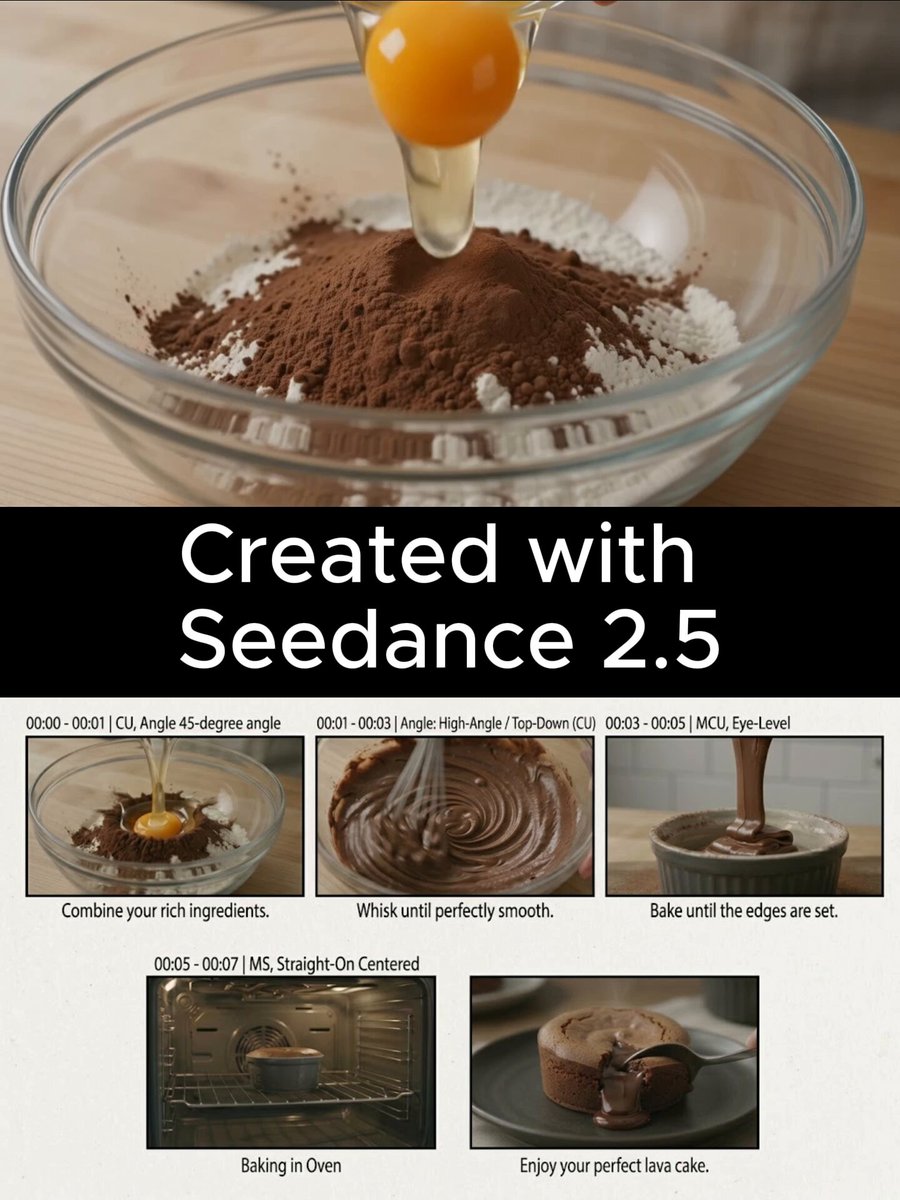
| B-roll montage | Text-to-video, short 4–6 second clips | Cheap variety, easy to cut to a music bed |
| Stylized brand film | Video-to-video restyle over real footage | Keeps genuine performance and timing |
| Recurring mascot | Image-to-video with a locked character reference | Identity survives across episodes |
| Explainers with UI | Screen capture plus generative backgrounds | Text stays crisp, visuals stay fresh |
Text-to-video, image-to-video, and video-to-video
Text-to-video is the fastest path to a concept and the hardest to control. Use it for exploration and backgrounds, not for shots where a specific object must look correct.
Image-to-video gives you a controllable starting frame. If you already have a strong still — from a photo shoot, a 3D render, or an image model such as Flux or Midjourney — animating it produces far more predictable results. Most product and character work should start here.
Video-to-video is for restyling and for adding effects to footage you already trust. It is the safest way to keep real human performance while changing the visual world around it. When framing, timing, or acting quality matters, shoot or source the base plate first, then transform it.
Whichever route you take, log the model, prompt, seed, and reference images for every approved shot. Reproducing a winning take six weeks later is nearly impossible without that record.
Building a Prompt and Asset System That Scales
One-off prompting does not scale. A calendar needs a system: a small prompt vocabulary, a shared asset folder, and a naming convention that survives handoffs.
The four-part shot prompt
Write every prompt in four ordered parts so it reads the same way each time:
- Subject and action — who or what, doing exactly what, in one clause.
- Setting and light — location, time of day, key light direction, mood.
- Camera and lens — shot size, movement, lens character, frame rate feel.
- Style and constraints — film stock or color language, plus what to avoid.
The fourth part is where most teams underinvest. Naming the failure modes you want to avoid — warped hands, drifting logos, rubbery motion, text overlays — measurably improves output. Store prompts in a spreadsheet with columns for shot type, approved take, seed, and length. That file becomes the real production asset.
Reference images and style locks
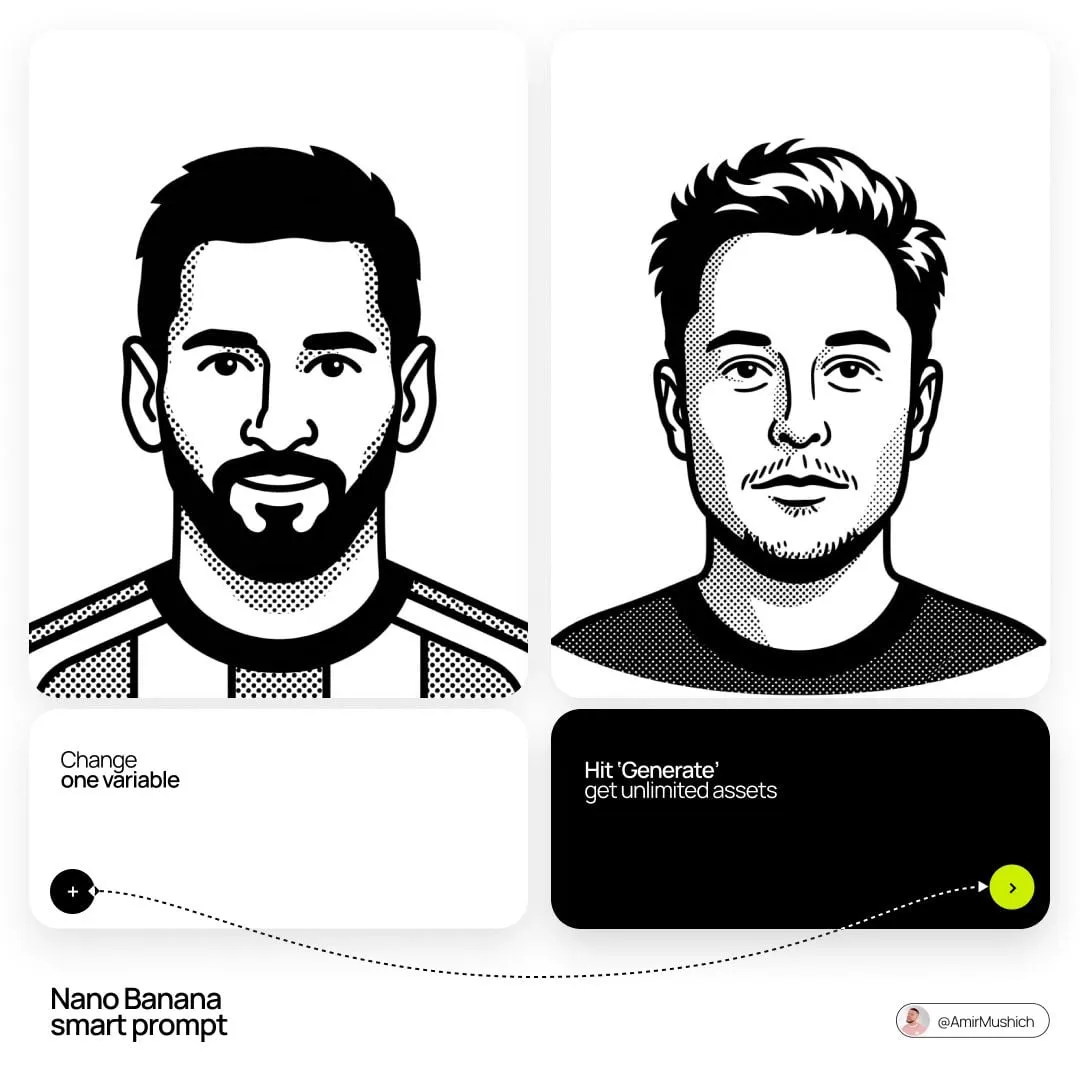
Build a folder of locked references: product stills, character sheets, color-graded frames, and a mood board that shows the target look. Lock the look with named elements you can repeat — a specific LUT, a grain level, a palette, a lens family. When every shot references the same anchors, the assembled cut feels intentional even though it came from six different pipelines.
Character and Style Consistency Across a Series
Consistency is the difference between a series and a pile of clips. Audiences forgive imperfect physics; they do not forgive a character whose face changes between episodes.
Character sheets and turnaround references
Create a character sheet with six to eight angles, neutral lighting, a consistent expression, and fixed wardrobe. Use the same sheet as the reference for every generation. Keep wardrobe and hair identical across episodes, and only change them when the story calls for it and you can regenerate the full sheet. If a model struggles with the face, generate at higher resolution or animate a strong still rather than forcing text prompts to invent identity.
Style anchors that survive a series
Define five anchors and audit every clip against them: aspect ratio and safe areas, color palette, lens and depth-of-field language, grain and texture, and cut rhythm. Write them down as a one-page style card. Editors, freelancers, and agency partners can then produce work that drops into the same timeline without a conversation.
A Practical Production Week
Here is a repeatable week that reliably produces eight to twelve short videos without burning a team out. Adjust volume to your capacity, then protect the structure.
Monday: brief, scripts, and asset prep
Finalize the week's angles, write scripts or hooks, and prepare references. Export product stills at high resolution, update character sheets, and confirm which clips come from existing footage. By the end of Monday, every shot in the calendar should have a prompt and a reference.
Tuesday and Wednesday: generation sprints
Work in blocks by shot type rather than by video. Generate all product heroes first, then all b-roll, then all mascot shots. Batching keeps your prompts consistent and reduces context switching. Approve takes immediately, rename winners, and log seeds. Expect roughly a twenty to thirty percent approval rate; plan for it instead of treating it as failure.
Thursday: assembly, sound, and captions
Cut in your editor of choice, add music and sound effects, and burn or upload captions. Sound is where most AI-driven content loses credibility — add ambience, impacts, and a clear voice track. Check loudness targets per platform and make sure the hook is audible in the first second.
Friday: review, scheduling, and documentation
Run the quality pass, schedule posts, and write a short retro: which prompt patterns worked, which shot types needed the most attempts, which hooks underperformed. That documentation is what turns a week of output into a compounding system.
Quality Control Before Anything Goes Live
Run every clip through the same five-point check. It takes under a minute and prevents the most common embarrassment.
The five-point review pass
- Identity: faces, hands, and body proportions stay stable.
- Geometry: products, logos, and text render correctly and do not flicker.
- Physics: motion, shadows, and reflections behave plausibly.
- Audio: voice matches lip movement, levels are consistent, no clipping.
- Context: claims are accurate, music and footage are cleared, and any required disclosure is present.
Common artifacts and quick fixes
Warping around edges usually means the clip is too long or the motion is too ambitious — cut it shorter. Flickering textures often improve with a slower camera move. Morphing hands are best solved by reframing so they leave the frame, or by animating from a cleaner still. Text that shimmers should be composited in the editor rather than generated. Drifting backgrounds get fixed by restyling real footage instead of generating the whole scene.
Cost, Time, and Scaling Decisions
Three questions decide how to produce any given clip: does it need a real person or product, does it need to be precise, and how long will it live? If the answer to the first two is yes, shoot it. If it is a background, a mood piece, or a concept exploration, generate it. If it needs factual product detail, consider stock or existing footage first.
Scaling comes from templates and repurposing, not from generating more. Build three or four recurring formats — a hook-plus-demo, a myth-busting explainer, a behind-the-scenes cut — and produce them every week with new inputs. Then repurpose aggressively: crop a horizontal hero into three verticals, cut a ten-second teaser from the strongest beat, and reuse the audio bed across a week of posts.
Batch generation also lowers cost per usable clip, because retries share the same session and references. Track two numbers weekly: attempts per approved clip, and hours from brief to published. Both should trend down as your prompt library matures.
Mistakes That Sink AI Video Campaigns
The most damaging pattern is chasing novelty. A new model launches, the team pivots, and the style card gets thrown away. Audiences do not reward novelty; they reward recognition.
The second is ignoring audio. Silent, sterile clips read as unfinished on every platform that autoplays with sound. The third is over-long clips. Generative motion degrades with duration, and short-form attention rewards brevity. Keep most clips under fifteen seconds.
The fourth is publishing raw output. Unedited generations look impressive in a demo and amateur in a feed; a color pass, sound design, and captions close most of the gap. The fifth is having no feedback loop. If you never compare hook styles or formats against retention data, you are producing volume rather than learning. The sixth is skipping disclosure and rights checks. Confirm what your platform and market require, and keep licenses for every music track, voice, and footage element you use.
FAQ
Can generative video replace a videographer?
No, and framing it that way creates the wrong incentives. It replaces certain costs: coverage shots, concept exploration, localization variants, and background plates. It does not replace lighting a real product, directing a real performance, or judging whether a cut works.
How many attempts does one usable clip take?
Plan for three to five attempts per approved clip when starting out, and two to three once your prompt library and references are mature. Track the ratio; if it climbs, the prompts have drifted or the references are inconsistent.
Do I need multiple models?
Usually two or three defaults are enough: one strong image-to-video model for controlled shots, one text-to-video model for b-roll, and one restyling model for live footage. Adding more than that slows decisions without improving output.
What is the fastest way to keep a character consistent?
Lock a character sheet with multiple angles and neutral lighting, animate from that reference rather than prompting from scratch, and keep wardrobe and styling fixed. Regenerate the sheet only when a change is intentional.
How do I keep text and logos from breaking?
Generate the shot without text, then composite the text and logos in your editor. For products, animate from real stills so geometry stays accurate. Never rely on a model to render a legal line or a price.
How should I measure whether this is working?
Track three metrics: published clips per week, hours per published clip, and three-second retention. If output rises while retention holds steady, the workflow is working. If retention falls as volume grows, the system is producing filler.
