

Why short vertical video still rewards deliberate craft
Short vertical video is no longer a side format bolted onto a longer content plan. It is the surface where new audiences meet a creator, a product, or an idea for the first time, and it rewards a particular kind of discipline: clarity at speed. A viewer arriving from a feed has no context, no loyalty, and no patience. Everything the video needs to communicate has to arrive early and land cleanly, which is why the gap between a clip that travels and a clip that stalls is rarely about budget. It is about decisions — what to show first, what to cut, and what to leave out.
The temptation is to treat reach as a lottery. There is randomness in it that nobody controls. But randomness sits on top of a system. Retention curves, rewatch behavior, shares, saves, and comments all respond to structure. A video that opens on a clear promise, escalates through visible change, and resolves in a satisfying way will beat a video with identical production values that meanders for eight seconds before making its point. Craft is the part you control.
This guide walks through a full workflow: how to earn the first three seconds, how to script for density instead of duration, how to shoot and light a phone setup that looks intentional, how to edit for retention, where generative tools genuinely help, and how to turn scattered posting into a repeatable testing loop.
The three-second contract: earning the scroll-stop
Every short video makes an implicit contract with the viewer. In the first moments you promise something specific — a transformation, an answer, a laugh, a reveal — and the rest of the clip either pays that promise off or breaks trust. The failure mode is almost always the same: the creator knows what the video is about, so they assume the viewer does too.
Hooks that work without gimmicks
A strong hook does not need shouting, jump cuts, or a shocked face. It needs a visible information gap. Useful patterns include:
- Mid-action openings. Start halfway through the thing you are demonstrating. The viewer sees progress and wants the cause.
- Specific claims. Numbers, named tools, and concrete outcomes beat vague promises. Precision reads as credibility.
- Before and after in one frame. If the result is visual, show it immediately, then rewind to explain.
- Contrarian framing. State the assumption everyone repeats and explain why it fails in practice.
- Direct address with a stake. Tell the viewer what they will be able to do by the end, not what the video is about.
What these share is that they remove ambiguity. Ambiguity is expensive in a feed, because the alternative to your video is always one swipe away.
Setting up the first frame
Before you record anything, design the frame that will appear as the thumbnail and the opening image. It should contain a face, a subject, or a legible object, plus enough negative space for text overlays that platforms may place near the top and bottom. Think of the frame as a poster: if it only makes sense once the video is playing, it is doing half its job.
Scripting for density: writing that respects the thumb
Short video is not long video compressed. It is a different genre with different physics. A useful mental model is density: the amount of meaning per second. Two videos can both run thirty seconds while one delivers a single idea and the other delivers a complete demonstration with proof.
The one-idea rule
Each clip should carry one idea, one promise, and one payoff. If you find yourself listing three reasons, three tips, or three examples, you have material for three videos. Splitting them gives you three chances to be discovered instead of one crowded clip that no viewer finishes.
Beat sheets for short, medium, and long clips
A simple beat sheet keeps the script honest:
- 15 seconds: hook (0–3s), context in one line (3–6s), demonstration or twist (6–12s), closing payoff (12–15s).
- 30 seconds: hook, stakes, two beats of escalation, payoff, and a light call to the next action.
- 60 seconds: hook, stakes, three escalating beats, a complication or counterexample, resolution, and one forward-looking line.
Write the beats before you write the lines. Dialogue is easier to trim than structure.
Writing the spoken track and the visual track separately
Two columns help: what is said, and what is shown. If the spoken line explains what the visual already shows, delete the line. If the visual is idle while the narration carries weight, plan a cut or an insert. Videos that feel dense usually have both tracks working at all times.
Production: a phone setup that punches above its weight
You do not need a cinema camera. You need controlled light, clean audio, and stable framing. Those three things account for most of the perceived quality difference between amateur and professional-looking vertical video.
Framing and camera handling
Shoot native vertical rather than cropping a horizontal frame. Cropping discards resolution and forces you to compose for a rectangle nobody sees. Lock exposure and focus where you can; drifting autofocus is one of the most common reasons a good clip looks unpolished. Keep the subject slightly off-center so text overlays do not cover faces, and leave headroom for platform interface elements.
Light that reads as intentional
A single soft source placed at roughly forty-five degrees to the subject, plus a reflector or a white wall to bounce fill, will outperform a room lit from above. If you are shooting near a window, face the window and let the background fall darker. Consistency matters more than perfection: if every clip in a series is lit the same way, the series feels like a show.
Audio that does not betray you
Viewers forgive soft images and abandon harsh audio. Record close to the subject, use a lavalier or a clip-on microphone when possible, and treat the room: soft furnishings, rugs, and curtains absorb reflections. Keep a consistent loudness target across your videos so nobody reaches for the volume slider mid-scroll.
Editing for retention: pacing, captions, and cuts
Editing is where most of the retention gains live. The camera captures material; the timeline decides whether anyone watches it.
Cut rhythm and pattern breaks
Every cut is a small promise that something new is coming. A steady rhythm of cuts every one and a half to three seconds keeps attention moving, but relentless cutting becomes noise. The better technique is the pattern break: after a run of similar shots, change something — angle, distance, setting, or pace. Pattern breaks reset attention just as it starts to fade.
Remove the dead air at the start. Trim the first half-second of any clip used as an opener, and cut the tail as soon as the payoff lands. Endings that linger train viewers to swipe early.
Captions and text hierarchy
Most feeds are watched without sound, so captions are not optional. Keep them to two or three lines, place them consistently, and prioritize one piece of on-screen text at a time. If a caption repeats the narration word for word, consider shortening it to the key phrase — subtitles that duplicate audio exactly tend to feel slower than the audio itself.
Sound design and music
Music sets expectation before a single word is understood. Choose tracks with a clear rhythmic anchor and edit your cuts to land on the beat, at least for the opening seconds. Sound effects — a soft whoosh on a transition, a click on a reveal — add perceived production value for almost no effort. Keep dialogue and narration above the music bed, and check the mix on a phone speaker, not just headphones.
Using generative tools without losing your voice
AI-assisted production has moved from novelty to practical utility, and the useful question is no longer whether to use it but where.
Where generation genuinely helps
- Pre-production. Brainstorming hooks, generating ten variations of a title, or outlining a beat sheet from a rough idea.
- B-roll and inserts. Creating short abstract shots, textures, or illustrative sequences that would be expensive or impossible to film.
- Localization. Subtitling, dubbing, or adapting a clip for another language market.
- Cleanup. Noise reduction, background removal, and upscaling for older footage.
- Thumbnails and static assets. Fast iteration on cover frames and end cards.
Where it works against you
Generic generated visuals signal generic thinking when they replace the one thing only you can show: your product, your process, your face, or your location. Use generated material as connective tissue between real shots rather than as the main subject. If a viewer cannot tell what is real in your clip, the clip stops building trust, and trust is what converts a view into a follow.
A practical rule: generated elements should never outnumber authentic ones in a single video. One or two synthetic beats support a story; six synthetic beats become one.
Testing and iteration: turning guesses into a system
Posting and hoping is the most common reason creators plateau. Replace hope with a loop.
What to measure
- Retention at three seconds. If this is weak, the problem is the hook, not the body.
- Completion rate. If viewers leave in the middle, the problem is pacing or payoff.
- Rewatches. High rewatch counts suggest a detail worth repeating or a satisfying loop.
- Saves and shares. These are the strongest signals that a clip has practical or social value.
- Follows per thousand views. This measures whether the video fits your identity, not just whether it was entertaining.
The weekly test loop
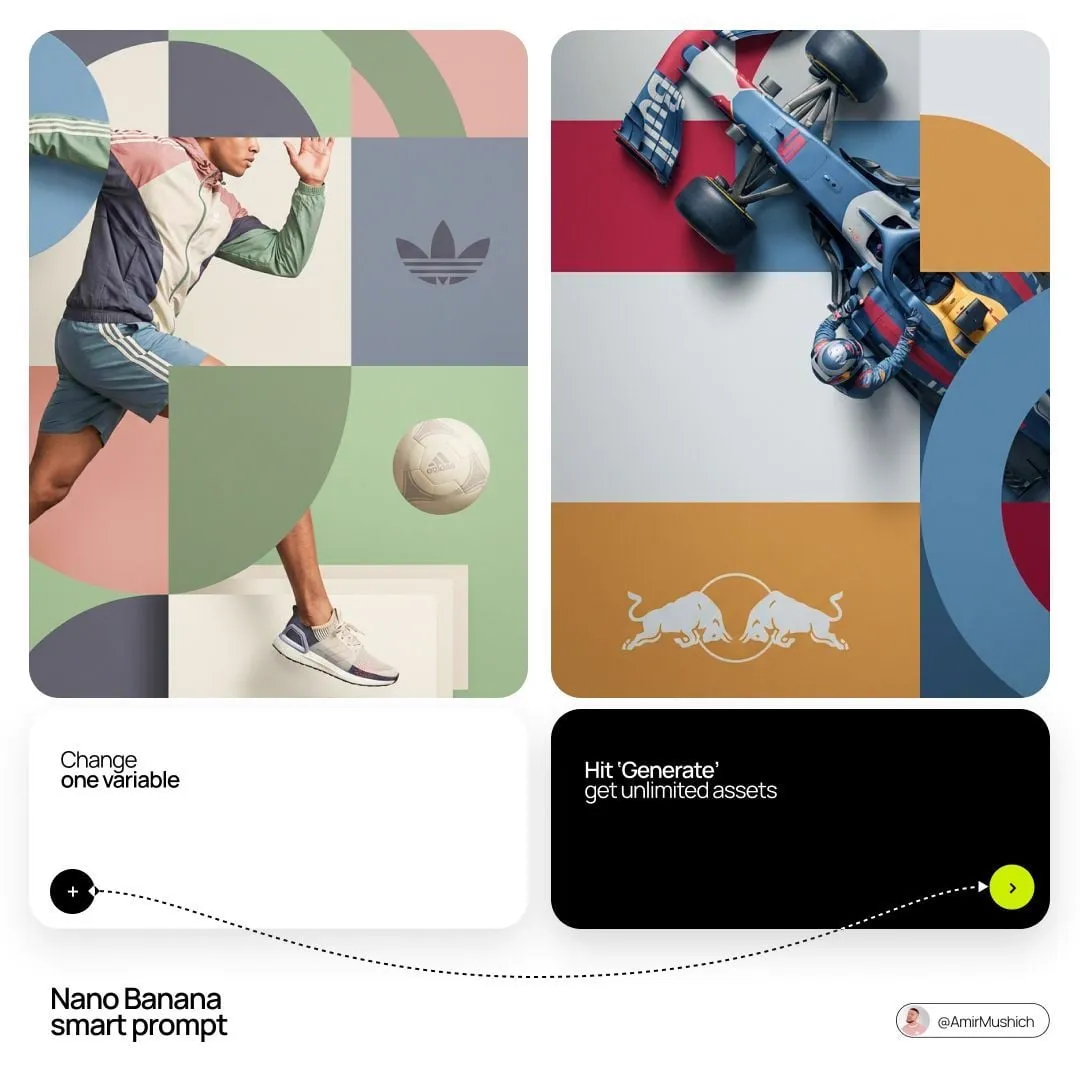
Pick one variable per week: hook style, opening frame, clip length, caption placement, or posting time. Publish four to six clips that keep everything else constant. Compare the group, not individual videos, because single-video results are dominated by noise. Then keep the winner and test the next variable.
Keep a simple log with the hook line, the format, and the key metrics. After a month you will have a record of what your specific audience responds to — far more valuable than any general list of tips.
Platform differences that change the edit
TikTok and Instagram Reels look similar and behave differently. TikTok rewards novelty and speed, and it distributes to cold audiences aggressively, which makes strong hooks and fast payoffs especially valuable. Reels tends to reward polish and recognizable aesthetics, and content often circulates within existing follower networks before reaching new viewers, so consistency of visual identity matters more.
Practical adjustments: for TikTok, front-load the payoff and keep the pace slightly faster; for Reels, invest in the cover frame, the color grade, and a series-consistent look. When you repurpose the same footage across both, do not simply export the same file. Rebuild the first two seconds, adjust the caption position for each interface, and change the title text. Small platform-specific edits cost minutes and meaningfully change performance.
Common mistakes that flatten reach
- Burying the payoff. If the interesting part happens at second twelve, several viewers never saw it.
- Explaining instead of showing. Long setup sentences lose the audience that a single visual would have kept.
- Inconsistent audio levels. A quiet clip after a loud one loses viewers in the transition.
- Cramming multiple ideas. Density is not the same as clutter.
- Ignoring the mute viewer. No captions means no message for a large share of the audience.
- Chasing trends without a fit. A trend that has nothing to do with your subject attracts viewers who never return.
- Over-polishing. A clip that looks like an advertisement often performs worse than one that looks like a person made it.
A quick pre-publish checklist
Before you post, confirm the following: the first frame communicates the subject without sound; the payoff arrives before the halfway mark; captions are legible on a small screen; the audio peaks are consistent; the ending is trimmed tight; the title and cover text add information rather than repeating the hook; and the clip delivers on exactly one promise.
FAQ
How long should a short video be?
As short as the idea requires and no longer. Many high-performing clips run between fifteen and thirty seconds because the payoff arrives quickly. Length is a consequence of structure, not a target.
Do I need expensive equipment?
No. A recent phone, a clip-on microphone, and one soft light source cover the majority of production value. Consistency in lighting and audio matters more than the price of the gear.
How often should I post?
Enough to run a meaningful test each week. For most creators that means four to seven clips, produced in a batch so that production overhead does not eat the time you need for editing and analysis.
Can AI-generated footage carry a whole video?
It can carry a mood piece or an explainer without a physical subject. For products, services, and personal brands, real footage should dominate, with generated material used as support.
Why did one clip do well and the next one fail?
Single-video variance is normal. Judge in groups of four to six clips that share a variable so you can attribute the difference to something you changed. The only reliable lesson from one viral clip is which specific element you can repeat on purpose.
What matters most if I can only improve one thing?
The first three seconds. Better hooks lift retention, completion, and shares at the same time, which makes them the highest-leverage edit in the entire workflow.
