
For most of film history, cinematic storytelling was a craft reserved for people with access to studios, crews, and significant budgets. The word "cinematic" itself implied equipment, lighting packages, and a director's seat. Generative AI has quietly erased that boundary. In a remarkably short time, a single creator with a strong idea and a clear reference can plan, direct, and produce moving images that carry genuine cinematic weight — without a camera on set at all.
This article explores what generative AI actually changes about storytelling, and how you can use it to produce cinematic-quality content. It covers the current state of the technology, the creative principles that survive the shift, and a practical workflow for turning an idea into a finished, film-like piece of video.
What "Cinematic" Really Means (and Why AI Can Deliver It)
Cinematic is a word used loosely, but it has a concrete core. A cinematic image is one with intentional visual design: deliberate framing, controlled lighting, depth of field that focuses attention, and a color grade that carries mood. Cinematic storytelling goes further — it uses those images in sequence to build tension, emotion, and meaning over time rather than simply showing things happening.
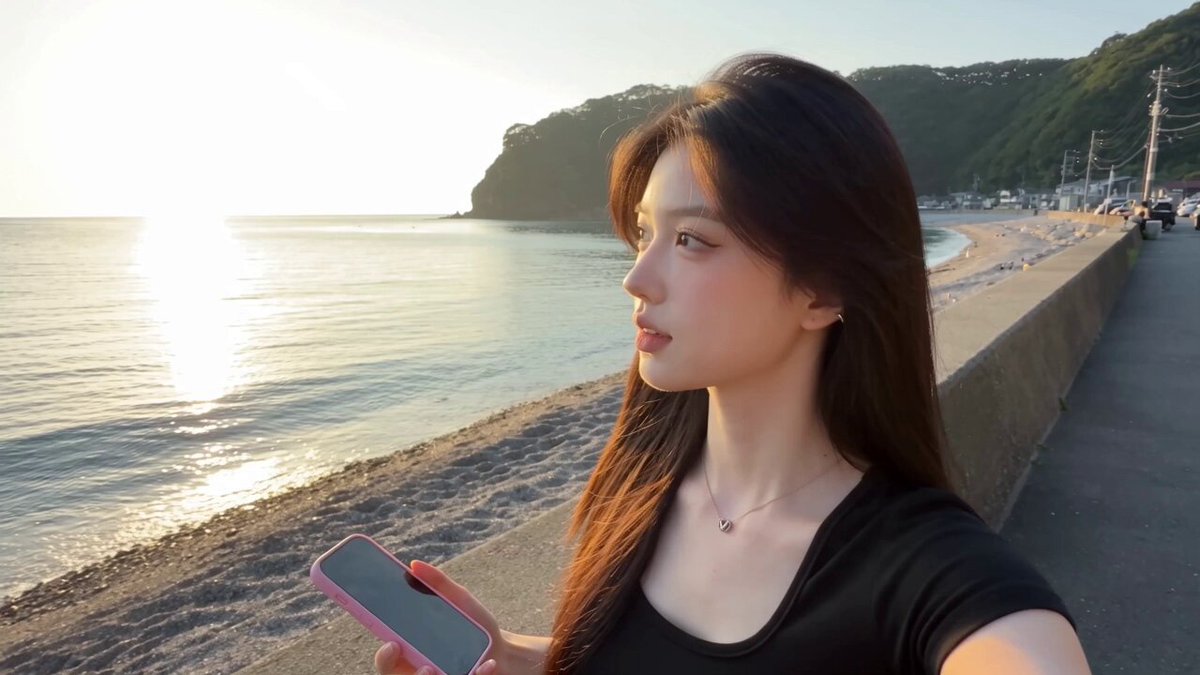
Generative video has reached the point where it can produce images that satisfy these criteria. Modern models can simulate depth of field, dramatic lighting, camera movement, and filmic color. The result is that the raw material of cinema — the shot — is no longer the barrier. Anyone can generate an establishing shot that looks like it was filmed on a soundstage.
The deeper point is that the cinematic look is now affordable and controllable enough to be a first-class tool for solo creators, small brands, and independent storytellers. The limiting factor is no longer access to gear. It is the same thing that has always been the real craft: the ability to decide what to show, in what order, and what emotion to build. That is why, in this new landscape, storytelling skills matter more than ever.
The Demand Shift: From Broadcast to Personalized, Scalable Content
Audience expectations have moved far beyond a single carefully produced video. Modern viewers want a steady stream of content that feels personally relevant and can be produced at scale — explainers, trailers, teasers, ads, and branded shorts, delivered faster than a traditional production calendar allows.
This demand shift is where AI video proves its value. Traditional production optimizes for quality, but its economics make each additional video expensive and slow. Generative workflows change the math: because the marginal cost of a new variant is low, a creator can produce more variations, test more directions, and respond to audience feedback in days rather than months.
The strategic implication is significant. Publishers able to combine cinematic quality with rapid iteration can build sustained engagement — keeping fresh content in front of audiences consistently instead of saving quality for occasional big releases. For independent creators, this means a realistic path to maintaining a regular cadence that would previously have required a production partner.
Consistency Is the New Craft: The Premium Model Tier
The single biggest technical challenge in AI cinematic work is consistency. Audiences forgive a lot, but they notice when a character's face changes between shots, when a product's packaging shifts color, or when the lighting of a scene no longer matches the one before it. Visual continuity is what makes a sequence feel like one film rather than a collection of unrelated clips.
Reaching this consistency is why premium generation models earn their place. Premium models typically offer stronger adherence to references, better preservation of character and object identity across shots, and finer control over lighting and camera language. If you are working on a brand asset or a narrative with recurring characters, this control is not a luxury — it is the difference between a credible piece and an obvious deepfake-adjacent artifact.
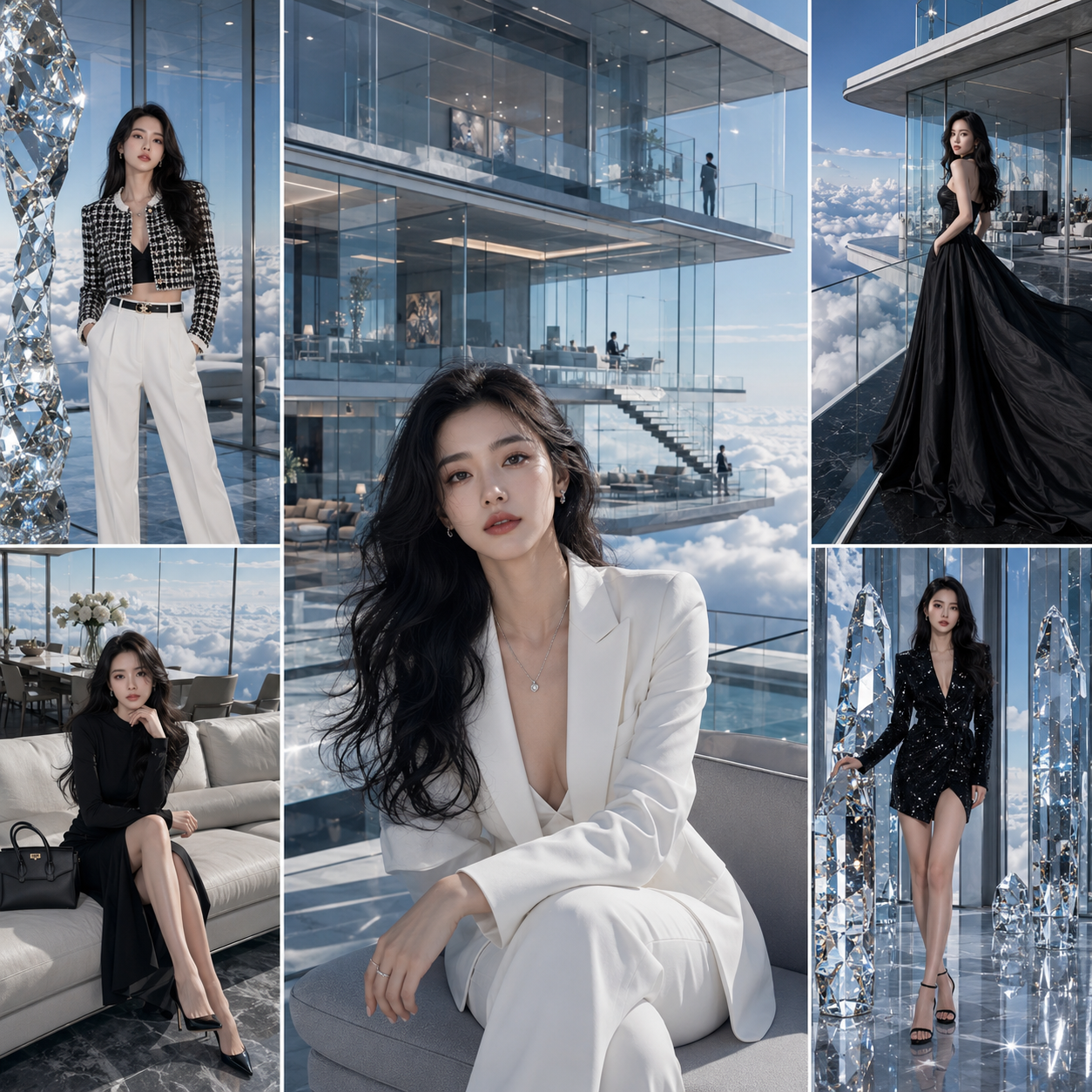
In practice, consistency is achieved through reference anchoring. Generate or source a strong still image of your hero — a person, character, or product — and keep feeding that image into image-to-video generation so every shot inherits the same identity. Combined with a premium model that respects the reference faithfully, this gives you continuity across an entire scene or episode without a production matrix to manage.
Efficiency Without Sacrifice: Models for Volume and Concept Testing
Not every shot needs the flagship treatment. A lot of cinematic work is iterative — testing concepts, blocking scenes, covering variations of an idea to see which direction has legs. Paying top-tier rendering costs for every test shot is unnecessary and slows you down.
This is where the tiered model strategy comes in. Use fast, cost-efficient models for the bulk exploration and testing phase: generating thumbnails, blocking frames, and roughing out scenes to validate an idea quickly. Reserve premium models for the final approved shots that carry the most weight — hero sequences, brand-critical moments, or anything a viewer will scrutinize closely.
Adopting a two-tier workflow keeps production fast and affordable without compromising the finished result. It also creates a healthier creative process: you can explore widely and kill bad ideas early, because cheap generation makes experimentation nearly free. In practice, this means more shots attempted, more directions tested, and a stronger final edit because the best choices were found and selected deliberately.
Directing the Shot: Camera, Composition, and Mood
Once you have reliable models and a consistent hero, the craft moves into direction. Cinematic output depends heavily on how you specify the shot, and this is where prompt engineering becomes an actual directing skill.
Start with camera language. Specify movement — a slow push-in for intimacy, a dolly out to reveal scale, a handheld shake for urgency. Specify the lens feel through depth of field: a shallow focus isolates a subject, a wider focus establishes context. These choices shape emotional response more than any single visual element.
Compose deliberately. Direct the eye to the subject through framing and negative space. Keep the hero and text within a safe frame if the video will carry captions or overlays. Think about the rule of thirds and where your focal point sits relative to where the eye naturally travels.
Use light and color as narrative devices. Warm tones signal comfort; cooler tones signal distance or tension. A motivated light source — a window, a sunset, a neon sign — grounds the look and gives the scene a "why." Generate color grading into the prompt rather than leaving it flat; it is far easier to create the mood at generation time than to fix it in post.
Structuring Narrative With an AI Director Layer
Modern tools increasingly include an agent-like planning layer that behaves like an assistant director: it takes a brief, decomposes it into a shot list, and hands coherent instructions to the generator. Blending strategic planning with automated execution is one of the most powerful workflow upgrades available.
This layer matters because a cinematic sequence is rarely one shot. It is an arrangement of wide, medium, and close shots that build an idea. An assistant-director layer can propose that arrangement — establishing the location, introducing the subject, isolating a detail, and returning to a payoff — so you start from a structured plan instead of a blank timeline.
Keep your creative authority intact. Use the tool's shot list as a starting skeleton, then adjust pacing, shot variety, and the placement of emotional beats to match your vision. The goal is not to surrender direction to the tool, but to let it handle the procedural grind of decomposition so your energy goes into the creative decisions.
The same logic applies to audio. Cinematic scenes need purposeful sound: a score that builds with the tension, ambient layers that sell the space, and dialogue or VO delivered with the right tone. Treat audio generation as part of the directional toolkit, not an afterthought, and the finished piece will feel far more complete.
A Repeatable Workflow From Idea to Cinematic Short
Here is a concrete workflow you can run for your next cinematic video, whether it is a film teaser, a brand spot, or an artistic short.
Step one: one-line premise. Write a single sentence describing the emotional idea. "A lone traveler returns to a flooded hometown." This anchors every decision that follows.
Step two: story beats. Split the idea into three to five beats: setup, progression, turning point, payoff. Write one line per beat.
Step three: scaffold a shot list. Use a planning layer or simply block out which shots each beat needs — establishing, medium, close, insert. Note the mood and camera move for each.
Step four: lock your hero. Generate or source the reference stills for characters, settings, and products. Approve them before generating footage.
Step five: generate in tiers. Use fast models to rough out the shots from your list. Review, kill weak takes, and iterate cheaply.
Step six: polish with premium. Regenerate only the approved hero shots with premium models for maximum quality and consistency.
Step seven: add audio. Layer a fitting score, ambience, and voiceover or dialogue with generated audio, matched to the pacing.
Step eight: edit for rhythm. Cut the shots to the emotional logic, align cuts to sound, and keep only what advances the premise.
Step nine: review for continuity. Watch for any identity drift, lighting mismatch, or cue that breaks the illusion, and fix the offending shots before exporting.
Common Mistakes When Making Cinematic AI Video
Avoiding a few predictable errors will save you significant time and frustration.
- Chasing one perfect shot. Filmmaking is editing; a sequence of good shots beats one masterpiece. Prioritize the whole.
- Ignoring continuity. Reusing reference images and respecting the lighting design is what keeps scenes coherent.
- Over-trusting text prompts. Text-only generation drifts; anchor to reference images for people and products.
- Skipping the plan. Generating shot by shot with no shot list produces random-feeling output. Structure first.
- Neglecting sound. Crisp visuals with flat audio read as demo content, not cinema. Invest in score, ambience, and voiceover.
Frequently Asked Questions
Do I need a powerful computer to generate cinematic video?
Most generation happens on cloud platforms, so your local machine mainly needs to run the editing software. A mid-range laptop is usually sufficient for the planning, assembly, and review workflow described here.
How long can a single generated shot be?
It varies by model, but many top out around ten seconds of strong motion. Plan your edit by cutting a shot-list into these segments rather than expecting a single continuous take.
Can I use footage of real people realistically?
Consistency and realism with real or licensed likenesses raise ethical and platform-policy considerations. Use synthetic or clearly owned subjects, respect consent and likeness rights, and label AI content where platforms require it.
Is cinematic quality achievable without a premium subscription?
Yes, especially for learning. Free tiers can teach you the prompt and planning craft. Add paid models once consistency and resolution become the limiting factor in your specific output.
What software do I need beyond the generator?
A standard video editor for assembly, plus whatever tooling you use for voiceover and music. Many integrated platforms now include these, so you may not need separate software at all.
Final Thoughts
Generative AI has not removed the craft of cinematic storytelling — it has relocated it. The expensive part of cinema was always the machinery and the logistics; the conversation, emotion, and decisiveness were always the art. By eliminating the machinery barrier, AI pushes the entire craft toward the art: a better premise, a sharper story beat, a more deliberate shot, and a tighter edit matter more than ever.
The practical path is clear. Start with a one-line premise and a simple shot list. Lock reference anchors for consistency. Use fast models to explore and premium models to finish. Add sound that matches the mood. And treat the final export as a working draft, reading retention and feedback to direct your next iteration.
Whether you are an independent filmmaker, a brand marketer, a game cinematic creator, or a new storyteller, the tools are now within reach. The next cinematic masterpiece does not have to start with a film permit and a rented camera. It can start with a single idea and a well-directed prompt.
