


Going Vertical, Going Fast
Short vertical video now dominates the way people watch online. On YouTube Shorts, TikTok, and Instagram Reels, the format has reshaped everything from editing to packaging to monetization. For creators, this creates a paradox: the demand for content is relentless, but the patience for anything unpolished is virtually gone. The answer many producers have landed on is AI-assisted editing. When used correctly, AI editors compress the entire production pipeline, writing, visual generation, audio, captions, and finishing, into a fraction of the time it used to take.
This guide walks you through a practical, repeatable method for creating YouTube Shorts with AI tools. It covers choosing the right model for a vertical format, turning ideas into effective prompts, integrating audio and text, and managing the production process so you can publish consistently without burning out.
Why AI Editing Matters for Shorts
Two forces make AI editing essential for Shorts. The first is audience expectations. Even a fifteen-second video has to hit a standard of pacing, captions, and visual quality that would have seemed demanding for a produced piece a decade ago. The second is volume. One short is rarely enough; audiences expect a steady stream, and consistency is what builds a channel. AI editors remove the bottleneck between having an idea and having a publishable video.
The beauty is that you still control the creative direction. The AI handles the tedious mechanics: cutting, timing, captions, and the grunt work of translating your concept into frames. This is not about replacing your taste. It is about letting a machine take over the repetitive parts so you can spend your attention on the message and the hook.
Choosing a Model for a Vertical Format
Not every generation model is built for a 9:16 vertical frame. Some models crop awkwardly, cut off heads, or produce letterboxed results that ruin the Shorts experience. Before you settle on a tool, verify that it outputs a genuine vertical aspect ratio and keeps the key subject well-centered, since vertical framing changes composition dramatically.
When comparing models, think about what your content actually is. A talking-head short with a human presenter needs strong facial fidelity and natural mouth motion. A cinematic short needs good lighting and motion control. A fast joke or meme-style short needs speed more than realism. Matching the model to the content type, rather than picking a single default, has a big effect on the final quality.
The Vertical Composition Mindset
In horizontal video you have room on either side. In vertical video the frame is tall and narrow, so you compose for the center and keep important content inside the "safe zone" that the Shorts interface will not cover. If you pose a fully surrounded scene, you give the model a chance to waste the frame on empty top and bottom space. Tight, centered subjects read best on mobile.
Turning an Idea Into a Prompt
The gap between "I want a video about X" and a useful generation is prompt engineering. For Shorts especially, your prompt must describe a complete moment in a few sentences because you are generating movement, not a still.
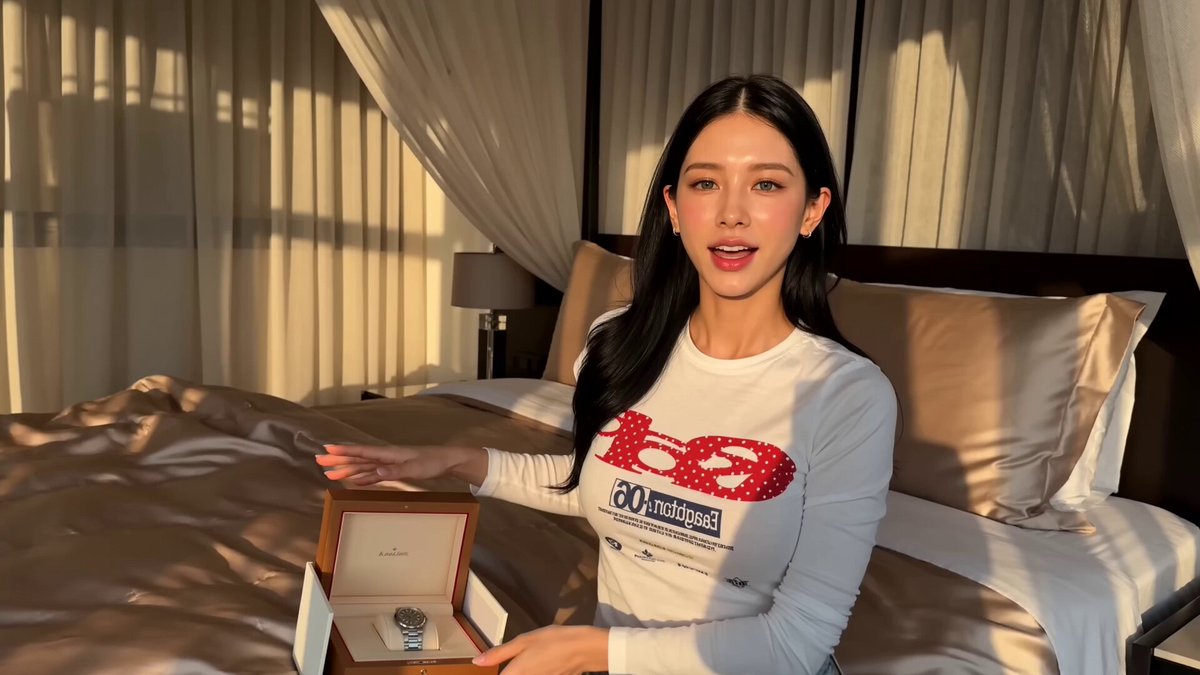
A solid prompt names the subject, the action, the setting, the camera movement, and the mood. For a tutorial AI cover, you might write: "A young woman with shoulder-length dark hair in a navy blazer explains three editing steps to a camera, minimal bright studio, steady medium shot, confident helpful tone." In the same way a hook works for an audience, a strong opening line in your prompt guides the model toward a decisive, energetic first frame.
A Short Prompt Checklist
- Lead with the subject and what they are doing.
- Add the setting and time of day for lighting.
- Specify camera movement, zoom, tracking, or static.
- Describe the emotion or tone.
- Keep it under thirty words, dense and specific.
Building the Audio and Text Layer
Shorts are often watched silently, so on-screen text and captions are not optional, they are the primary way many users consume the video. Generate accurate captions for any speech in the video and style them so they stay readable over your footage. Match the caption timing to the spoken words so nothing lags.
Music and sound effects carry the emotional rhythm. For fast, punchy content, cut on the beat. For tutorials, keep music low and let the voice lead. If you use dialogue, make sure the generated visuals match the words, a common weakness is a mouth that moves out of sync, so prioritize models known for strong speech and lip sync when your content is talk-driven.
Sound Design for Shorts
- A clean voice-over or narration with minimal music works best for tutorials.
- Energetic music with beat-matched cuts suits fast and comedic content.
- Subtle sound effects add texture and polish to motion.
- Cap peak levels so nothing distorts on phone speakers.
Using an AI Director to Guide the Shoot
Generating a single shot is one thing; keeping a whole Short coherent is another. An AI director layer helps by turning your concept into a shot plan: a hook opening, a body that delivers the point, and a quick payoff. It enforces that the main character or subject stays consistent from shot to shot and that the cuts follow a logical flow.
When you set up your project this way, each generation is tied to a plan rather than produced in isolation. This is what separates a professional-feeling Short from a random collection of clips. You review and edit the plan before generation, so structure problems are caught early and cheap.
Enforcing a Consistent Subject
If your Short stars a recurring character or your own avatar, generate a reference image and reuse it. Describe your subject with the same words every time if you must use text. Consistency is the single feature that makes repeated content feel like a brand.
Managing Production With Task Queues and Batching
Producing Shorts week after week is a workflow problem as much as a creative one. The most effective creators treat generation like a queue. Submit a batch of tasks, let them render in the background, and handle one part of the pipeline while another runs. This parallelization is the practical engine of consistency.
The Batching Rhythm
- Script and plan a batch of Shorts for the week.
- Write all prompts and build reference images first.
- Queue the generation tasks and let them render.
- Review output in batches, retry only the shots that failed.
- Assemble, add captions and audio, and publish.
Working in batches like this lets you stay consistent with publishing while keeping the creative overhead low. Instead of starting each video from zero, you are processing a rolling queue of ideas through a fixed pipeline.
Reviewing and Refining Quality
Not every generation will be perfect, and that is normal. The goal is a reliable review loop, not zero retries. Look at each shot against the shot list. Did the subject stay consistent? Does the motion match the prompt? Is the framing right for vertical?
When a shot misses, fix the specific cause. If the character changed, go back to the reference image. If the motion was wrong, simplify the action into a shorter segment. If the framing was off, tighten the prompt. Regenerating with a targeted correction is far more effective than blindly hitting generate again and hoping.
A particularly useful technique for tough shots is to generate in smaller pieces. A short, reliable segment that you stitch together beats one long, unstable pass. Small wins accumulate into a finished piece that holds together.
From Process to Habit
The tools for making AI-assisted YouTube Shorts keep improving, but the process that works today has a stable core: understand the vertical format, write dense prompts, enforce consistency, manage your work in batches, and review every shot against a plan. If you build those habits, the specific models and editors can change beneath you and you will still publish quality content on schedule.
Treat the tool as a fast collaborator rather than a magic button. Decide the story, set the constraints, and let the AI take care of the heavy lifting of turning your words into a completed Short that is ready for the feed.
Frequently Asked Questions
How much time does AI editing actually save?
For a simple talking-head or meme Short, the full pipeline can drop from hours to minutes. The creative decisions still take time, but the mechanical work of generation, captions, and assembly is massively compressed.
Do I still need a human to review the output?
Yes. AI can produce a rough-to-final draft, but a human eye is needed to catch pacing issues, factual errors, and subtle visual problems that a machine misses. Treat AI output as a strong draft, not a finished product.
What if the AI-generated videos look too generic?
Differentiate with your specific branding: a unique color grade, a distinctive caption style, a signature intro, and a consistent subject. Genericity comes from default choices, and defaults are easy to override.
Can I use AI for faceless or anonymous channels?
Absolutely. Many Shorts use only stock footage, screen recordings, or generated imagery with a voice-over. Faceless channels thrive on strong scripting and audio quality.
Is it better to generate clips and edit, or use an all-in-one tool?
Start with whatever lowers your friction. Some creators prefer assembling short clips in a traditional editor for maximum control. Others want the all-in-one speed. Match the approach to your workflow and the type of content you produce.
Building a Repeatable Script and Hook Bank
One reason creators stall is that they treat every Short as a brand-new invention. Professional channels eliminate the blank page by keeping a small bank of proven structures they can adapt to any topic.
A hook bank is a list of opening formulas that reliably stop the scroll: showing the outcome first, asking a pointed question, contradicting a common belief, or zooming straight to the payoff. When you start a new Short, pick a hook from the bank that fits the topic instead of improvising. Your bank grows as you notice which openings earn your best completion rates.
A script bank is even more powerful. For a given format, a talking-head tip reel, a three-step tutorial, a myth-busting entry, you write the skeleton once and fill it with new content each time. The pacing, the counts, the transition beats are proven; only the subject changes. This collapses the writing time for each Short and produces a consistent, professional cadence your audience recognizes.
Avoiding the Generic Look
The fastest way for AI-made Shorts to look generic is to accept every default the tool offers. Defaults are invisible choices someone else made, so your output collides with everyone else's. Take three deliberate decisions in the direction of a signature.
Own your captions. Pick a font, a color treatment, and a placement that is unmistakably yours. Consistent caption styling is a free branding win that also improves readability.
Control the grade. Give your footage a color grade rather than exporting the raw look. Even a gentle, consistent lift in contrast or saturation makes a batch of Shorts feel unified and considered.
Make your transitions yours. Use a recurring transition, a quick flash, a match move, a stylistic wipe, that viewers begin to associate with your channel. Repetition builds recognition, and recognition builds loyalty. When a viewer spots one of your Shorts in a feed because of how it looks, you have won half the battle before they press play.
Complement those three decisions with a consistent opening heartbeat. Choose one signature element that appears in every Short, a short cold-open graphic, a recurring intro line, or a specific sound, and let that element act as your calling card. It costs almost nothing to maintain and it compounds: after a few months of consistent repetition, your audience will start recognizing your work before they even register the title. This is how a maker of many Shorts becomes a recognizable channel rather than a stream of interchangeable videos.
