
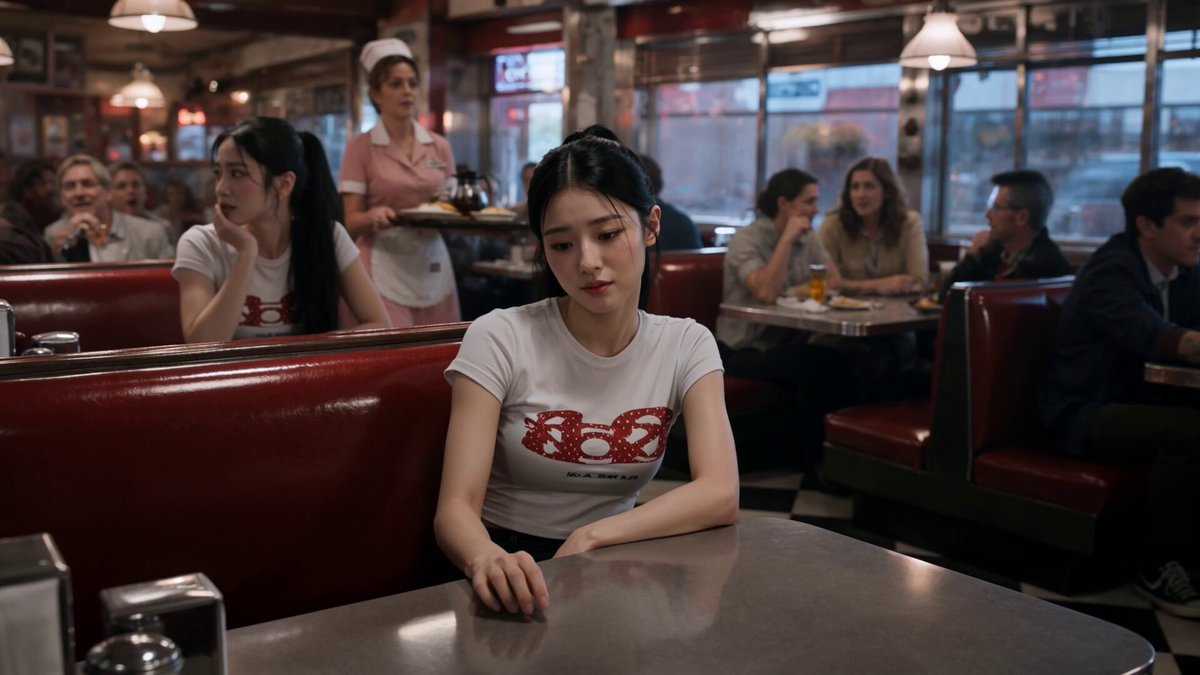

The gap between a rough idea and a finished, cinematic video used to be a painful gulf. You would write a script, hire a director, storyboard every shot, scout locations, fiddle with lenses, and chase a vision across countless takes. Now, AI tools that behave like an assistant film director are closing that gap. They can read your script, break it into a shot list, decide on framing and camera movement, and keep the same character looking right from scene to scene. If making genuinely cinematic-looking video is the goal, learning to design shot sequences with an AI director is one of the most useful skills you can build.
This article is a practical walkthrough. It explains why shot design matters more than raw generation quality, how an AI director plans a sequence, how to keep your characters consistent, how to control the virtual camera, and how to move from a text script to an actual storyboard you can produce. You will also find a repeatable checklist you can use on your next project, whether you are making a music video, a short film, a brand spot, or a social clip that needs to feel like cinema.
Why Shot Design Is the Real Battlefield
Most creators who start with generative video are surprised to discover that the hardest problem is not producing a single impressive frame. Producing one beautiful image is easy. Producing a sequence of frames that tells a coherent story, holds the viewer's attention, and feels deliberate is hard. Shot design is the discipline that turns a pile of attractive clips into something with shape and intention.
Think about how you watch a film. Long before you register the quality of the light or the detail in the set, you are reading the rhythm of the shots. A close-up tells you to pay attention to emotion. A wide establishing shot sets the world. A slow push-in builds tension. A quick cut adds energy. These choices are the vocabulary of cinema, and an AI director that understands this vocabulary can suggest the right shot for each beat of your script instead of leaving you to guess.
A tool that merely regenerates any image you ask for gives you raw power. A tool that plans shots hands you the same power with direction. That distinction matters because the market is now full of models that can produce gorgeous single frames. What is rare is a workflow that strings them into narrative. Approaching generative video with a shot-by-shot plan is the difference between a sequence that feels like footage and one that feels like a slideshow of unrelated pictures.
How an AI Director Turns a Script Into a Shot List
The core job of any director, human or digital, is interpretation: turning a written scene into a series of decisions about what the camera shows and when. An AI director does the same thing in software. You feed it a script or a scene description, and it produces a breakdown of shots, each with suggested framing, camera angle, duration, and purpose.
From Text to a Structured Scene Breakdown
When you provide a scene, the AI Director first splits it into beats. A beat is the smallest dramatic unit, often a single action or line of dialogue that carries meaning. For each beat, the director decides what the viewer needs to see. If a character announces a shocking decision, the beat probably calls for a medium or close shot so we can register the reaction. If your scene introduces a location, the beat likely needs an establishing wide shot.
This breakdown gives you a working document called the shot list. Each entry in the list answers a few practical questions: what is happening in this shot, why is it in the story, and how should it be framed to make that purpose obvious. Once the shot list exists, the creative work becomes a set of concrete tasks instead of an overwhelming blank page.
Connecting to the Video Generation Model
A modern AI Director does not work in isolation. It connects to one or more text-to-video generation models and passes each planned shot to the model as a structured generation request. Instead of you writing a separate prompt for every clip, the director composes prompts that match the framing and mood you agreed on for each beat. This removes a huge amount of guesswork because the prompt and the shot plan are generated together and stay consistent with your script.
The gain is efficiency. With a human crew, storyboarding and shot planning take days and cost real money. With an AI director, you can iterate on a scene, change the shot design, and regenerate the sequence in minutes. That speed matters for anyone producing content on a regular schedule, because it lets you test multiple creative directions before you commit to one.
Building a Shot Sequence: Framing and Camera Movement
Cinematic video lives or dies on a few transferable rules. You do not need a film degree to make good decisions once you know the building blocks. The AI Director can suggest them, but understanding them yourself lets you control the result instead of accepting whatever it proposes.
Shot Sizes and What They Communicate
- Extreme wide and wide shots put the character in their world and establish scale, location, or isolation.
- Medium shots frame a person from roughly the waist up, giving room for body language while keeping the face readable.
- Close-ups pull attention to emotion, detail, or a significant object, and they are the workhorse of reaction scenes.
- Extreme close-ups are reserved for emphasis, like a trembling hand or the flicker of a screen.
The classic instinct is to overuse close-ups because they look cinematic, but a strong sequence alternates sizes deliberately. Open wide to understand the space, move to medium to see the action, then cut to close when the emotional beat lands. That alternation creates rhythm and keeps the edit feeling alive.
Camera Movement and Motivating It
Camera movement should never be decorative. The best movements are motivated, meaning they exist to reveal information, build emotion, or follow action. A slow dolly-in signals a shift toward intimacy or tension. A tracking shot that follows a character walking builds a sense of journey. A handheld wobble adds energy, urgency, or documentary realism. A static locked-off shot can be the right choice and reads as calm and composed.
When you tell an AI director the emotion you want in a scene, it can propose the movement that supports it. But you should be able to ask for specific moves too. Wording matters: requesting a slow push-in on a close-up, a character who turns toward the camera, or an aerial shot that rises to reveal the whole city gives the model clear direction. Ambiguous requests like make it cool produce vague results, so be specific about geometry and intent.
Keeping Character Continuity Across Many Shots
Multiple shots mean the same actor must appear in all of them, and this is where generative video historically falls apart. A face that shifts between angles, a costume that changes color between shots, or a tattoo that moves across the body destroys the illusion instantly. An AI director addresses this by pinning an identity that is reused across the whole sequence.
The Mechanics of Identity Lock
The better pipelines take one or more reference images of your character and convert them into a reusable identity that the generator respects. Rather than redefining the person in every prompt, you define them once and the generation model applies that identity to every shot in the sequence. The result is dramatically better continuity: skin tone, hairstyle, wardrobe, and facial structure stay stable because they all come from the same source.
Offering multiple reference images of the same character, from different angles and in different lighting, makes the identity even more robust. A front view, a side view, and a view under different light give the model enough information to reproduce the person faithfully whether they are facing the camera or turning away.
Character Consistency Within a Shot
It is also worth checking consistency inside a single shot. If your shot is long or the camera moves a lot, a character can drift. Applying the same identity reference to the generation request for that clip keeps the features stable from the start of the clip to the end. After producing the clip, review it as a sequence rather than as isolated frames, because the viewer sees the finished edit, not the stills.
Lights and shadows should also stay cohesive. If a shot shows a window on the left casting light, the character's highlights should come from the left in that clip and in any adjacent clips that share the same space. The AI Director can help you set up a coherent lighting direction per scene so the world does not shift between shots.
Optimizing Pre-Production and Batch Production
Professional video is increasingly produced in batches, and cost control is part of the job. A director workflow shines here because it turns an open-ended creative task into a bounded pipeline with predictable steps.
A Repeatable Production Pipeline
Define your scene in text, generate the shot list, lock the character identity, and then generate each shot in sequence. Because every step has a defined structure, you can reuse the same process for an entire season of content. A series with a recurring host, a brand that posts daily, or a creator building a library of explainer videos all benefit from a template they can feed with fresh scripts.
Cost and Time Controls
Generative video tokens and render time are real constraints. A director that plans shots lets you prioritize which clips deserve premium generation and which can be produced more cheaply because they matter less to the story. You might spend more on the hero shots and less on transition clips. This kind of deliberate allocation is how professional teams keep quality high while managing budgets, rather than spending generously on every clip and hoping for the best.
Planning also reduces waste. When you generate from a shot list, you generate with intent. You avoid producing many variations of the wrong thing because you already decided what the shot should be. The leaner pipeline means you iterate on design decisions before rendering, which is nearly free, instead of after, which is expensive.
A Practical Checklist for Your Next Shot-Designed Project
Work through these steps in order and you will have a reliable foundation for cinematic generative video.
- Write a short scene brief that states what happens and the emotion you want to land.
- Ask the AI Director to produce a shot list that breaks the scene into beats with a suggested shot size and camera move for each.
- Review the shot list and adjust framing where the drama demands it; your taste is the final authority.
- Lock a character identity from one or more reference images and assign it to the sequence.
- Set a consistent lighting direction for every shot that shares a space.
- Generate hero shots first, verify the story still reads, then fill in transitional clips.
- Assemble the edit and watch it as a playback, not as stills, before calling it done.
- Iterate on the parts that break continuity or pacing, regenerating only the clips that need it.
Common Pitfalls and How to Avoid Them
Do not skip the shot list and jump straight to generation. It feels faster but usually produces a disconnected pile of clips that you then waste hours trying to edit into a story. Finish the plan on paper first.
Do not give every shot the same framing. A sequence full of medium shots reads as flat and monotonous. Vary the sizes and movements deliberately.
Do not ignore continuity. Generate your hero shots, then place clips adjacent in the edit next to each other in your review so you catch identity and lighting drift immediately.
Do not use camera movement without a reason. If you cannot say what the movement is for, cut it. Decorative motion reads as amateur.
Do not treat every clip equally. Spend your generation budget on the shots that carry the story and reserve cheaper settings for supporting material.
Frequently Asked Questions
What is the difference between a standard text-to-video tool and an AI director?
A standard tool generates a clip from a prompt. An AI director plans the whole sequence, builds a shot list, sets framing and camera moves, and then generates the shots so they fit the story rather than standing alone.
How many reference images do I need for a consistent character?
One good reference can work, but two or three showing the same character from different angles and under different light make the identity far more stable across shots.
Can I use this workflow for anything besides short films?
Yes. Music videos, brand spots, tutorials, social content, and even product videos all benefit from planned shot design because it makes any video feel more intentional.
Do I need to understand cinematography first?
No, but it helps. The AI Director suggests sensible default framing, and learning the basic shot sizes and motivated movement lets you override it with confidence.
How much time does planning actually save?
A lot. Generating blindly and then rescuing footage in the edit is the slowest route. A small investment in a shot list means you render with intent and edit smoothly, which is far cheaper in both time and render budget.
Final Thoughts
The most cinematic generative videos are not the ones with the fanciest single frame. They are the ones where every shot has a purpose, characters stay recognizable, and the edit breathes. An AI director gives you the planning discipline of a professional crew inside a tool you can run from a desk. Learn to speak its language, master shot sizes and motivated camera movement, lock your characters, and plan your batches. The results will look less like generated clips and more like films, which is exactly what audiences can feel, even if they cannot name why.
