
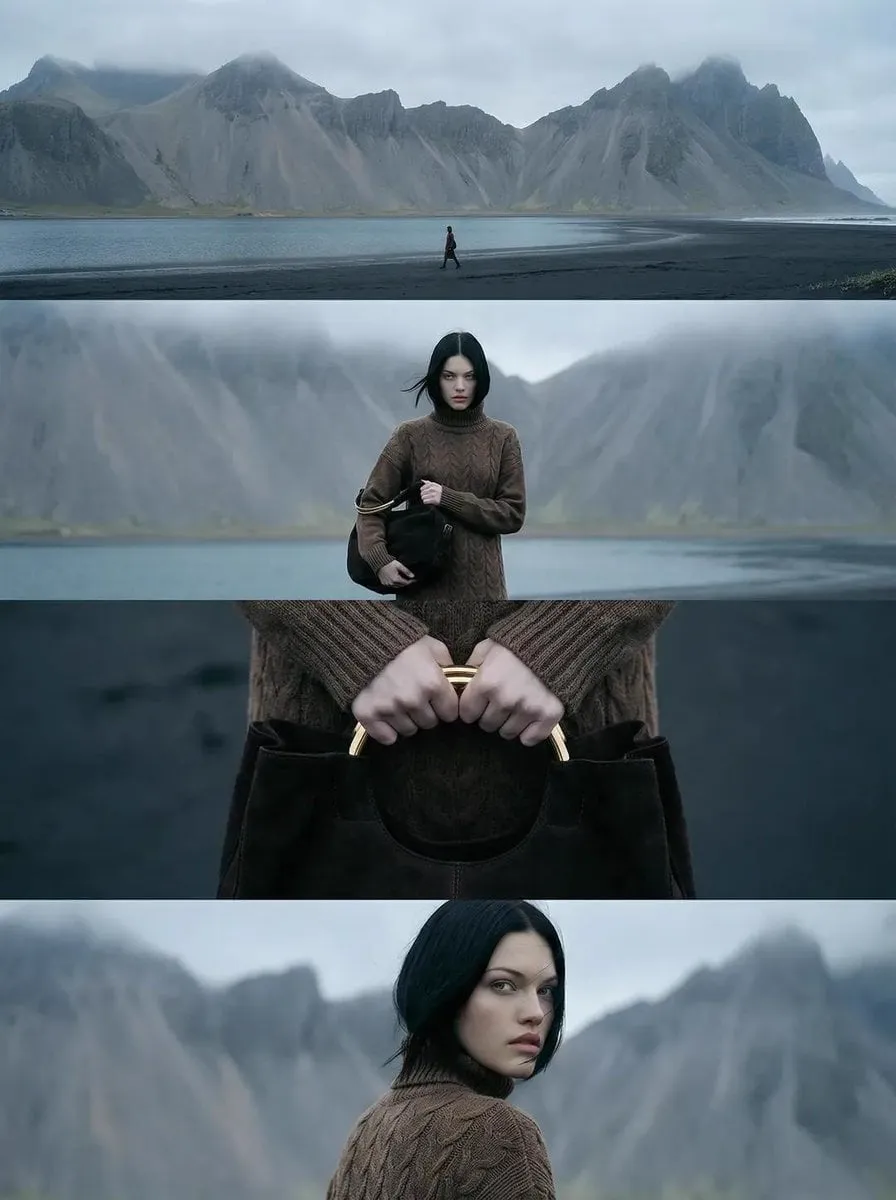
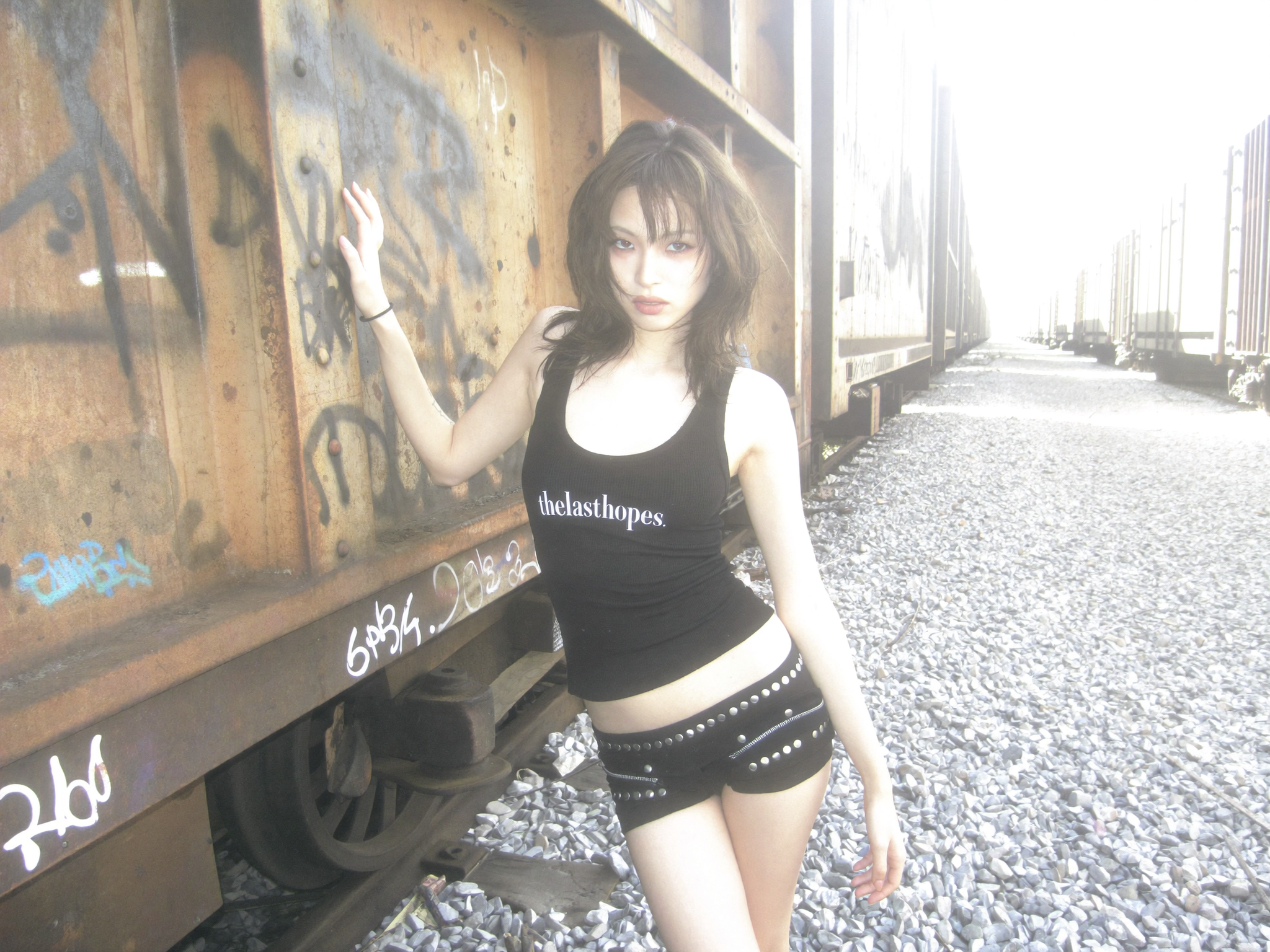
Text-to-image generation has moved from a fun novelty to a serious creative tool. In a very short time, the competition between generative models has shifted from simply having access to a model to the ability to get exactly the image you want out of it. The difference between a generic result and a stunning one almost always comes down to the prompt. This guide breaks down what experienced users do differently, how they structure their prompts, and how they adapt their language to the strengths of specific models.
Why prompt quality matters more than ever
The landscape of image generation is defined by two tensions: models are getting increasingly specialized, and users expect both photorealism and strong narrative coherence. It is no longer enough to describe a subject with a few keywords. To get images that match a precise vision, you need to speak the model's language. A well-structured prompt reduces randomness, increases control over composition, and saves you from wasting generation after generation on trial and error.
The biggest leap forward in recent years is that modern models understand longer, more detailed descriptions and can coordinate multiple concepts in a single scene. That opens the door to a much richer form of prompting, where you describe not just what is in the picture, but how the light falls, how the camera sees it, and what mood the frame should carry.
The anatomy of a great image prompt
Virtually every strong prompt can be broken into layers. Learning to separate these layers makes your workflow repeatable and your results predictable.
The core subject
Every prompt begins with the subject: who or what is being depicted. This is the anchor that everything else wraps around. State the subject clearly and specifically. Instead of "a dog," write "a golden retriever sitting on a porch." The more concrete your subject, the more the model has to build on. If the intent is a specific person, describe distinguishing features, clothing, and pose rather than relying on the model to invent a face.
The cinematic shell: style and composition modifiers
Around the subject you build a layer of stylistic and cinematic language. Terms like "soft volumetric light," "shallow depth of field," "35mm lens," "golden hour," or "high-contrast noir" temper how the image is rendered. This is where a lot of the difference between amateur and professional results lies. Using consistent, specific language here gives you reproducible aesthetics across a series of images.
Temporal and sequencing control
Some generation pipelines now support temporal control, which matters when you are building a sequence of related images, such as frames for a video or a character sheet for a story. By keeping the subject description constant and varying only the action or scene, you can maintain character consistency across multiple generations. This is the foundation of turning a single idea into a whole short storyboard.
Layered decomposition: the professional technique
One of the most reliable techniques is layered decomposition. Instead of writing one long run-on sentence, you explicitly separate the prompt into identified blocks. A practical structure looks like this:
- Subject block: who or what, with distinctive attributes.
- Setting block: where the scene takes place and what surrounds the subject.
- Lighting block: light source, quality, color temperature, and atmosphere.
- Camera block: lens, focal length, angle, and depth of field.
- Style block: art direction, mood, and rendering quality.
Building prompts this way makes it easy to iterate. If you are unhappy with the lighting, you change only the lighting block rather than rewriting everything. It also helps when you collaborate or when you need to reproduce a look across a project.
Optimizing prompts for different flagship models
Different models have different "personalities," and the best prompters learn to adapt. This is not about memorizing magic words; it is about understanding each family's strengths.
Stylized and detailed families
Some models excel at rich detail and stylized rendering. For these, emphasize descriptive modifiers and allow the model to fill in aesthetic texture. You can be playful with terms describing brushwork, texture, and materiality.
Photoreal and cinematic families
Other models chase realism and cinematic language. Here you want precise terms about cameras, lenses, lighting, and film stock. Being specific about the "cinematic shell" pays off more than piling on adjectives. Consistency across characters and scenes is also stronger with models designed for narrative work, so reusing identical subject descriptors yields better results over a multi-frame project.
Efficiency-focused models
Some tools are built for speed, letting you iterate quickly at lower cost. With these, keep prompts concise and focus on the strongest two or three signal words. Overloading a fast model with contradictions tends to produce muddled output, whereas a tight, clear prompt lets the model lean on its training to fill in the rest.
Managing consistency across a sequence
Consistency is the hardest problem in generative image work. The trick is to treat your subject as a fixed contract. Define the character once, in detail, and then reuse that exact description as the constant in every related prompt. Keep the variable parts to actions, poses, expressions, and settings.
When you build a sequence for a story or an animation, an effective approach is to create a master subject description and then apply a template for each shot: subject plus scene plus action. This delivers a coherent cast and setting instead of a string of unrelated images that happen to feature the same prompt keyword.
Practical tips that raise your hit rate
Beyond structure, a set of practical habits separates reliable prompters from the rest. First, be specific about faces and hands; if a detail matters, say it. Second, use negative framing sparingly. Some models support negative prompts, and leaning on them can help avoid common artifacts like extra fingers or warped backgrounds. Third, iterate in small steps. Change one variable between generations so you can see what actually moved the image. Fourth, keep a personal prompt library, noting which phrasing worked for which model and mood.
Finally, do not overstuff an image. The most common failure is trying to fit too many subjects and props into one scene, which forces the model to compromise. If a vision needs many elements, split it into a series and plan how the frames connect rather than demanding one impossible image.
Common mistakes and how to fix them
Beginners often fall into a few predictable traps. Vague language produces generic output, so push toward concrete nouns and specific descriptors. Contradictory instructions confuse the model, so review your prompt for terms that likely conflict with each other. Ignoring the model's strengths means fighting the tool instead of using it, so match your prompt style to the family you chose. And skipping iteration leads to frustration, because even great prompters rarely nail a complex image on the first pass.
Building a personal prompt library
One habit separates steady progress from repeated frustration: keeping a prompt library. Treat your prompts like reusable assets rather than disposable strings. When you land on a phrasing that consistently produces good lighting, a reliable face, or a pleasing color grade, note it down along with the model it worked in and any tweaks that matter. Over time this becomes a personal reference that accelerates every new project.
A useful structure for a library is one that groups prompts by purpose: character sheets, environment/mood boards, product shots, and stylistic studies. For each entry, record the version of the prompt, the model used, and a short note on what changed between attempts. When you need a style you have already cracked, you pull the saved prompt instead of starting from a blank line. This is the quiet advantage of professional prompters: they are not better guessers, they just stopped throwing away their own learnings.
Working quickly with constrained-cost iteration
Cost is a real factor in serious image work. Rendering many generations adds up, so a smart workflow separates "explore" from "commit." In the explore phase, use the most efficient model and the loosest prompt you can get away with, just to test compositions, moods, and rough ideas. Only after a direction looks promising do you spend the higher-cost, higher-quality model on the final pass.
This discipline changes your workflow in a good way. Because cheap exploration is effectively unlimited, you can be braver with ideas. You can test ten rough concepts instead of hesitating over one expensive attempt. The practical guidance is to reserve premium generas for polished finals and character-locked sequences, and to do the messy searching on fast models. The result is both a higher hit rate and a lower overall spend.
Aligning output with brand and narrative needs
Prompts do not live in a vacuum; they serve a bigger picture. Especially for teams, image prompts are really a way of enforcing visual language. A brand should be able to express a consistent look, from a hero image to a supporting graphic, and prompt craft is how you encode that. Define the brand's lighting vocabulary, its color rules, and its typical composition, then bake those into every prompt. Consistency across dozens of images makes the whole set feel like one coherent visual system.
The same logic applies to narrative work. If you are building illustrations for a story, a game, or a video, each image should read as part of the same world. Reusing your fixed subject and setting blocks is what delivers that. Whether the goal is a brand campaign or a storyboard, thinking of prompts as building blocks of a visual identity raises the quality of everything you produce.
Application across project types
Prompt craft pays off differently in different kinds of work, and it is worth mapping your approach to the task. In product and marketing shots, the subject must stay recognizably on-brand while each image feels fresh; here the style and camera layers carry most of the weight. In editorial and illustration work, the mood and art direction matter more than realism, so you lean on the style block and let it dominate the composition. In scientific, technical, or instructional visuals, precision beats beauty, and the subject block should be so explicit that the model has little room to improvise. Which layer you emphasize depends on the goal, and deliberately choosing that emphasis is itself a skill.
For collaboration, prompts also become the bridge between team members. When a creative director writes the identity blocks and a producer applies them to individual shots, everyone shares the same vocabulary. Versioning the prompts makes it easy to review, approve, and reproduce a look. Teams that standardize their prompt language reduce miscommunication and get a more consistent portfolio across everyone's work.
Frequently asked questions
Do longer prompts always produce better images? Not necessarily. Longer is only better when the added words carry useful constraint. Padded adjectives can dilute the signal.
Should I learn one model deeply or several? It depends on your goals. For consistent brand or character work, going deep on one narrative-capable model is efficient. For exploration, sampling several lets you discover which aesthetic suits a project.
How do I keep a face identical between images? Store the character description as a reusable block and keep it literally identical, then only vary the scene and action.
Is there a best format for a prompt? There is no single correct format, but the layered block structure is widely effective because it separates concerns and makes iteration surgical.
How do I reduce wasted generations? Move from vague, contradictory prompts to concrete blocks, iterate one variable at a time, and use cheap models for exploration before committing to premium renders.
Bringing it all together
Writing great image prompts is a skill you improve through practice, just like any craft. The foundation is a clear subject, a disciplined structure, and an understanding of what each model does best. From there, the layered technique lets you iterate quickly and keep a consistent visual identity across a whole project.
Whether you are producing concept art, marketing visuals, storyboards, or a full short video, the same principles apply. Start simple, build in a clear subject, wrap it in controlled style and camera language, and keep your variables isolated. Over time, you will develop a vocabulary that turns a jumble of words into a reliable creative instrument.
