

Every creator knows the feeling: you have produced a hundred similar pieces, the ideas have started to feel familiar, and the excitement that first drew you to making content has quietly drained away. Creative boredom is not laziness and it is not a lack of talent. It is what happens when you keep reaching for the same tools, the same formats, and the same approaches. One of the most refreshing ways to break that cycle is to pick up a tool that changes the entire starting point of what you make, and image-to-video AI is exactly that kind of tool.
Instead of starting with footage you shot, or a blank timeline, you start with a single image and ask the machine to bring it to life. A still photograph becomes a moving scene. A frame you love gets the motion it felt like it deserved. This article explores how image-to-video tools can reignite creativity, how they work, what workflows get the best results, and how to build a habit of iteration that keeps the boredom from creeping back in.
Why creative boredom happens in the first place
Boredom in creative work rarely comes from producing too little. More often it comes from too much of the same. When you have mastered one format, one editing style, or one subject matter, the work starts to feel automatic. You already know what the outcome will look like before you start, and once you know the outcome in advance, the process stops being discovery and becomes assembly.
Image-to-video breaks this pattern by inserting an element you cannot fully predict. When you animate a photograph, even one you have looked at a hundred times, the machine introduces motion, timing, and movement choices you did not directly specify. That little bit of unpredictability is precisely what creative work needs to stay alive. It forces you to react to a result you did not fully anticipate, and reacting is where new ideas come from.
Another reason boredom sets in is the high cost of starting something new. A new idea usually means new footage, new scenes, and new risk. With image-to-video, the barrier to trying an idea is a single image and a sentence of description, which makes experimentation nearly free. When experimenting is cheap, you try more things, and when you try more things, you are far less likely to feel stuck.
What image-to-video AI actually does
At its simplest, image-to-video takes a still image as input and generates a short moving sequence that animates it in a plausible way. The model infers what is in the picture, guesses how those elements might move, and synthesizes new frames to create the motion. If you give it a photo of a ship on calm water, it can gently set the water in motion. If you give it a portrait, it can add a subtle camera drift, blinking, or a turn of the head.
Under the hood, diffusion models power most of these tools. They start from the image you provide and build forward, refining the appearance frame by frame so that the motion stays consistent with the original. Because the source image anchors the output, image-to-video tends to be more controllable than text-to-video, where you must describe everything in words and risk the model inventing details you did not intend.
This tight connection to a real image is what makes image-to-video so valuable for creators. You keep authorship over composition, subject, and mood, while delegating motion to the machine. It is collaborating with an assistant who does the moving, rather than handing over the whole project.
How image-to-video turns one image into many ideas
A single strong image is not one idea; it is a seed that contains many possibilities. Image-to-video tools let you explore those possibilities by animating the same image in different ways.
Take a moody photograph of a street at dusk. One generation might drift slowly down the street, giving the scene an atmospheric, cinematic feel. Another might focus on a person walking, tracking their movement across the frame. A third might animate the rain, the reflections, or a shifting sky. Same source, three completely different clips, three different potential uses.
This is the core antidote to boredom: remixing is a form of creation. When you stop expecting every generation to be the final piece and instead treat each one as a variation worth looking at, the tools become an endless source of starting points rather than a source of finished work. Many creators deliberately generate a batch of variations from one image, then pick the one that sparks something, and use that spark to push the next idea forward.
Building a workflow that rewards experimentation
To get the most out of image-to-video, adopt a flexible, iterative loop rather than a rigid one-shot approach.
Choose strong source images. Not every image is worth animating. A clear subject, interesting lighting, and composition with a natural sense of depth all generate richer motion. A cluttered, low-contrast snapshot will produce weak results regardless of how much you refine the prompt. Spend time finding or making images that already have a voice.
Describe the motion you want, not the entire scene. The image already defines the scene. Your prompt should focus on movement and atmosphere: the direction of the camera, how the light shifts, whether the motion is subtle or dramatic. Complementing the image beats restating it.
Generate short, then build. Start with short clips, a few seconds each. They are easier to control, faster to regenerate, and easier to combine. Once you have a set you like, you can assemble them into a longer piece, each clip already having its own coherent motion.
Save the images you love as new seeds. When a generated frame looks great in the middle of a clip, export it and use it as the starting image for the next, related clip. This compounding of stills into motion, and motion back into stills, is a powerful way to keep a visual world consistent while exploring variations within it.
Iterate on the prompt, not just on regeneration. If a clip is almost right, change one part of the prompt at a time and see how the output shifts. Learning how your words and the model's interpretation connect makes you steadily better at directing future generations.
Using image-to-video across different kinds of creative work
The technique is flexible enough to serve very different goals.
For storytelling and short films. Image-to-video lets you build a visual world one shot at a time from concepts or references, testing how scenes look before committing to full production. You can animate concept art, mood boards, or photographed locations to preview the energy of a scene.
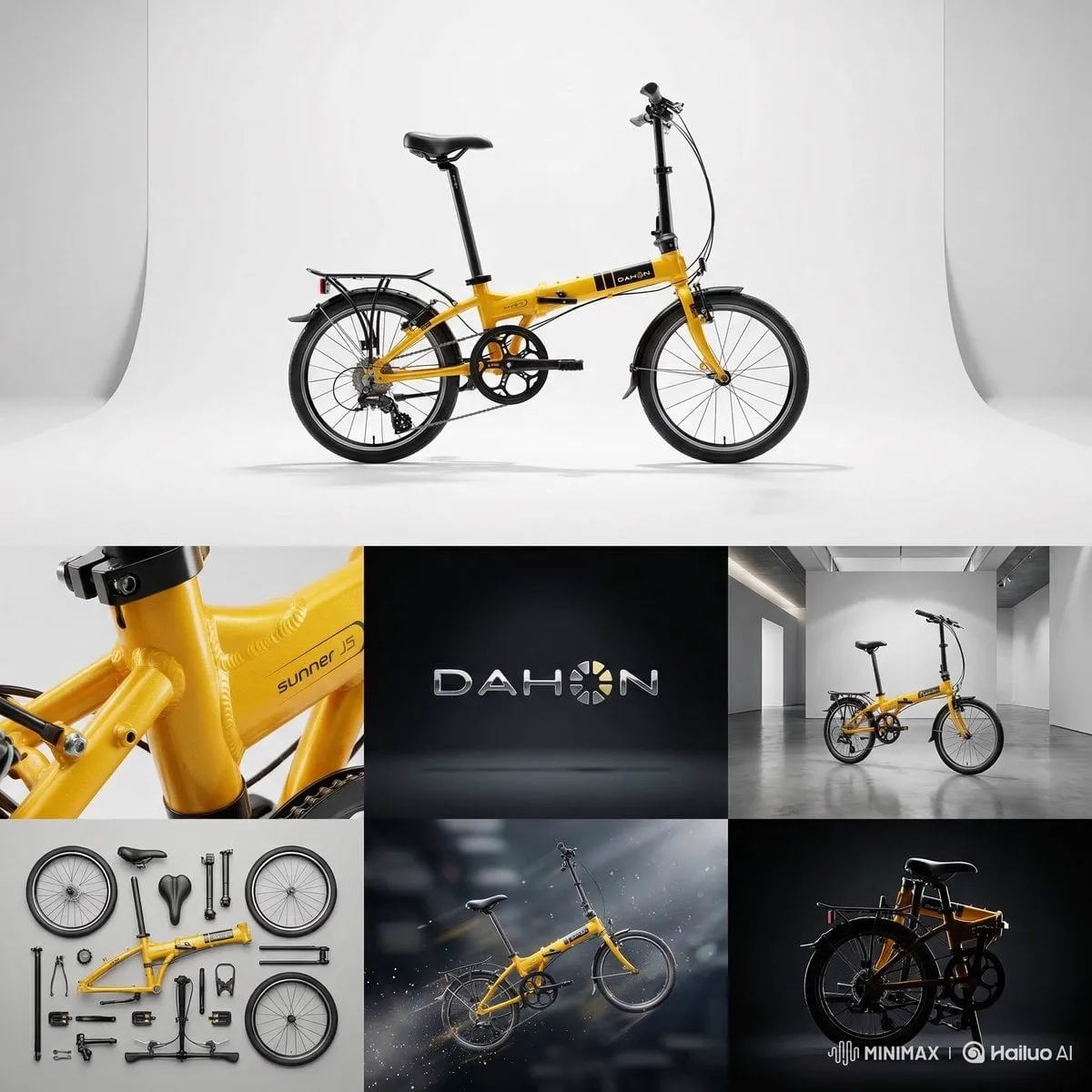
For product and brand content. A single product photo can be animated into an engaging teaser: a slow orbit around the product, dramatic light sweeping across, or a revealing zoom. This gives small brand teams a fast way to generate ad-style content from assets they already have.
For social content. Fitting, stylized animated clips stand out in feeds full of talking-heads and reposts. Turning a striking photo into a subtle, looping animation is a reliable way to catch the eye and reward repeated views, which makes image loops an effective format for reels and posts.
For personal projects and art. This is where image-to-video can be genuinely playful. Set your own photographs in motion, reinterpret an older image you love, or create a series of animated stills from a collection. The goal is not utility, but the simple pleasure of watching a familiar image move.
Making consistency work in a multi-clip project
The challenge with generating many clips is keeping them coherent. A character's face can shift, lighting can change, and a visual world can drift between clips. A few techniques keep a project feeling like one piece.
- Reuse a canonical image. Keep the same reference image and a stable, detailed description for a character or scene across every clip that features it.
- Keep the aesthetic locked. Describe lighting, color palette, and mood consistently, and resist experimenting with those mid-project.
- Generate related clips close in time. Doing them in the same session with mostly unchanged prompts tends to yield more consistent results than scattering the work across days with differently worded prompts.
- Animate forward. When you want a character to move from one state to another, generate the next clip from a frame of the previous one so the transition inherits the look.
A blueprint for turning a single image into a whole short film
To illustrate how image-to-video can power a complete, creative personal project, consider this blueprint.
Start with a series of four or five images you have taken or found that share a mood: a road at dawn, a figure on a stairwell, a window with a curtain moving, a lamp glowing in an empty room. For each image, generate a short clip with a distinct motion: drifting toward the road, the figure turning toward the window, the curtain breathing, the lamp flickering. Then generate connecting clips from frames of each, using the export-and-reuse technique, so each scene hands off naturally to the next. Assemble the nine or ten clips into a sequence, add a simple ambient soundtrack, and you have a short, atmospheric film made almost entirely from animated stills. The entire project can be built in an evening, and the surprising thing is that the best scene almost always turns out to be one you did not plan.
Handling the frustrations realistically
Image-to-video is powerful but far from perfect, and honest expectations keep the process enjoyable.
Motion can be unpredictable. Small, complex, or highly physical movements still produce artifacts. If a clip fails, simplify the motion rather than fighting the model.
Consistency across a long story is hard. Treat image-to-video as a tool for short, controlled sequences, and assemble longer stories from many small clips rather than expecting one long, coherent generation.
Some images simply want to stay still. A cluttered or very flat image may not yield satisfying motion. Do not force it; move on to a better source.
Detail can warp. Hands, faces, and fine textures can deform during generation. Plan for close-ups where these are unavoidable, or crop to hide problem areas.
What a typical early session looks like
If you are new to image-to-video, it helps to know what the first session realistically involves so you are not discouraged. Expect the first couple of attempts to miss: the motion may be too weak, too fast, or in an unexpected direction. That is normal and not a reflection of your ability. Work through a handful of variations, changing one thing at a time, and you will quickly find a prompt that produces something you genuinely like.
Because the tool anchors on a source image, you will discover that the source matters far more than you expected. The same prompt applied to two different photos returns dramatically different clips, which means hunting for a great source image is a legitimate part of the craft. Many creators photograph or collect images specifically because they want a strong starting point. Treat source selection as a deliberate creative act, not a convenience.
Frequently asked questions
Can I make money from image-to-video content? Yes. Creators use it for social media growth, product teasers, and commissioned personal projects. The ability to produce polished, moving pieces quickly is a real commercial advantage.
Is it hard to animate my own photos? No, and it is one of the most accessible entry points. Import a photo you like, describe the motion you want in a sentence or two, and regenerate until it looks right.
How do I make my clips look less obviously AI-generated? Look for subtle, physically believable motion, keep detail-heavy subjects under control, and rely on strong source images. The less the model is asked to invent, the more natural the result.
Do I need to learn prompting? A bit, but it is learnable in an afternoon. Learn how to describe camera movement, pace, and atmosphere, and you will quickly become comfortable with asking for exactly the motion you want.
Rekindling your creative practice
Making creativity sustainable is less about pushing through and more about changing the input. Image-to-video gives you a new way to start: instead of facing a blank page, you face an image you love and ask what it could do. The best part is that the tools have a way of reintroducing the very thing that gets lost to routines—surprise. Keep a folder of images that make you feel something, animate them in ways you have not tried, save the frames that surprise you, and let the chain of motion and stillness lead you somewhere you did not plan to go. That is what fighting creative boredom is really about: not working harder, but finding a reason to be curious again.
