


Short-form video is the engine of modern social media, and AI tools have turned its production on its head. What once required a camera, a crew, and a day of shooting can now go from an idea to a finished clip in minutes. But with the field moving so fast, the tools that led last year are under constant challenge from new capabilities.
This comparison looks at the standout features that actually matter for creating short clips, across the leading platforms like Runway and Sora and the newer tools gaining ground. The goal is not to crown a single winner, because there is none. It is to help you pick the combination of features that fits the way you make content.
What Changes the Game for Short-Form AI
Short-form work has specific demands that differ from long-form film. The format is fast-paced, relies on immediate hooks, loops or transitions cleanly, and must hold attention against a feed of distractions. AI tools succeed for short-form when they are quick, controllable, and consistent enough to survive brutal iteration.
Before comparing features, decide what your clips actually need. Some creators are all about photorealistic visuals; others build on distinctive stylized looks; many need to maintain a recurring character across a series. Your priorities should determine which features are "best" for you.
Model Breadth: One Platform, Many Looks
The single biggest differentiator among short-clip tools is the depth and width of the model library a platform offers. A tool that routes every prompt through one model limits you to that model's strengths and weaknesses.
- Focus and realism. Flagship photorealistic models deliver detail and cinematic quality for promotional and narrative clips.
- Style and range. Platforms with a broad catalog let you jump between realism, animation, and stylized illustration for different content.
- Specialization. Niche models shine for anime, product shots, or specific motion styles, covering needs that generic tools miss.
For a creator posting several videos a week across different moods, the ability to switch models per clip is a genuine creative advantage rather than a luxury. Model breadth is the price of admission for any serious comparison.
Flagship Models Under the Spotlight
Two families dominate the conversation. The flagship photorealistic models, including Sora, lead on realistic motion and cinematic quality. Runway's Gen series has been a pioneer in making this accessible with powerful editing controls built around generation.
What matters in practice:
- Realism of faces, hands, and physics in motion.
- The range and naturalness of camera moves.
- How cleanly a generated clip loops for short-form cycles.
- Control seams: how easily you refine a near-miss generation instead of starting over.
When evaluating tools, test the flagship model on the exact clip type you make. A tool that shines on landscapes can still fail on close-up dialogue, so benchmark the format you rely on.
Narrative Control and the Rise of Agent Tools
The most forward-looking feature category is narrative control. Beyond generating a single clip, newer tools aim to direct a short scene: choosing where tension rises, where a reveal lands, and how shots connect into a beat.
These "agent" workflows take a high-level idea and turn it into a shot sequence, applying consistent style and pacing while you stay in the director's seat. For solo creators without an editor, this collapses a multi-step pipeline into a guided conversation.
The value is practical: instead of babysitting every clip, you sketch the direction and let the tool assemble the building blocks, then refine the moments that matter. This is where short-form production starts to feel like direction rather than prompt-writing.
Keeping Scenes and Characters Consistent
Consistency remains the stubborn problem in AI video. In short-form, where a single character recurs across many videos, a shifting face or outfit breaks the illusion and the brand.
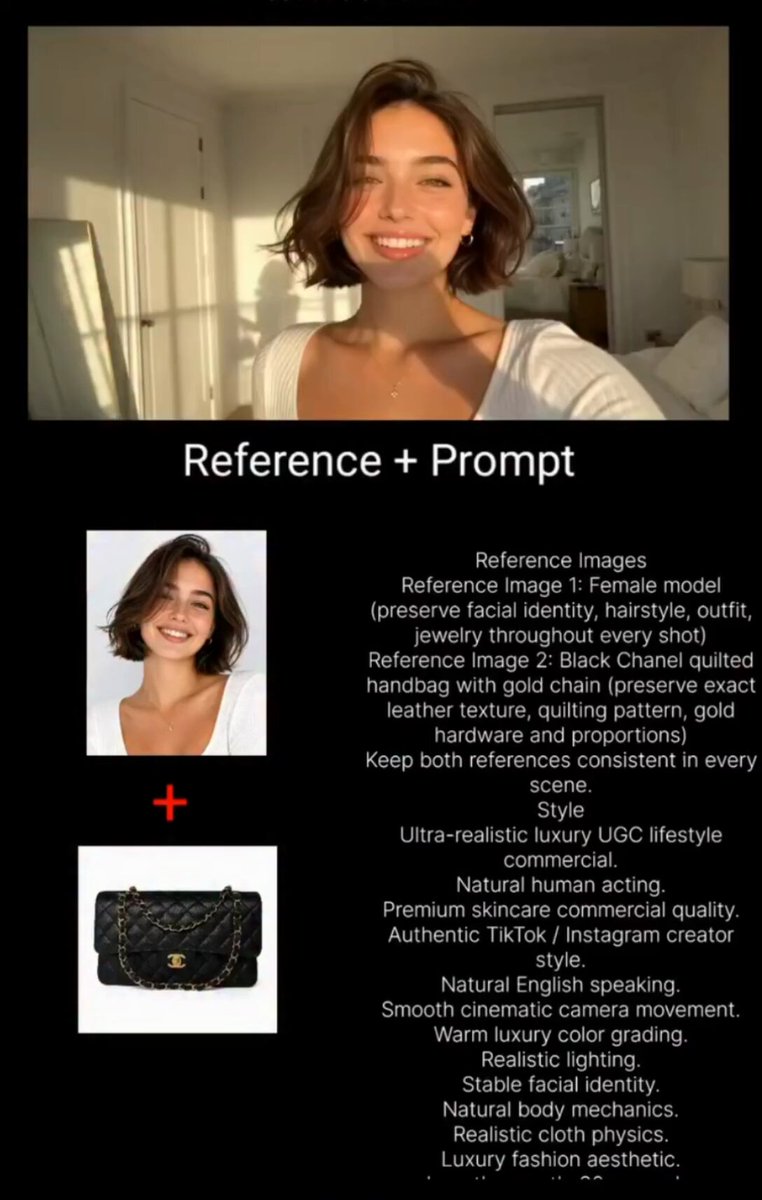
Multi-image fusion and reference techniques solve this by letting you anchor identity. Provide a stable reference for a character, object, or scene, and the model carries it forward across generations. Use it to keep a recurring host, preserve a product design, or hold an environment steady between shots.
Consistency tools separate occasionally impressive tools from platforms worth building a channel on. If character identity matters to you, weigh this heavily in the decision.
Editing, Audio, and the Finish Line
Generation is only half the job. The features that win the edit are where time is really saved:
- Fast pro-grade edits that add transitions, pacing, and polish without a separate editor.
- Consistent style transfer and image processing that keep a visual language uniform.
- Audio and voice generation so the clip comes out closer to finished, not just moving image.
- A task workflow that keeps the pipeline organized when you queue multiple clips.
The tools that integrate these finishing touches into the same workflow as generation cut an enormous amount of round-trip work. A clip that needs five external apps is slower and more error-prone than one that arrives mostly complete.
Choosing the Right Tool for Your Channel
Rather than chasing a flagship name, score platforms on your actual workflow:
- Generate one clip in each candidate tool from the same prompt.
- Judge realism or style against your own content, not demo reels.
- Test consistency with a recurring character over three generations.
- Run a full pipeline, prompt to finished short, and time it.
- Check whether the tools you actually need for audio and editing are included.
The winner is the platform where this full loop is fastest and the output is most on-brand for you, not the one with the most marketing buzz.
A Practical Feature Checklist for Evaluation
To keep your decision grounded, use a checklist instead of letting demo videos persuade you. For each candidate platform, confirm how it handles the realities of short-form work:
- Can you switch models per clip, or are you locked into one look?
- Does the tool let you control camera movement, framing, and pacing, or accept defaults?
- Can you anchor a recurring character or product across many generations?
- Is generation fast enough that a full iteration loop fits in your typical editing session?
- Are audio, transitions, and finishing touches included, or do you juggle outside apps?
- Is the queue predictable, or does it stall when you most need momentum?
A platform that answers most of these well is worth real work; one that only shines on a glowing demo will frustrate you by the fifth video.
Common Mistakes in Choosing AI Short-Clip Tools
Even careful creators fall into predictable traps. Chasing the single most-hyped model ignores the reality that variety carries you across a week of content. Judging quality on still frames misses the motion, physics, and looping that decide whether a short clip actually works. Ignoring consistency tools means a recurring host drifts between uploads and quietly breaks the series. And treating editing and audio as someone else's problem adds round-trip time that a good all-in-one workflow would have saved.
The through-line in every mistake is the same: optimizing for one impressive feature instead of the whole pipeline that produces finished content. Short-form rewards the full loop, so evaluate the loop.
Building a Repeatable Short-Form System
The creators who ship consistently do not reinvent their method every time. They build a repeatable system around the tool. That system starts with banked prompts and character references, so every new video begins from known-good assets. It enforces a template for hooks and pacing, so brand recognizability survives. It routes the final editing, audio, and formatting through one dependable path. And it keeps a small archive of past prompts tied to their outcomes, telling you what worked and what flopped.
When the tool changes a model or adds a feature, this system lets you evaluate it in context rather than chasing novelty. The system, not the platform, is what turns AI short-form from an experiment into a professional output line.
Staying Adaptable as the Field Moves
The hard truth is that today's leader may not be next quarter's. The smart approach is adaptability: keep your skills and your process platform-agnostic wherever possible, maintain critical assets as portable files rather than locked-in formats, and re-benchmark your shortlist on a schedule. That way, when a genuinely better tool arrives, switching costs a week of retraining instead of a rebuild.
Adaptability is not disloyalty; it is professionalism. Your audience follows your content and your consistency, not a logo on a toolbar. Stay portable, stay measured, and let the tools compete for your attention on the merits.
Frequently Asked Questions
Which tool is best overall for short-form AI video?
There is no single answer. The best fit depends on whether you prioritize realism, style range, consistency, or workflow speed, so test several against your own clips.
Is Sora or Runway better for short clips?
Both are excellent at different things. Compare them on your exact video format; the leader often flips between styles and lengths.
Do I really need multi-image consistency features?
If you produce a series with recurring characters or branding, yes. It is the difference between cohesive content and a string of unrelated clips.
Are agent-style tools ready for real production?
For guided, story-driven short-form, increasingly yes. They excel at assembling a beat from a direction, while you refine the details.
Licensing and Rights Considerations
Short-form is published everywhere, which means rights deserve attention before you push the button. Generated footage, like any digital asset, comes with usage terms that vary by platform, so confirm whether the output is safe for the social channels and regions where you publish. If you use an AI-generated voice or a recognizable style, be careful not to impersonate real people or protected identities. And, depending on the context, disclose when content was created with AI rather than silently passing it off as filmed material.
The speed of AI production makes these checks easy to skip, but a moment of review avoids headaches that can cost far more than the video is worth. Treat rights as one more step in the publishing pipeline, not as a distraction.
Measuring Success Beyond Views
It is tempting to judge a short-form tool by rough view counts, but the numbers that matter look past vanity metrics. Track how many viewers make it through the full clip, how often a video loops, and how your audience behaves across a series rather than a single post. The goal built on strong features is not one viral moment but a steady pattern of engagement that keeps viewers coming back.
Keep a simple record of which feature combinations produce the strongest retention. Over time, that record becomes your own optimization loop, guiding prompt, model, and style choices better than any generic benchmark.
Common Pitfalls and How to Avoid Them
Even after choosing well, creators fall into habits that waste the tools. Some over-prompt, burying a clear idea in so much detail that the model loses focus. Others settle for the first pass and publish, skipping the variation pass that finds significantly stronger takes. Many mix too many styles in one channel, eroding the recognizable identity that retention rewards. And some scale up volume before ever validating consistency, drowning a catalog in unsteady footage.
Each habit has a direct countermove: simplify the prompt, generate variations before committing, keep a coherent style, and prove consistency on a small set before scaling. Responding to these common errors is where the discipline of a workflow pays off.
Building the Habit of Deliberate Practice
The faster tools become, the more the gap between creators opens up. That gap is usually not talent but how deliberately someone practices. Treat each video as a small experiment with a lesson, pairing the prompt, the chosen model, and the published result in a running note. Revisit the log periodically to see which feature choices actually moved retention. The deliberate work of reviewing your own output is what converts raw tool access into genuine, compounding skill.
Short-form video rewards speed, control, and consistency above all. By understanding the feature categories that truly matter, and benchmarking tools against your own workflow instead of chasing hype, you can assemble an AI toolkit that turns idea-to-clip from a struggle into a dependable creative pipeline.
