
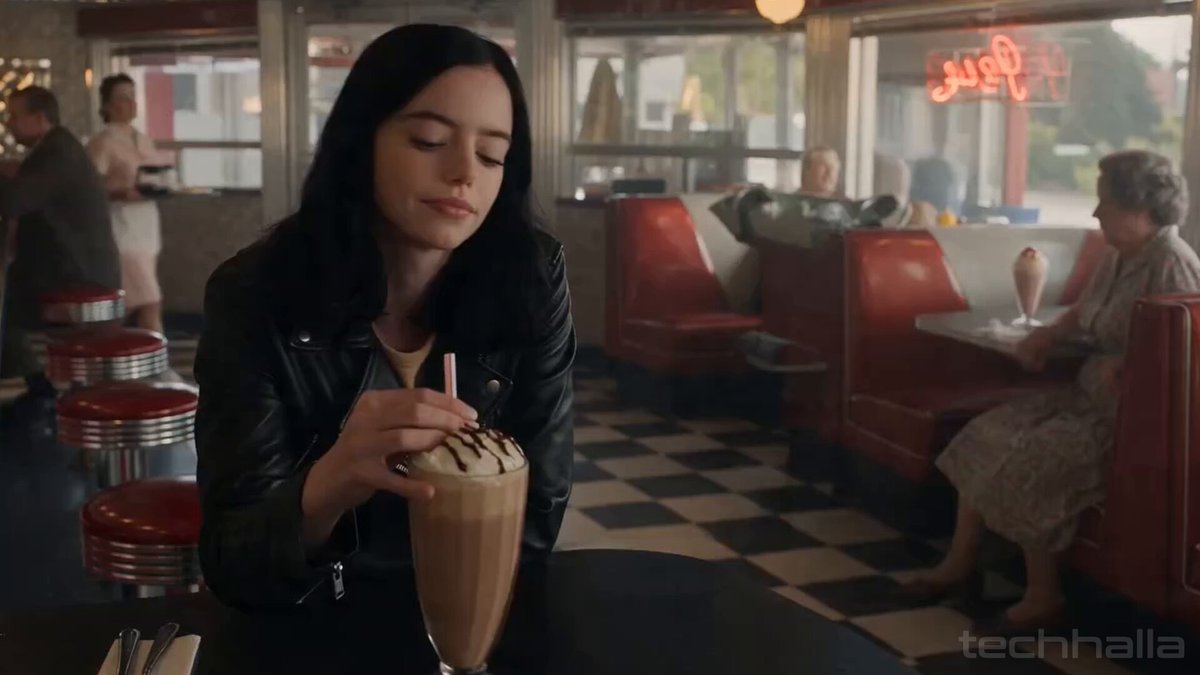
Ask any digital artist who works with generative film tools what frustrates them most, and the answer will rarely be about realism or resolution. It will be consistency. You write a beautiful description of a character, generate a stunning opening shot, and then in the very next scene the protagonist's hair is a different color, the coat changed, the face refuses to match. Short films live or die on this. A two-minute piece with a wandering protagonist is unwatchable, no matter how gorgeous each individual frame is. Filmmakers have been solving this differently across the years, and the most reliable modern answer combines multi-image references with careful discipline about how a character is described and used. This guide walks through exactly how to lock down a character so it stays recognizable across every shot of your AI short film.
Why Characters Drift and What Causes It
Generative video models create each clip from a probabilistic process. Unless you actively pin the defining features, every generation starts with fresh randomness, which is why a character described only in words tends to shift subtly from shot to shot. Small differences in described angles, lighting, and action phrase compound into a character that seems to change actresses or even species across a scene. The more your prompt changes, the more the model's visual guess changes.
The root cause of drift is information that is repeated, ambiguous, or absent. If you describe eyes every single time, you risk slight disagreements adding up. If you describe the character vaguely, the model fills the gaps differently each pass. If you leave out defining traits entirely, the model invents them. Consistency therefore is not a single trick but a system that removes ambiguity and supplies the model with stable, concrete references at every generation.
The Role of Multi-Image Reference in Locking Identity
Text alone is not enough to hold a character steady. Multi-image reference techniques solve the problem by feeding the model several images that show the same subject from different angles and in different conditions, and letting the model build a stable identity representation from them rather than guessing from prose. Where a single reference photo leaves gaps, multiple frames describe the form more completely: front, side, and three-quarter views, different expressions, varied outfits allowed on the character, and the full-body silhouette. The model fuses these into a shared identity that it carries into new generations.
This matters most when you switch between models or generate across many cycles. Because the identity lives in the generated reference set rather than only living in your memory of a description, you can reproduce the same look even when your working vocabulary fails you. You are no longer depending on an exact string of adjectives; you are holding up evidence of who the character is and asking the tool to stay faithful to it. The practical result is that a character locked this way survives longer productions with far less manual correction.
Building a Visual DNA Sheet for Your Character
Before generating a single frame, build a character sheet the way an animation studio would. Start with a mood board and a few reference renders of the character in a neutral pose. Include a clean front view, a side view, a three-quarter view, and an expression range. Decide the permanent, unchangeable traits: face shape, hair color and style, eye color, skin tone, and the signature wardrobe pieces the character almost always wears. Decide which traits are flexible: minor accessories, lighting moods, background outfits. Separate the "always true" list from the "sometimes true" list, because feeding flexible traits as if they were fixed creates contradictions that confuse the model.
Write a short, reusable identity card with the permanent traits in plain language, and pair it with your reference images. When you generate, you supply the references plus the identity card plus the shot-specific prompt for action and setting. You never improvise the core appearance during production; the core appearance is a fixed asset that travels with every prompt. Teams go further and keep a folder of approved reference renders, so everyone working on a project is pointing at the same character, not their own memory of it.
Standardizing Your Reference Set
Consistency of references is as important as their existence. Shoot or render your references under even, neutral lighting and against a plain background so the subject is what the model studies, not the studio lighting or clutter. Keep all references in the same palette and at a similar framing scale. If one reference is a tight close-up and another is a full-body shot, label how each is to be used. Cropping and downscaling references to a consistent format helps the model treat them as a coherent set rather than five unrelated pictures.
Organize references by category: identity (always in shot), wardrobe (allowed variants), and expressions/poses. This lets you handle changes deliberately. When the character needs a new outfit for a scene, you generate or source a matching wardrobe reference and swap it into the set for that scene, while keeping the identity references untouched. The discipline is that changing appearance is a conscious, controlled decision, not something the model dribbles out on its own. The reference system is what turns appearance changes into a planned costume change instead of an accident.
Writing Prompts That Support Consistency
Your prompts do not need to re-describe the character's entire face every shot, and arguably they should not. Relying on prose to rebuild the character invites drift. Instead, keep your prompt focused on what is unique to the shot: the action, the setting, the time of day, the camera movement, the emotion. Reference the character by a name or label you consistently use, and include the identity card only when the model needs a reminder. The key is to stop treating prompt prose as the source of truth for the face and start treating the references as the source of truth, with prose handling everything else.
That said, keep your shot-specific language equally consistent. Use the same naming for the setting to avoid tone drift, keep the aspect ratio constant across shots, and specify lighting simply and repeatedly. A character who walks through a golden-hour city keeps that light tone in every scene where the lighting is described the same way. The combination of stable references and stable shot vocabulary is what makes a collection of clips feel like a single movie rather than a reel of demos.
Handling the Hard Parts: Many Scenes and Many Models
As your production grows, consistency pressure rises. Over many scenes, small errors accumulate, so work in passes: generate, review, re-lock the references that drifted, and regenerate only the offenders. When you need extra coverage or a stylized insert, generate it against the same reference set instead of free-forming it. If you mix multiple generation tools or models in one film, that is where consistency breaks most visibly, because each model interprets identity differently. The safest approach is to lock your character with the most capable reference system you have, generate hero shots there, and reserve other tools for background plates and effects where a slightly different character does not break the story.
Some production workflows lean on an editable step: generate stills of the character in the key poses first, confirm the identity, and then animate those locked stills into movement. This keeps the character verified before motion is added and gives you a checkpoint to catch drift early. You can also freeze an approved frame and use it as a reference for the next shot, effectively chaining stability through the film. Whatever technique you choose, keep the single rule in mind: identity is a fixed asset you verify early and preserve through every generation, never a hope.
A Practical Workflow for a Two-Minute Short
Put the method together concretely. Step one: design the character, render a reference set with front, side, three-quarter, and expression covers, and lock the identity card. Step two: plan the film as a shot list, and for each shot write the action, setting, and camera notes without rewriting the character from scratch. Step three: generate an early "lookbook" of the hero shots to confirm the character reads correctly and the style is uniform. Step four: generate the full set shot by shot, referencing the locked assets each time, and reject anything where the character drifts. Step five: review the entire film for continuity, fixing only the shots that need it. Step six: grade, score, and caption consistently so nothing new breaks the visual illusion. Following this sequence front-loads the hard work and makes the actual production dramatically smoother.
This workflow also protects your budget and time. Because the identity is established and reusable, you generate fewer rejected clips and spend less time fixing characters in post. You gain the freedom to iterate on story and pacing, which is where the film actually improves. Consistency stops being your daily fight and starts being something you have already solved before production begins.
Frequently Asked Questions
How many reference images do I need for a character?
Three to five well-made references are a good starting point: a front view, a side view, a three-quarter view, and one or two expression or wardrobe covers. More is not automatically better; consistency and quality of the set matter more than raw count.
What do I do when a generated shot still drifts?
Do not fix the symptom by editing pixels if you can fix the cause. Strengthen the reference set, simplify or tighten the prompt, and regenerate. If a particular phrasing keeps causing drift, change it. Most persistent drift traces back to ambiguous descriptions or a weak reference.
Can I use text-only prompts for a short film?
You can start there, but for any film of more than a couple of shots, text-only descriptions will almost certainly drift. Anchor your character with image references as early as you can; it is the difference between a hobby experiment and a watchable narrative.
Is character consistency impossible when mixing different AI tools?
It is harder, but not impossible. Lock the identity in your most capable tool, generate the hero character there, and use other tools mainly for plates and effects. Review the colors and grade across tools so the final look stays unified.
Does consistency require paid or premium tools?
Multi-image reference is available in an increasing range of tools, including some free tiers, though premium options often handle complex characters more reliably. Even with basic tools, a disciplined reference set and workflow reduce drift significantly.
A consistent character is not an accident of a lucky prompt; it is the product of a deliberate system. Build a strong reference set, write an identity card, keep shot prompts focused, verify early with lookbooks, and fix drift at the source when it appears. Do that and your AI short film will hold its illusion from the opening frame to the closing shot, which is exactly what turns generated clips into a story people want to watch.
Working Efficiently While Staying Consistent
Generative video is still iteration-heavy, so build consistency checks into every loop rather than reviewing only at the end. After each generation batch, compare the new shots against the reference set on the same screen, and note which ones drifted before you accept them. The earlier you catch drift, the cheaper it is to fix, and catching it in small batches beats discovering it after a long render. Keep your reference assets and identity sheet in one folder that travels with the project, so nothing silently falls back on an outdated design.
Speed matters, but discipline matters more. It is faster to regenerate a drifted shot than to correct its identity by hand, because manual fixes tend to propagate inconsistency rather than resolve it. Let the reference system be the enforcer and resist the urge to "cheat" by nudging a frame into place with an image editor, because that fix will not carry into the next shot. If your pipeline supports it, generate locked stills first and animate those confirmed frames, turning the film into a series of verified beats rather than an endless gamble on individual renders.
In the end, all of this discipline serves one simple goal: a character the audience can trust across the whole film. When identity is stable, viewers follow the story instead of questioning the cast, and that trust is the entire reason you anchor the identity in the first place. Build the system once, apply it to every shot, and your AI short film will hold together from the opening frame to the closing one.
