

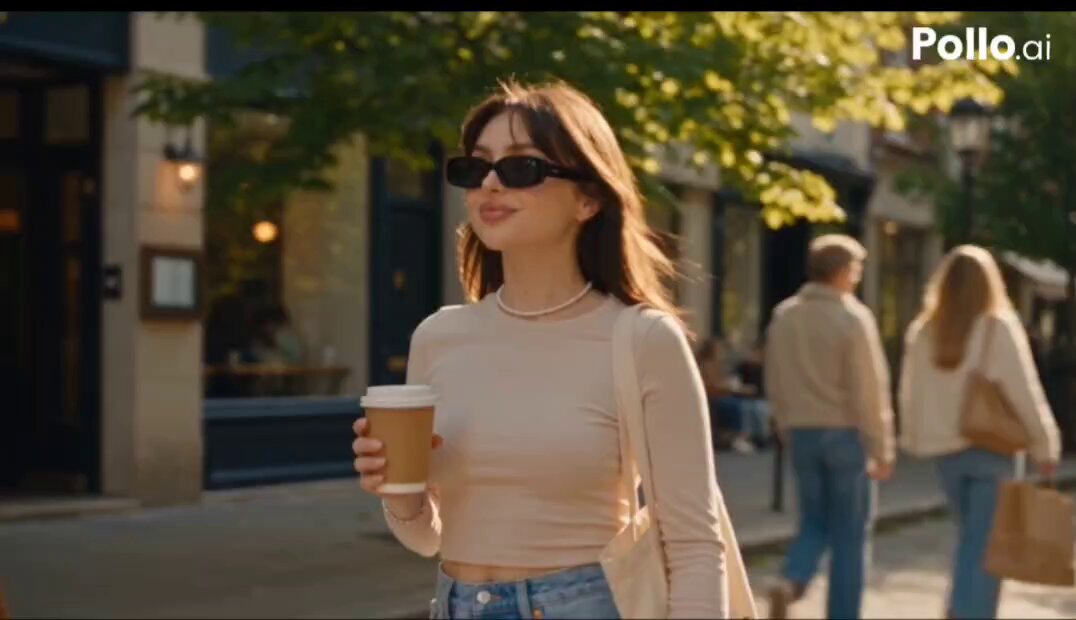
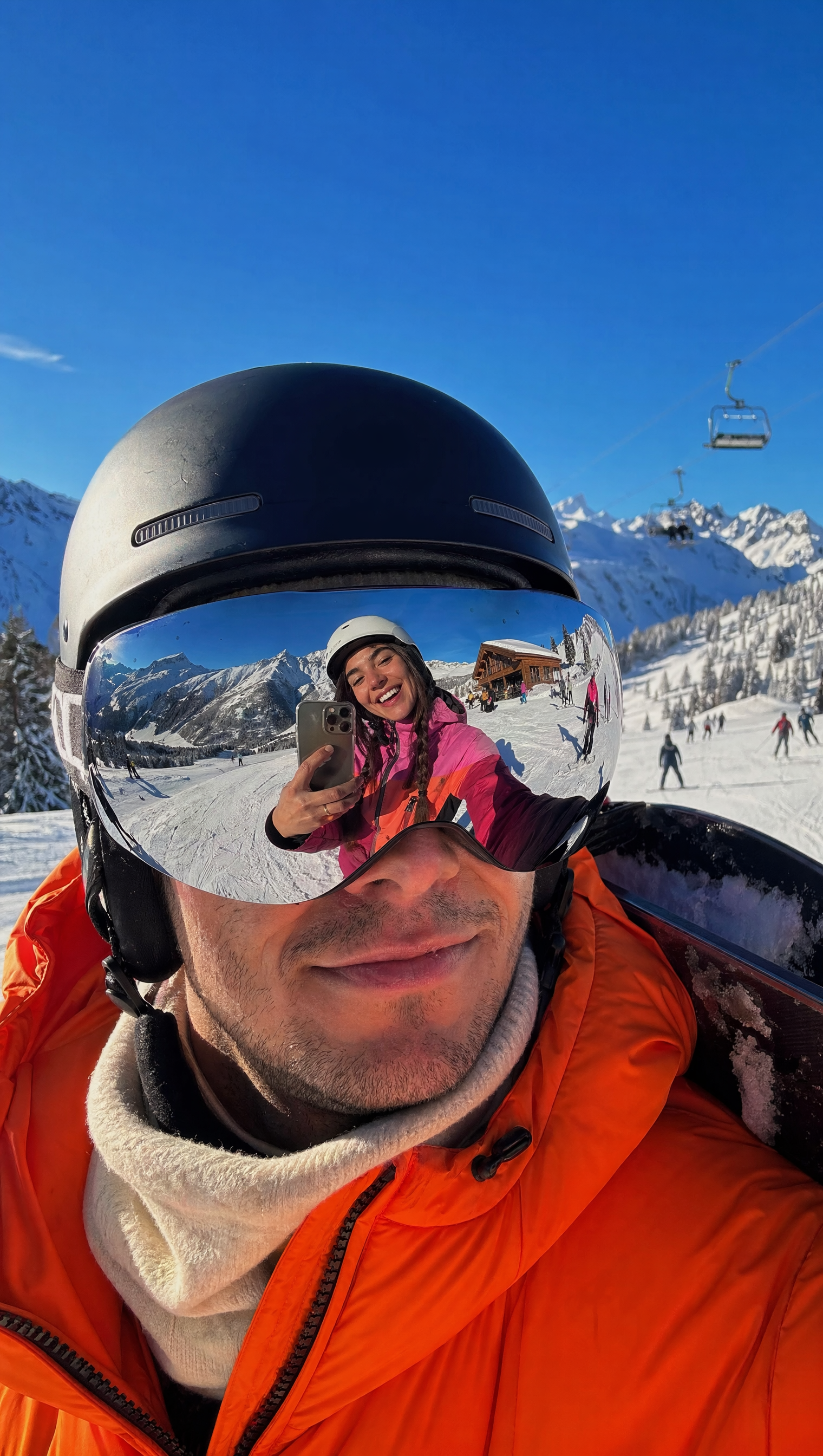

A great story deserves more than text on a screen. It deserves motion, colour, and a voice. For most of history, turning a story into a video meant building a crew, renting a location, and spending more than the concept was worth. Generative AI changes that equation. With the right tools and a clear narrative in mind, a single creator can turn a few paragraphs into a moving picture that carries real emotion.
This guide is about exactly that: using AI video generation to bring your own stories — a product launch, a personal project, a brand's origin, a short fictional scene — into a form people can actually watch. We will cover how to structure a narrative for video, how to work with text and image prompts, how to keep characters and settings consistent, and how to finish the piece with sound so that it feels alive.
One of the most valuable lessons, and the one that surprises people most, is that the hard part is not technical. The tools are forgiving and quick to learn. The hard part is deciding what your story is actually about and having the discipline to hold that decision through every scene. If you keep that at the front of your mind, the rest of this guide becomes a set of simple, repeatable habits rather than a mountain to climb.
Why narrative comes before software
AI video generation is a powerful amplifier, but it amplifies what already exists. If you start with a muddled idea, you will get a polished muddle. If you start with a clear one-line story, the tools will return something that moves people. The creative work begins in writing, not in the generator.
Before touching any tool, write the spine of your story in one or two sentences: what is the situation, what changes, and how does it end? From that spine you can branch out into beats — the key moments you want the audience to see. Each beat becomes a scene you will generate later.
From paragraph to shot list
Take your story and break it into three to six visual beats. For each beat, write three things: the place and situation, the main character's action, and the feeling you want the image to carry. This shot list is the real storyboard. It makes the generation step straightforward because each scene already knows its job.
Designing a world that holds together
A story becomes a world when its visual language is consistent, and consistency is something you decide before you generate anything. Fix three anchors early and every scene inherits them automatically.
The palette comes first. Choose two or three colours that carry the story's emotion — warm ambers for comfort, cold blues for tension — and keep every scene inside them. Next comes the light: decide whether your world lives in soft daylight, hard midday sun, or warm lamplight, and repeat that single quality everywhere. Finally, set the style: photorealistic, animated, painterly. Once these three are locked, the individual shots stop competing with each other and start building one coherent world.
Designing for a coherent hero
Your main character is the emotional anchor, so design them with a small set of readable traits: a distinctive silhouette, a signature colour, a recognisable pose or prop. The simpler and more distinctive the design, the more reliably the generator will carry it from scene to scene. A character made of a few bold choices survives generation better than one built from dozens of fine details that can drift.
Choosing your visual language
A story has a voice, and its picture should, too. Decide early on the style you are aiming for — photorealistic, animated, painterly, documentary — because every other scene will have to match it.
Photorealism works for products and intimate human moments that should feel real. Stylised and animated looks work for fantasy, brand worlds, and anything where the visuals can carry a signature. The choice also guides which model you lean on: some models are built for believable light and texture, others for bold expressive imagery.
Your palette and light matter more than people expect. A warm, golden palette reads as nostalgia and comfort; cold blue tones read as tension and isolation. Fix the palette early and it will hold the whole video together.
Writing prompts that generate your beats
With the shot list ready, each scene becomes a prompt. The best prompts are small, structured sentences rather than long streams of adjectives.
Start with the subject and action: "a young woman with copper hair walks through a market in the rain". Add the setting: "mid-afternoon, warm light, steamed food stalls". Describe the camera: "slow tracking shot following her". Close with the mood and style: "cinematic, muted tones, nostalgic".
Generate a couple of variants per scene and pick the frame that best matches the beat's feeling. Do not overthink it: the first-run results are often close, and small prompt tweaks fix the rest.
Iteration as a creative method
Generation is cheap, so treat it as exploration. For each beat, create three variants that differ in exactly one variable — a wider camera, a warmer palette, a different pose. Compare them against the feeling you wrote for that beat, not against each other. This disciplined comparison is how you keep taste in control. The goal is not the most impressive still; it is the frame that most honestly carries the beat's emotion.
Maintaining character and scene consistency
Nothing breaks immersion faster than a character whose face changes between two scenes that are supposed to be the same moment. Consistency is the single most important discipline in multi-shot AI storytelling.
Use a fixed set of reference images for every major character, and keep using that same set for all their scenes. Generate scenes in story order so look and light carry forward naturally. When you need a wide shot that shows more of the environment, provide a couple of reference stills of the same location. And keep a small log of the prompts you used per beat, so you can compare and refine without starting over.
In story terms, consistency is trust. The audience only believes the sequence if the world stays recognisable from one frame to the next.
Repetition, pattern, and the rhythm of the edit
Once you have generated the scenes, the edit is where your story takes its final shape. Rhythm in an edit controls emotion: faster cuts raise energy, longer holds create weight.
Match scene changes to the feel you want at that moment of the narrative. If a beat is calm, let it breathe; if it is urgent, cut quickly. Try to hold a consistent visual grammar across the whole piece — a similar camera movement, a similar grade — so the individual shots cohere into one world rather than a series of unrelated clips.
A strong open and close matters disproportionately. The first image should pull viewers in; the last image should leave them with the central feeling of the story.
Working with emotional beats
Think of your video as a short emotional curve: it starts, it rises, it resolves. Name the feeling at each point — curiosity at the open, tension in the middle, warmth or relief at the close — and let that name guide every choice in that scene: framing, pacing, colour, music. When a scene feels off but you cannot say why, check whether its emotion matches the beat you assigned it. Almost always the mismatch, not the technique, is the problem.
Bringing it to life with sound
Video without sound is unfinished, especially for emotional storytelling. A voiceover can carry narration that the images imply, and music sets the emotional temperature throughout.
Write narration that complements, rather than repeats, what the image already shows. If you use a synthetic voice, pick one that matches the tone of the story and use it consistently across the whole piece. Set the music first, then align your scene changes and voice beats to its rhythm. Balance levels so that the voice is always clear and the music supports rather than overwhelms it.
The quiet power of a signature sound
Reusing one small ambient layer or a single musical theme across the whole piece gives your story a sonic fingerprint. It does not need to be elaborate — a gentle texture, a recurring bell, a low drone. When the same sound returns, the piece starts to feel like one authored work rather than a collection of moments, and that one element quietly raises the perceived quality more than any effect.
Testing your story before you finish it
A finished story should work even if you cannot explain why. Before you export, do a quiet screening: watch the assembled piece without sound, then again with sound, and note where your attention drifts. If a beat keeps losing you, the problem is usually clarity, not technology — the beat is not saying one thing clearly enough.
Show the draft to one or two people who know nothing about it and ask what they think happened and how it made them feel. Their answers tell you far more than your own approval. Adjust the weakest beat, tighten the pacing there, and re-test. Two or three such loops are almost always enough to turn a good draft into a story people understand and care about.
Everyday mistakes to avoid
Trying to generate the whole story in a single prompt produces a collage, not a narrative. Skipping the shot list leads to scenes that do not connect. Changing style partway through the video breaks the illusion of one world. Ignoring audio forfeits the fastest route to a professional feel. And forcing the same model into every scene ignores what each shot actually needs.
Tell your story like a director: plan in beats, generate scene by scene, lock the look, and finish with sound.
Frequently asked questions
Do I need any film-making experience?
No. The creative skills that matter are clarity and consistency: knowing what you want to show and keeping it stable. Everything else the tool helps with.
How long does a short AI story take to make?
A focused 30-second story can often be finished in a single working session, especially if you reuse references and keep the shot list short.
Can I use AI video to animate my own characters?
Yes. Provide strong reference imagery of your original characters and keep it consistent from scene to scene; the results will carry recognisable designs.
What if a scene comes out wrong?
Regenerate, don't accept. Adjust the prompt one variable at a time — change the action or the camera, not everything at once — until the scene matches the beat.
How many references are enough for a character?
Two or three strong, consistent images of the same character are usually plenty. More images help for complex costumes or environments, but a few clear ones beat a messy pile.
Do I need to know the model's terminology?
Only enough to describe your direction. If you can say what action, setting, camera, and mood you want, you can quickly learn the few terms that get a tool to do exactly that.
Final words
Storytelling is the most human part of video, and AI is finally letting creators focus on exactly that. You do not need a studio to turn your idea into moving pictures. You need a clear narrative, a consistent visual language, and the discipline to generate, refine, and finish with sound.
Start with the smallest story worth telling: one idea, three beats, one character. Generate your three scenes, cut them together, add a voice and a simple score, and you will have taken the most important step — from describing your story in words to watching it unfold.
As you repeat the loop, the tools will fade into the background and the story will come forward, which is exactly how it should be. The machines handle the rendering; the meaning stays yours.
Wherever you are starting from, give yourself permission to make the first story small and imperfect. The goal of that first attempt is not a masterpiece; it is momentum. Once you have moved one idea from a sentence in your head to a sequence a stranger can watch, you have crossed the line from talking about storytelling to doing it. Every story after that one is easier, and every one teaches you something the tools will never tell you on their own.
