


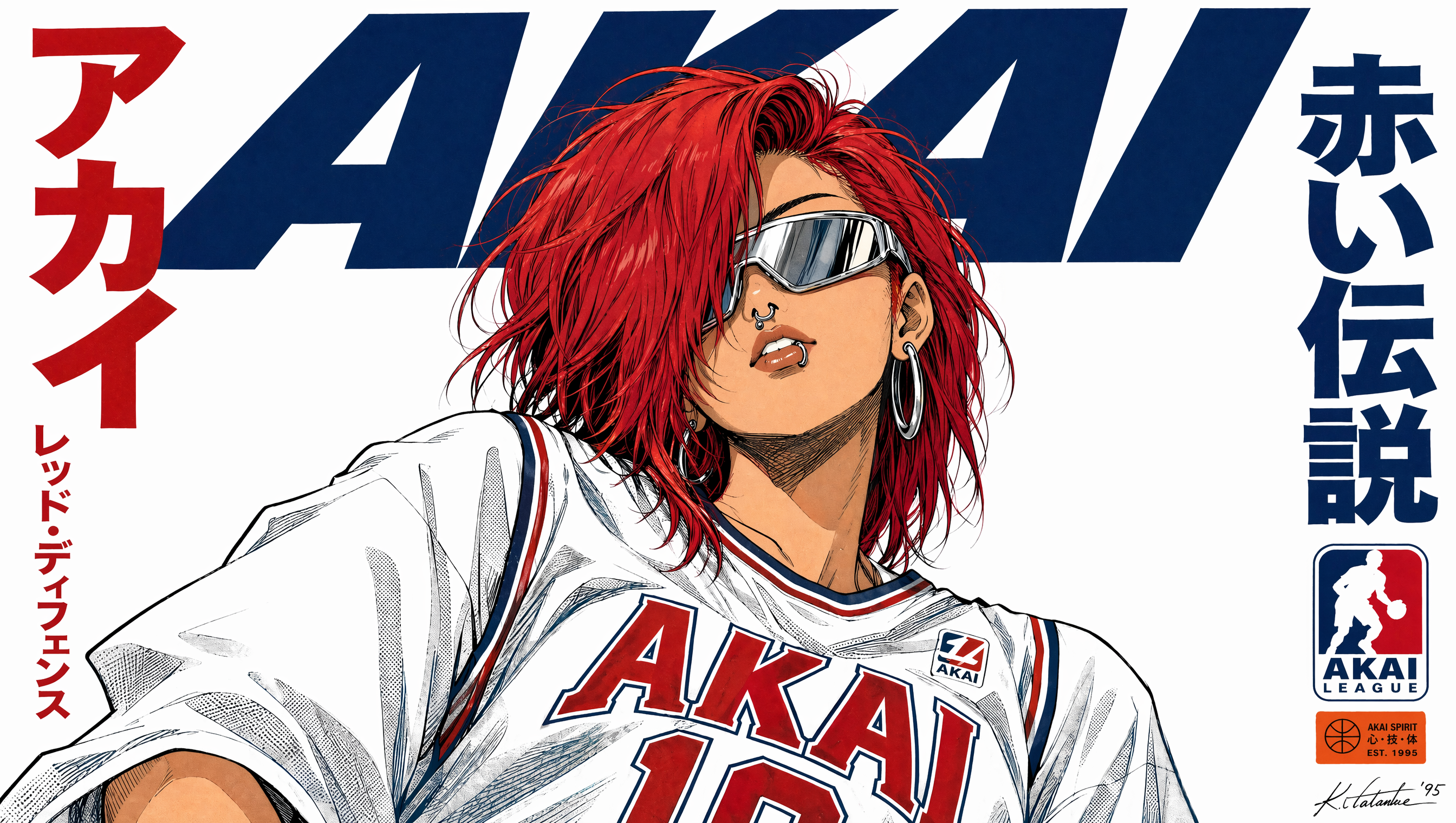
The leap from a promising AI image to a portfolio-worthy image depends far less on luck than most people assume. The best AI image generators are not magic boxes: they reward method, reference quality and a clear sense of what to ask for. Yet the same model can produce dazzling art one minute and a messy, distorted image the next. The difference is almost always in the workflow around the generator, not in the generator itself.
This guide walks you through the practical decisions that separate average output from repeated success. We will look at how to choose and evaluate a model, how to structure prompts that actually work, how to lock in visual consistency across images, and how to turn a one-off image into a reliable production asset. Whether you are a designer, a marketer, a solo creator or someone just starting out, the same principles apply.
What the modern AI image landscape really offers
AI image generation has moved out of the experimental phase. Text-to-image models now deliver photorealism, artistic coherence and surprising range, and they are embedded in creative industries and digital marketing as everyday tools. But with dozens of models available, the harder question is not whether this technology works, but which model fits your particular need.
Different models excel at different things. Some are outstanding at photographic realism, others at stylized illustration, and others still at character or product consistency. There is no single correct answer. The mature approach is to keep a small set of models at hand and choose deliberately per project, rather than learning one tool and insisting it does everything. Resist the urge to collect every new model that launches: a tight, familiar set you understand well outperforms a scattered collection you barely know.
How to evaluate and choose a model
Before you commit to a generator, run it through a short assessment. You want evidence, not marketing copy. Design a quick test with the same subject across models, and compare the results side by side rather than relying on memory.
Clarity of detail
Generate a subject with recognizable detail, such as a face, a mechanical part or text on a sign. Check whether fine features stay coherent or melt into noise. This is the fastest quality signal. Pay attention to hands, eyes and edges, which are the hardest parts for any model.
Style fidelity
Produce a sample in a defined style, then a second in a different style. A strong model holds each style clearly instead of drifting toward a generic look. If two very different style prompts collapse into a similar image, the model is not giving you enough creative room.
Consistency across runs
Generate the same prompt twice or three times. Realistic variability is fine; wild identity shifts are a warning, especially if you plan to build a series. A little experimentation, not chaos, is what you want to see.
Control over the result
Try to steer the composition: framing, dominant colors, object placement. The more influence you keep, the more usable the tool becomes for real work. Write down what you tested for each candidate: you will thank yourself when comparing results a week later.
Run every candidate through these four lenses and keep short notes. After two or three projects, you will know which model earns a place in your shortlist.
The principles of prompt engineering that actually matter
Prompt craft is the single most effective lever for improving results, and it is far more about structure than vocabulary. A useful prompt tells the model not just what to draw, but the subject, the style, the medium, the lighting and the composition. Each of these layers answers a different question the model needs answered.
Be specific about the subject
Name the subject clearly and give its key attributes. Instead of "a dog", write "a medium-sized golden retriever sitting on a porch, soft morning light". Specific attributes give the model something concrete to anchor to. The more precise the subject, the less room there is for the model to improvise poorly.
Layer style and medium deliberately
Add a style cue you genuinely want, such as cinematic lighting, watercolor, vintage photograph or 3D render. Avoid dumping a pile of contradictory style words; pick one dominant style and keep supporting cues minimal. Quality over quantity is especially true here.
Control composition with camera language
If framing matters, say so: extreme close-up, wide establishing shot, low angle, eye-level portrait. Camera language is one of the most reliable tools for steering composition. It also helps you plan a coherent set of images, because consistent framing unifies a series.
Keep negative space meaningful
State what you do not want only when it genuinely interferes with the image, and keep it short. A bloated list of exclusions can confuse output more than it helps. Use negatives sparingly, for recurring artifacts, not for every small preference.
Reuse your best prompts as templates
When a prompt works, keep it and swap only the variable part. This builds a personal library of reliable patterns that speed up every future project. A simple file or note where you store working prompts turns experience into an asset you can draw on without re-learning everything.
Locking in consistency across a series
The real test of a serious creative workflow is producing a set of images that feel like one series. Generative models default to variety; consistency only happens by design.
Reference images as anchors
Providing reference images is the most powerful way to enforce consistency. A character, an object or a style held steady in a reference lets you regenerate poses and scenes without losing identity. This is invaluable when you build product mockups, character designs or a visual campaign. Keep the anchors consistent themselves: changing the reference between images defeats its purpose.
Fixed style tokens
Repeat the same style cue across all prompts in a series. A stable descriptor acts like a recurring signature that unifies otherwise varied scenes. Write that token once, at the top of your notes, and copy it into every prompt instead of retyping a slightly different version each time.
Controlled palettes
Decide a color palette up front and reinforce it in the prompt. Cohesive color is one of the quickest ways to make several images feel like a single project. If you are creating a campaign, choose two or three dominant tones and resist the pull of rainbow variety.
Iterative refinement
Do not chase perfection in one generation. Generate, review against your reference, adjust the prompt and regenerate. Each pass narrows the gap between the output and your goal. Budget your time around a few deliberate refinements rather than an endless stream of weak attempts.
Using premium models and advanced control wisely
Powerful models come with a cost, and managing that cost is part of the craft. Premium models tend to shine at complex scenes, realism and intricate detail, while their advantages are wasted on simple compositions.
Reserve premium power for where it shows
Use lightweight, cheaper models for concept sketches, layout exploration and throwaway tests. Save premium generations for the final assets, hero images and the shots that genuinely need the extra fidelity. A hero image displayed at full size deserves the best model; a small layout mockup does not.
Keep your generation budget visible and review early
The costliest mistake is refining at full quality before settling on a direction. Iterate cheaply first, lock the concept, then invest in the premium render. This controlled escalation keeps quality high and waste low, and it applies both to time and to cost.
Plan for resets
Concepts change. Leave room in your plan to restart a direction without guilt. A concept you abandon early, at low cost, is a success, not a failure. The discipline of the cheap-first habit makes resets affordable and fast.
Moving higher fidelity: directed output and multimodal references
Beyond simple text prompts, modern tools let you direct results more precisely through multimodal references: combining text with an image, a layout sketch or a base photograph. This is where a tool can feel like a creative collaborator rather than a black box.
With a reference sketch, for example, you can define the exact composition while the model handles the final rendering. With a base photograph, you can restyle a real scene while preserving its structure. These techniques give you the determinism that pure prompting cannot, especially useful for editorial and product work where the layout and the subject are decided in advance.
Turning images into an efficient creative pipeline
The value of any generator multiplies when it sits inside a repeatable workflow. A solid pipeline lets you move from brief to deliverable without re-deriving everything from scratch.
- Define the brief: subject, style, function and audience.
- Gather references: character, object or style anchors.
- Sketch composition with a cheap model.
- Lock the concept and style tokens.
- Render final assets with the appropriate premium model.
- Review against references and refine.
This sequence keeps judgment in your hands while delegating the heavy lifting to the machine. The result is not just better images, but a system that improves with every project you finish. Document the process once and reuse the framework for the next brief, adjusting only the creative choices.
Frequently asked questions
Which AI image generator is genuinely the best?
There is no single winner. Match the model to the task: photorealism, stylized illustration, character consistency and product work each reward different tools. Assess a candidate against the four lenses described above.
Why do my images look polished but off?
Usually weak prompt structure or too many competing style cues. Simplify the style, strengthen the subject description and add camera language.
How do I keep a character identical across images?
Use reference images as anchors and keep a fixed style token across prompts. Consistency has to be designed in; it will not happen by accident.
Do I need the most expensive model to get good results?
No. Reserve premium models for final assets and use cheaper models for exploration. Controlled escalation outperforms indiscriminate high-cost generation.
Is prompt engineering still necessary with advanced generators?
Yes. No matter how capable the model, a clear, structured brief produces more dependable and more controllable output.
How do I know which model fits my project?
Run the four-lens test on the specific task you care about. A model that excels at faces may not be your best choice for interior shots, so test on your own real brief, not on gallery examples.
Looking forward
Image generation is moving from novelty to infrastructure. As models grow stronger, the differentiator shifts from raw capability to who can command results reliably. That skill is learnable: it lives in model selection, prompt structure, reference discipline and a repeatable workflow.
Measuring whether your results actually improve
A common frustration is not being able to tell whether you are getting better. Track a few simple signals across projects: how many generations you need before a usable result, how often you re-run the same prompt, and how much revision the final asset requires. These numbers trend down as your workflow matures.
Keep the measurement lightweight. You do not need a dashboard, just a running note with the outcome of each session. After a few weeks you will see clear patterns: which models deliver fast, which prompts survive contact with real briefs, and where your time actually goes. That evidence turns prompting from a feeling into a skill you can improve deliberately.
Working with a reference-driven process
If you have not used reference images yet, make them the next habit you adopt. The gap between prompt-only work and reference-anchored work is often the biggest single quality jump you can get. Start small: pick one recurring character or product, build a reference set, and route every related image through it. You will feel the difference in consistency immediately, and it compounds across a series.Start with a small set of reliable models, build a library of prompt templates that work, and treat consistency as a deliberate process rather than a happy accident. Do that, and your best result stops being a lucky draw and becomes a matter of routine.
