

The Problem With Flat AI Video
Early AI video had a recognizable look: a bit shallow, a bit waxy, a bit wrong. Faces could be flawless yet somehow uncanny, motion could be smooth yet feel weightless, and physics operated on its own whims. Creators and marketers came to call this flat AI, and for a while it was the ceiling on what generative tools could do. The finish line always seemed one generation away from something you would actually show a client.
That ceiling has moved. The newest generation of video and image models has pushed past much of the flatness, and the gap between generative output and traditionally photographed material is narrowing by the month. This guide is about learning to live on the far side of that line. It walks through the models and techniques that produce depth, coherent physics, and genuine cinematic presence, with a particular focus on the Flux series and the Runway generation lines, and what to reach for when you want to escape the flat look for good.
What Actually Makes AI Video Feel Flat
To design against flatness, it helps to name its causes rather than just feeling it. Flatness is not one bug; it is a cluster of failure modes that compound.
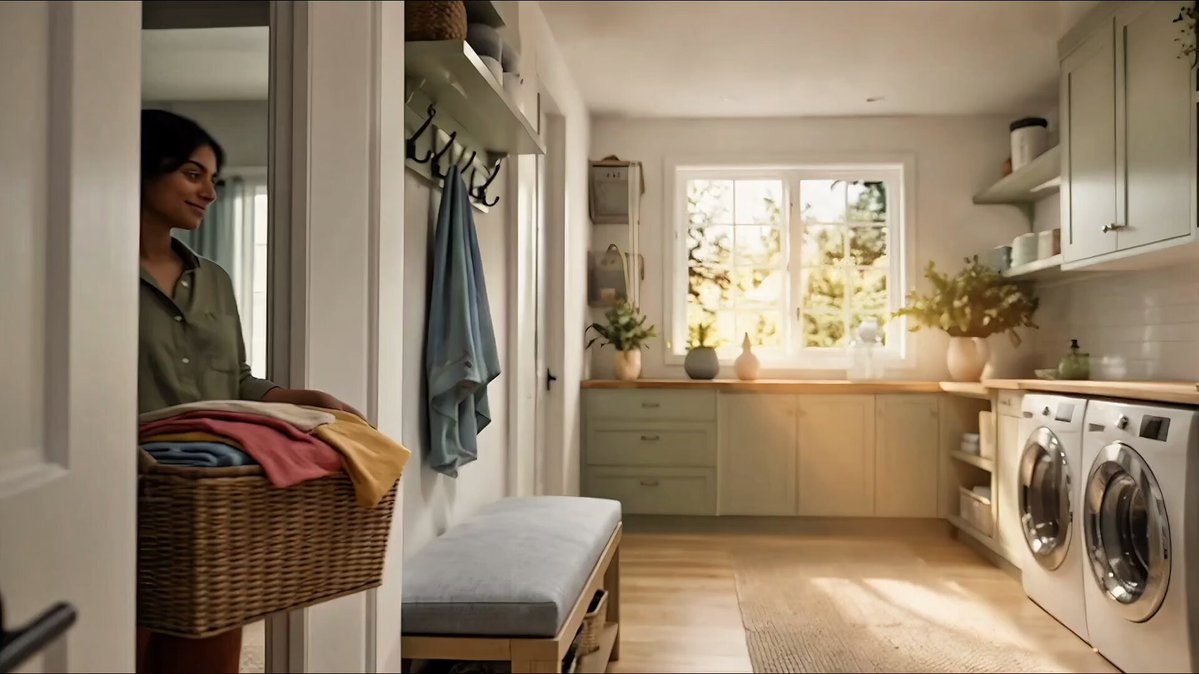
The most common is a lack of lighting depth. In flat output, the scene reads as evenly lit, missing the hard shadows, specular highlights, and natural falloff that give subjects volume and make a frame feel three-dimensional. An image or video with no real light logic looks like a cutout taped onto a background.
The second is unreliable physics. Objects that should fall or splash or collide instead float, bend, or pass through one another. The eye catches these instantly, and the whole scene loses credibility even if the subject looks great.
The third is the uncanny quality of detail. Pores, hair, fabric texture, reflections, all of these either render with an unnerving smoothness or glaze over with artifacts. The result is a look that is clearly synthetic, which audiences today are quick to notice and quick to reject. Escaping flatness means addressing all three, depth, physics, and believable detail, rather than chasing one.
The Flux Series: A New Baseline for Image Stability
When people talk about escaping flat AI, the Flux series comes up constantly, and for good reason. Flux set a new reference point for image fidelity, particularly in how it renders textures, lighting, and style with coherence. For anyone building video, it matters in two ways: as a model that itself produces dimensional stills, and as the source of the high-quality starting frames your video workflow depends on.
Flux has a reputation for strong prompt adherence and for rendering detail that does not fall apart the way earlier image models did. Faces read as faces, materials read as materials, and the outputs carry a physical weight that is one step closer to photography. Because image fidelity is the foundation of any video you hope will look dimensional, a starting frame that already has depth gives your motion pass a huge advantage.
If video is your goal, do not treat Flux as a competitor to your video model. Treat it as part of the pipeline. Craft a dimensional, well-lit still with it, then feed that still into your video generation as the anchor. The still's depth, physics-aligned lighting, and texture become the thing the video model preserves and animates, which is the fastest, most reliable route past flatness.
The Runway Benchmark: Gen-3 and Gen-4 for Video
Where image models establish depth, video models are judged on motion, and the Runway generation lines have become a benchmark for what believable generative motion looks like. Gen-3 brought a quality jump in natural, weighted movement, and the lineage has continued to push on realism and control. For a generation, Runway was the model to measure competitors against on motion quality and cinematic feel.
What distinguishes Runway-class output is that the motion stops looking like interpolation and starts looking like performance. Subjects carry momentum, weight shifts read accurately, and the environment interacts with the action in way that feels physical rather than decorative. This is precisely the quality that defeats flatness, because motion with believable weight cannot exist in a flat, information-poor render, it requires the model to understand and reproduce depth and physics.
Runway is also a meaningful competitor in control and iteration for professionals who need to steer outputs rather than accept whatever the model suggests. Its emergence pushed the whole field forward, because once credible motion was proven possible, the expectation set, and audience tolerance for flat, weightless video fell even lower.
The Global Heavyweights: Sora, Kling, and PixVerse
The push beyond flatness is a field-wide effort, and three names beyond the image-video divide keep showing up in serious conversations about next-gen output. Getting to know them as alternatives and complements broadens your options considerably.
The Sora series, from OpenAI, represented one of the largest conceptual jumps in the field, demonstrating long, coherent, physically plausible sequences from text at a scale no model had matched. It reset assumptions about how far generated video could go, and its influence is visible across the tools that followed.
Kling AI has distinguished itself with detailed, fluid motion and strong adhesion to the prompt, which is a constant struggle in video. When a model reliably does what you asked, you spend far less time recomposing prompts, which makes it valuable for professional workflows that need control and consistency. PixVerse has built a reputation for accessible, fast generation and a broad user base, making it a practical option when you need volume and speed without sacrificing too much quality.
None of these is the single right answer for every job. They are pieces of a toolkit, and the craft is knowing which personality fits which scene.
Direct the Action So Depth Reads On Screen
Tools give you the raw ability, but turning it into a non-flat result depends on how you direct. You can prompt a dimensional style and then rob it with a weak, shallow scene. The direction has to force depth to read.
Light with intent inside your prompts and references. Describe a lighting situation with a clear source and consequence, a window casting a hard shadow, a rim light separating a subject from a dark background, an ambient glow at dusk. Lighting that comes from somewhere gives the frame volume and guarantees the depth you want rather than leaving it to chance.
Direct the studio with physical awareness. In your brief, specify how weight and interaction behave: how a pour splashes, how fabric drapes, how a door closes with momentum and latch. When the model starts from a brief that names the physics instead of leaving it generic, it is far more likely to reproduce them.
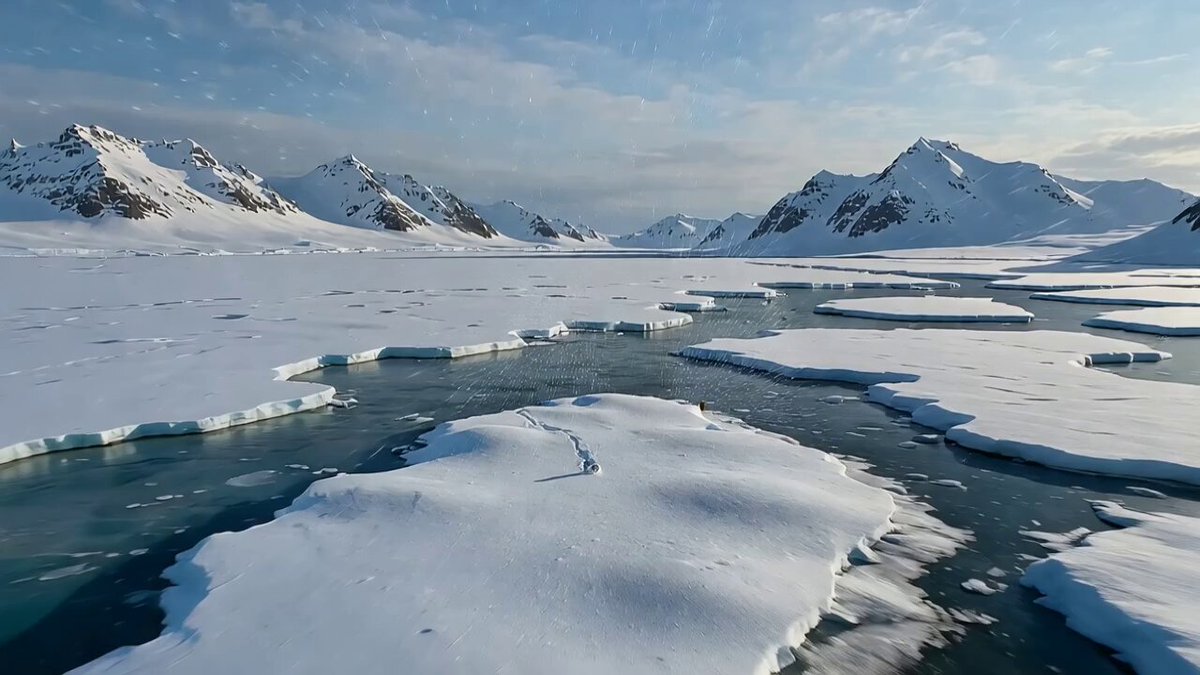
Use camera movement that reveals space. A slow dolly through a room, a push past a foreground object, a lateral move that parallax shifts the background, all of these set a scene in real space and erase the flat, posterized feel. Motion that exposes spatial relationships is the direct opposite of flatness.
Achieve Frame-Accurate Control for a Tight Scene
Some projects are marked by chaos, and some projects demand precision. When a scene requires you to know exactly what is in the frame, the generalists are not enough; you need path on frame-accurate control. A number of models, particularly innovations from Asian markets, have focused on precisely this discipline.
Frame control means you can lock specific elements across a sequence, keeping a character or prop recognizable and forcing the composition to follow a plan rather than drifting. It is invaluable for ad work where a product must be correct, or for series where continuity is non-negotiable. When combined with multi-image reference, you can pin both identity and spatial placement, which yields a dimensional, ordered scene rather than a happy accident.
Frame-accurate control is also the bridge between AI generation and professional edited production. Studio work loves footage that behaves enough to cut and composite around, and precise, controllable generations fit into that pipeline rather than resisting it. As the tools expand, looking for control features is one of the best habits for anyone who is serious about production quality.
Fold Next-Gen Models Into a Real Workflow
Buying better models does nothing if your workflow does not use them well. The step that separates professionals from enthusiasts is treating these powerful tools as disciplined parts of a pipeline rather than one-off novelty gadgets.
Build a shared visual foundation. Curate strong reference frames and a consistent style block, and reuse them across every project so that depth, color, and identity carry from shot to shot and job to job. Consistency is the silent ingredient in a professional look, and it comes from workflow discipline more than from any single model.
Institute a real review pass that catches flatness at the shot level. Look specifically for lighting depth, physics errors, and that synthetic-detail glaze, and correct at the reference or the direction rather than hoping the next render is luckier. The fix is usually upstream, in the starting image or the brief, not downstream in the output.
Structure your job to be repeatable. When the workflow, the references, and the review criteria are documented, you can reproduce a professional result on demand instead of recreating it, and you can hand the process to collaborators without it degrading. That is what turns a handful of impressive clips into a dependable production capability.
A Checklist for Escaping Flatness
Putting all of this together into a repeatable habit is easier when you have a checklist you can run on any project. These steps mirror the order you should actually work in and give you a quick way to catch a return to flatness before it ships.
Start with the source. Build a polished, dimensional still with an image model like Flux, checking specifically for lighting depth and believable textures. A flat source guarantees a flat video, so this is the highest-leverage fix.
Then pick the anchor and the brief. Feed the still into your video model, and write a brief that names the physics and the lighting intent rather than leaving them generic. These two, a strong reference and a concrete direction, do most of the work.
Choose the model for the motion. Favor a Runway-class model for weighted, natural movement, and bring in a frame-control or regional model when a scene demands precision the generalist cannot deliver. Match the tool to the shot, not the hype.
Direct to reveal space. Use camera moves and compositions that separate foreground from background and let parallax, shadow, and scale read on screen. Depth has to be shown, not just claimed.
Review for the three killers. Look hard for even, sourceless light, weightless physics, and that unnervingly smooth synthetic detail. Fix at the reference or the brief, upstream, and regenerate rather than patching frames.
Finally, repeat with discipline. Because the references, the style block, and the review criteria are documented, you can reproduce a professional result on demand. That repeatability is what turns occasional impressive clips into a dependable production capability.
Frequently Asked Questions
Is flat AI video actually still a problem in 2025? The newest models have surged past much of it, but the problem is not gone, it just moved. High-fidelity generation still requires deliberate lighting, direction, and physics-aware prompting, and the weakest links in a workflow are still exposed in flat-looking output.
Do I need the most expensive model to escape flatness? No. The biggest gains come from a good workflow, strong starting references, and deliberate direction. A mid-range model used with discipline can outperform a flagship model used carelessly. Upgrade the craft before the model.
Can I mix image and video models from different developers? Yes, and it is a common professional pattern. Generate a dimensional still with an image model, then animate it with a video model. The quality of the still often matters more than which video model you choose.
How do I know if my output is still flat? Look for the evidence: even, un-source-able lighting, weightless or bent physics, and that unnervingly smooth detail texture. If any of the three is dominant, you have flatness. Add a lighting intent, name the physics, and tighten the reference.
What is the fastest single upgrade? Start every video from a polished, dimensional still instead of a blank prompt. A strong anchor frame carries depth, lighting consistency, and composition into the motion pass, and it fixes more flatness than any prompting trick or model swap alone.
