
Crea
Affiliazione
Inizia Gratis Ora
Beyond Stock Footage: Generate Unique Video Assets with AI
Aug 3, 2026

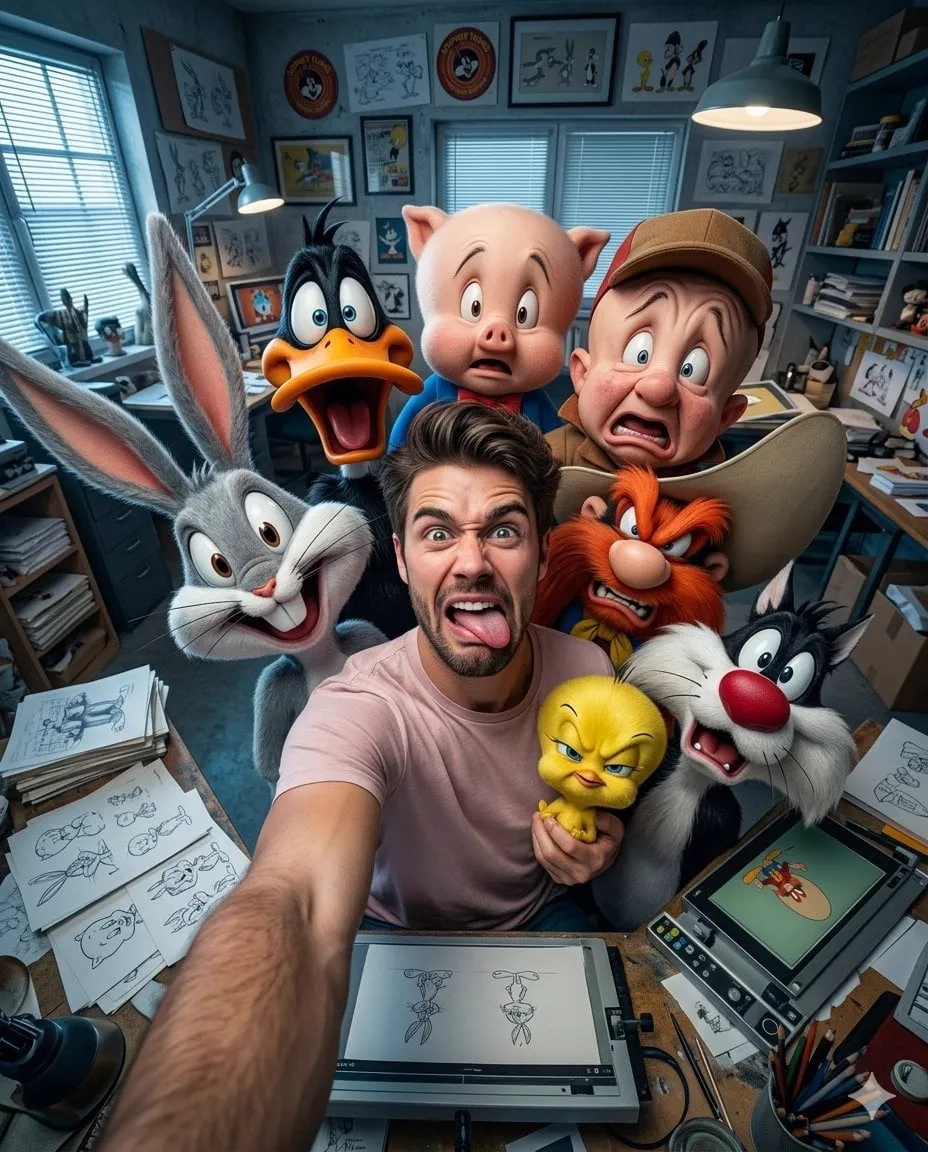
The End of Generic Stock Footage
For decades, commercial video production has relied on stock footage libraries — generic clips licensed for reuse across countless projects. In 2025, this model is rapidly becoming obsolete. Brands now demand uniqueness and hyper-relevance that pre-shot libraries simply cannot deliver.
Studies show that 85% of consumers prefer content that feels bespoke to the brand, leading to significantly higher engagement rates compared to generic assets. The solution? Generative AI that creates custom, brand-specific visuals from scratch.
Why Stock Footage Falls Short
The Generic Problem
When multiple brands license the same stock clips, audiences experience visual fatigue. The smiling office worker, the handshake in a boardroom, the city skyline at sunset — these images no longer differentiate your brand; they blend you into the background noise.
Creative Limitations
Stock libraries force you to build your narrative around available footage rather than creating footage that serves your narrative. This inverted creative process leads to compromised storytelling and diluted brand messaging.
Licensing Complexities
Managing usage rights, territorial restrictions, and renewal fees across multiple stock platforms creates administrative overhead that drains creative resources.
The AI Generation Advantage
Unlimited Customization
AI video generator platforms enable you to generate precisely the visuals you need. Need a specific product in a specific environment with specific lighting? Generate it. Need a consistent character across 50 different scenes? Multi-image fusion technology makes it possible.
Brand Consistency at Scale
Instead of licensing reusable clips, you can invest in proprietary visual IP generated instantly. Character consistency, color palette adherence, and style uniformity become automated features of your production pipeline rather than post-production headaches.
Speed and Cost Efficiency
A custom video shoot takes weeks and costs thousands. AI generation takes minutes. For commercial projects requiring high-volume output — social media campaigns, product demos, localized advertisements — the economics are transformative.
Building Your Visual Asset Pipeline
Define Your Visual DNA
Before generating anything, establish your brand's visual identity. Define:
- Color palette and lighting preferences
- Camera style and movement characteristics
- Character and environment specifications
- Mood and tone parameters
This visual DNA becomes the foundation for every generated asset.
Model Selection Strategy
Different AI models excel at different tasks. GPT Image 2 provides exceptional detail for product visualization. Other models specialize in dynamic action sequences or atmospheric environments. Smart creators match the model to the task.
Character and Product Consistency
The biggest technical challenge in AI generation is maintaining consistency across scenes. Multi-image fusion solves this by establishing canonical representations — identity signatures that remain stable regardless of environmental changes. A product visualized from multiple angles or a character appearing across different settings maintains perfect visual coherence.
Commercial Applications
E-commerce Product Videos
Generate product demonstrations with consistent branding, multiple angles, and lifestyle contexts — without physical photoshoots. Update seasonal campaigns instantly by regenerating assets with new parameters.
Corporate Training Content
Create scenario-based training videos with consistent characters, branded environments, and culturally appropriate variations for global teams.
Social Media Campaigns
Produce platform-optimized content at the velocity social media demands. A/B test different visual approaches without the cost of multiple shoots.
Localized Advertising
Adapt campaign visuals for different markets by changing environments, cultural elements, and character appearances while maintaining core brand identity.
The New Creative Workflow
From Curation to Creation
The paradigm has shifted from searching libraries for "good enough" to generating exactly what you envision. This changes the creative role from curator to director.
Integration with Professional Tools
AI image generator outputs integrate seamlessly with professional editing suites. Generate base assets, refine in post-production, and maintain quality control throughout.
Team Collaboration
Cloud-based generation platforms enable distributed teams to access shared asset libraries, maintain brand consistency across regions, and iterate collaboratively in real time.
Getting Started
- Audit your current stock footage spend and identify high-frequency asset categories
- Build your visual DNA document — define exactly what your brand looks like
- Start with small projects to develop your generation workflow
- Scale gradually as you refine your process
The era of generic stock footage is ending. The era of bespoke, AI-generated visual assets has arrived. Visit Domer's blog to explore tools and strategies for your next project.

Alexander
More Blogs
Read MoreVidu Q4 Alternatives: 4K AI Video Models Compared (2026)
Vidu Q4 alternatives compared: Kling 4.0, Seedance 2.5, Wan 3.0, and Runway Gen-4 — 4K support, input modes, durations, audio, and what each costs in credits on Domer.
Top 4K AI Image Generators in 2026: 5 Models Compared on Real Costs
The top 4K AI image generators on Domer compared: Flux 3 Klein, Nano Banana 2.1, GPT Image 2.5, GPT Image 2, and Nano Banana Pro — 4K credit costs, reference limits, and speed.
Nano Banana 2.1 vs GPT Image 2.5: Which Image Model Should You Use? (2026)
Nano Banana 2.1 vs GPT Image 2.5 Flare compared: credit costs per resolution, aspect ratios, reference images, text rendering, and which tasks fit each model.