

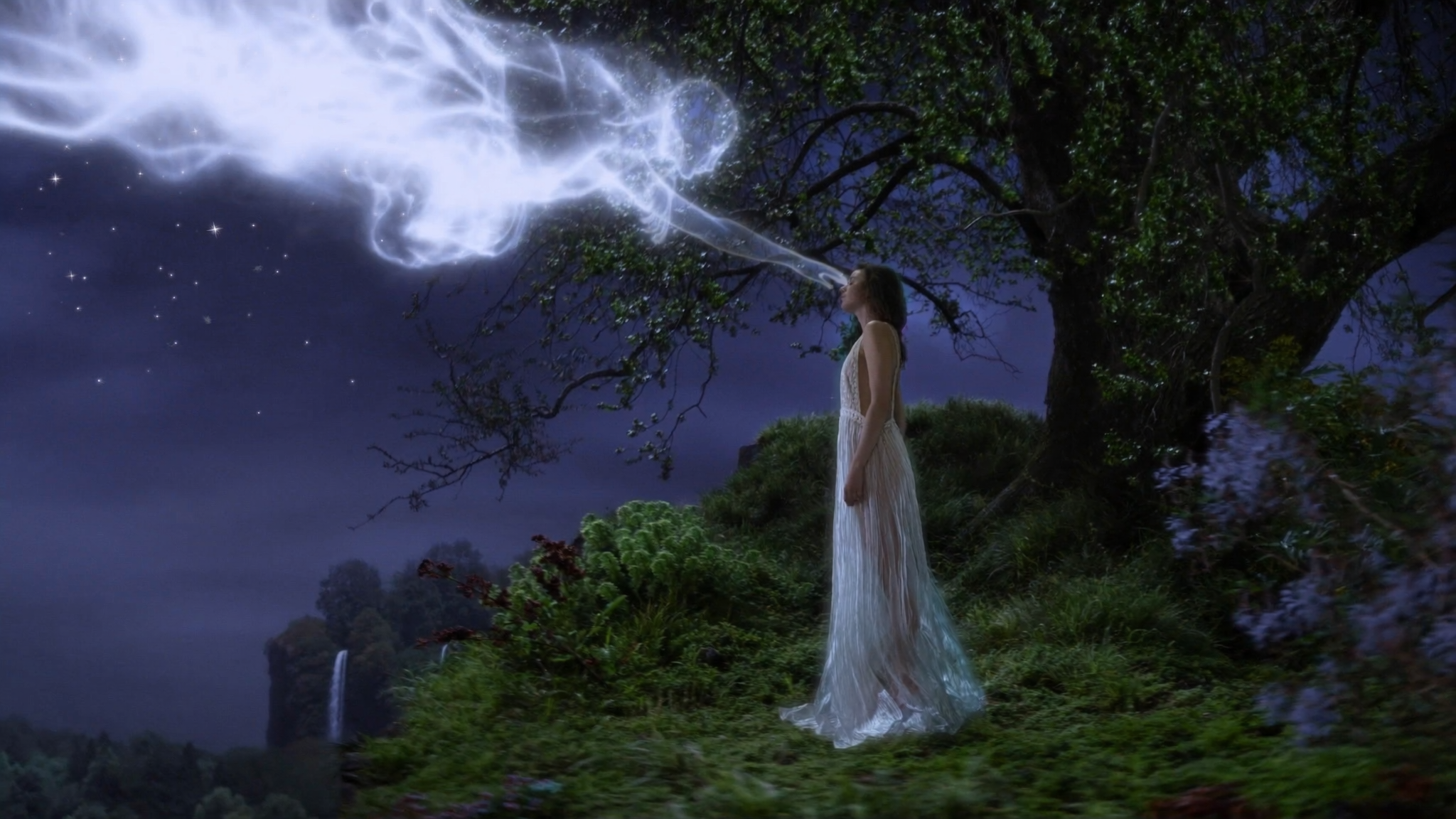
The gap between a video that disappears and one that spreads across every feed is rarely about luck. It is almost always about a handful of deliberate choices: how well the first frames hook a viewer, how consistent the characters and world feel, and how much the final cut looks like it was filmed rather than generated. With modern generative AI, the means to produce that kind of footage are no longer locked behind expensive cameras and crews. The real craft is in directing a model toward a coherent, cinematic result and then shaping it into something the algorithms reward.
This guide walks through the full workflow for producing cinematic AI video that has a realistic shot at going viral. It covers how to think about the brief, how to choose and combine models, how to keep a character recognizable from scene to scene, how to build a hook in the opening seconds, and how to assemble a final cut that feels intentional. There is no single magic prompt, but there is a repeatable process with many people. It works because it treats the AI as a flexible studio rather than a one-button slot machine.
Start With the Right Idea, Not the Right Tool
Before any prompt is written, the concept decides most of the outcome. Viral AI video tends to cluster around a few repeatable ideas: an object transformed into something unexpected, a historical scene re-imagined with a twist, a familiar character placed in a strange setting, or a visually satisfying transformation loop. Each of these works because it holds a promise in the first second and delivers on it fast.
Choose a concept that can be expressed in one sentence and understood in half a second. If a stranger needs a paragraph of context to get the joke, the idea is too dense for a short-form feed. Strong candidates have a single visual surprise and a clear emotional payoff. For example, a classic car melting into liquid and re-forming as a sculpture reads instantly. A medieval tavern where the patrons are modern robots reads instantly. An abstract data visualization of global shipping does not.
It also helps to pick topics with sensory texture. Water, fabric, fire, metal, fur, and glass give models rich material to render, and models handle these surprisingly well. A concept built around recognizable materials will almost always look more convincing than an abstract one, because the underlying training data is full of them. If you want photorealism, build your idea around the physical world.
Know the Landscape of Video Models
The current generation of video models is powerful but uneven, and no single model is best at everything. Treat the ecosystem as a set of specialists. Some models are known for coherent physical motion and realistic dynamics. Others excel at creative, stylized interpretations and unusual camera moves. Still others are tuned for speed and iteration, which makes them ideal for exploring many directions cheaply before committing to a crowd.
The fastest path to strong results is to use a platform that aggregates many models behind one interface, so switching between a realism-first model and a stylized one takes seconds rather than a new signup and export round-trip. That kind of model variety matters for one concrete reason: it lets you match the tool to the scene. A photoreal landscape shot that needs calm physics is a different job than a dreamlike transition sequence, and forcing the same model to do both usually produces mediocre version of each.
When you are evaluating a model for a given scene, run the same prompt through two or three models and compare honestly. Look for three things: whether motion looks physically plausible, whether the subject stays recognizable across frames, and whether the aesthetic matches the tone you set. Keep a short list of your favorite pairings per kind of shot. Reusing a proven model-scene combination is far more efficient than rediscovering it every time.
Direct a Look: Camera, Lens, and Cinematic Language
Realism in generative imagery comes less from raw detail and more from inheriting the visual vocabulary of real filmmaking. Models are trained on enormous amounts of professionally shot footage, so when your prompt uses their language, they answer in kind.
Describe the camera explicitly. State the lens character, the focal effect, the camera movement, and the mood of the light. A prompt that opens with a shot description and a lighting setup will behave drastically differently from a bare subject description. For example, a prompt that asks for a cinematic dolly shot with soft afternoon light, shallow depth of field, and a 35mm look pushes the model toward a film set aesthetic instead of a flat render.
Match the camera move to the emotional beat. A slow push-in builds tension and intimacy. A wide aerial establishing shot sets scale. A whip pan or a fast zoom can add energy to a reveal. Think of the camera as an invisible narrator; what it does tells the audience how to feel before they process the subject at all.
Lighting is half the story. Golden-hour warmth, cold moonlight, harsh neon, soft studio diffusion each changes the mood of the exact same scene. Name a lighting condition and strength explicitly, and resist vague words like nice or beautiful. Specifics are what the model can actually use.
Lock Consistency: Keep One Character Across Every Scene
Short-form hooks often demand a single recurring character or object, and consistency is the hardest thing to get right. When a face changes subtly in every scene, the video loses the illusion and viewers notice immediately even if they cannot say why.
The practical answer is to build strong reference anchors and reuse them. Generate one clean reference image of the character, object, or world first, locked at the angle and style you want as the canon version. Then use that reference to guide every subsequent scene so the model holds the design steady. Many platforms support image prompts and character-lock workflows exactly for this purpose.
Lock the smaller things too: the outfit, the palette, the hairstyle, the prop composition. If a character wears a specific jacket in the reference, repeat that description verbatim in every prompt. Small drift becomes big drift after a few scenes, so protect the details that identity depends on. For an object-driven concept, keep a stable reference of the hero object from multiple angles so in-scene motion stays true to it.
When consistency fails, iterate on the reference rather than crossing your fingers. Re-generate the reference until it captures your intent, because everything downstream inherits its quality. Consistency is a top-down problem: nail the foundation first.
Engineer the Hook: Win the First Three Seconds
Short-form platforms and many feed algorithms reward retention, and retention is decided in the first three seconds. The hook is not an optional garnish; it is the entire premise of survival for a video competing against a bottomless feed.
Design the very first frame to be the strongest frame of the piece. It should contain the visual tension that the rest of the video resolves. If the concept is a transformation, imply the beginning of it at the start. If the concept is a twist of scale, establish the surprising scale immediately. Do not spend time on logos, titles, or slow establishing shots. The audience does not owe you patience, so take them straight into the interesting bit.
Keep the concept visible through motion. A single striking still image is a good starting point, but the video needs the confirmation and payoff to justify being a video. End the piece on a resolved beat: the transformation complete, the reveal landed, the loop closed. A satisfying ending also doubles video share rates because people send clips with a clean punchline to friends.
Build a Reproducible Workflow
Viral output is rarely a happy accident; it is usually the top slice of a systematic pipeline. Build the workflow so that every run teaches you something and produces usable material.
Start with speed. Generate several small, cheap drafts that explore the biggest variable in your concept, whether that is the render style, the camera angle, or the character design. Do not polish a direction you have not validated. Iteration is where the craft happens, and fast models exist specifically to let you explore without burning through time or budget.
Once a direction works, increase quality. Regenerate the chosen scene at higher fidelity, refine the prompt's material descriptors, and tighten the lighting. Then assemble the pieces in an editor to control pacing, add sound, and time the cut to music or a voice-over. Sound is a force multiplier: a well-chosen track or a tight voice-over can carry a video that is visually average, while jarring audio can sink a visually strong one.
Keep notes. Save the prompts, model choices, and reference images that produced your best results in a library you can reuse. The next campaign will go faster, and you will stop re-solving problems you already solved.
Add Depth: Materiality, Motion, and Micro-Detail
Photorealism lives in the small stuff. Flesh catching light, fabric creasing, water's surface tension, the way a metal object reflects its environment these micro-details are what separate a convincing render from a flat one.
Describe materials with physical specificity. Instead of shiny, name metal, chrome, brushed steel, wet concrete, silk, denim. Instead of old, name rust, patina, moss, peeling paint, faded signage. The more concrete the material vocabulary, the more the model can render believable texture.
Motion matters as much as texture. Request physically plausible behavior for the objects involved: how fabric drapes, how water splashes, how gravity affects a falling object. Some models are stronger at spatial understanding than others, which is another reason to match scene type to model. If a scene hinges on hard physics and your default model cannot manage it, switch to the one that can.
Batch Around the Idea: More Shots, More Angles
One strong idea can support many videos. Do not put all your effort into a single render. Instead, treat a winning concept as a small production and make several variations: different angles, different moods, a loop version, a slow-motion version, a version with a voice-over script. Each variant can target a different audience segment or platform, and collectively they give you data about what resonates.
This batching mindset also de-risks algorithm shifts. Feeds change, but a library of related, tested variants means something in it will keep performing. Measure which variant held attention longest and feed that learning back into the next concept. Over time you build a personal playbook of what visual and structural patterns your audience actually returns to.
FAQ: Common Questions About Cinematic AI Video
How long should a viral AI video be?
For short-form feeds, aim for something between fifteen and forty-five seconds. Long enough to deliver a payoff, short enough to respect a short attention span. The exact sweet spot varies by platform and audience, so test a couple of lengths.
Do I need one specialized model or many?
Many. A single model cannot be best at photorealism, stylization, and speed all at once. Use fast models for exploration, realism-first models for grounded scenes, and stylized models for dreamlike ones. A platform that pools many models makes this switching painless.
Why do my characters change appearance between scenes?
Character drift most often comes from missing reference anchors. Generate a clean reference image and reuse it to guide every scene, repeating key descriptors verbatim. Lock small details like outfit and palette before drifting compounds.
What makes content go viral versus get ignored?
The biggest controllable factor is a strong hook in the first three seconds combined with a single clear concept and a satisfying payoff. Retention at the start and a share-worthy ending do more than production polish ever will.
Is audio really that important?
Yes. A good track or a tight voice-over can dramatically improve perceived quality and retention, while bad audio will sink even a gorgeous render. Treat sound as a first-class part of the edit, not an afterthought.
Parting Notes
Creating cinematic AI video that can go viral is a learnable skill. It combines a clear concept, smart model selection, explicit cinematic prompting, disciplined consistency, a strong hook, and a reproducible workflow. No tool does the thinking for you, but with the right approach the tools act as an endlessly patient studio. Start with one strong idea, make many cheap versions, study what holds attention, and refine. The skills compound, and so does the quality of the work that comes out the other side.
