
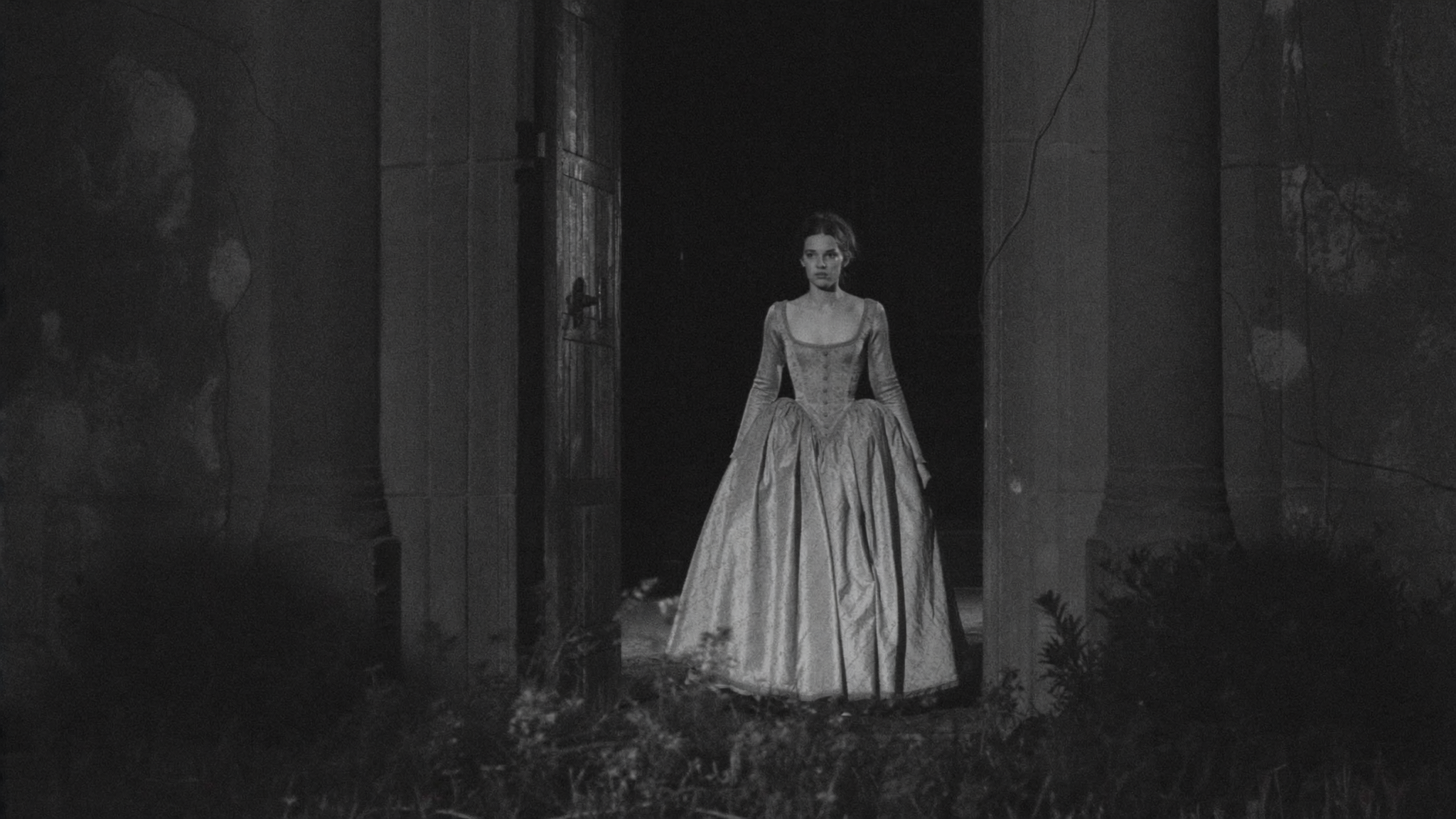

The hardest thing in AI video generation is keeping the same character across multiple shots. You can generate a stunning frame of a space pirate on a cargo deck, and then the very next clip hands you a completely different person wearing vaguely similar clothes. It is the single biggest credibility killer in the medium. Audiences may forgive a slightly odd hand, but they will not forgive a protagonist who changes face between cuts.
Consistency matters because video is built from sequences. A trailer, a product explainer, or a short film is not one image; it is a chain of moments that must feel like one continuous world. When the hero looks different in every scene, the illusion collapses and your audience simply stops believing what they are watching.
In this guide you will learn practical ways to lock down character identity in AI-generated content: crafting strong reference sheets, using image fusion to pass a face from scene to scene, controlling keyframes so important poses stay stable, and knowing when to invest in a custom model. No matter which generation engine you use, these principles hold.
Why characters drift between clips
Before you can fix a problem you should understand where it comes from. Character drift is not a bug you can switch off; it is a trait of how generative models work.
Most text-to-video models create visuals from a latent description. They understand prompts as bundles of fuzzy concepts, not as exact records of a specific face. When you write "an explorer with a red jacket," the model invents a representation of that concept each time. The results are similar but never identical, because the model is sampling from probability, not copying a blueprint.
Compounding this, short clips inherit no memory of the clip that came before. Unless you actively feed reference material forward, each generation starts fresh. So the reliable path to consistency is to give the model the same concrete anchor every time: a reference sheet, a fused image, or a trained model.
The foundation: a strong reference sheet
The most important tool you can build is not inside any software. It is a single image (or small set of images) that defines your character completely. Treat it like a character-sheet artists use: a clear front view, a side view, a description of features, clothing, palette, and distinctive details.
What makes a reference image good
A useful reference sheet is not just any image. It should be:
- High resolution, with a sharp and uncluttered face.
- Close to the look you want to reproduce, with nothing ambiguous.
- Consistent within itself: a single costume, a single hair color, one clear set of accessories.
- Isolated, so the model focuses on the character rather than background noise.
If you capture a character you like in one generation, save that frame and use it as your reference for the next. Over time you will keep a small library of approved looks per project.
Building a character bible
Beyond a single sheet, professional AI productions keep a character bible: a folder with the approved sheet, a list of defining traits, sample prompts that reliably reproduce the look, and a changelog of what works and what causes drift. When a project spans many clips over weeks, the bible becomes the single source of truth that keeps everyone — including future-you — on the same page.
Write down the exact palette of the costume, the hair style in words, the distinctive scar or accessory, and the two or three reference images that produce the most stable results. You will revisit this bible far more often than you expect.
Using multi-image fusion to share identity
One of the most effective techniques to maintain character identity is feeding the generator multiple reference images and letting it fuse them into a coherent representation.
Instead of saying "female detective," you provide two or three pictures of the same woman and ask the system to keep her face, hair, and style across the shots. The model pulls the shared identity from the images and carries it into every new clip, which significantly reduces drift compared with describing the character in words alone.
How to set up a fusion for consistency
- Pick 2-4 reference images that show the character from different angles but with the same features and costume.
- Avoid mixing different characters in the batch; keep them distinct so the model does not blend them together.
- Add a short prompt that reinforces the shared identity, like "same woman, same red jacket."
- Generate a test clip and check the face and details. If something shifted, refine the reference set.
Multi-image fusion makes it practical to keep the same face in entirely different locations and styles, which is exactly what serialized content demands.
When fusion is not enough
Fusion handles identity well within a family of similar scenes. But when the style changes drastically, or the character is shown from extreme angles, fusion can still wobble. Watch for these warning signs:
- The eyes or nose subtly change shape between clips.
- The hairline moves even though the costume stays.
- Accessories appear or disappear (glasses, jewelry, patches).
When you see these, go back to the reference set rather than tweaking the prompt. The prompt cannot express the specificity an image can.
Keyframe control for stable poses and shots
Words are fuzzy, but keyframes are not. Many advanced generators let you pin a specific image at a certain point in the clip, telling the model what exact frame to honor as it generates the frames around it.
If you want a character to sit in a chair in the first shot and stand at a window in the second, you do not rely on the prompt to get the pose right. You provide a keyframe for each moment and let the model fill the motion between them. This gives you repeatable control over composition, camera angle, and character placement across multiple clips that then cut together cleanly.
Practical keyframe workflow
- Define the opening and final frames you want for each shot.
- Use keyframes to set camera movements, like a slow push-in or a pan across the room.
- Anchor the character with the same reference sheet at each keyframe so the face survives the motion.
- Preview the transition before committing, because interpolation can still surprise you.
Keyframe-driven camera language
Keyframes also let you build a deliberate camera language for your project. If you consistently enter a scene with a low-angle push-in and leave with a slow dolly-back, viewers subconsciously learn the rhythm of your block. This is the same trick used in traditional filmmaking, and keyframing lets AI editors borrow it. The result: clips that feel directed rather than generated.
When to invest in a custom model
For one-off clips, reference images and keyframes are enough. But when a character becomes the mascot of a series, a brand, or a long-running project, you will go further and train a custom model dedicated to that look.
What a custom model buys you
A trained model locks in the character's identity the way a fixed cast locks in an actor. Every generation, no matter how different the prompt, draws from a character that no longer drifts. This is the difference between asking an illustrator to redraw a person from memory and asking them to copy a definitive base portrait.
The investment pays off when you need many clips in different styles and settings with the same protagonist: a weekly web series, a mascot for product demos, or an influencer persona that must look identical in every post.
How to approach training
- Gather a clean set of reference shots covering key angles and expressions.
- Keep the training set consistent in lighting and framing to avoid confusing the model.
- Name the character clearly so prompts can reference it reliably.
- Test across a few unrelated prompts to confirm the identity holds in new contexts.
Training cost and when it pays off
Training takes compute time and patience. It is the right choice when you anticipate more than roughly a dozen clips of the same character. Below that, the setup time often outweighs the benefit. Above it, the stability you gain is worth every hour. Track how many times you regenerate a clip for drift before you decide; if you are fighting drift on every shot, start training sooner.
Keeping consistency across styles and environments
Characters often have to move between wildly different settings, from a neon street to a snowy mountain. Consistency is harder the more the environment changes, because the model has more variables to juggle.
To keep your character readable through style shifts:
- Always feed the same reference images, regardless of the new environment.
- Keep the costume palette stable even as the lighting changes.
- Reinforce identity with the same short descriptive phrase in every prompt.
- Cut between scenes using shared color and sound so the audience follows the same thread.
When a character stays identical from one wild setting to the next, the effect is genuinely cinematic and separates your work from casual generator output.
Lighting consistency
Lighting is the quiet saboteur of identity. A character shot in golden hour light and then in cold neon may read as two different people even with the same face, because our brains associate color temperature with a different time and place. If the story demands both looks, bridge them: reuse a warm key light in the neon scene, or add a reminder in the prompt that the character is the same person under new light. Small lighting choices prevent the audience from losing the thread.
A complete end-to-end workflow
Here is a repeatable process you can use on your next project.
- Write the character brief. Name, features, costume, palette, personality.
- Build a reference sheet. Generate or source 3-4 clean images of the character.
- Test identity. Run a few short clips in different scenes and check the face holds.
- Add fusion and keyframes. Pass the reference into every shot and pin important poses.
- Train a custom model if needed. Once the look is approved, invest for the long run.
- Review every clip. Reject any shot where identity drifts; regenerate with better anchors.
Common mistakes that break consistency
Avoid these traps or you will fight drift the whole project.
- Describing instead of showing. Words never pin an identity as well as images. Always use a reference.
- Changing the costume. Even a small accessory shift reads as a different character to the model.
- Using low-quality references. Blurry source images produce unstable results.
- Skipping keyframes on important poses. The prompt is not enough for composition-critical shots.
- Regenerating without feedback. Look at what drifted and adjust the reference, not just the seed.
- Ignoring lighting. A big color-temperature jump can make the same faces feel like strangers.
Estimating the right level of effort
Not every project needs a trained model. Use this guide to calibrate your effort.
- One-off clip: reference sheet is enough.
- A short story with 5-10 shots: add fusion and some keyframes.
- A series, a mascot or a brand icon: invest in a custom model for the whole run.
Spending more effort than the project needs wastes time, but spending too little wastes the entire project when the character falls apart. Match the tooling to the ambition.
Frequently asked questions
Why does my character look different in every new video?
Because text-to-video models sample a new representation each time. Without a shared reference image passed into every generation, the model has nothing concrete to copy.
Is a single reference image enough?
Often not. Multiple clean images from different angles give the model a stronger, more reliable idea of the character's identity.
Can keyframes fix a drifting face?
Keyframes control pose and composition. To fix the face identity you still need a good reference sheet or a fused multi-image input feeding the generation.
Should I always train a custom model?
Only when a character recurs across many clips in different styles. For short projects, reference images and fusion are faster and cheaper.
What should I do if two characters look alike?
Differentiate them hard: distinct color palettes, silhouettes, and accessories. Clear, contrasting traits give the model less room to merge or confuse the two.
How do I keep consistency over a very long series?
Build a character bible, reuse the same reference set every time, and audit each new installment against the previous one. If the style of the series evolves, update the reference set deliberately and note the change in the bible.
Conclusion
Character consistency is what turns a sequence of AI clips into a story people believe. It is not automatic, but it does not require magic either: a solid reference sheet, smart use of image fusion, keyframe control on important poses, and a custom model when the character becomes a recurring star are the building blocks.
Start by building a reference sheet for your next protagonist, generate a test shot in two different settings, and see how far just that one habit takes you. Once identity holds across styles and environments, your AI content stops looking like isolated experiments and starts looking like deliberate, professional work.
