

Character consistency is the single biggest problem in AI video production. Anyone can generate a striking image these days; the real challenge is making the same character appear in every shot without their face, wardrobe, or proportions drifting between scenes. When you watch a piece of AI-generated narrative video that holds together emotionally, what you are actually seeing is a production team that solved continuity. This guide explains how consistent character image generation works, why it matters for modern productions, and how to build a practical workflow around it.
For narrative formats the audience forgives a lot, but it does not forgive a main character who changes identity halfway through. A character who looks different from one scene to the next breaks immersion instantly. The demand for this kind of consistency has grown sharply as longer, story-driven formats have proliferated, because longer stories require emotional investment that only stable, recognizable characters can carry. Understanding the mechanics behind consistent characters is now a core skill for digital filmmakers, not a niche technical trick.
Why consistency has become the bottleneck
For years the focus of the AI content community was raw image quality. Then the field began to revisit an older problem from animation and live action: continuity. When you produce a multi-shot video you need the protagonist, the environment, and the props to stay recognizable across camera changes. In AI generation, every prompt tends to reinterpret the description from scratch, which is exactly what causes the character's features to wander.
Continuity sits at the intersection of several disciplines. It demands a stable visual reference, a generation workflow that honors that reference, and a review process that catches drift before a broken asset reaches the final edit. Getting these three things right is what separates a convincing production from a slideshow of similar-looking images. As audiences encounter more high-quality AI content, their tolerance for visible inconsistency drops, which raises the bar for everyone producing narrative work.
Understanding the multi-image reference approach
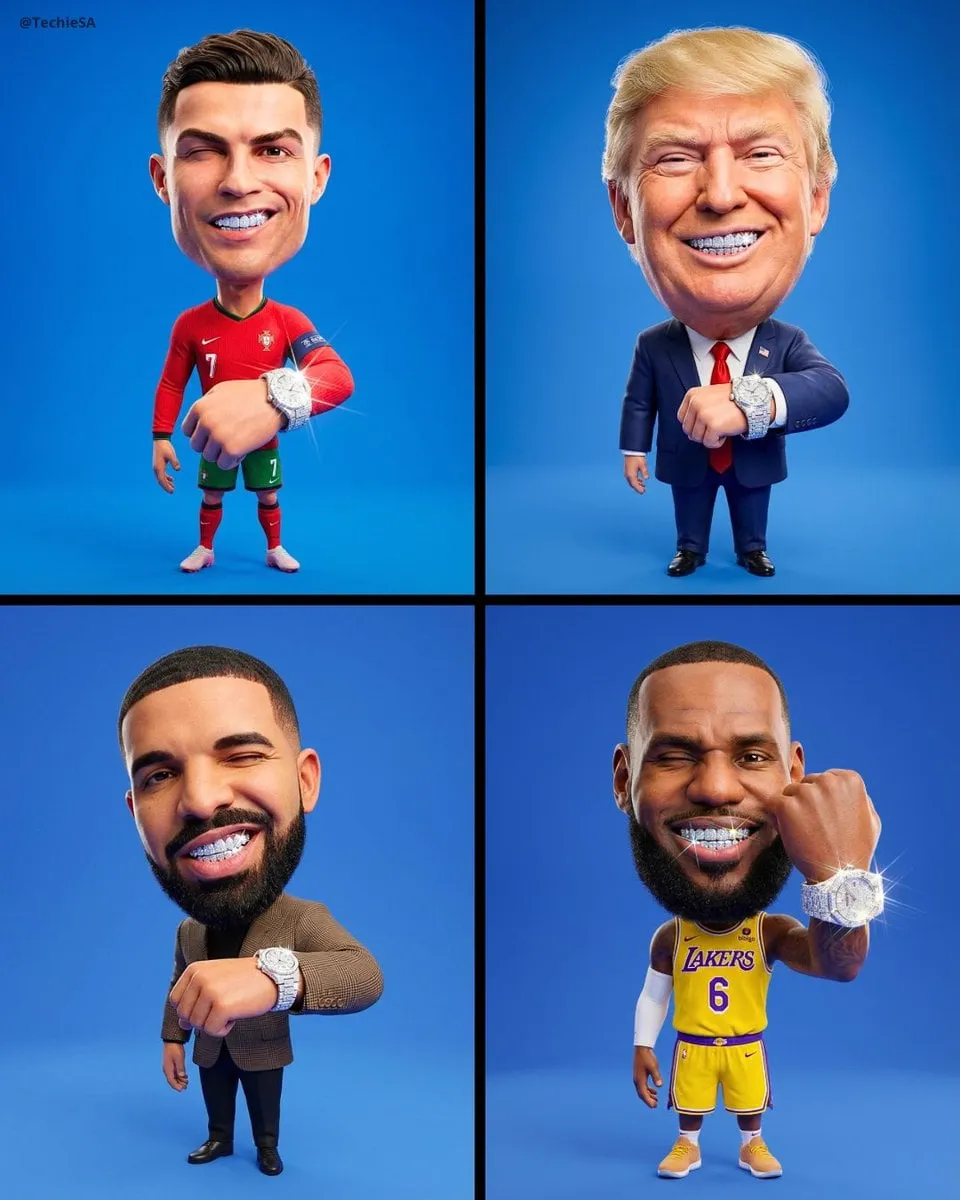
The core idea behind a consistent-character system is to stop describing the character with words alone and instead provide visual references. If the generator can look at several images of the same character, it can extract a unified profile of traits, wardrobe, and facial structure that it then applies to new scenes. This is the philosophy behind so-called multi-image fusion mechanisms.
Rather than forcing a single prompt to encode everything about a character, the reference-based approach lets the visual material carry the information. A few well-chosen reference frames of the character from different angles give the model enough signal to understand who it is supposed to reproduce. The quality of those reference frames matters enormously: a clear, well-lit set of source images yields far more reliable output than a lone low-resolution selfie. Choosing good references is therefore the first technical decision in the workflow.
How reference profiles are formed
The mechanism does not simply copy pixels. It analyzes the source images and builds a compressed reference profile that captures the distinguishing features of the character: face shape, skin tone, hair style, outfit, and general body language. That profile becomes the anchor that later generations respect. The more diverse and consistent your references are, the richer that profile becomes and the more reliably the model maintains continuity across shots.
The role of switching prompts
Even with a strong reference, you will usually write scene-specific prompts that describe action, camera, and setting. The trick is to keep the character description stable while changing everything around it. If the character prompt changes between shots, drift returns. Establishing a canonical character prompt that is reused verbatim across the whole production, and pairing it with consistent references, is one of the most reliable ways to hold a character steady.
The overlay reference approach for continuous shots
There is a second family of techniques that goes even further. Instead of using references only as a starting point, the model continually consults a reference bank throughout generation, effectively overlaying the character across every produced frame. This continuous or keyframe-based control keeps the identity locked in even when the shot is long and involves movement and camera rotation.
This approach is powerful but comes with practical trade-offs. Maintaining the reference bank for an entire sequence increases computation and generation time. It also requires the sources to be extremely clean, because any inconsistency in the reference materials will be reinforced rather than averaged out. For the highest-stakes shots, like a character's first close-up or a scene that depends on facial identity, the extra effort is usually worth it.
Keyframe control for intentional motion
Within this mode you typically designate keyframes, the moments in the sequence where the visual identity must be exact, and let the model interpolate between them. That gives the director control over the anchor points while allowing natural movement in between. By choosing keyframes intentionally, you can script camera moves and character actions without losing the identity that makes the shot read as the same person.
Building the practical production workflow
A reliable consistent-character pipeline looks like a simple assembly line with strict quality gates, not a wild improvisation. It breaks down into four stages that should be repeated until the output is clean.
Define the character bible
Before generating anything, decide who the character is. Write a canonical description that covers physical traits, wardrobe, distinguishing marks, and personality cues you want the visuals to echo. Build the reference image folder: front, three-quarter, full body, and a head close-up, all shot against clean backgrounds and consistent lighting. This is your character bible and everything else refers back to it.
Test small and cheap
Run a quick battery of test shots across several different scenes before committing to the full script. The goal is to prove that the character survives scene changes before you invest in long generation jobs. If drift appears in tests, it will definitely appear in production, so iterate on references and prompts here while the cost is low.
Lock the character during production
Use the canonical prompt and reference bank for every generation in the project. Resist the urge to improve the character mid-shoot; a tiny "improvement" at shot seven will break continuity with shots one through six. If you do adjust the charaacter, regenerate the entire sequence affected, not just the offending shot.
Review against the reference
Build a final gate where every shot is compared side by side against the character bible before joining the edit. Subtle drift that is hard to notice on a single frame becomes obvious when frames are stacked together. A disciplined review pass is the difference between a credible production and a charming but flawed experiment.
Choosing the right generation model matters
Different models handle references very differently. Some do an excellent job of preserving identity across shots; others reinterpret the reference loosely and are better suited to abstract or experimental work. Before committing to a full production, run the same reference bank through a few candidate models and compare how faithfully each preserves the character.
Speed and cost also differ. A model that nails identity but is slow will strain your timeline, while a fast model with weak fidelity will force endless retries. The best choice is a model that both respects references and fits the production's budget and deadline. Keeping a shortlist of two or three models and driving them from a single workflow gives you flexibility without multiplying your maintenance burden.
Managing cost and iteration intelligently
The most common mistake in character-consistency work is generating at full quality too early. Because fidelity depends heavily on references, you should validate identity with low-cost, fast iterations and only escalate to expensive final generations once the character survives the test battery. This keeps waste low and lets you explore many variations of prompt and reference cheaply.
It also helps to reuse verified assets. Once you have a confirmed character profile, keep it stored so future projects can pick it up immediately without rediscovering the prompts and references that worked. Building this small library across projects amortizes the setup cost and turns character work into an accelerating advantage.
Common pitfalls and how to avoid them
Even with a solid workflow, drift finds ways in. The most frequent culprits are inconsistent references, an unstable character prompt, and mid-project changes. Each one is preventable with discipline.
Vague or mixed reference images
If your references show the character in wildly different lighting, hair, or wardrobe, the model will try to average all of them and produce a character that resembles none of them. Keep references uniform in tone and consistent in the traits you care about.
Prompt drift without you noticing
Small language differences, "young woman" versus "a woman in her twenties", produce measurable visual differences. Centralize the canonical description and paste it rather than retyping it.
Improving the character mid-project
Treat the character as frozen once established. Any change ripples forward through every remaining shot. If the client or director insist, plan a clean break: regenerate the whole affected segment in one pass.
Tools and automation worth adopting
You do not need to do all of this by hand. A few practical tools reduce the error rate. A naming and folder convention for references avoids the chaos of a thousand anonymous files. A reusable project template that loads the character bible automatically removes the need to re-enter everything per scene. If you are comfortable scripting, you can build a pipeline that runs the reference bank, issues generations in sequence, and drops results into a review queue so the human only handles creative decisions.
The point of automation is not to remove the filmmaker but to remove the repetitive, error-prone steps that cause inconsistency. The more of those steps you delegate to the system, the more time you have to spend on the artistic judgments that a machine cannot make for you.
When to lean on a community or marketplace
If consistent character work becomes a regular part of your production, consider building or acquiring reusable assets. A library of vetted character models and reference sets, whether purchased, shared, or grown internally, dramatically shortens the path from idea to a consistent first cut. Whatever source you use, apply the same quality bar: test every asset against a cold scene before trusting it in a real project.
Frequently asked questions
Do I need a strong GPU for consistent characters?
Consistency relies more on the reference approach and the chosen model than on local hardware, especially if you generate in the cloud. The main local demand is review and asset management, which any modern machine handles comfortably.
Can I fix a character that drifted in an already-generated shot?
Sometimes a single shot can be regenerated with the corrected references and re-inserted. If the character drifted gradually, you may need to regenerate the whole segment, because mixing generations from different reference states will be visible.
How many reference images should I use?
Three to five well-chosen, consistent images generally strike the right balance. Too few leaves the model guessing; too many, especially if inconsistent, can smear the identity.
Is consistency more affordable with shorter shots?
Generally yes, because short shots are cheaper to generate and quicker to iterate. Plan to lock identity on short test clips first, then apply the validated setup to longer, more expensive shots.
Final thoughts
Consistent character generation is the glue that connects impressive individual images into a story that audiences can follow and feel. It is not a single magic setting but a discipline: decide who the character is, capture them in clean references, lock the description, and review every shot against the standard. Get those basics right and the same pipeline that produces a believable face in one frame will reproduce it across an entire production, letting you focus on the directing and storytelling that the audience actually remembers.
The tools are evolving quickly, but the principles will not: clarity of reference, stability of prompt, and disciplined review. Master those and you have a durable advantage in any production, on any platform, for as long as AI video generation continues to improve.
