
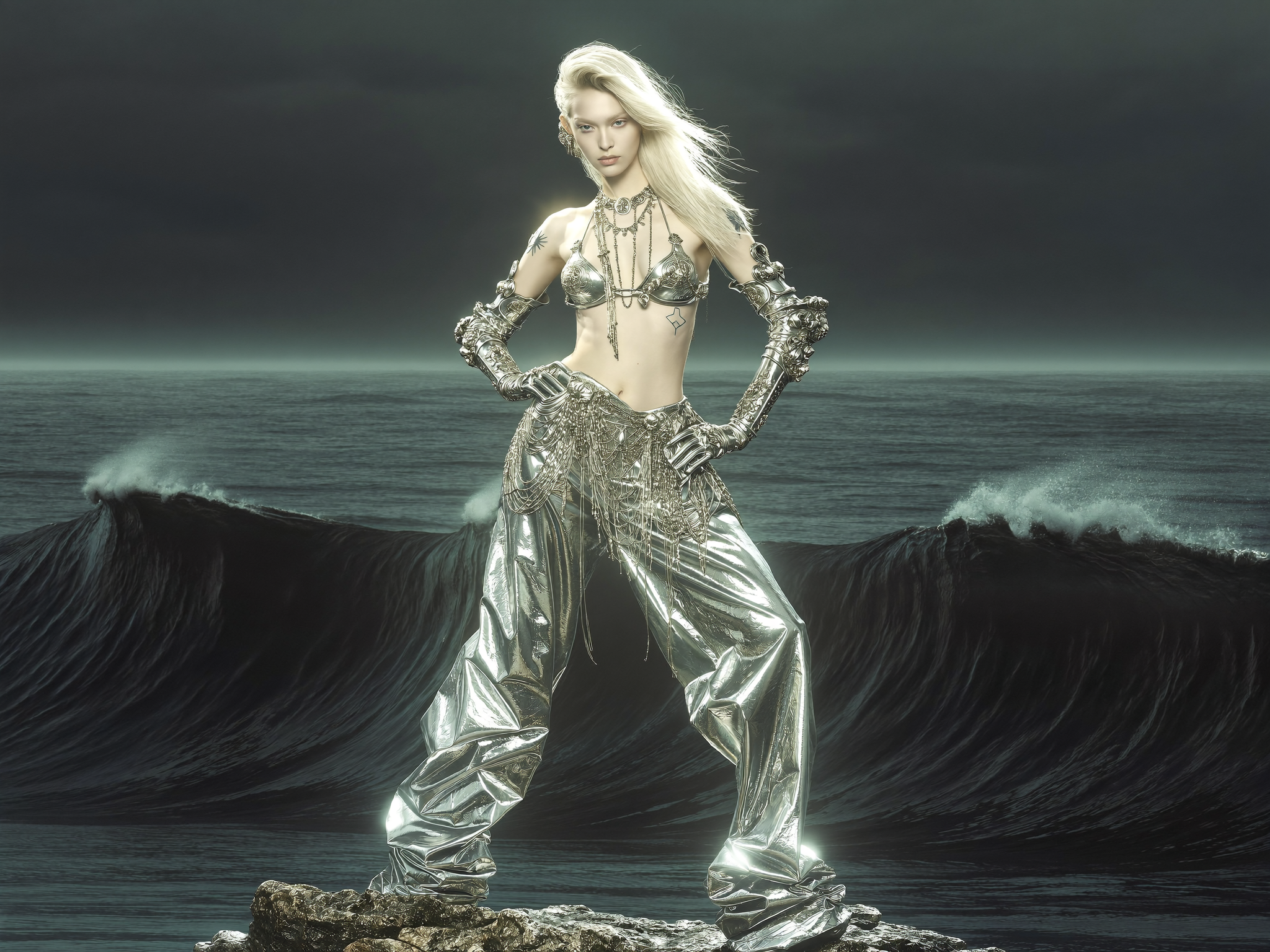

Why Creators Need Watermark-Free AI Video Generation
Anyone who has tried to edit their way around a logo stamped across every frame knows how much it hurts the final cut. A watermark is more than a visual nuisance; it forces awkward crops, weakens the composition, and screams "trial version" to exactly the people you want to impress. For serious creators, turning out professional-looking clips without that mark is no longer a luxury. Free tools that produce clean, usable footage have become the difference between content that gets ignored and content that gets shared.
The demand shows no sign of slowing. Brands, freelancers, and independent storytellers are all shipping more video than ever, and they keep hitting the same wall. Quality AI generation used to sit behind paid tiers, and the free alternatives pushed heavy branding or short, low-quality clips. That has changed. Newer models and open platforms have made genuinely clean, professional output realistic for people with limited budgets, and that shift is reshaping who can produce good video.
This guide looks at how free, watermark-free AI video generation works today. It covers the technology that keeps output clean, the workflow choices that protect your time, the model options worth testing, and the practical decisions that separate a casual experiment from a repeatable production pipeline.
How Free AI Video Generation Actually Works
Generative video tools take a text description, an image, or both, and synthesize a moving sequence. The underlying model predicts plausible motion frame by frame while keeping style and subject consistent. Over the past couple of years the biggest breakthroughs have been about control rather than raw wow factor. A model that can create an impressive clip eight times out of ten is far less useful than one you can steer toward your intended subject, mood, and framing almost every time.
From Short Clips to Directed Scenes
Earlier generation models were happily chaotic. You typed a prompt, crossed your fingers, and hoped the output resembled what you imagined. Modern tools ask more of you, but they also give more back. You can lock a character's face across multiple shots, define camera movement, refer back to a reference image, and keep a scene visually coherent across several takes. That control is what lets a free tool produce something that fits into a real project rather than standing alone as a novelty.
Why the Output Stays Clean
The practical difference between a tagged preview and a professional result boils down to a few parts of the pipeline. Resolution handling matters, because upscaled cheap renders fall apart. Temporal consistency matters, because flickering subjects ruin the illusion. Licensing also matters, because a clean export you cannot legally use is worthless. The best free workflows line up all three, so the footage you get is not just unmarked on the surface but actually usable in a finished piece.
Setting Up a Practical Free Generation Workflow
A reliable workflow matters more than any single model. When you treat generation as a repeatable process instead of a one-off experiment, you waste less time and reach consistent results. The following pipeline works with most modern free tools and keeps the output professional from start to finish.
Start with the Idea, Not the Scene
The most common mistake is opening the generator and writing the first prompt that comes to mind. Professional output begins offline. Nail down the core idea, the emotion you want to convey, and the single action at the center of the clip. Write that down before you touch any tool. When you know what the shot is for, the prompt writes itself and the result has direction.
Describe the Visual Language
A strong prompt controls both subject and style. State the subject clearly, then the setting, then the mood, then the technical details that matter to the shot. If you need shallow depth of field, say so. If the camera should push in slowly, describe it. If the lighting is golden hour, name it. The more precisely you specify the visual grammar, the fewer random edits the model has to invent, and the more stable the output becomes.
Use a Reference Image When You Can
Free tools increasingly accept an image as a starting point. This is the fastest lever for consistency. Feed in a still of your character, product, or location, and the model frames the motion around it. This small habit eliminates the worst problem with text-only generation: the model inventing a subject that does not match your brand. One strong reference image can turn an unpredictable generator into a repeatable asset.
Plan for Multiple Takes
Treat generation like a shoot. Generate several versions of the same prompt, pick the best, and keep the rejects around for reference. Because free export limits can be real, think about output size before you commit. Generate small drafts to choose a direction, then re-run the winner at full quality. This two-pass approach saves both time and quota and almost always produces a better final clip.
Choosing Between Model Options
Different tasks call for different strengths. The good news is that mixing multiple options in one project is normal and often the smartest path. Match the model to the job rather than forcing every scene through a single favorite.
Photorealistic and Cinematic Models
When the goal is believable realism with controlled camera work, cinematic generation models perform best. They handle complex motion, depth, and atmospheric lighting well, which makes them ideal for product films and narrative scenes. They tend to be slower and hungrier for resources, so budget their use for hero shots that justify the effort.
Fast and Casual Models
For social clips, quick previews, and routine content, lighter models win. They render quickly, cost less in time and compute, and are perfectly adequate when the bar is clear, engaging, and on-brief rather than photoreal. The trick is knowing when "good enough" beats "perfect." Using a fast model for filler scenes saves your heavier options for the moments that must impress.
Specialized Motion and Style Tools
Some tools specialize in particular effects, such as controlled character motion, detailed style transfer, or text-driven cinematic direction. If a project lives inside one niche, a specialized tool can beat a generalist. Text animation, in particular, has become its own discipline, with models that generate dynamic typography rather than static captions. When your project is heavy on titles and lower thirds, a dedicated text-to-motion tool can carry the whole piece.
Building Professional Polish Without Expensive Tooling
A clean export is only the start. What makes a clip feel finished goes beyond the generation itself. Editorial choices, sound, and pacing elevate a technically clean render into something you would actually publish under your own name.
Color and Light Conventions
Even free tools let you hint at grading through your prompt. Consistent color temperature and contrast across a sequence ties shots together even when they were generated separately. Decide on your palette up front and echo it in every prompt so the scenes feel like one piece rather than a lucky collection.
Sound Completes the Shot
Nobody notices missing audio until they sit through a silent reel. Background music, room tone, or even a subtle ambient bed changes how polished a clip reads. Pair your generated visuals with a music library or a simple sound effect to lift the final product. Audio is often the cheapest upgrade available, and it is the one beginners skip most often.
Keep the Edit Tight
Short is strong. Trim to the single gesture or effect that carries the message. A punchy five-second beat beats a muddled thirty seconds. Let each generated clip earn its place, cut ruthlessly, and you will look more professional than creators working with twice the tools and half the discipline.
Common Mistakes and How to Fix Them
Overwriting the Prompt
More words do not automatically mean better results. Long, contradictory prompts confuse even strong models. Keep prompts focused, put the non-negotiable details first, and let high-level style words do the heavy lifting.
Ignoring Aspect Ratio
Match the canvas to the destination. Vertical for stories and short-form feeds, horizontal for desktop and trailers. Generating in the wrong shape forces ugly crops later. Set the ratio before you start, not after.
Expecting Perfection on the First Output
Clean generation still needs iteration. The mark of a professional is not avoiding failures but producing them quickly and learning fast. Generate broadly, shortlist, refine, and re-run. Build iteration into your schedule and reject the urge to settle for the first pass.
Frequently Asked Questions
Can I really get watermark-free output without paying?
Yes. Many credible platforms offer clean exports on free accounts, often with reasonable limits on resolution, length, or volume. The catch is usually flexibility rather than watermarking. Read the terms, confirm what is included, and plan your projects around the free tier's honest constraints.
Is free AI-generated video usable commercially?
That depends entirely on the license, not on whether you paid. Look for commercial-use terms in the tool's documentation. Several free generators explicitly permit commercial use of their outputs. When in doubt, save your prompts and generation details so you can document provenance if a client or platform asks.
How do I keep characters consistent across many shots?
Use a single strong reference image and mention the same visual details in every prompt. Some platforms let you seed additional images to reinforce identity. Consistency is built at the prompt and reference layer, so invest there before you worry about post-production fixes.
What is the fastest way to raise output quality?
A one-sentence improvement is to generate deliberately and edit tightly. Choose one hero idea, communicate it with a specific visual description, make several takes, and cut anything that does not serve the message. Quality in AI video is mostly quality of intent applied consistently.
How do free tools stay free without forcing quality down?
Most free offerings make their money on volume, subscriptions, or premium compute rather than on degrading the export. The way to tell an honest free tier from a trap is the terms and the limits: does the free account still allow full resolution, does it allow commercial use, and are the limits stated clearly? Tools that push quality down purely to upsell are easy to detect by reading reviews and testing the free tier yourself. An honest free tier keeps the core output clean and charges for extra convenience, not for removing artificial restrictions.
What should I do if a free tool lags or times out?
Large generations are hungry for computing power, and free tiers sometimes run on shared, slower queues. Reduce the problem at the source: shorten the clip length, lower the draft resolution for previews, and keep several short clips instead of one long take. If timeouts keep happening, generate during off-peak hours, split the scene into segments, and assemble them in your editor. Patience and smaller units turn an overloaded free queue into a workable pipeline.
Key Takeaways
- Clean, professional output no longer depends on a paid plan; modern free tools deliver usable, legally-clear footage for serious projects.
- Treat generation as a repeatable process: brief the idea offline, describe a deliberate visual language, feed a reference image, and plan several takes.
- Match each task to the right model family instead of forcing every scene through a single favorite, reserving heavyweight renderers for hero shots.
- A clean export only looks finished with editorial polish: consistent color conventions, complementary audio, and a tight cut that respects the viewer's time.
- Iteration is the craft. Generate broadly, shortlist, refine one variable at a time, and let platform constraints shape the work rather than limit it.
Where to Go From Here
Watermark-free AI video generation has matured to the point where a determined creator can run a genuinely professional pipeline without spending a cent on generation software. The skills that matter now are the ones that always mattered: clear ideas, deliberate prompts, smart model choice, and disciplined editing. Learn the free tools honestly, build a repeatable workflow, and let the platform's constraints shape your craft rather than limit it.
Start with one small project end to end. Write the brief, generate several options, pick the best, add sound and a tight edit, and publish it. The feedback loop from shipping a finished piece teaches you more than reading about the topic ever will. As the tools keep improving, the creators who win are the ones who already know how to direct an idea, a scene, and an edit into something worth watching.
