

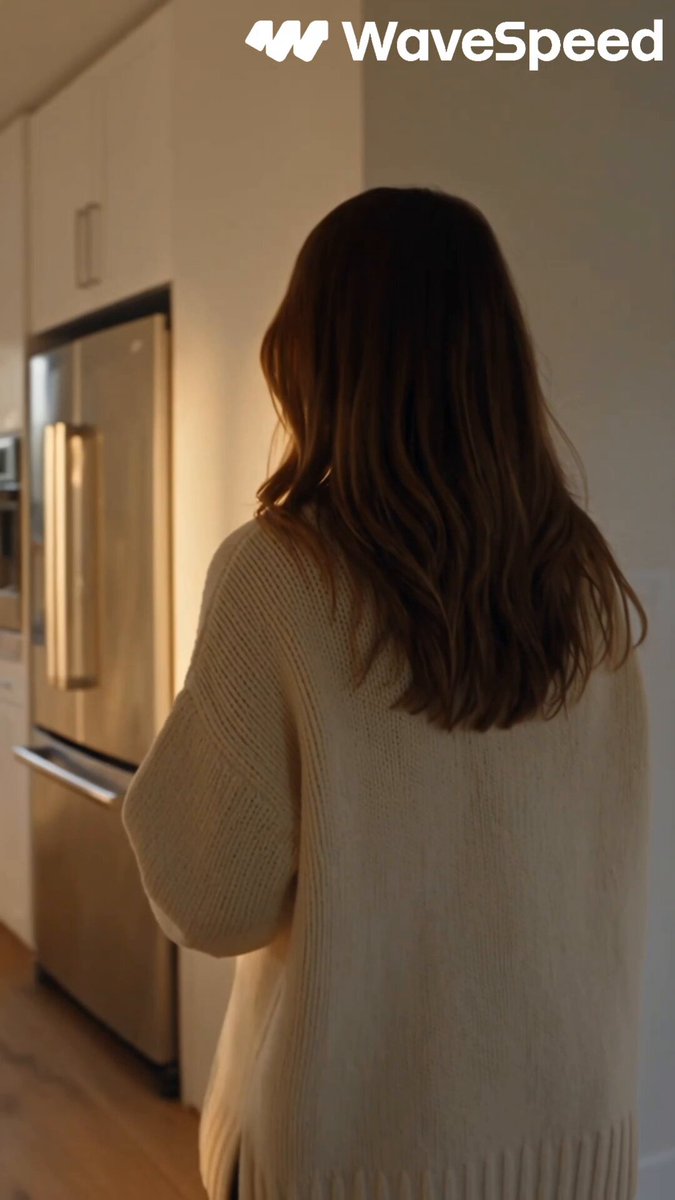
Turning a simple written idea into a well-composed, cinematic scene used to be the exclusive domain of experienced filmmakers and directors. You needed to know how to frame a shot, control the camera, light the set and pace the action. Then came generative AI, and the distance between a script and a finished visual began to shrink dramatically. The technology has matured to the point where anyone can describe a scene in plain language and, with the right tools and a little craft, get back something that looks genuinely cinematic.
This article is a practical exploration of how AI helps you go from text to a perfect scene. We are not going to treat AI as a magic wand that replaces filmmakers. Instead, we will look at it as a direction assistant: a layer of intelligence that translates your narrative intentions into technical decisions, keeps visuals consistent, and helps you choose the right engine for the job. By the end you will understand the process well enough to use it on your own projects, whether you are directing your first clip or scaling a small production.
The gap between narrative and technique
The most interesting challenge in AI filmmaking is not generating an image. It is taking a human intention, expressed in words, and turning it into the technical parameters that produce a cinematic result. A writer might say: we need a tense chase scene through a rain-soaked alley at dusk. That sentence carries enormous information — subject, setting, mood, time, energy — but none of it is directly executable. Someone has to decide the camera angle, the lens, the lighting, the shot lengths, and the pacing.
This is where an intelligent scene-composition layer earns its keep. It can decompose natural language into concrete instructions that generation models understand: wide shot or close-up, low-key lighting, cool colour palette, handheld or steady camera, specific camera moves. By acting as a translator between creative language and technical parameters, it makes directing accessible to people who do not have years of cinematography training.
Learning the language of your descriptions
Before you rely on any tool, it pays to learn what your own descriptions trigger. If you write the alley-at-dusk chase, the tool needs to know whether you imagine it in soft amber tones or cold blue ones. Adding specific, concrete detail — the wet asphalt gleams, the neon signs buzz — gives the system the clues it needs. Vague language produces generic imagery; specific language produces intentional imagery. The more deliberately you choose your words, the more control you keep over the image.
The components of an intelligent scene-composition system
Modern AI direction assistance is really several capabilities working together. Understanding each one helps you use them deliberately rather than treating the whole thing as a black box.
From narrative to technical parameters
The first job is translation. The system reads your text and extracts the settable elements: framing, perspective, lighting, colour, mood, and movement. When you write an exciting chase scene, it should infer dynamic camera work, fragmented editing energy, and tense lighting. When you describe a quiet morning interior, it should shift to soft, flat light and slow, gentle camera movement. You get useful prompts and parameters only when your input is rich enough to work from.
Maintaining visual consistency with keyframes
Film scenes need to stay coherent, especially when a character or object appears in several shots. Keyframe management lets you define important points in the sequence, and the model preserves identity and placement across them. This is the technical backbone of continuity. Without it, a character can subtly change appearance between shots, breaking the illusion. By planning keyframes, you keep your scene believable and let an audience follow the action without confusion.
Choosing the right generative engine
Different models are good at different things: some excel at photorealism, others at stylisation or motion. An intelligent direction layer can recommend a specific engine based on the demands of your scene, so you are not always using a heavy premium model when a lighter specialist would do better. Understanding your scene's needs and matching them to the right engine is a key skill in its own right, and automation only makes it more reliable once you know what to listen for.
Making cinematic instinct explicit
Beyond the technical translation, the best direction tools encode cinematic knowledge that you can draw on. Here is how that knowledge shows up in practice, and how you can adopt it for yourself.
Dynamic camera and shot suggestions
Instead of leaving camera work to chance, the tool can propose camera choices that fit the mood: a slow push-in for a tense monologue, an overhead wide for isolation, a dutch angle for unease. Even if you override these suggestions, they teach you the relationship between camera decisions and emotional effect. Over time, thinking in cinematic terms becomes second nature, and your own briefs get sharper because you start anticipating these choices.
Light and colour as parameters
Light is emotion in cinema. The tools that produce the most compelling results allow you to treat light and colour as first-class parameters: warm golden-hour glow, cool clinical whites, high-contrast noir shadows, desaturated documentary tones. When you decide on a colour palette and lighting scheme, you enforce a consistent mood across every shot in the scene, which is exactly what makes a sequence feel like a film rather than a collection of clips. Decide these before you generate, and keep them stable.
Narrative structure and pacing direction
Direction is not only visual. The tempo of a scene — where to hold a beat, when to cut, how long each shot lingers — drives its energy. A good direction layer helps you think about pacing explicitly, so a slow emotional moment is not accidentally rendered with quick, jumpy cuts. Pace is a decision you make, not an accident of generation. Note the intended mood at the top of every prompt so the pacing signals stay visible.
Building your text-to-scene workflow
Theory becomes useful when you translate it into a repeatable process. Here is a workflow that produces strong results and can scale from a single shot to a short sequence.
Start with a tight creative brief
Write a focused description of what the scene must communicate: the emotion, the key action, the setting, and the mood. Do not pad it. A precise paragraph almost always beats a vague paragraph. Your brief is the seed of everything that follows, so give it real thought before touching any tool.
Define the visual identity
Decide on the camera style, lighting, colour palette, and pacing before you generate. Writing these decisions down keeps every shot consistent. Think of this as your creative contract with the tool, and treat it as binding across all prompts in the scene.
Translate and generate in iterations
Feed your brief and visual decisions into the system, generate a version, and review it against your intention. Adjust the wording or parameters and repeat. Iteration, not a single attempt, is what produces a scene you are truly happy with. Each round is a chance to refine, so keep your notes close to hand.
Assemble and refine
Generate the shots you need, then cut them together with pacing and sound in mind. Editing, grading and music are where the scene finds its final rhythm. The AI produced the material; you compose it into a scene, and the craft you bring to the assembly decides whether it feels finished or merely rendered.
Common pitfalls and how to avoid them
A few recurring mistakes cost creators time and quality.
Overloading the description
Trying to jam every idea into one scene produces a muddy result. Break complex ideas into several shots. Each shot does one thing well, and the assembly tells the larger story. If a brief does not fit comfortably in a paragraph, you probably have more than one scene on your hands.
Ignoring consistency across shots
If your scene has several shots, continuity is the difference between a film and a flicker. Reuse your keyframes and reference images, and keep your visual identity decisions stable across every prompt in the scene. Consistency is a decision you repeat, not a quality you hope appears.
Leaving pacing to chance
The default output of a model is often a neutral middle pace, which suits few scenes. Decide whether your scene needs urgency or restraint, and shape the cuts and shot lengths accordingly in your brief and in the edit. Deliberate pacing is what separates an engaging scene from a merely impressive one.
Frequently asked questions
Do I still need to understand cinematography to use these tools?
Not to start, but it helps enormously. The tools make decisions you might not know how to specify, and learning the basics of framing and lighting will make your scenes dramatically better over time. A little technical vocabulary unlocks a lot of creative control.
Can AI replace a human director?
No. AI can translate language into technical parameters and keep things consistent, but taste, story, and emotional judgement are human skills. The best work comes from a capable human directing capable tools, with the final call always resting with the maker.
How do I keep a character consistent across a multi-shot scene?
Anchor the character with reference images and stable appearance descriptions, define keyframes across the sequence, and reuse the same visual identity settings in every shot. Consistency is built by repetition, and these anchors make it repeatable.
What is the fastest way to improve my results?
Iterate deliberately and keep notes. Learn what specific wording does to pacing, camera and mood in the engine you use, and build a library of prompts and lessons you can reuse. Every session compounds, so a disciplined note-taking habit pays off quickly.
Adapting the process for different types of scenes
A single workflow can power many kinds of scenes, but each type rewards a slightly different emphasis. Recognizing those shifts keeps your approach sharp.
The emotional dialogue scene
When the power of a scene comes from two characters talking, your priority is subtlety. Keep the framing intimate, favour close or medium shots, and protect the continuity of both faces and their eye contact. Describe small motions — a glance away, a slow breath, a hand resting — because the model reads these cues into believable, restrained acting. Avoid dramatic camera moves that would pull attention away from the exchange.
The action and chase scene
For an action sequence, everything revolves around energy and legibility. Choose dynamic but clear camera language, keep the geography of the chase understandable, and make sure the hero remains identifiable no matter how fast the cuts get. State the intensity and direction of motion explicitly in the prompt. When the model respects the physical logic of moving bodies, the scene reads as thrilling rather than chaotic.
The establishing and environment shot
For an environment or establishing shot, the goal is atmosphere and scale. Emphasise light, weather, colour and depth rather than character action. Slow, sweeping camera movement gives the space room to breathe, and a consistent palette keeps wide and close shots feeling like one place. These shots reward patience over repetition: refine the still or the framing until the mood itself is the protagonist.
Final thoughts
The journey from a written idea to a perfect cinematic scene used to be long and specialist-only. Generative AI, guided by a thoughtful direction layer, has opened that path to everyone while also accelerating it for professionals. The trick is to stop seeing AI as a replacement and start seeing it as an intelligent assistant that handles the technical translation while you wield the creative intent. Define your scene precisely, decide on the visual identity and pacing, iterate carefully, and assemble with intent. Do that consistently, and the scenes you can bring to life will only grow more ambitious with every project.
