
The promise of AI-native filmmaking
The most exciting frontier in media production today is high-fidelity AI video generation. What once felt like a toy for making short abstract clips has matured into a practical tool for filmmakers, advertisers, and independent creators. By mid-2025, the gap between generated footage and traditionally captured footage has narrowed considerably. Industry projections place the generative AI video segment above $15 billion by the end of the decade, with a compound annual growth rate topping 35% through 2030. That kind of momentum is hard to ignore, especially for storytellers who need to move quickly without sacrificing the visual polish audiences expect.
High-fidelity doesn’t just mean high resolution. It means coherent motion, consistent lighting, believable physics, and—most importantly—characters that look and feel the same from shot to shot. These are the details that separate a professional narrative from a disjointed sequence of cool stills. The future of filmmaking is being built around these capabilities.
What high-fidelity AI video generation actually means
At the core of this shift are text-to-video and image-to-video models. Text-to-video models turn a written prompt into motion, while image-to-video models animate a reference frame. Both approaches have improved dramatically. Modern systems maintain temporal stability across longer clips and handle complex camera movements with far fewer artifacts. The result is footage that can be edited into real productions rather than used only for concept visualization.
The term "high fidelity" also refers to alignment with the creator's intent. Early generative tools were unpredictable; you could feed in a detailed prompt and get something completely off. Today’s best platforms use sophisticated conditioning techniques, including multi-image fusion and keyframe control, to give creators direct influence over composition and character appearance. This is a major leap forward. Instead of hoping the model understands your vision, you can show it.
For practical workflows, this means using an AI video generator to produce narrative assets that fit into existing edits. You can animate still images, create b-roll, or generate entire animated scenes. The output is no longer disposable—it’s production-grade.
Why this matters for filmmakers in 2025
The economic impact is equally significant. Traditional pre-production—setting up locations, coordinating crews, and managing schedules—is expensive and slow. AI-native workflows collapse these timelines. Marketing teams using generative video tools report campaign deployment times roughly 30% faster than with conventional pipelines. For independent filmmakers, the advantage is even bigger: a small team can prototype scenes, explore visual styles, and iterate on storyboards without a large budget.
This doesn’t mean cameras and sets disappear. It means the role of the filmmaker changes. Directors become curators of AI output, focusing on creative intent, storytelling, and shot selection rather than purely technical execution. The bottleneck shifts from logistics to imagination. Creators who thrive will be the ones who learn to direct these tools effectively.
What makes a platform ready for high-fidelity generation
Not every AI video tool is built the same. Under the hood, high-fidelity generation requires serious infrastructure. Platforms need modular backend architecture to manage dozens of models, each with different input requirements and processing needs. A well-designed task queue prioritizes demanding renders without stalling everyday generations. Reliable storage for source images and metadata is essential for long projects, especially when you need to revisit a shot weeks later.
Creators rarely think about these systems until something breaks, but they matter. A platform that can rapidly update underlying model versions—or switch between specialized models—gives you flexibility. If a new model excels at cinematic motion and another at stylized character animation, you want easy access to both.
Multi-image fusion and character consistency
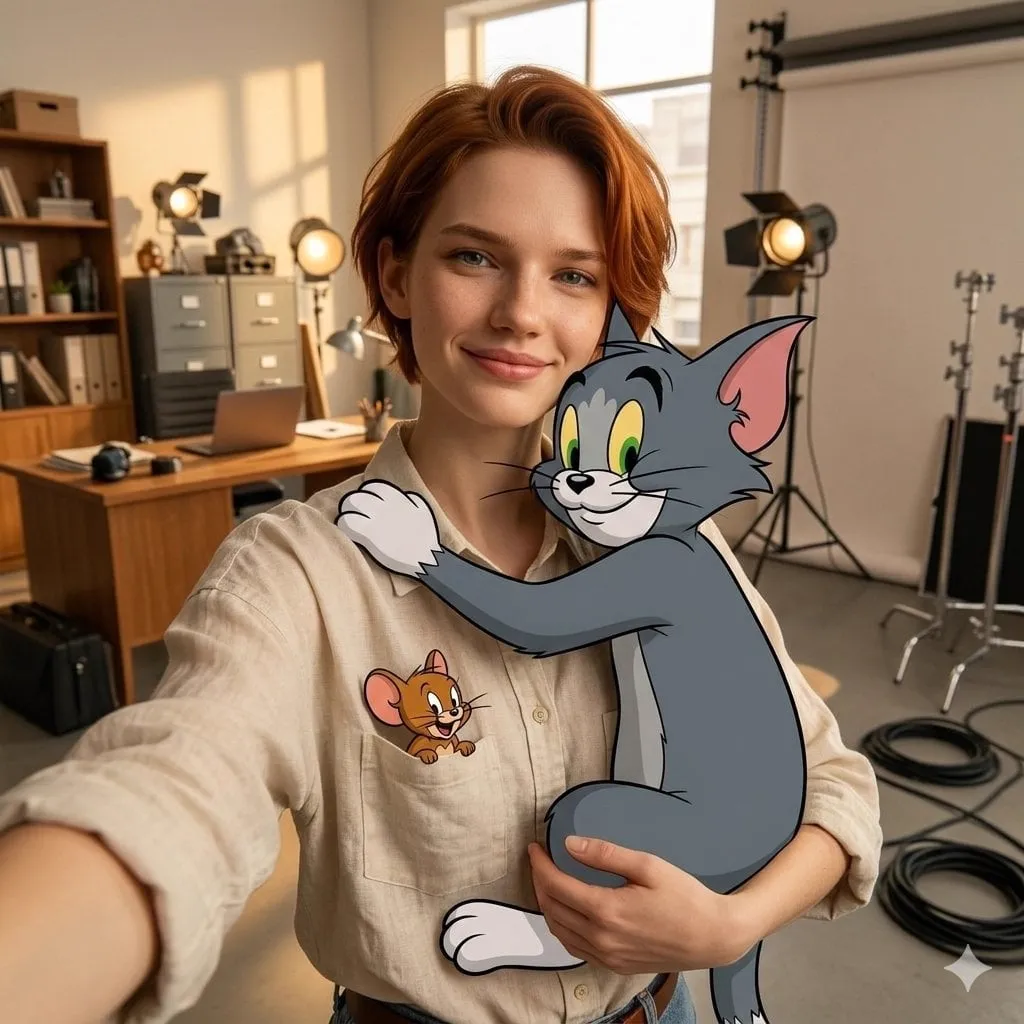
One of the biggest challenges in AI filmmaking is maintaining character consistency. Generate a character in the first shot, and the next shot might give them different clothing, facial structure, or even skin color. High-fidelity workflows solve this using techniques like multi-image fusion. The model references multiple input images to lock in a consistent visual identity.
You can create detailed character sheets, generate a reference image with an AI image generator, and then feed that reference into an image-to-video model to animate a performance. When every frame pulls from the same visual anchor, the final edit feels like a real film with real actors. This is the breakthrough that makes longer narratives possible.
Agentic tools and the AI director
Another trend shaping the future of filmmaking is the rise of AI agent directors. Instead of manually adjusting every parameter, creators express high-level intent—"establishing shot, golden hour, slow push-in"—and the system handles technical decomposition. This is still early, but the direction is clear: automation will move from individual clips to entire sequences.
An agentic approach is especially useful for creators who think in scenes rather than prompts. The AI can propose camera angles, cut points, and style frames. The creator approves, refines, and assembles. This doesn’t remove directorial vision; it amplifies it by removing grunt work.
Choosing the right models for your workflow
The quality of the final film depends largely on model selection. Different models have different strengths. For example, GPT Image 2 excels at producing detailed, aesthetically rich stills that work beautifully as reference frames for video. When combined with a model like Seedance 2.0, which is built for high-quality video synthesis, you can create a streamlined pipeline from concept art to animated footage.
You don’t need to rely on a single model. The most efficient workflow uses an image model to lock in the visual style, a video model to generate motion, and then a second pass with an image-to-video model to refine details. Platforms that offer all of these capabilities in one place save you from juggling subscriptions and format conversions.
How to start building an AI-native production pipeline
If you’re ready to experiment, start small. Create a character reference sheet using a capable AI image generator. Then bring that reference into an AI video generator to test motion and composition. Iterate from there. The key is consistency between shots, so don’t skip the reference step.
You will also want to keep your prompts detailed but focused. Mention camera movement, lens type, lighting, and mood. Review each output critically. High-fidelity generation is a tool, not a substitute for taste. The creators who treat it as another craft—learning its strengths, limits, and storytelling possibilities—will be the ones shaping narrative media.
The next era of filmmaking
The future of filmmaking is not some distant scenario. It is being assembled right now, one model update at a time. High-fidelity AI video generation has reached a point where it can support serious narrative work, and the technology will keep improving. Studios, agencies, and independent creators who adopt these workflows early will have a clear competitive advantage.
The most exciting shift is the return of creativity to the center of production. Logistics will always exist, but AI removes many of the barriers between idea and image. You can explore more directions in a week than a traditional team could in months. That is the real promise of this moment.
