
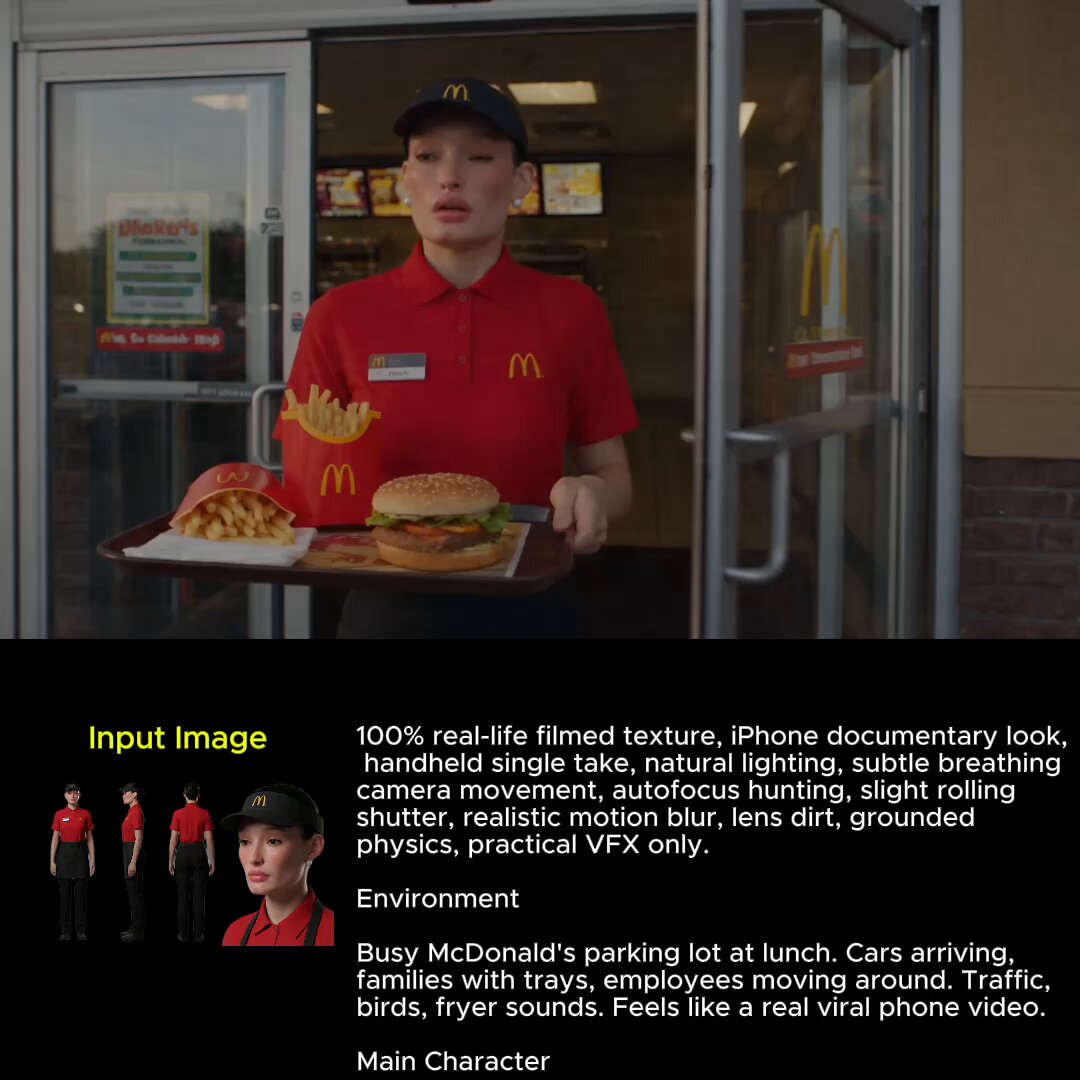

Short film has never been more accessible, and it has also never been more competitive. The market moved well beyond a niche hobby to become a leading channel for storytelling, marketing, and audience building. At the same time, generative AI has changed what a single filmmaker can achieve without a large crew or a big budget. This guide combines the lasting craft of cinematography and visual effects with the new capabilities of AI to help you make short films that look and feel intentional.
The core message is simple: the tools have become powerful, but craft still decides whether a short film moves people. Understanding the fundamentals gives you the judgment to use any tool well.
Why Learn the Craft of Short Filmmaking
Short films demand discipline. With only minutes on screen, every frame, every shot, and every edit has to earn its place. That compression makes short film a superb school for visual storytelling, forcing you to make decisions rather than coasting on runtime.
The craft also protects your ideas. Even the strongest AI tools reproduce what they have seen; they do not replace your point of view. Learning composition, light, and structure ensures your choices shape the result instead of the tool deciding for you. Craft is the difference between a generated clip and a film you can credibly call your own.
The Foundations of Cinematic Visuals
Before any effect or camera move, a short film is built on a few visual fundamentals. Master these and your work reads as film rather than video.
Composition directs the eye. The rule of thirds, leading lines, framing, and headroom all guide where the viewer looks and what the frame implies about the character. Deliberate composition turns a neutral shot into one that carries meaning. Even in AI generation, describing framing and composition in your prompt changes the emotional weight of the scene.
Lighting and Color as Emotion
Light is the emotional language of cinema. Changes in its direction, hardness, and color set the mood before the audience understands why. A hard, low key light suggests threat or drama; soft, warm light suggests comfort. When you generate visuals, specifying lighting in the prompt is one of the strongest ways to control tone.
Color grading compounds that. A palette leaning toward cold blues and green feels distant or tense, while warm golden tones feel inviting. Consistency matters too: you want the entire short film to share a coherent grade so it reads as one piece. Locking a consistent look and palette across every shot is where a whole project starts to look professional.
Framing and Camera Movement
Camera language carries narrative. A close-up draws intimacy and pressure; a wide shot establishes place and isolation. Movement adds energy and can communicate a character's state, whether a motivated motion following a subject or a smooth, observant pan. Short films lean on these choices because they have no time to waste. Describe the camera as well as the action in your shots, and the resulting images will feel directed rather than random.
Building a Tight Structure for Short Stories
Short films reward discipline at the script level. A clear premise reduces every scene to what the story needs. An effective structure for quick formats often distills to a setup, a turn, and a payoff, keeping the narrative momentum high.
Because runtime is short, the first moments carry enormous weight. The audience decides quickly whether to stay, so open with an image, a situation, or a question that hooks them, then pay it off within the story. Practicing structure, writing many single-scene ideas, and learning to cut ruthlessly are the highest-leverage skills available to a short filmmaker.
Script Optimization for Fast Production
When you pair writing with AI generation, the script becomes a production document. Clear, production-ready script lines translate into better prompts. Writing direction, mood, and key visual details early means your generation pipeline has exactly what it needs to move fast, reducing iteration and keeping the creative intent intact.
AI Video Tools for the Modern Short Filmmaker
Generative AI removes the old cost barrier. A filmmaker no longer needs an expensive set, a full crew, or weeks of post-production to test an idea. Text and reference images can become believable footage, letting you shoot scenes that would be impractical or impossible to capture physically.
The smart use of AI is as a complement, not a replacement. Use generators for concept art, for establishing shots that would be costly to film, for visual effects that are hard or hazardous to shoot, and for rapid iteration on a look before a live shoot. Traditional skills in composition, lighting, and editing tell you whether the AI output is what you wanted, and how to fix it when it is not.
Choosing the Right Tools for Each Stage
Not every shot deserves the same tool. For a hero shot that defines a scene's quality, invest in a high-fidelity model and polish it carefully. For supporting material, drafts, and volume, favor faster, lighter tools that keep cost and time down. Specialized models and cost-efficient options let you experiment freely while reserving your highest-end resources for the moments that matter most.
Learn to combine multiple models in a single workflow. Use one tool for the character or look, another for the hero render, and a lightweight one for the supporting clips. Each stage uses its best-fit instrument, and the sum is better than any single engine could produce alone.
Directing with an AI Agent
A director-like AI layer helps translate intent into execution. It can break a scene into structure, suggest composition, and keep narrative consistency across shots. For multi-scene projects this orchestrating role is especially valuable because it keeps the story organized while the rendering details are automated.
You still direct. The agent proposes and executes; you decide the message, tone, and story. That division of labor is what makes high-volume, coherent production possible without surrendering authorship.
The Role of Visual Effects
VFX used to be a craftsman's guild closed to outsiders. Modern pipelines have opened it substantially. Compositing, color, and effects that once demanded a specialist are now approachable, and AI has accelerated the hardest parts, such as roto, cleanup, and background replacement.
Still, VFX succeeds on the same fundamentals. Good plates, consistent lighting, and clean compositing are what make effects invisible. A convincing effect disappears into the scene; a bad one calls attention to itself. Study basic compositing and color, work from clean, well-lit source footage, and match your generated elements to the light and perspective of the scene rather than simply layering them on top.
Effects That Support the Story
Use effects in service of the narrative. An effect should amplify what the scene communicates, not advertise itself. Reserve spectacle for the moments that earn it, letting restraint build contrast so that when a big effect does arrive, it lands with impact. This discipline is what separates filmmaking from a showcase of effects.
Building a Practical Short Film Workflow
A repeatable pipeline makes ambitious projects achievable. Start with a clear, disciplined script and a strong hook. Storyboard the key beats, describing composition and mood. Generate or capture the footage, using cost-efficient tools for drafts and reserving premium models for hero shots. Select the best takes, tighten the edit, and apply a cohesive grade. Add sound and music early, because audio quality shapes the perceived quality of the film more than most first-time makers expect.
Throughout, keep references and settings organized. Document which prompt and model settings produced each look, and reuse them across the project to preserve consistency. This turns generation from a lottery into a controllable process.
Sound Design: The Underrated Production Layer
Nothing signals amateur video faster than bad audio, and the reverse is also true: strong sound makes modest visuals feel cinematic. Spend real effort on voice, ambience, and music. A convincing score and thoughtful sound design cue emotion and pace in ways the eye alone cannot.
Because sound is emotionally powerful, it is the fastest lever on perceived quality. Clean dialogue, a score that builds with the story, and effects that anchor the world all multiply the impact of your images. If you are short on time, prioritize audio over an extra visual polish pass; audiences forgive small visual imperfections far more than weak sound. As you scale, reuse a library of approved score beds and effects that match your project's mood.
Composition and Color as a Unified Language
The most polished short films treat composition, camera, and color as one system rather than a checklist. Decide early on the emotional palette, warm and intimate or cold and tense, then let it guide your framing and grading at every step. A consistent visual grammar is what makes a series of images feel authored rather than assembled.
This discipline translates directly into your prompts. Describing a scene's composition and its color mood together keeps generation aligned with your intent. When you establish a unified visual language, you also make it easier to reuse references and templates across episodes, because every shot is already trying to hit the same note.
Common Mistakes New Filmmakers Make
Even with powerful tools, a few predictable errors hold back new work. The most common is neglecting the story in favor of spectacle, generating impressive but empty shots. Another is inconsistent style, mixing looks and palettes until the film feels random. Many also underestimate iteration, settling for the first render instead of refining toward the intended mood. And nearly everyone underinvests in sound.
Each failure has a simple correction. Lead with a clear story and cut anything that does not serve it. Lock a visual language and protect it across every shot. Iterate deliberately, one variable at a time, until the result matches intent. And start audio early. Recognizing these traps saves time and keeps your early projects from repeating the same lessons.
Practice Projects to Build Your Skills
Skills grow fastest through small, deliberate projects. Make a one-minute film with no dialogue that tells a complete emotional story through visuals alone, a powerful discipline in composition and editing. Recreate the visual language of a favorite short film to train your eye for grading and design. Generate a single cinematic shot and refine it through iteration while keeping one variable constant. Each exercise builds the craft you will later apply to larger work.
Frequently Asked Questions
Do I need to be technical to use AI video tools?
No. The barrier to entry is low, but you will get more from the tools as you learn composition, lighting, and editing fundamentals, because those skills tell you what to ask for.
Will AI replace the role of the filmmaker?
It changes the job. AI handles heavy execution, while direction, story, taste, and responsibility remain human. The filmmaker becomes a creative director with far more leverage.
What should a beginner learn first?
Composition, lighting, and structure. These transfer across every tool and determine whether your work reads as intentional filmmaking.
Do I need expensive software to start?
No. You can learn the fundamentals with tools you already have, and many capable editors are free. Start with what you have, master the craft, and upgrade only when a tool becomes the clear bottleneck in your workflow.
Can AI be used responsibly in real productions?
Yes. Use it to create original work, respect copyright and likeness, be transparent where appropriate, and keep a human review pass for accuracy and fairness.
How does AI change the role of the cinematographer?
The cinematographer becomes more of a director of intent, describing camera movement, framing, and lighting rather than physically operating equipment. The craft of seeing and composing a frame matters now more than ever, because the prompts capture that vision.
The Bottom Line
Short filmmaking rewards craft, and the new generation of tools rewards those who have it. Composition, lighting, structure, and effects remain the foundation; AI amplifies your ability to execute and iterate quickly. Learn the fundamentals, build a repeatable workflow, combine tools intelligently, and make effects serve the story. With that combination, a single motivated creator can now produce short films that once required a full crew, and tell stories that genuinely land.
