
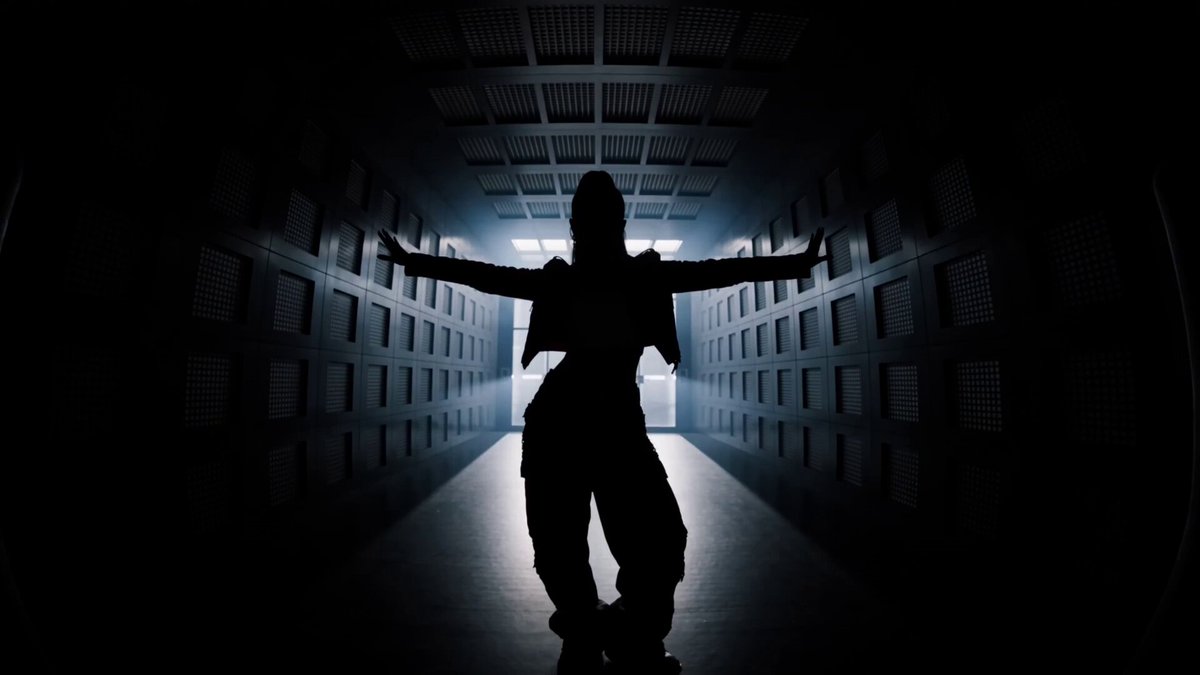

Filmmaking has always required a blend of artistic vision, technical skill, and a lot of moving pieces. From framing a shot to controlling light, blocking actors, and keeping continuity across scenes, the discipline is demanding. Generative AI is reshaping this craft in ways that used to sound like science fiction. Instead of being a helper on the side, AI is increasingly a creative partner that can take your rough vision, translate it into detailed cinematic shots, and keep the world consistent across your project.
This guide is for filmmakers, video creators, and storytellers who want to use AI agents and scene-design tools to plan and produce professional-grade cinematic shots. We will cover the current landscape, the fundamentals of scene composition, how AI helps with visual consistency, and a practical workflow you can adopt for your next project.
The new director in the room
Cinema is experiencing an unprecedented technical shift powered by generative AI. What once took a full production team, expensive locations, and careful planning can now be blocked out, previewed, and iterated on in software. This does not replace the human director; it amplifies them. The director defines the story, the emotion, and the intent, while AI translates that intent into concrete visual plans, storyboards, and look-development frames.
For independent filmmakers and small teams, this is a leveller. A bedroom filmmaker can now explore shot ideas and cinematic looks that previously required a camera, a crew, and a budget. For studios, AI speeds up pre-production so directors can test dozens of approaches before a single frame is shot for real.
The key idea is that AI tools today act as digital director's assistants. They help you block scenes, choose camera angles, establish lighting moods, and iterate quickly. The human stays in charge of meaning; the machine accelerates the turnaround.
Understanding today's generative filmmaking landscape
The current scene is defined by a fast race between providers to build video models capable of simulating real-world physics and keeping a character's visual identity intact across different shots. Historically, the weakness of generative video was inconsistency: a character would look one way in one shot and different in the next, which undermined narrative continuity.
That weakness is being solved from two directions. First, better base models can now hold a character across a scene more reliably. Second, multi-image fusion and reference libraries let a creator pin down a character from several angles and carry that identity into every new shot. Combined, these advances make AI-assisted filmmaking genuinely usable for coherent storytelling.
Another trend is the movement from text-only control to visual control. Directors want to specify not just what happens, but how the camera moves, where the light comes from, and what the tone of a scene is. Newer tools accept reference images, depth maps, and style guides, giving directors the kind of art-direction control they expect from real production.
Why AI-assisted direction matters now
The decisive reason to integrate AI direction tools today is the accelerating production cycle and the drive to lower costs without sacrificing visual quality. Recent developments in generative pipelines, especially the ability to generate multiple key frames and then interpolate between them, let creators lock down the important moments of a scene and let the model fill in the motion between.
This matters because the most expensive part of filmmaking is often the planning and re-shooting. If you can preview and refine a shot virtually before committing to physical production, you waste far less time and money. For fully AI-generated projects, the same loop applies: preview the visual plan, refine it, and only then generate the final high-cost renders.
From a business standpoint, this makes premium-looking content accessible to teams that could never afford a traditional production. It also lets established studios prototype aggressively and test audience reaction on concepts before greenlighting expensive shoots.
Composing a cinematic shot with AI agents
Great cinematography starts with deliberate composition. An AI direction tool can help you think through the elements of a shot the way a cinematographer would: framing, rule of thirds, depth, foreground and background separation, camera movement, and lighting language.
Framing decides the emotional feel. A close-up creates intimacy and tension; a wide shot establishes scale and location; a low angle imparts power; a high angle can suggest vulnerability. When you describe a scene to an AI agent, include the framing and lens choice explicitly. Say whether you want a locked-off wide, a handheld close-up, or a slow push-in, because each changes the story the image tells.
Lighting is where mood gets set. Hard, high-contrast lighting suits drama and noir; soft, diffused light fits romantic or hopeful tones; practical lights in frame add realism and depth. Describe the lighting language alongside the composition, and your output will be far more cinematic than a generic prompt.
Depth and layering are what separate flat images from cinematic ones. A strong foreground element, a mid-ground subject, and an atmospheric background give a scene dimensionality. Ask the tool for layered compositions with subtle depth cues, and you will immediately raise the production value.
Keeping visual identity consistent across shots
The single hardest problem in AI filmmaking is maintaining consistency. If your protagonist, their costume, or a key environment changes between shots, the audience checks out. The solution is a deliberate system of reference materials and multi-image fusion.
Start by building a reference set for each major character: several angles, a few expressions, and a couple of poses on a clean background. Open scenes with character generation first, establishing a locked identity you can reuse. The same applies to environments and signature props. Build your world's reference library once, and every shot can draw from it.
Use first-frame and last-frame control wherever possible. This gives you direct authority over how a sequence starts and ends, which is often where continuity breaks slip in. By pinning the important frames, you limit the model's freedom in ways that protect your story's logic.
Finally, run a continuity pass. Compare every generated shot against your reference set before you commit to a final render. Minor drift is easy to catch when you look, and expensive to fix after the fact.
A practical pre-production workflow
Adopting AI direction is easiest when you treat it as a replacement for the planning stage, not just as a way to make pretty pictures. Begin with a clear one-page treatment: the story, the tone, and the emotional arc. From that, break the film into scenes and list each shot you want to capture.
Next, design the visual world. Generate hero images of your main characters and key environments, and lock those references. Then, for each shot, write a direction prompt that covers framing, lens, lighting, action, and mood, and render a quick preview pass to check composition and continuity.
Refine in batches rather than one shot at a time. Adjust characters once, not per shot, so consistency holds. When the whole sequence looks right at the storyboard level, escalate to final high-quality renders. This staged approach saves enormous time because you solve problems at the cheapest stage possible.
From static frames to moving sequences
Once your key frames are locked, you move to motion. Generative video models can now take those frames and breathe movement into them, interpolating in a way that respects the physics of your scene. Describe camera movement and action clearly: a dolly across a table, a character turning to the window, a slow pull-back revealing the environment.
Audio and music matter as much as the image. Choose or generate a score that supports the mood of each sequence, add subtle sound design, and let the rhythm of the edit land on the beats you designed in pre-production. A cinematic feel is as much about timing and sound as it is about composition.
Test the whole piece at low resolution first to check timing, pacing, and continuity. Then render the final version. This matches how professional editors work: cut rough, refine, then finish, saving expensive rendering until you are confident.
Avoiding common filmmaking mistakes
Even with powerful AI tools, several recurring pitfalls undermine cinematic results. The first is generic prompting. A prompt that simply says "make a cinematic scene" leaves the model guessing, and the output tends to be generic. The fix is specific direction: describe the lens, the lighting language, the camera move, and the emotional tone, so the model has something concrete to work with.
The second pitfall is fighting the model instead of guiding it. New users often write a detailed prompt and then manually edit the output to fix every imperfection. A far more reliable approach is to refine the prompt itself, adjust the reference set, or change the composition instructions before regenerating. Solving the problem upstream produces cleaner results much faster.
The third is skipping the storyboard. Creators eager to see moving shots often use AI for final renders right away, skipping the cheap preview stage. That wastes the biggest advantage of AI direction: the ability to iterate at near-zero cost. Rough out the whole sequence first, fix continuity problems, and only then render the expensive final versions.
Setting up your project for consistent quality
Quality in AI-assisted filmmaking is not luck; it is structure. Begin every project by locking your art direction in writing: the color palette, the lighting style, the camera grammar, and the look of the hero characters. Write these decisions down so every prompt you generate stays within the same language and the same world.
Build a shared vocabulary for your prompts. Decide in advance how you will refer to each character, location, and mood, and reuse those terms consistently. This small discipline keeps your direction coherent from shot to shot and makes your process easier to hand to collaborators or to pick up again after a break.
Keep a simple shot list as you go. Before rendering, you know what each shot needs to accomplish, so you can generate with intent rather than browsing through random possibilities. A structured project not only looks better; it also finishes faster because you are always working toward a defined target instead of exploring aimlessly.
Measuring success beyond the pretty frame
The goal of cinematic AI is not a single impressive image; it is a sequence that communicates a story. As you build a project, measure it against three tests. Does the shot match the emotional intent of the scene? Does it stay consistent with the world you locked at the start? Does it move the story forward the way you planned?
Feed what you learn back into your next project. The tools improve, your models change, and your tastes refine, but the discipline of intent, consistency, and staged production stays constant. The creators who get the most from AI-film technology are not the ones chasing the newest model; they are the ones who build a reliable creative system around it.
Common questions about AI-assisted filmmaking
Does AI replace the need for a human director?
No. AI amplifies a director's creative control and speed, but it does not supply the story, the emotion, or the taste. The human decides meaning and intent; the machine handles translation and iteration.
How do I keep a character consistent in an AI film?
Build a reference set from several angles, open with character generation to lock identity, use multi-image fusion, pin first and last frames, and run a continuity pass before final renders.
Do I need to understand cinematography to use these tools?
Not to start, but the fundamentals help enormously. Knowing why framing, light, and depth matter lets you write direction prompts that produce genuinely cinematic results instead of generic ones.
What hardware or software do I need?
Start with what you have and cloud-based tools. The bottleneck is your workflow and reference library, not your computer. Upgrade only when a real project requires it.
Is this only useful for full-length films?
No. The same pre-production loop works for commercials, short films, brand videos, music videos, and social content. Tight, consistent scenes raise quality in any format.
How do I keep production costs down?
Plan thoroughly, preview at low resolution and cheap stages, solve continuity problems before final renders, and build reusable reference libraries for characters and environments.
Final thoughts
AI direction tools are turning expensive filmmaking craft into an accessible, iterative process. The director's job is now less about marshalling resources and more about clarity of intent. When you can describe a shot precisely, lock a consistent world, and iterate quickly, you spend your creative energy where it matters: on story and emotion.
Start small. Write a treatment, build reference images for your hero, plan one scene shot by shot, and run the preview-refine-final loop. As your library of characters, environments, and validated settings grows, so does your ability to move from idea to polished cinematic sequence with confidence. The tools change fast, but the discipline of clear vision, consistent art direction, and staged refinement will keep serving you no matter what arrives next.
