
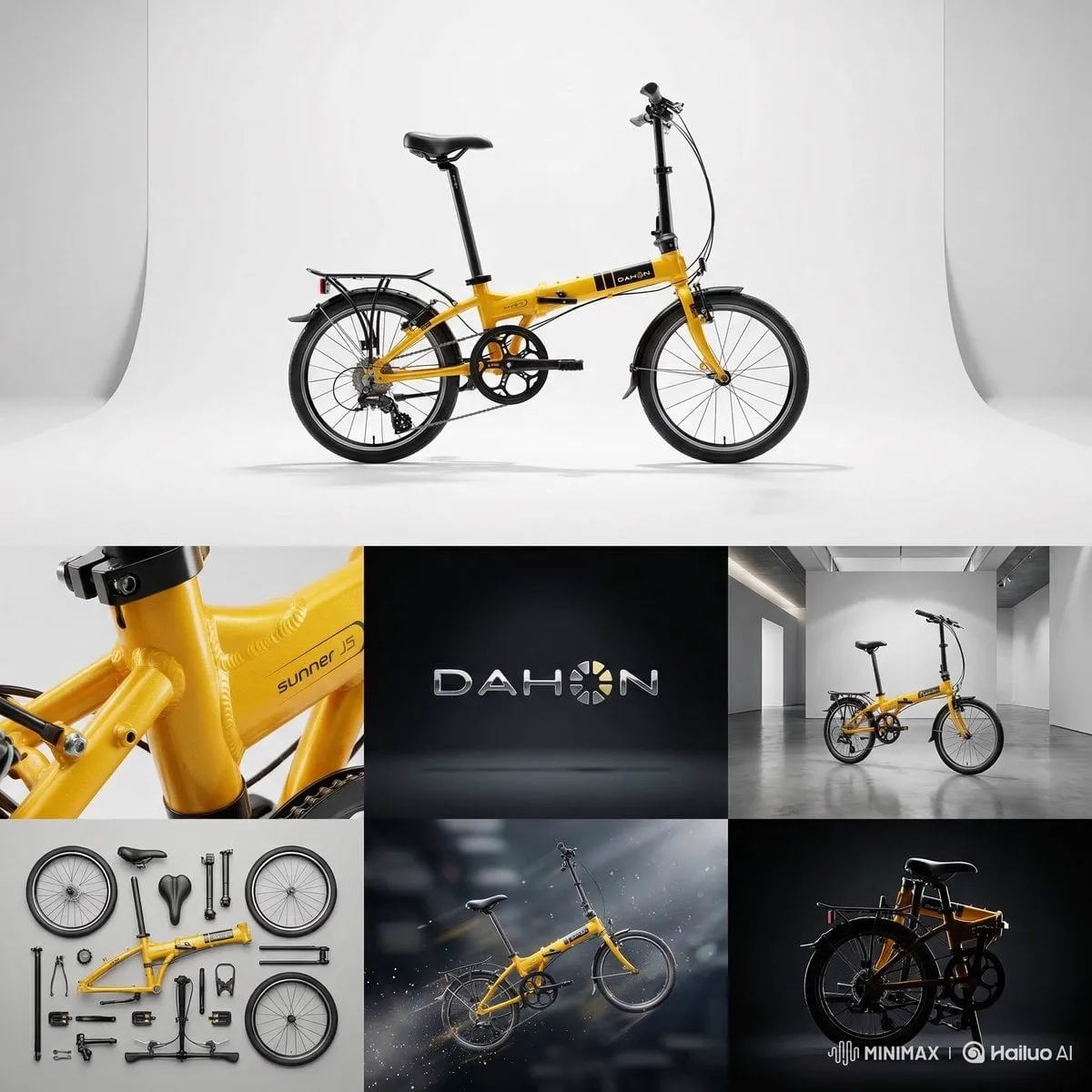
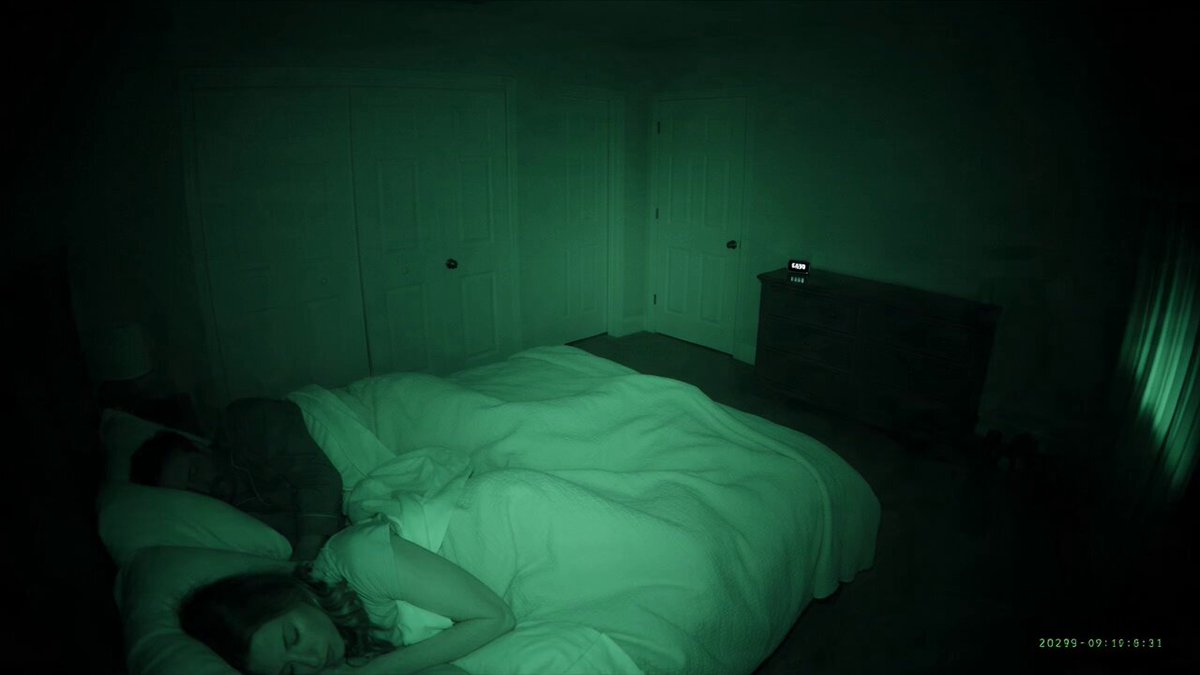
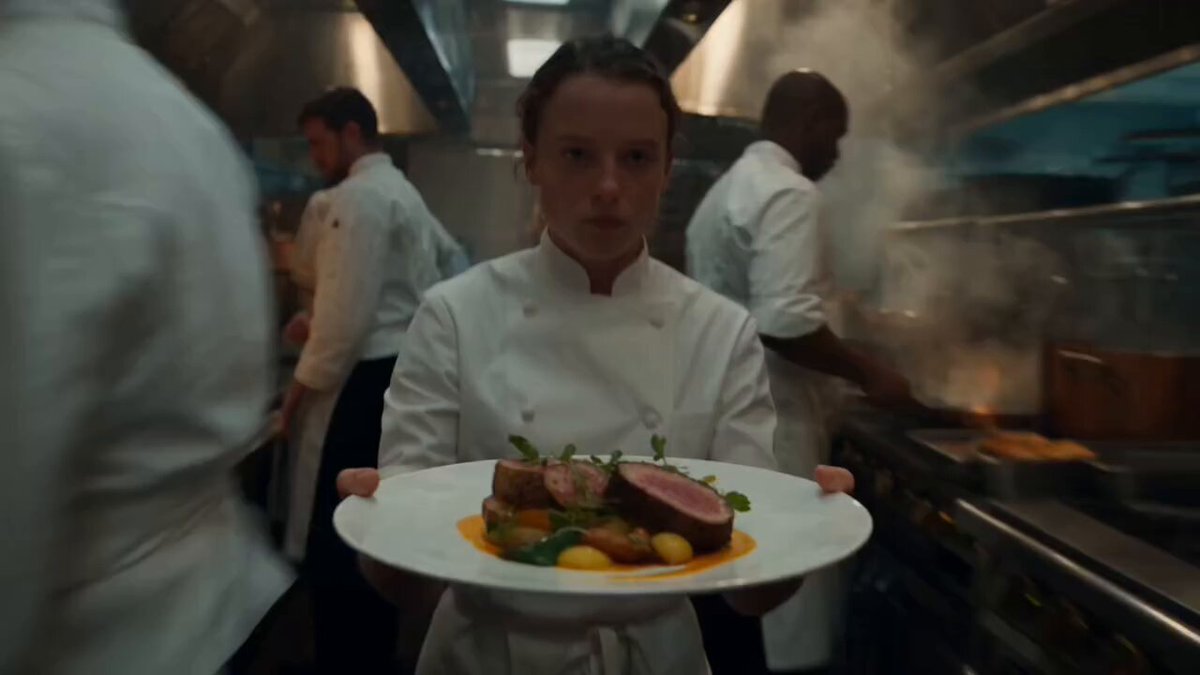
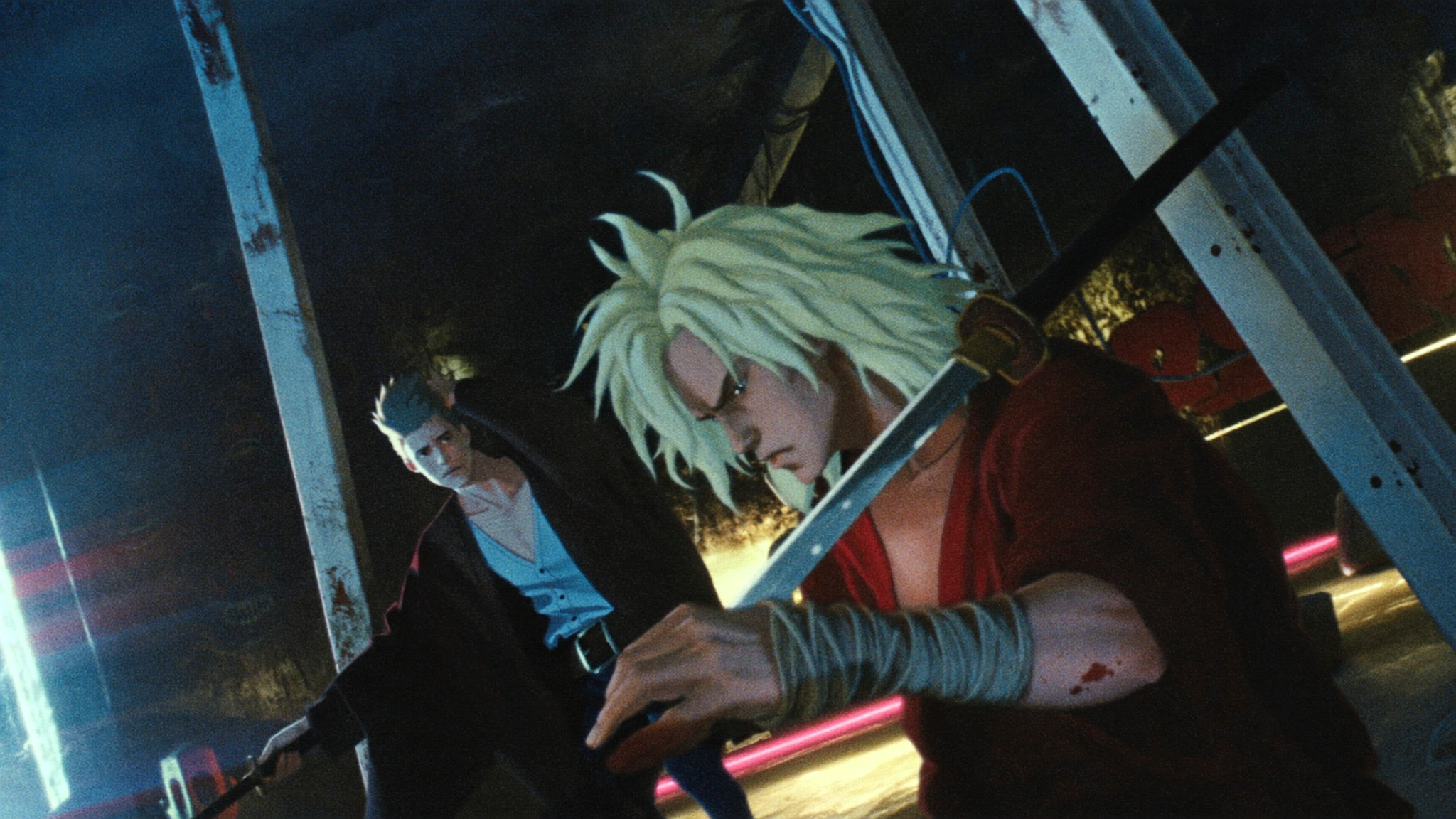
One of the hardest problems in AI-generated video is keeping a character recognizable from one shot to the next. A hero who looks perfect in the first frame can come back in the second scene with a different jawline, different clothing, and a subtly different lighting mood. This inconsistency is the reason so many AI-generated short films feel more like separated vignettes than a single continuous story. The technology that addresses this problem is known as multi-image fusion, and this guide walks through how it works and how to use it in your own production workflow.
Multi-image fusion means combining several reference images into a single coherent output. Instead of feeding the generator one picture and hoping it remembers the character, you provide multiple views, poses, and style guides, and the model merges them into a consistent visual identity. The result is a character that survives scene changes, camera-angle shifts, and even different time-of-day lighting without drifting into an entirely different person.
Why Character Consistency Is the Bottleneck in 2025
The generative AI space has grown dramatically since the breakthrough models of a few years ago. Text-to-video tools are now widely available and capable of producing genuinely impressive shots. But there is a wide gap between producing one impressive shot and producing a compelling long-form story. That gap is consistency.
Consumers of long-form content expect a cinematic, continuous experience. If a character's face morphs between scenes, the illusion breaks and the audience loses trust in the world you have built. For films, series, brand campaigns, and educational content, this is not a small annoyance; it is the difference between a polished production and an obviously synthetic patchwork.
Multi-image fusion targets exactly this bottleneck. It treats consistency as a first-class design requirement rather than an afterthought, giving creators a repeatable way to lock a character's visual identity across an entire project.
What Multi-Image Fusion Actually Does Under the Hood
To use the technique well, it helps to understand the basic mechanics. Multi-image fusion works by combining representations from several images rather than matching raw pixels. The key idea is to extract semantic invariants: the underlying concepts that define a character, such as facial identity, proportions, clothing style, and signature palette.
When you provide multiple images of the same character, the model learns which visual features are stable across all of them and which are incidental. It keeps the stable, identity-defining features and treats things like background, pose, and lighting as context that can change freely. This separation is what allows the same character to be placed in completely different scenes while staying recognizable.
This is fundamentally different from asking a model to interpret a single reference. A single image fixes one pose and one background. A fusion of several images gives the model a much clearer notion of what is essential about the person versus what is just the situation in a particular photo.
Identifying Semantic Invariants
The heart of consistency is identifying what makes a character feel like themselves. When building your reference set, ask what is truly essential. For many characters this includes the shape of the face, eye color, hair style and color, build, and the outfit they tend to wear. It also includes subtler qualities such as posture, expression habits, and color grading around the character.
Incidental features, by contrast, are things that are allowed to change: the location, the time of day, the weather, the camera lens, and the specific pose. If you are not careful, your reference images can accidentally lock in incidental details. For example, if every reference photo shows a rainy street at night, the model may assume cold blue lighting is part of the character rather than the scene. Variety in context is therefore just as important as consistency in identity.
A strong reference set should show the character in different lighting, from different angles, and in different settings, while keeping the identity features constant. This variety teaches the fusion model what to hold steady and what to vary.
Combining Multiple Character References into One Pipeline
A practical production pipeline treats multi-image fusion as a reusable step rather than something you set up once and forget. Build a reference library for each important character. For each new scene, apply the fusion reference together with the scene description so the output inherits the identity while adapting to the new context.
The workflow looks roughly like this. First, assemble three to five strong reference images for the character. Second, define the essential identity tokens in your prompt, such as hair, skin tone, and wardrobe. Third, generate an initial test frame in the exact scene you need and check whether the character still reads correctly. Fourth, if something drifts, regenerate that frame or adjust the reference emphasis before moving on.
This loop of test and verify is what separates a lucky one-off result from a reliable workflow. Character consistency is rarely achieved in a single pass; it is secured through deliberate iteration and clear acceptance criteria.
Keeping Keyframe and Style Consistency
In animation and video work, keyframes are the crucial stills that define a sequence's timing and composition. Multi-image fusion is especially powerful here because you can lock the visual identity across the keyframes and let the in-between motion fill naturally. If your keyframes keep the same character and the same color treatment, the final video will feel cohesive even when different shots are generated separately.
Style consistency is the companion to character consistency. A unified look comes from applying the same lighting philosophy, film grain, and color palette across all scenes. Define these in writing before production, and include them in every prompt, so the fusion reference is always paired with a consistent visual language.
Consider building a short "style brief" document for each project. It records the palette, the lens feel, the desired mood, and the identity tokens of each character. This document becomes the source of truth that everyone, including the AI tools, refers back to throughout production.
Practical Scenarios: Series and Films
Multi-image fusion shines in projects that would break under naive generation. A multi-episode web series can keep recurring characters consistent across dozens of scenes. An animated film can maintain a protagonist's identity through dramatic changes in setting, from a sunlit field to a stormy cavern, while the surrounding environment changes entirely.
Independent creators, in particular, benefit because they rarely have the budget for reshoots. Fixing a drifting character with a reshoot is expensive and slow. Fixing it by regenerating a single frame with the correct fusion reference is fast and cheap. This makes serious long-form work accessible to small teams and solo artists.
Choosing the Right Models for the Job
Not every generation model handles multi-image input with equal skill. Some models are optimized for fidelity to a single prompt, while others are designed to merge multiple references cleanly. In practice, the best results come from matching the model to the task.
For scenes where motion and physics matter most, favor models known for natural movement. For scenes where the visual identity absolutely must not waver, favor models that accept multiple reference images and handle them gracefully. Many production teams orchestrate a mixture: one model for establishing shots, another for close-up consistency, and a third for stylized or animated sequences.
The exact model names change quickly and matter less than the principle. Evaluate any tool by running it on a small test scene with your own reference library before committing to it for a full project.
Common Pitfalls and How to Avoid Them
A few mistakes recur when creators work with multi-image fusion. The most common is using too few or too similar references, which gives the model little to learn from and leads to drift. Another is including too much context in the reference images, so the model treats a location or lighting setup as part of the identity. A third is skipping the verification step: trusting the output without actively comparing it against the prior frames.
Avoid these by building varied reference sets, separating identity from context in your descriptions, and installing a simple quality gate. Before moving to the next scene, pause and compare the current character against the master reference. If it does not match, do not push forward; fix it now while the cost is low.
Frequently Asked Questions
How many reference images do I need for good consistency?
Three to five well-chosen images usually work well for a single character. The variety of context matters more than the raw count. A few images showing different lighting and angles are far more effective than ten nearly identical shots.
Can multi-image fusion handle characters with very specific outfits?
Yes, if the outfit is included in the identity tokens and represented in the references. Keep the wardrobe consistent in the reference set, and describe it explicitly in the prompt, so it is treated as part of the character rather than as scene detail.
Do I need one reference set per project or per character?
Per character, generally. If a character appears across several scenes or episodes, maintain a single canonical reference set for that character and reuse it. Per-project adjustments can be layered on top without rebuilding the identity from scratch.
Is multi-image fusion only useful for characters?
No. It works for any visual identity that must persist, including a brand mascot, a signature art style, a reoccurring prop, or a building. Treat anything that needs to recur consistently as a candidate for a fusion reference set.
Wrapping Up
Character and style consistency are the foundations of believable long-form generative video. Multi-image fusion answers the central question that plagues AI storytelling: how do you keep a face recognizable when everything except the face is allowed to change. By extracting the stable identity and treating the environment as flexible context, the technique lets creators build continuous narratives instead of disconnected clips.
Building a reliable fusion workflow takes a little setup: a varied reference library, a clear style brief, a disciplined test-and-verify loop, and the right model choices for each task. Once in place, this workflow removes the most frustrating source of rework and unlocks the kind of cinematic storytelling that used to require large teams and budgets. The technology has matured enough that consistent characters are no longer a luxury; they are a realistic goal for any independent creator who understand how to use the tools.
A Reference Library Is a Team Asset
Once character consistency becomes reliable for a solo creator, it starts to shine in collaborative settings too. A reference library built for one character can be shared across designers, animators, and prompt engineers, ensuring everyone works from the same visual foundation. This removes guesswork and makes quality reproducible rather than dependent on one person's memory of what worked.
Treat the reference set as versioned material. When a character evolves, or a season changes a wardrobe, update the canonical set deliberately and record what changed. Old references can break consistency just as surely as too few references can, so keeping the library current is a real discipline.
A good library also becomes a seed for new projects. Once you have solved consistency for one character, the same approach scales naturally to ensembles, settings, and recurring props. The setup cost pays off repeatedly, turning a onetime technical fix into a reusable method across an entire production slate.
Measuring Consistency Instead of Guessing
Subjectivity is the enemy of a reliable pipeline. Rather than relying on "it looks about right," introduce a simple visual check. Pick three or four fixed points for each character, such as eye shape, hair, outfit, and skin tone, and compare every new frame against the master reference before accepting it.
This small routine catches drift early, when it is cheap to correct. It also gives a team a shared vocabulary for saying whether a character is on-model or off-model, replacing vague feedback with a concrete checklist that anyone can apply.
Over time you may want more than eyeballing. Tools that let you drop a reference and a candidate frame side by side make the comparison fast and repeatable. The goal is not to add bureaucracy but to make quality a measurable, dependable process rather than a matter of luck.
