
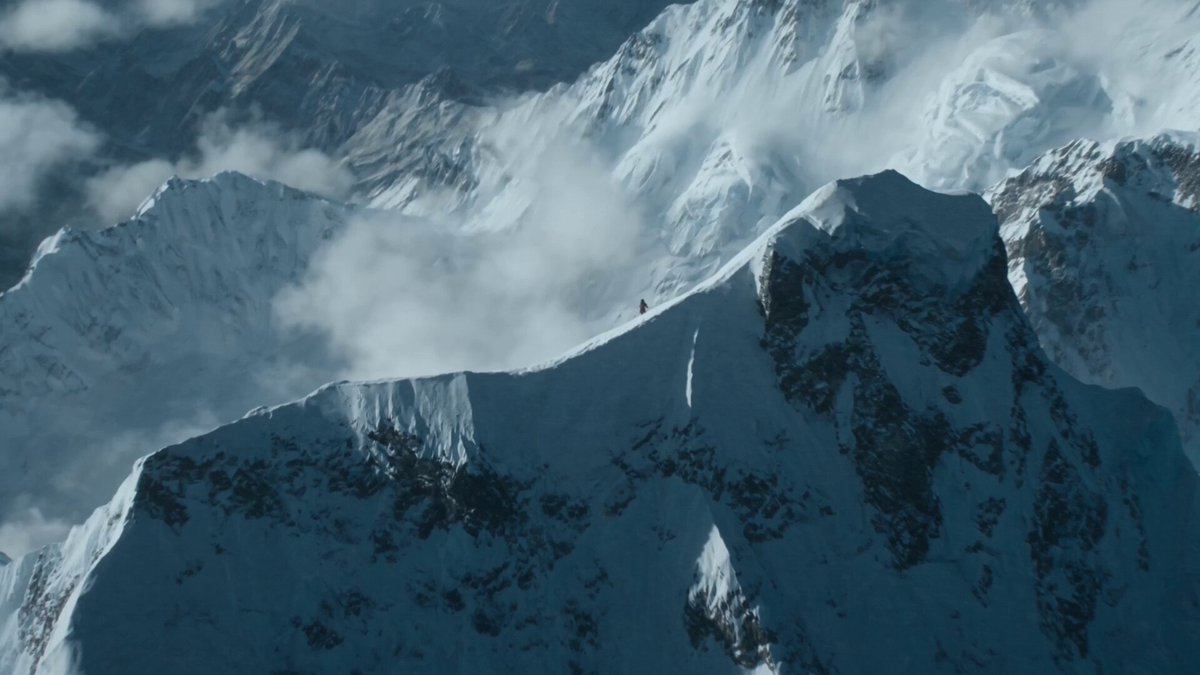
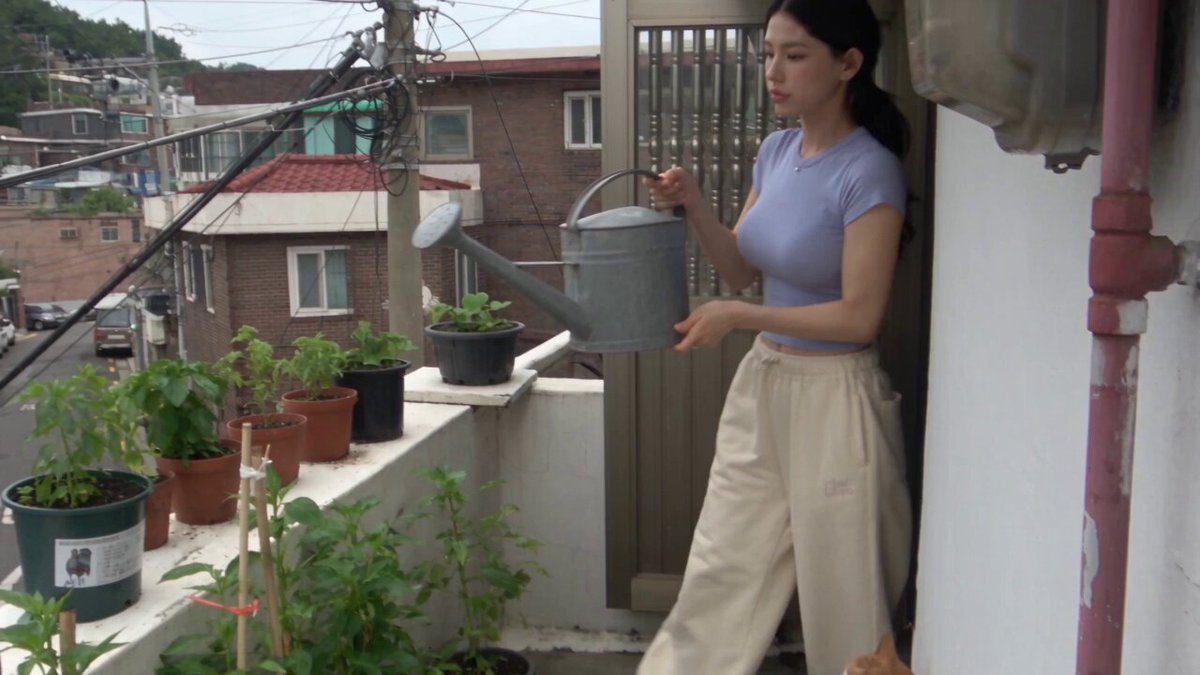
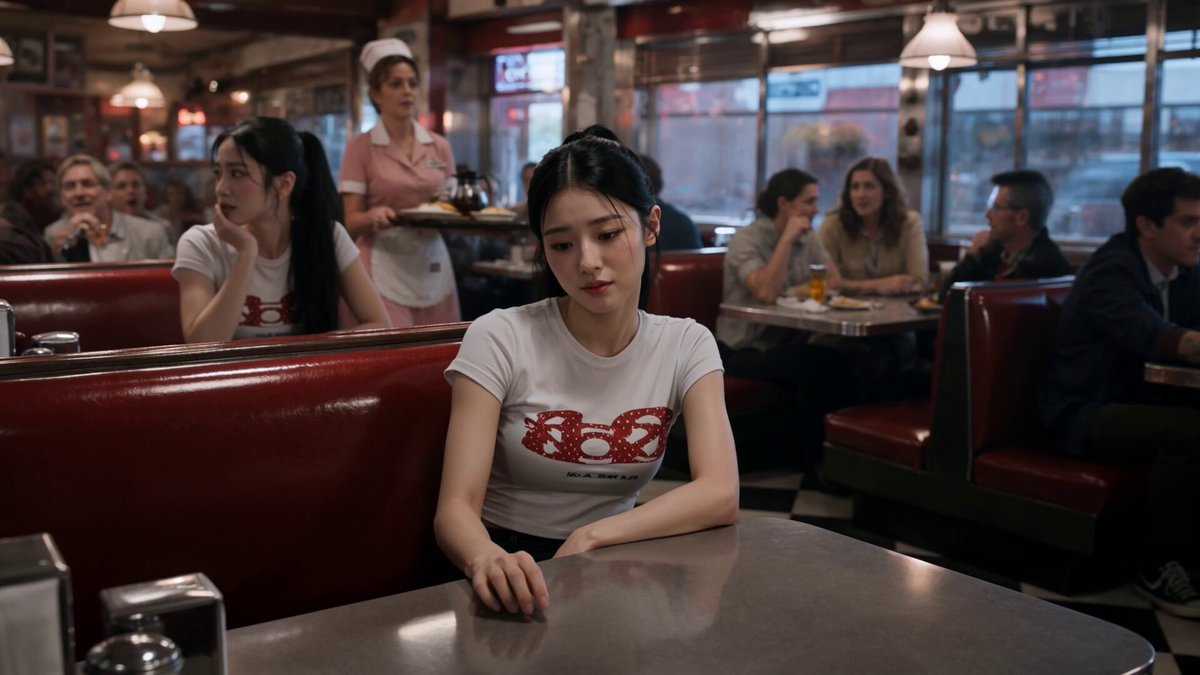
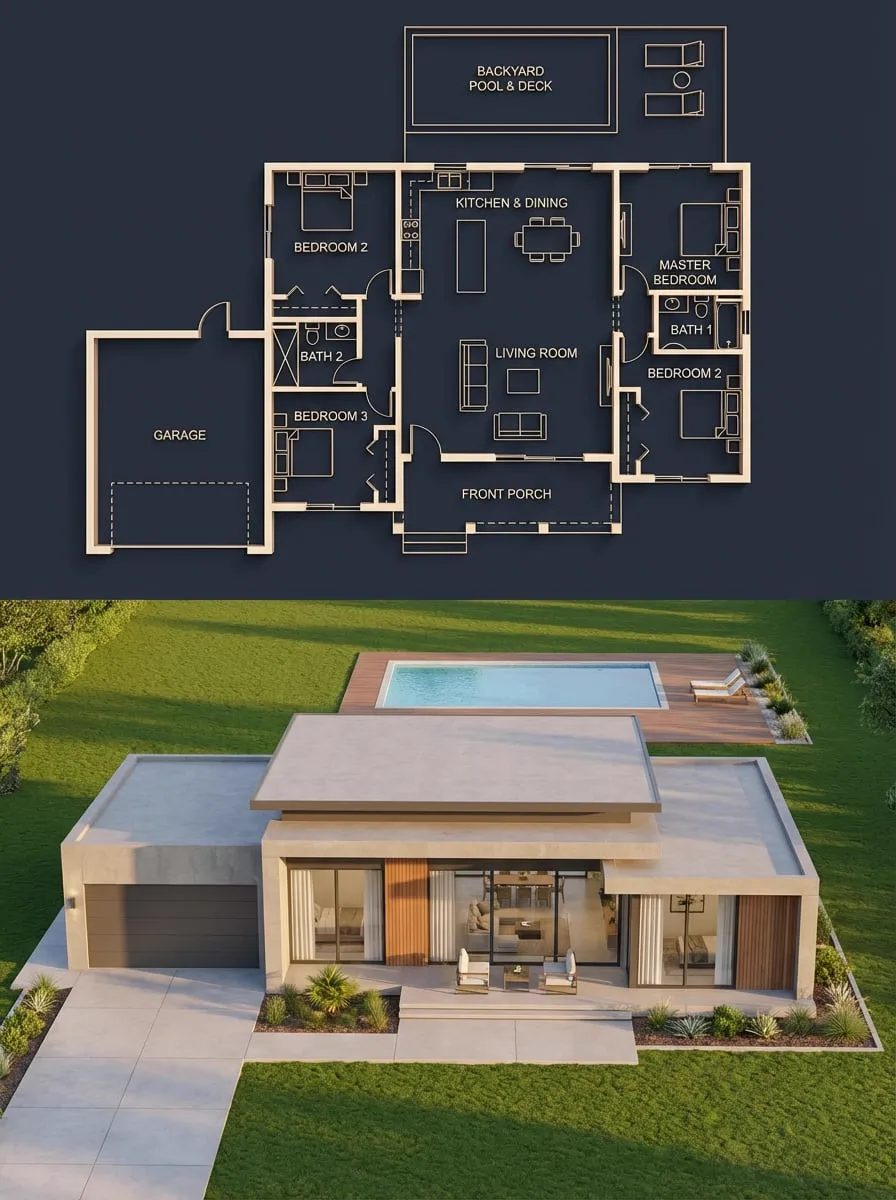
For years, making a video meant pointing a camera at something real. That assumption is eroding fast. In the current generation of generative media, a single line of text or a single still photograph can become a moving, voiced, almost cinematic shot — and the models that do this are no longer one monolith. The most interesting development is the rise of multi-model platforms that let creators pick the right tool for each job, rather than relying on one engine to do everything.
This article looks at how those platforms actually work: how you move from a script or a still image to a finished clip, how a diverse model ecosystem gives you creative control, and what the technical choices underneath mean for your own production pipeline.
Why multi-model beats a single engine
The earliest text-to-video tools asked you to commit to one model for the whole project. If that engine was weak on faces, your faces suffered everywhere. A multi-model platform turns this around: it treats models as interchangeable specialists that you can switch between shot by shot.
Think about the practical effect. You might want a photoreal live-action look for a product demo, a stylized 3D render for a title sequence, and a painterly illustration for a dream sequence. Each of these benefits from a different underlying model fine-tuned for that style. When access to all of them lives in one place, you stop bending your creative intent to fit a single engine and start choosing the engine that fits your intent.
From a still image to motion
The most useful entry point for most creators is image-to-video. You already have a photograph, an AI-rendered character, or a frame you love. Instead of describing everything from scratch, you feed the still in and ask for motion.
This changes the workflow dramatically. You can design a character or a location as a still image first, iterate on it until it looks perfect, and only then animate it. Because the image is already locked, the animation stays faithful to a design you have already approved. That control is much harder to get if you describe everything in text.
Text as a fast starting point
Text remains the fastest way to explore. A paragraph of prompt can generate a provisional clip in moments, letting you test mood, camera language and composition before investing in refinement. The practice that works best is a two-stage loop: sketch with text, then finish with image references.
Keeping characters and style consistent
The biggest practical complaint with generative video is instability. A character drifts between shots, a costume changes colour, an environment morphs. Multi-reference techniques address this directly by letting you supply several images that define one character or one scene from different angles.
The approach is straightforward. Gather a small set of reference stills — front, side, costume detail, key lighting — and give them all to the generator alongside the prompt. The model uses the set to stay anchored. The same logic applies to a location: a couple of establishing images keep the environment recognizable from cut to cut.
Style consistency works the same way. Once you have locked the colour grade, lens and lighting of one image, you can carry those qualities into every following shot so the final cut feels like one piece of footage rather than a patchwork.
Choosing the right model for the job
Model choice is a creative decision, not just a technical one. Here is how to think about it:
- For photoreal character performance, prefer a model with strong subject fidelity and good facial consistency.
- For epic or fantastical motion, choose engines known for dramatic camera moves and physics.
- For speed and iteration, use lighter models while you block out the sequence.
- For a final polished look, switch to a heavier model once the shot list is frozen.
Because a multi-model platform exposes these options side by side, you can A/B test quickly. Generate the same shot across two models and compare the takes before deciding. Over time you build a mental catalogue of which engine pairs with which mood.
Managing cost and resources sensibly
Heavy models are expensive to run, and cost management is part of the craft. The discipline that experienced creators follow is to spend cheaply while exploring and spend heavily only on the shots you actually ship.
Concretely: plan the whole video, preview every shot at low cost, lock the edit, and only then regenerate the selected shots with the premium engine at full quality. You also want to regenerate a take only when a clear issue exists — a changed prop, a better angle — rather than hoping for a lucky roll. This keeps your budget aligned with the finished product instead of the discarded first drafts.
Building a scalable backend for these workflows
If you are running a studio or a platform that generates a lot of video, the infrastructure matters as much as the models. A robust setup is modular: a scheduler that queues generation jobs, an API layer that abstracts the many models behind one interface, and a data layer that keeps every image, prompt and output versioned.
This modularity means you can swap in a newly released model without rewriting everything else. It also means the system can keep generating while you review results, which is essential when jobs can take minutes. For individuals, you rarely need to build any of this yourself — but you benefit from platforms that handle it well, because you get reliable queueing, consistent outputs and fewer dropped jobs.
A practical end-to-end workflow
Here is a repeatable pipeline you can adopt today:
- Define the story as a short text outline and a shot list.
- Generate a style frame that locks the look and feel.
- Build character and location reference images.
- Preview each shot with a fast model.
- Review takes, note issues, and cull the weak ones.
- Regenerate the selected shots with the premium model.
- Assemble, grade lightly, and publish.
This sequence keeps your iterations cheap, your references consistent and your final quality high.
Common pitfalls and how to sidestep them
Generative video is forgiving, but a handful of mistakes reliably waste time and budget. Knowing them in advance keeps your pipeline productive.
The biggest pitfall is chasing a perfect first prompt. The models are probabilistic, so even an excellent prompt will not nail every detail on the first try. You will get further by generating several candidates and choosing, rather than by rewriting the prompt endlessly and rendering once. Build a quick review ritual so selecting takes becomes part of the flow.
A second pitfall is starting heavy. Reaching for the most expensive model for the first draft doubles your cost for no benefit. Draft cheap, lock the shot list, and reserve the premium engine for the final selected takes.
A third is ignoring the output frame. If you generate a widescreen image and later need a vertical cut, you will lose much of the frame. Decide the delivery format first, and reference it in your prompts and style frames from the beginning.
Finally, do not let the tool decide your aesthetic. It is easy to accept whatever looks impressive and end up with a video that has no point of view. Stay anchored to your brief and your style frame, and treat impressive-but-irrelevant output as a distraction.
Deciding between building your own stack and using a platform
Sooner or later every serious creator weighs building a bespoke pipeline against renting a platform. The right answer depends on your goals.
If you are an individual maker or a small studio, a platform is almost always the sensible choice. You get access to many models, reliable queueing, versioning and support without maintaining infrastructure. The cost is the same the platform charges, and the value of not owning the plumbing is large.
If you are building a product that generates video for end users, a bespoke stack starts to make sense. You control the models behind the curtain, the pricing, and the experience. Even then, many teams build on existing tooling and only customise the highest-value parts.
A middle path is to use a platform while you validate demand, then grow into your own layer later. That way you avoid building infrastructure before you have proven the need.
Finishing your video: from clips to a coherent cut
Generating clips is only half the job. The final polish lives in the edit, and the habits you bring there determine whether the piece feels handcrafted or generated.
Assemble your selected takes on a timeline and watch them as a whole before making any changes. Generously trim anything that does not move the story forward; generative footage often includes visually rich moments that are nevertheless unnecessary. A tight cut reads as intentional even when the source material is synthetic.
Pay attention to how the audio works. Even simple sound design — room tone, a music bed, a few clean sound effects — transforms the feel of generated video. The difference between a silent clip and one with confident audio is enormous, and it is where independent creators often gain the edge.
Finally, apply a consistent grade across all the generated shots. If clips came from different models, they may not match in color or grain. A uniform grade is the single fastest way to make a patchwork of models look like one intentional film.
Common questions from first-time adopters
Stepping into multi-model generation raises the same questions across teams, and a few clear answers help you move fast without costly detours.
The first is whether you need to understand the underlying technology. For most creators, no. A good platform hides the details behind simple choices — a style, a mood, a look — and you only need judgement about results, not about model internals. What does pay off is understanding the general workflow of references, iteration and review, because that stays useful no matter which engine is underneath.
The second is whether your existing still images help. Almost always yes. A strong still is the fastest way to get a scene the way you envision it, because it removes guesswork about the subject. Feeding a good image in and animating it is often more predictable than describing the same scene from nothing.
The third is how quickly you can expect usable results. With a repeatable loop in place, most teams produce a presentable first cut from story to screen within a week, even on substantial projects. That speed is the reason creative departments are reworking their pipelines rather than just adding one tool.
Frequently asked questions
Can I really make a full video from a single photo?
Yes. Image-to-video tools animate a still into motion. The result varies by model, but multi-reference setups make longer, stable sequences increasingly achievable.
Do I need to learn prompt engineering?
A working familiarity helps, but multi-model platforms reduce the barrier. You can iterate until the output fits, so a "perfect" first prompt matters less than a fast review loop.
How do I keep the same character across many shots?
Lock a reference set of character images and reuse it in every prompt. Consistency is a workflow habit, not something the model delivers on its own.
Are these tools only for professionals?
No. The point of multi-model platforms is to lower the entry barrier, so hobbyists and marketers can produce polished footage without a film crew.
The road ahead
Multi-model generation is still young, but the direction is clear: more control, better stability, and a creator who chooses the tool rather than the other way around. Whether you are animating a cherished photograph or building a full production system, the same principles apply — anchor on references, iterate cheaply, spend heavily only where it counts.
The future of video is not about one magic model. It is about having the right model in your hands for the job you actually need done.
