

The ability to generate an image that is indistinguishable from a photograph was, until recently, a distant promise. Today it is a rapidly maturing commercial reality, and it has upended the way visual content is planned, produced, and scaled. The shift is not only about better algorithms; it is about control. Photorealism on demand means a designer, a marketer, or a production team can describe a scene and receive photography-grade results reliably, at scale, and in a fraction of the time traditional shoots require. This guide explores what makes next-generation image prompts work, the technology underneath the realism, and how to turn a prompt into a repeatable, professional pipeline.
What Photorealism on Demand Really Means
At first glance, photorealism is an aesthetic goal: an image that looks like a camera took it. But in practice it is a workflow goal. The real value is predictability. A team that can generate consistent, realistic product shots, lifestyle imagery, or editorial visuals on demand removes a whole class of production dependencies. Instead of waiting on shoots, location access, or model availability, you generate what you need from a description.
This matters differently across industries. An e-commerce brand can produce dozens of realistic product-in-context images without a studio. A game studio can explore concept art at photographic fidelity before building it in-engine. A marketing agency can test a hundred visual concepts and pick the strongest one before committing to a full production. In every case, the bottleneck shifts from logistics to craft: how well you describe what you want.
Why Prompt Design Is the New Production Skill
Because the model already knows how to render light, fabric, glass, and skin, the difference between a cheap-looking result and a convincing one usually comes down to the prompt. Early text-to-image users wrote short, noun-heavy descriptions. Next-generation prompting is far more disciplined. It treats the prompt as a miniature production brief that covers subject, framing, lighting, and intent.
The most important conceptual shift is moving beyond nouns to intent. Instead of listing objects, you describe a moment: the quality of the light, the relationship between the subject and the environment, the feeling the frame should carry. This is what separates an image that merely contains the right things from an image that looks like it was actually photographed at a specific time and place.
Deconstructing the Anatomy of a Next-Generation Prompt
A strong prompt is not a single sentence. It is several layers of instruction, each doing a specific job. Learning to write these layers is the core of the craft.
Advanced control modifiers: the language of cinematography
Cinematographic vocabulary gives the generator its strongest realism signals. Lens type, focal length, aperture, shutter behavior, and lighting setups all translate into the way light and depth behave in the frame. Phrases like "shot on 85mm lens, shallow depth of field, soft window light, gentle bokeh" tell the model exactly which kind of photography you are imitating. The more comfortable you become with this language, the more photographically the model responds.
Chasing consistency through multi-image fusion
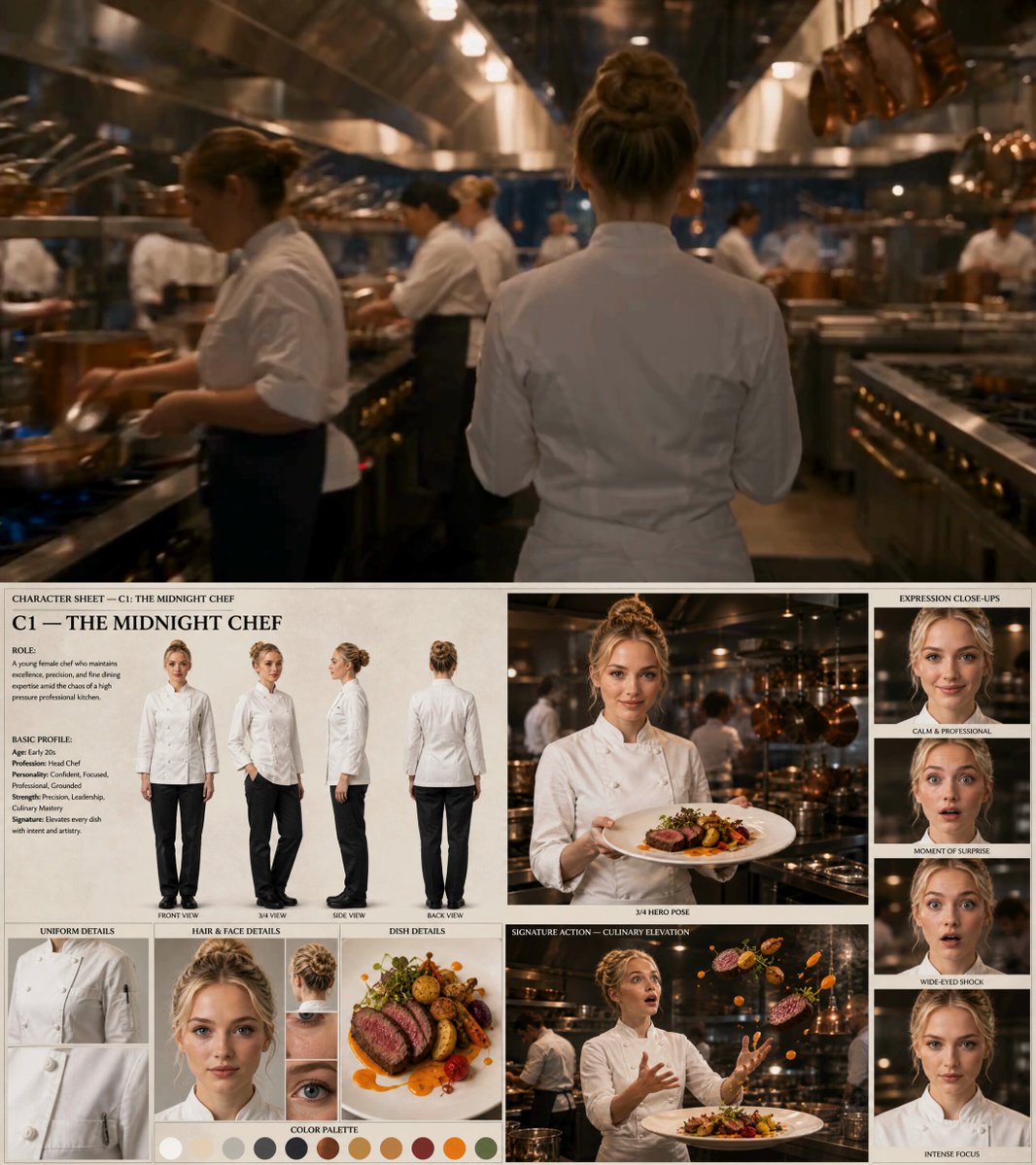
One of the hardest problems is keeping a subject or style identical across many generated images. The answer is careful conditioning. By supplying consistent reference points, describing a small set of fixed traits repeatedly, and matching framing and composition, you can fuse separate generations into a coherent body of work. This is essential for campaigns, character sheets, and editorial sets where the images must read as a single series.
Semantic depth: describing intent, not just nouns
A photograph is more than its contents; it carries a feeling and a point of view. Next-generation prompts deliberately encode intent. Describe what the image should communicate, how the scene feels, and where the viewer's eye should land. When the model understands intent, it makes subtle, photographic choices that a noun list could never convey.
The Technology Driving Photorealistic Control
To use these tools well, it helps to understand roughly what is happening under the hood, even without formal training.
Working with heterogeneous models
No single model is best at everything. Different families and versions excel at different subjects, styles, and resolutions. Skilled prompting takes advantage of this diversity, choosing the model whose strengths match the task and adapting the prompt to that model's conventions. Part of the skill is knowing which tool to reach for, and keeping a mental catalog of each model's tendencies.
Manipulating latent space for fidelity
Image generators operate in a compressed latent space, a mathematical representation of visual concepts. Precise prompts act like navigation within that space, steering the output toward higher fidelity. Small changes to wording can move the result significantly, which is why systematic experimentation matters. When you understand that the prompt is guiding movement through a space rather than typing an address, you treat wording changes more deliberately.
Calibration and validation against real-world standards
Photorealism is only useful if the output actually passes as real. Build a validation habit. Render a candidate, then evaluate it with the same critical eye you would apply to a real photograph: does the lighting have a consistent source, do the shadows make sense, is the focus believable? Calibrating your expectations to real-world standards, and rejecting outputs that fail them, is what lifts a hobbyist workflow to a professional one.
Turning Prompts Into a Repeatable Pipeline
A single great image is a milestone; a dependable process is the goal. Here is a pipeline that production teams and independent creators both adopt.
- Define the visual brief. Write down the purpose of the image, the audience, and the feeling it must communicate.
- Build the layered prompt. Combine the subject layer, the cinematography layer, and the intent layer into one clear instruction.
- Add negative guidance. Exclude the specific artifacts you know the model tends to produce for this kind of scene.
- Generate a small batch. Create several candidates and review them side by side rather than one at a time.
- Choose and refine. Pick the strongest result, make one small change, and iterate toward the exact frame.
- Lock and archive. Save the final prompt, model, and parameters so you can reproduce or scale the result later.
Choosing and Iterating: A Working Method
Iteration is where most of the craft lives. The rule that protects beginners from chaos is to change only one variable between attempts. If you alter the lighting and the composition at the same time, you will not know which change helped. Keep a written record of each attempt, the change you made, and how the result differed. Over time, this builds a reliable personal database of prompt decisions.
It also helps to force structure in your exploration. When you need a specific mood, generate several candidates within the same mood family before breaking out of it. Picking a winner from a coherent batch usually produces better a result than hoping a single wild guess works, and it makes the workflow easier to explain and reuse.
Common Failures and the Fixes
Diffuse or muddy detail is usually a sign of conflicting style descriptors. Remove competing terms and commit to one clear direction for light and focus.
Inconsistent characters across a series are almost always a prompt-stability problem. Lock a tiny set of fixed traits, repeat them verbatim in every prompt, and keep reference imagery consistent.
Over-processed, waxy skin is a well-known artefact in human photorealism. Adjust the rendering descriptors toward softer, more natural skin texture and reconsider the strength of your detail directives.
Counts and arrangements of multiple subjects are often wrong. Drive them with explicit quantity wording, and verify small-batch candidates before generating a large set.
Photorealism Across Use Cases
The same underlying skill looks different depending on the goal, and it is worth understanding how the craft shifts between them.
Product and commercial imagery
For product shots, realism depends on accurate physical interaction: how light wraps around surfaces, how reflections work, how the product sits in its environment. The prompt should specify the surface the product rests on, the quality of the key light, and whether there should be natural reflections or subtle shadows. Consistency across a product range is achieved by holding the studio setup constant and varying only the product itself.
Editorial and lifestyle visuals
Editorial imagery is about mood and aspirational feeling. Here the intent layer matters most. Describe the time of day, the emotional register of the scene, and the relationship between subject and space. Loose, natural framing and candid energy often read as more authentic than a perfectly centered composition, so adjust your framing descriptors accordingly.
Concept and pre-production art
In pre-production, realism serves exploration and communication rather than final delivery. The goal is to visualize an idea convincingly enough to make decisions. You can prioritize speed and clarity over perfect fidelity, and treat every frame as a candidate for discussion rather than a finished asset. This lowers the cost of iteration and lets teams explore far more directions.
Storytelling and cinematic frames
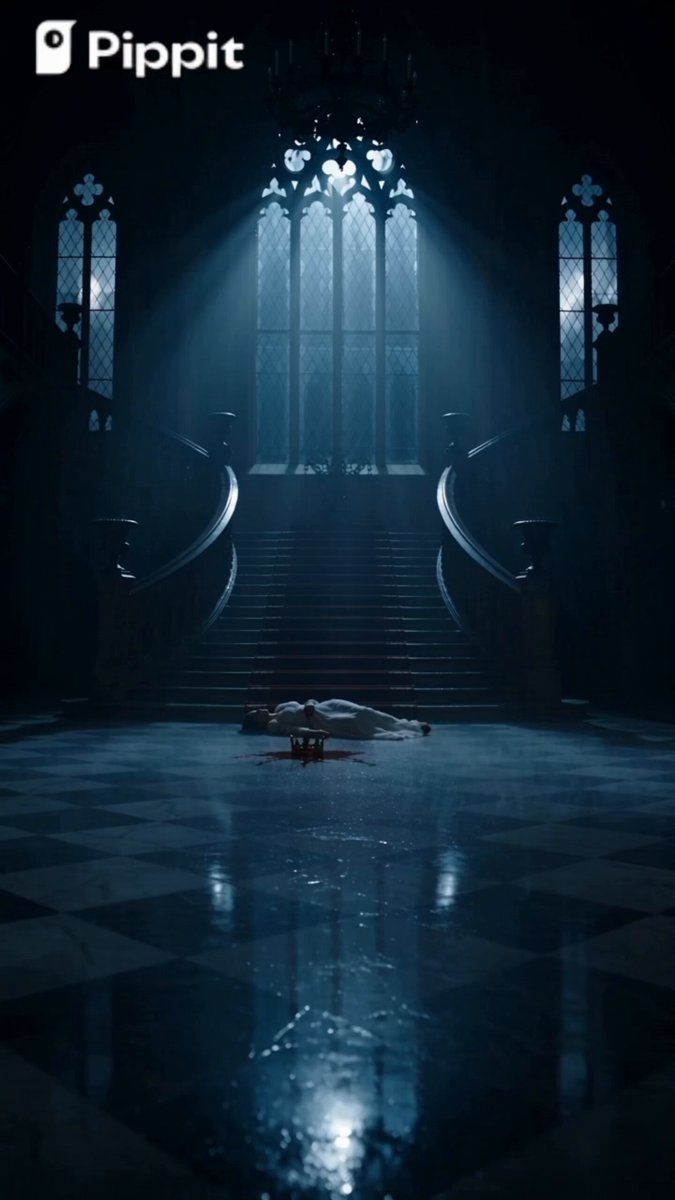
For cinematic imagery, control of depth, focus, and camera movement becomes the emphasis. Structure the frame like a shot: foreground, midground, background, and a clear focal point. Describe the mood through light temperature and contrast ranges as much as through the subject, because cinema realism is as much about tone as it is about texture.
Using AI Director Agents to Optimize Prompts
A newer twist in this field is the appearance of assistant agents that carry part of the prompting burden themselves. Instead of you translating a vision line by line, an agent turns a rough brief into the full, layered prompt string and iterates across candidates for you. This lowers the barrier to entry significantly, but it changes where your skill is needed.
Your job in an agent-assisted flow shifts from wording to judgment. You still need to articulate the vision clearly, set the direction of exploration, and decide which results are worth keeping. The agent handles the mechanical translation and the exhaustive candidate generation. The best workflows combine the two: let the agent do the heavy enumeration, and apply your eye to select, reject, and steer.
Setting good constraints for an agent
An agent is only as good as the constraints you give it. Provide a clear brief, the audience, the mood, and the rules about style and composition. Also set boundaries about what should be off-limits, from specific visual artifacts to certain stylistic directions. Well-scoped agents explore more productively and waste less time on irrelevant or ugly directions.
Auditing Your Work and Building a Style
Professional photorealism work is rarely a one-off. It is a body of images with a recognizable point of view. Building that voice takes deliberate attention. After each project, review the prompts that produced the strongest results and ask what made them work. Note recurring light directions, lens choices, and framing habits. Over time you develop a personal style language, which is what makes a series of generated images feel authored rather than merely produced.
Auditing also applies to the outputs themselves. Keep a small set of test scenes that you generate repeatedly to check whether a new model or a change in your approach improves or degrades results. These stable reference tests let you measure progress and regressions objectively, rather than relying on memory.
Frequently Asked Questions
Do I need a photography background to write good prompts?
Not strictly, but learning basic camera and lighting vocabulary dramatically improves results. It is the fastest skill to add.
Why do my two prompts with nearly identical wording look completely different?
Small changes can move the result significantly in latent space. Treat wording as deliberate steering and change one thing at a time.
How do I keep a consistent style across a whole campaign?
Use a shared set of fixed descriptors, consistent light direction, and matched composition across every prompt, and archive the winning settings.
What is the fastest way to get better results today?
Build your layered prompt with an explicit cinematography layer and negative guidance, then iterate systematically one variable at a time.
Final Thoughts
Photorealism on demand is not magic; it is craft applied to a powerful tool. The models have democratized the ability to create convincing imagery, but the advantage still belongs to those who can direct them well. Learn the vocabulary of cameras and light, treat every prompt as a mini production brief, validate outputs against real photographic standards, and build a pipeline you can repeat at scale. When the tool is reliable, you stop worrying about getting lucky and start focusing on the creative decisions that make the work yours.
