

One of the most stubborn problems in AI video generation is character consistency. A model can produce a stunning visual, and then completely change your character's face, hair, or costume in the very next cut. For anyone trying to tell an actual story — rather than present disconnected clips — this is a dealbreaker. A method called Pixel Lego has emerged as a practical response, and it is worth understanding how it works and how you can apply it to your own projects.
This article is not a marketing sheet. It is a practical breakdown of why characters wander between frames, what a structured approach to consistency looks like, and the concrete techniques you can combine with tools like Flux, Runway, Sora, Kling, PixVerse, and Pika to keep your subject looking like the same person in every shot you generate.
Why Character Consistency Is So Hard for AI
To fix a problem, you have to understand its cause. Text-to-video systems generate each frame with some degree of independence. A model that never saw your character in training does not know what your specific character looks like; it is inferring from the words you type. Between frames, the chance of staying aligned with your intent drops, especially as scene count and complexity grow.
The instability shows up in a few predictable places. Faces change subtly or dramatically. Clothing details get added or removed. Hairstyles shift. Even the proportions of a plant or an object can drift. None of this means the tool is broken. It means the model lacks a fixed, concrete anchor for what the character is. The moment you give it a concrete anchor — an image it can reference under your control — consistency improves dramatically.
The core insight of Pixel Lego is simple: instead of asking a model to imagine your character from scratch each time, you hand it one or more reference images and tell it how to combine them. The name comes from the idea of building a character like snapping together Lego bricks — assembling identity from a small set of stable visual units rather than hoping the model reassembles them on its own.
How Multi-Image Fusion Acts as the Core
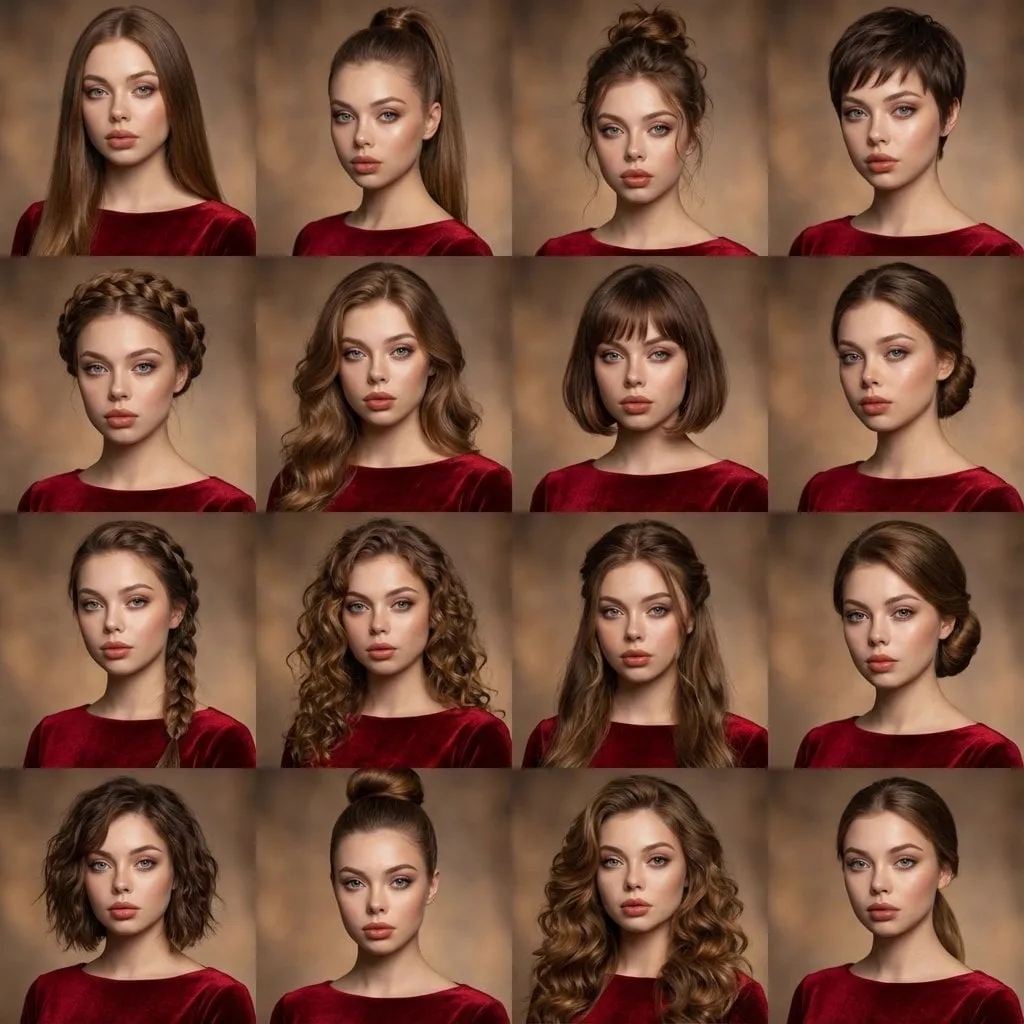
The heart of the approach is multi-image fusion. Rather than relying on a single photo or a plain text prompt, you supply several reference images of your main character, each showing a different angle, pose, or expression. The system fuses these together into a shared understanding of the character's identity, and then applies that understanding when producing new shots.
Why several images and not one? A single reference image captures one angle, one lighting condition, one emotional state. From a single viewpoint, the model can still be confused about what lies around the corner, what the back of the head looks like, or how the face reads from the side. Multiple images let the algorithm lock onto the stable invariants — the things that stay true no matter the pose — and discard the incidental ones, such as this particular shot's lighting.
This fusion is what separates the technique from basic image-to-video. Simple image-to-video usually animates the single image you gave it, which is fine for one short clip but does not generalize across different compositions. Pixel Lego, by fusing references, aims to give you a character that you can reuse across many shots, camera angles, and even different scenes, while keeping identity locked down.
Controlling Key Frames to Anchor the Look
A companion technique is disciplined keyframing. In animation, a keyframe is a drawing that defines the start or end of a motion, with the in-between frames filled in. In the AI video world, treating your reference images as keyframes gives you a way to influence what the model holds steady.
The practical habit is to think of a shot as a start frame and an end state. Feed the model a strong reference frame that clearly communicates the character's identity, and then describe the motion and the ending state you want. The more deliberate you are about the anchor frame, the less room the model has to invent a new version of your character.
Where you place your anchors matters. Early in a shot, a strong reference tells the model who is in the scene. If you are chaining shots, end a shot with a frame that makes it easy for the next shot to begin from the same identity. This choreography of anchors is how you keep one face across a whole sequence rather than a string of related strangers.
Styling vs. Identity: Two Different Kinds of Stability
It helps to separate two stability problems that people often confuse. Style stability means keeping the visual aesthetic — colors, textures, mood — consistent. Character identity means keeping the specific person recognizable. The two need different tools.
Identity is best anchored with reference images and fusion. Style is best anchored with consistent prompt vocabulary and, where the tool supports it, style transfer or reference of the intended look. Trying to describe a style change inside a character prompt often breaks character, and trying to hold a person's identity with vague words rarely works. Keep the two concerns apart and address each with its own lever.
Applying the Approach Across Leading Models
The method is not tied to any single tool, and it is more useful the more tools you know how to combine. Different models have different strengths, and thinking about them as interchangeable levers gives you much more control.
Flux and Runway are often chosen for their visual quality and control. If you want a character whose still frames look genuinely polished, generate the reference images in one of these, then use those frames as the anchor for animation. The rule is: make the reference image as strong as you can, because the video models inherit its quality.
Sora and Kling are valued for narrative strength and motion that feels directed and coherent over longer clips. When your shot needs to carry story and your character needs to move convincingly, these models shine — provided you give them a stable identity anchor first. Sora and Kling bring the motion; the fusion approach brings the identity.
PixVerse and Pika are chosen for aesthetics and lens behavior, with strong options for beautiful frames and camera control. They are natural choices when a shot's identity is the look and the camera move, and they respond well to being handed a clean reference frame rather than a paragraph of adjectives.
The powerful pattern is hybrid: build a decisive reference image with an image model you trust, then animate it with whichever video model best matches the motion and lens requirements of that specific shot. This is the real payoff of thinking in terms of multiple tools rather than a single favorite.
Building Consistency Across Style, Theme, and Mood
Beyond the person, a complete sequence needs consistent style, theme, and emotional tone. Pixel Lego thinking applies here too, but with different levers.
Name the style once and repeat it verbatim. Color grades, texture words, and lighting descriptors act as your style's identity anchor. If you phrase lighting differently in two prompts, you may get two different moods even for the same character.
Lock the costume and props the same way you lock the face. An outfit is part of identity. Include the canonical clothing description in every prompt and lean on the reference images to make it stick, not just on words.
Define the mood in the light, not the noun. Say "warm golden hour light, calm and intimate," rather than "a calm mood." Models turn mood into lighting and composition better than into an abstraction.
Keep a shared visual vocabulary across scenes. If scene two happens in a new location, keep the palette and grading words from scene one so the world feels like one coherent place.
A Practical Workflow for a Consistent Character
Putting it together, a reliable workflow for a single character across multiple shots has a clear shape.
Start by building the reference set. Generate or gather three to five images of your character: front, side, three-quarter, a variation in expression, and one full-body. Make sure the outfit and key features are consistent across all of them. This is your character's "Lego kit."
Write a canonical description. One paragraph describing face, hair, eyes, build, clothing, and distinctive marks. This never changes across your project.
Fuse and anchor. Feed the reference set into the fusion step, and use the strongest frame as the anchor for each shot you generate.
Generate shot by shot. Keep shots short and focused. Pass the anchor image each time and describe only what changes: the action, the camera, the lighting. Do not re-describe the whole character.
Review continuity. Watch the assembled sequence specifically for a costume change, a face drift, or a prop that morphs. Regenerate only the offending shot, using the same anchor and the same canonical description.
Document what worked. Save the reference set, the canonical description, and the successful prompts together. Consistency ships to your next project as a starting point.
Common Mistakes and How to Fix Them
Even with a solid method, mistakes happen. Here are the ones that bite people most often.
Using a weak single reference. A single fuzzy or poorly lit image anchors little. Build a proper multi-angle set if consistency matters.
Changing the outfit between references. If your front view has a blue coat and your side view has a red one, the fusion cannot converge. Keep the costume identical across the set.
Re-describing the character in every prompt. The more you change the words, the more identity drift you invite. Reference image plus one canonical description beats improvisation.
Ignoring the edit pass. No tool is perfect, and a slightly off frame can often be cut around rather than regenerated forever. Trim first, then regenerate only what truly breaks.
Treating one failed generation as proof the method is broken. These systems are stochastic. Your process deserves a few attempts before you judge it.
Why This Matters for Modern Content
Reaching for consistent characters is not a niche technical obsession. It is becoming a practical requirement. Personalized content, product demos with the same presenter, branded characters, virtual influencers, and serialized storytelling all depend on the audience recognizing the same subject again and again. When a character changes face halfway through, the credibility of the whole piece collapses, no matter how beautiful the individual frames are.
The ability to hold a single identity across shots is what separates usable output from a collection of pretty but meaningless clips. It is also what makes scalable production viable, because you can build a character once and reuse it across dozens of shots and projects without redrawing from scratch every time.
Deepening Consistency Over Time
As you practice, you will refine the technique. You will learn how many references your tool really needs, how far you can push a camera change before identity drifts, and where your chosen model's wheels start to wobble. This calibration is experience you cannot get from a single tutorial.
Keep a small library of consistent characters and their reference sets. Over time, this becomes a personal casting directory that speeds up every new project and lets you maintain brand-like consistency across an ongoing series.
Setting Up a Quick Consistency Test
Before committing to a long sequence, run a short test that costs almost nothing and tells you a great deal about whether your character anchors will survive. Generate the same character in two different shots and two different camera angles from the same reference set. Then put the four results side by side.
Look specifically for what changed: the hairline, the eye shape, the outfit details, the proportions. Any drift you see in this small test is a preview of what will happen in a longer run, and it tells you exactly where to strengthen your references or your canonical description. Fixing these drift points in a two-minute test is far cheaper than discovering them halfway through a full sequence.
Repeat the test after you adjust, until the character holds steady across the angle and scene changes. This calibration step turns consistency from a hope into a measured, verified property of your assets.
A Final Perspective
Character consistency is the difference between AI video you can actually use and AI video that only impresses for a moment. By treating identity as a set of stable anchors — built through multi-image fusion, disciplined keyframing, and consistent prompt vocabulary — you stop gambling with your character's face and start directing it.
You do not need the most expensive tool or the longest prompt. You need a good reference set, one locked description, and the habit of building shot by shot while checking continuity as you go. Apply that discipline once, and you will see why a single consistent character across a whole sequence feels so much more valuable than ten beautiful frames that never agree on who you are looking at.
