
Making Science Fiction Look Like Science Fiction
There is a look that audiences recognise as "cinematic science fiction" before a single line of dialogue: wide, unearthly environments, hard and soulful light, a colour palette that feels either cold and clinical or warm and alive, and a camera that moves with intention across spectacular scale. For years that look belonged only to productions with enormous budgets and veteran cinematographers. Generative AI has quietly changed that. With the right approach, an independent creator can produce footage that carries genuine sci-fi feeling — not because the machine is clever, but because the cinematography fundamentals are applied deliberately.
This is a creative workflow guide for anyone who wants to shoot believable speculative worlds with the help of generative video tools. It covers the core visual language of sci-fi — light, colour, composition, and camera movement — then shows how to keep characters and worlds consistent across shots, how to apply classical filmmaking technique with AI as a partner, and how to iterate until a sequence actually feels real.
The Visual Language of Imagined Worlds
Every genre has a grammar, and science fiction leans on a few reliable visual signatures. Learn them and you stop guessing. Understand these principles and your prompts suddenly produce coherent worlds instead of random pretty images.
Scale is the first tool. Sci-fi is about small beings in enormous places, so you need reference points: a tiny figure crossing a vast hangar, a shuttle dwarfed by a station, a single window glowing in a black structure. The juxtaposition of human scale against mechanical or cosmic scale creates instant awe.
Texture and age matter too. Pristine design is less convincing than worn design. Scratched plating, drifting debris, faint dust in the light, condensation on glass — small imperfections make a world feel inhabited rather than rendered. Mentioning "used, weathered surfaces" transforms sterile imagery into believable space.
Finally, geometry. Science fiction loves strong lines: girders, corridors, horizon-cut grids. Leading lines that pull the eye toward a light source or a lone figure give the frame direction and drama. Think of the world as a series of deliberate, directional spaces rather than open voids.
Light as the Storyteller
In science fiction, light carries more than visibility — it carries meaning. Cold white and blue light suggests authority, technology, or danger. Warm amber light suggests safety, life, or memory. Dramatic shadow suggests mystery and threat. Choosing the light is choosing the emotion.
Use these lighting dialects deliberately:
- Hard, high-contrast light with long shadows creates menace and scale, common in hostile or corporate environments.
- Soft, diffused light feels calm and contemplative, good for quiet character moments aboard a ship.
- Neon and practical sources — screens, displays, corridor strips — map the technology into the frame and give small characters a glow to hold onto.
- Volumetric light, visible beams through haze or dust, makes space feel physical and cinematic.
Because generative models respond strongly to a single clear light description, write the light before you write anything else. "A single amber lamp throwing long shadows as the figure passes a dust-filled corridor" gives the model a mood to obey and a character to light.
Shape, Frame, and Movement
Composition in sci-fi often means composing vertical and diagonal lines, then breaking them with a human element. The rule of thirds places a subject where the lines pull the eye; a figure standing small against a towering structure becomes a story of insignificance. Negative space is your friend: empty frame above a lone character reads as emptiness and isolation, which is half the genre's emotional palette.
Depth of field separates a character from the enormity around them. A shallow focus that keeps a face sharp while a colossal structure blurs into the background communicates both intimacy and scale at once. A deep focus that holds every level of a space in crisp detail emphasises that nothing can be hidden.
Camera movement should be motivated by the story, not decoration. A slow dolly toward a character in a vast room builds tension and intimacy. A rising crane-like reveal that exposes the scale of a structure delivers wonder. A handheld, breathing camera in a hostile environment grafts a documentary urgency onto the fiction. Choose one primary movement per shot and keep the rest calm.
Consistency: The Hardest Part
Nothing breaks the illusion faster than a character whose face changes between two shots, or a spaceship that is a different design in every angle. Science fiction worlds are detailed, and audiences track those details. Consistency is the discipline that turns a collection of images into a believable universe.
The reliable answer is reference conditioning. Supply fixed images that define the essential recurring elements, and let the generator animate only the action within them.
- Build a face reference for any recurring character in flat, neutral light.
- Hold a separate reference for the character's costume, the world's signature vehicles, and its key locations.
- Reuse the same reference set across the entire sequence, changing only the action, framing, and light.
- Keep the reference images simple and evenly lit so the model does not fight an existing dramatic look.
Think of these references as your casting and your production design. Elements central to the story — a hero's face, the flagship's silhouette, a recurring room — are controllable. Minor background details can drift without harming the illusion.
When Everything Stays on Model
The test of a believable world is whether the details agree across shots. Characters keep their height, their costume details, their scar. The main location keeps its layout and props. The palette stays within the family you set in the first frame.
Establish this agreement before you render, not after. Lock a location bible as a short document: the world's palette, its ambient light mood, its materials (metals, glass, plastics), and its scale references. Put the same sentences into the opening of every shot prompt for the world. When the visual bible and the reference images agree, the model produces shots that behave like frames from the same film.
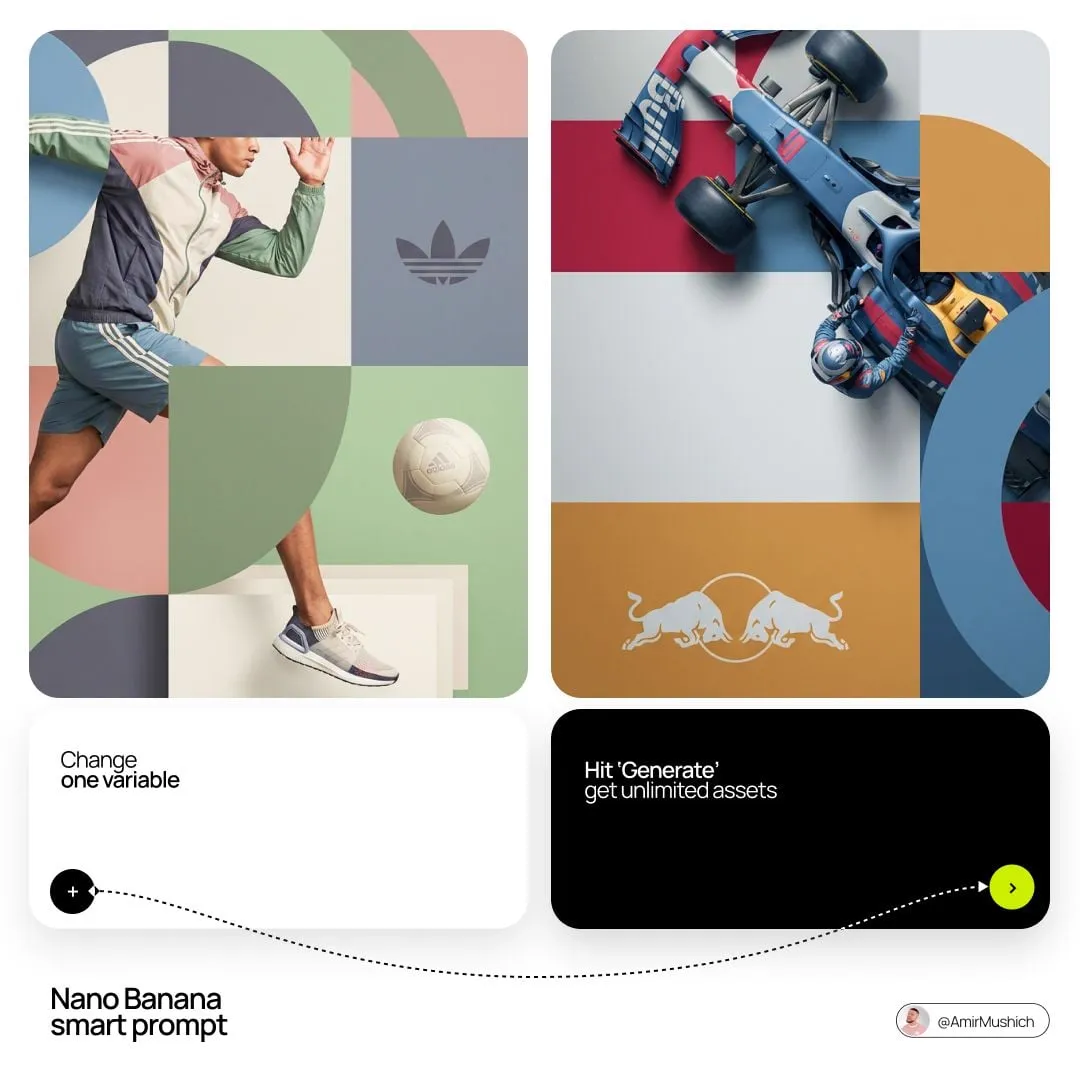
When something does drift, change one variable at a time. Usually the reference or the light description is at fault; revise that single element and re-render rather than rewriting the whole prompt. This keeps iteration cheap and predictable.
Combining Classical Technique With AI Tools
The most powerful approach is to treat generative video as the camera and grip departments of a virtual production, while you act as director of photography and director combined. You do not replace cinematography skill — you apply it to a faster, more flexible medium.
Run the classical prep first. Write the shot list the way a camera crew would: for each beat, note the lens-equivalent width, the angle, the movement, the key light, and the story intent. Then translate that shot list into prompts word for word. The pre-production is where almost all the quality is won; the generation is just execution.
Leave room for discovery. Generative tools sometimes offer an image better than what you planned — a smear of light, an unexpected texture that fits the tone. Treat these surprises as happy accidents to audition, but hold them against the visual bible. A beautiful shot that breaks the world's rules is still a continuity error.
Iterating a Scene Until It Feels Right
No generator nails a perfect sci-fi shot on the first try, and it should not be expected to. The craft is in the iteration. A productive loop looks like this:
- Generate the beat's base shot from the locked prompt.
- Review against the intent, the character references, and the world bible.
- Change exactly one variable — the light, the framing, the movement wording, or the reference.
- Re-render and compare, keeping whichever is truer to the story.
- Once the shot holds, continue it into the edit with the rest of the sequence.
Because each revision is guided by a stated goal rather than a vague hope, the process converges quickly. The sequence stops being a stack of lucky images and becomes a directed scene with a spine.
Sound and Atmosphere That Complete the World
A great sci-fi sequence is half image and half the audio that sells the image. In a generative video workflow, planning the sound early changes what you ask the visuals to carry. A silent shot must signal everything a sound layer would normally provide; when audio is added, it can do more of that work and the visuals can breathe.
Decide what the world sounds like in the same session you write the visual bible. Is the environment full of machinery, hums, and creaks, or muted and vast? Is there ambient room tone, distant weather, low-frequency pressure, or electronic chirps? Narrate these details into a short audio note that sits beside your colour and material notes. Then, when you edit, match practical sounds to the action on screen: a hatch closing, a hologram shifting, rain hitting a hull. Small, specific sound choices ground a spectacular image and make it feel inhabited rather than rendered.
Then decide what the world is silent about. Music, where present, should reinforce the light and the pacing you planned on the storyboard. A rising score supports the dolly-in on a reveal; a sparse, cold bed supports isolation. Keep the music from competing with the picture, and let moments of quiet land harder than any swell.
Finally, consider voiceover. In many sci-fi pieces a VO does the narrative work a visible narrator cannot, explaining the emotional change the images alone might leave abstract. Record the voiceover to match the pacing plan, cut it to the beats, and let the footage answer the spoken questions. When the audio layer is planned with the same intent as the visuals, the finished piece reads as a film with a point of view rather than a sequence of impressive shots.
A Complete Sci-Fi Shot Pipeline
Here is the full workflow, assembled into something you can run from concept to cut.
- Define the emotional core: what the viewer should feel when the world first appears. Name it precisely.
- Build the world bible: palette, ambient light, materials, and scale references written once.
- Write the beat list: three to six story beats, each with a one-sentence purpose.
- Design the key elements: generate reference images for face, costume, vehicles, and locations.
- Write the shot list: width, angle, movement, key light, and intent for each beat.
- Translate the shot list into prompts: story first, then the technical instructions.
- Render in sequence, reusing successful references and style cues.
- Review each shot against the bible and fix one variable at a time when it drifts.
- Grade the whole cut together so the entire sequence reads as one film.
Frequently Asked Questions
Do I need to know real cinematography to use these tools well? The basics pay back enormously. Understanding width, angle, movement, and light lets you direct the model instead of reacting to it. A little vocabulary converts guessing into control.
How do I stop characters from shifting between shots? Use a clean face reference captured in flat light and reuse it across the entire sequence. Let only the action and framing vary while the person, costume, and palette stay locked.
What makes a sci-fi scene feel authentic instead of generic? Consistency of world, credible materials and scale, aged surfaces, and light that carries meaning. Aim for a believable, unified universe rather than a collage of impressive images.
Is it better to generate long sequences or short shots? Short, controlled shots with fixed references and deliberate cuts. Long generations drift and are hard to direct; short shots let you build the sequence deliberately.
How much does trial and error cost in practice? With a strict one-variable-at-a-time rule and locked references, convergence is fast. The discipline of changing one thing is what keeps the loop cheap and predictable.
The Takeaway
Believable science fiction is less about the tool and more about intent. Build a world bible, choose light that carries meaning, compose with scale and line in mind, hold character and location consistency with references, and apply classical shot planning to a faster medium. Let the generative engine render your camera work faithfully, and your imagined world stops looking like a random stack of images and starts reading as a real place with a real story moving through it.
