
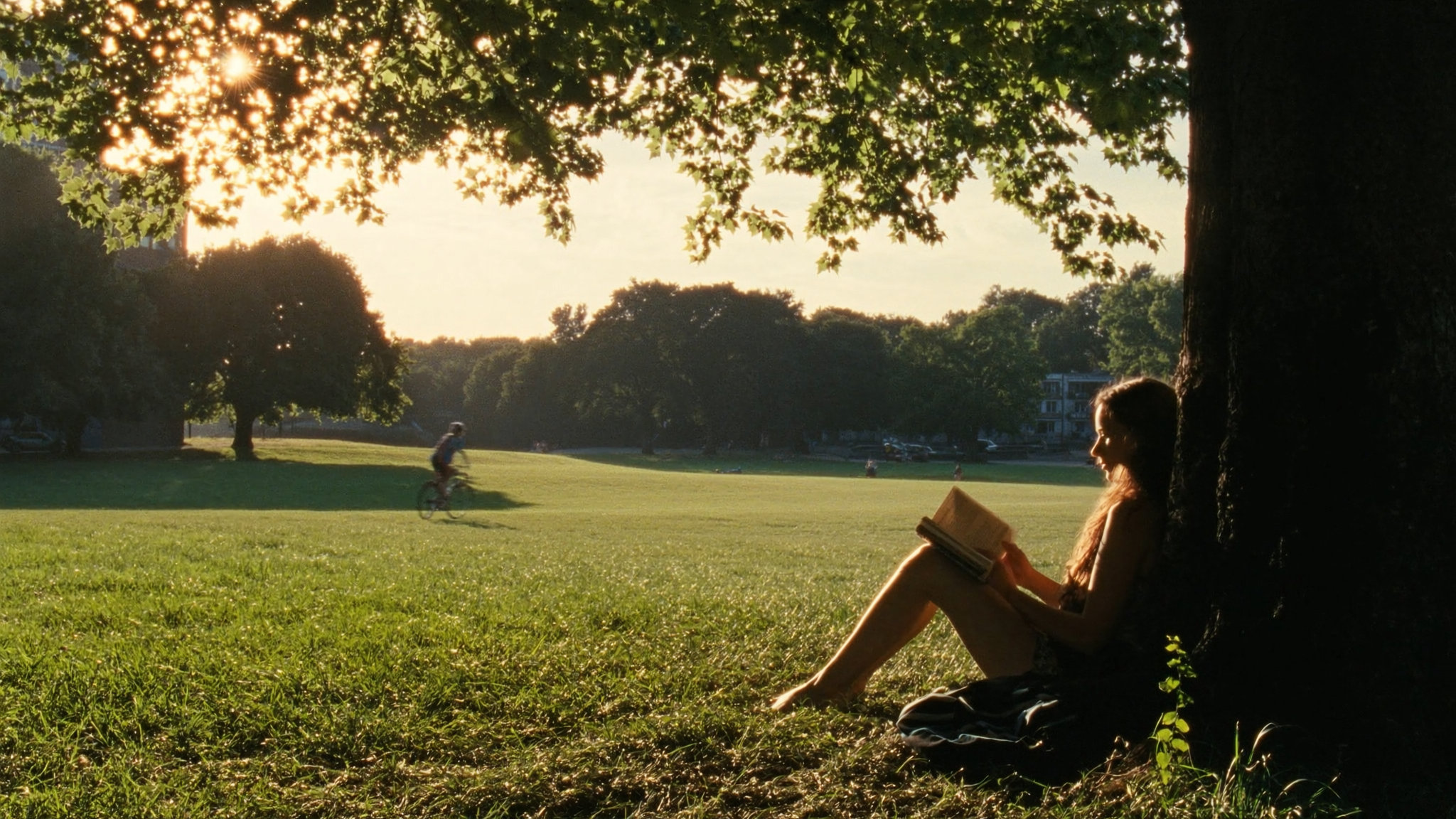
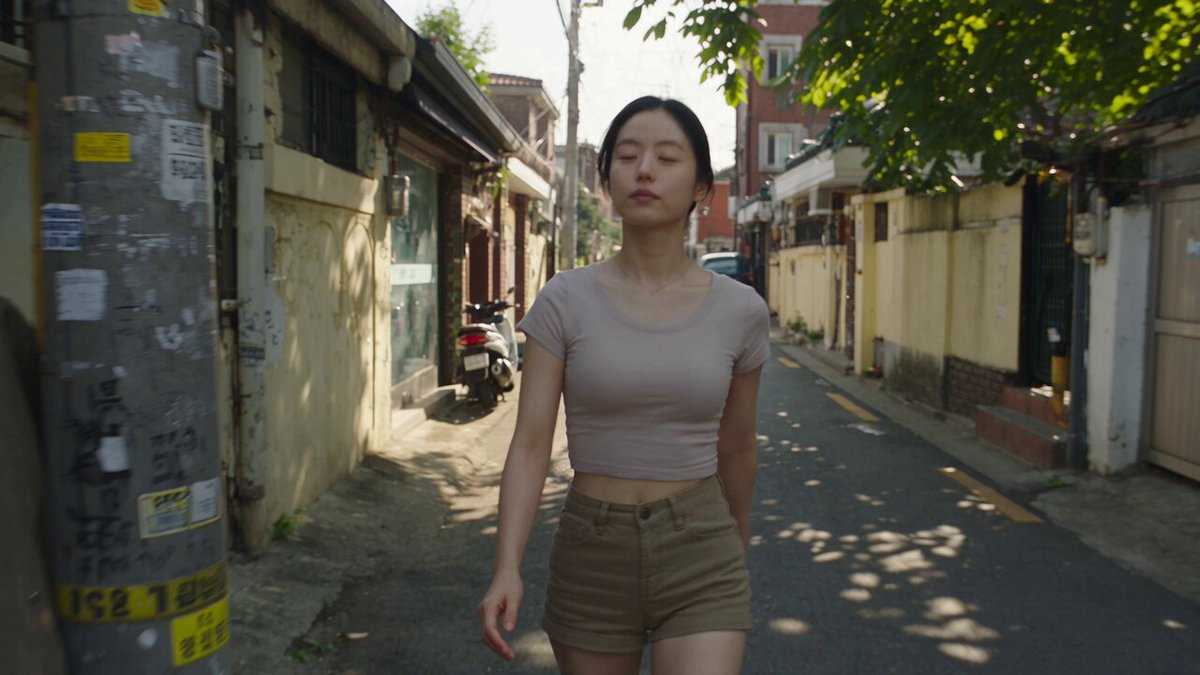
The idea of typing a paragraph and watching a finished scene appear still carries a spark of wonder, yet it has quietly become an everyday part of how content is made. Text-to-video AI has moved from a promising novelty to a production reality, and it is redefining the whole chain of content creation. Instead of a linear path through cameras, crews, and editing suites, creators now start from an idea in words and let the machine carry the idea into moving images. This guide explains the technology underneath, how to choose models wisely, how to manage cost, and how to build a workflow that reliably turns scripts into film.
How text-to-video is redefining the creative process
For most of its history, video production was a resource-heavy craft. You needed equipment, lighting, actors, and time. Text-to-video inverts that model. The core input is language, which means the creative bottleneck shifts from logistics to communication: how well you can describe a scene determines how well you can generate it.
This shift changes who can make video. A marketer with a clear brand voice, an educator with a well-written lesson, or a storyteller with a vivid imagination can now produce moving visuals without a studio. The result is not necessarily less human input; it is a different kind of human input. Ideas, taste, and phrasing matter more than ever because the prompt is the seed of every frame.
There is a broader industrial change too. The entire value of content production is being restructured so that a script can travel directly to a finished film with fewer hands involved. That is not an exaggeration of automation; it is simply the direction the craft has been heading for several years, and text-to-video is one of the clearest signs of it.
The core technology behind text-driven video generation
At the heart of the modern pipeline is a large video-diffusion model. You give it text, and it learns to associate words with visual concepts, then iteratively refines random noise into a coherent sequence of frames that matches your description. The discipline of writing a prompt, the selection of the right engine, and the interplay of several internal systems all shape the final result.
A useful mental model is that the prompt is the screenplay and the model is the director and camera combined. To get a stable, beautiful result, you need both a clear script and a capable crew. In practice, this means learning a little about how prompts are structured, what words steer the model safely, and which settings control the mood and motion of the output.
Modern generation is also multimodal in a practical sense. Audio, camera behavior, and motion control can all be added to or synchronized with the visual track, so a single input can grow into a full short film rather than just a silent clip. The boundaries between script, image, sound, and motion are dissolving into one continuous creative surface.
The text-to-video engine room
Getting from a prompt to a finished scene depends on several coordinated systems. The text encoder is the first gate: it turns your words into the representation the model actually uses. A good encoder understands nuance, so training your phrasing to be specific and consistent improves reliability as much as any hardware upgrade.
The generation core handles the heavy lifting of producing frames, balancing fidelity, motion, and speed in noisy trade-offs. A stronger core can maintain texture and continuity but often costs more in compute, which is why model selection matters.
Finally, refinement and upscaling polish the output. After the base generation, additional passes add detail and elevate resolution. These post steps change the final perceived quality enough that two sequences generated with different post pipelines can look years apart, even though the base model is the same.
Choosing the right engine therefore means weighing realism, motion quality, speed, and cost together, and matching those against the tone of your project.
Matching the model to the job
No single model serves every use case, and the smartest creators treat the model library as a collection of specialized tools rather than one answer. For high-impact, cinematic work where realism and continuity are non-negotiable, premium models are worth the higher cost. They render fine detail reliably and respect complex prompts, which matters for brand and hero content.
For high-volume work, social clips, drafts, and internal testing, cost-efficient models win. You iterate faster and burn less budget, then reserve the premium engine for the final hero shots. The trick is to test which budget models hold up for your specific content, because some preserve faces or style far better than others even at a lower price.
There are also specialized models optimized for particular styles, such as anime, or for specific technical tricks like multi-image reference and motion control. If your project lives in a stylized world, a model built for that world will keep your characters and mood consistent far more easily than a photorealistic engine fighting your aesthetic. Match the model to the visual language, not just to the idea of the newest option.
Varying the output while keeping control
A common complaint about early text-to-video was that every scene looked similar or drifted from the intent. That outcome usually comes from weak control rather than a limitation of the technology. The levers are your prompt, your reference inputs, and your settings.
Write prompts that specify subject, action, environment, mood, and lighting instead of one vague sentence. Vary the phrasing and composition deliberately between scenes so the output has range. When you need identity to hold across shots, feed the generator reference images so the character's face, wardrobe, and style stay constant even as the scene changes.
The same discipline applies to motion and camera. If you want control over how the camera behaves, describe moves such as a slow push-in or a tracking shot. Watch the result and re-cast any scene where the camera does not match the storytelling intention. Over time, you build intuition for what phrasing produces which behavior, and that instinct is what separates a usable pipeline from a frustrating gamble.
Cost strategy: models, budget, and efficient production
Cost is the real constraint for most creators, and managing it well is a skill in its own right. Video generation typically runs on a usage-based model where different engines and resolutions consume different amounts of your budget. The core habit is to separate ideation from delivery: prototype cheaply, deliver expensively.
Use budget models to test ideas, iterate on the prompt, and lock the creative direction. Only when you are confident in a concept should you spend your premium budget on final quality. This simple separation routinely cuts overall spend by a large margin while keeping the finished product at the highest possible standard.
Resolution and length are variable costs too. Not every frame needs maximum resolution, and a punchy short clip often communicates more than a long meandering one. Plan the shots you truly need rather than generating endless takes, and always review the time your tool allocates to each model so you know where the budget actually goes.
The director AI: automating creative direction
One of the most practical innovations is an AI director that handles the craft of guiding a shoot. Where a human director would plan the shots, choose the camera, and set the mood, an AI director agent can take a brief and translate it into a structured sequence, suggesting framing and narrative flow automatically.
For individual creators, this is a productivity leap. You can hand over a rough idea and receive a polished scene sequence, then adjust only the parts that need your taste. It lowers the skill bar for translating ideas into filmmaking decisions and keeps the quality consistently high.
This is not about removing the human. The intent, judgment, and taste still come from you, and you remain the final reviewer. The AI director is better understood as an extremely capable assistant that turns your creative direction into concrete production steps, letting you focus on what you want to say rather than how to frame every shot.
Building an automated content workflow
The real unlock of text-to-video is that it plugs cleanly into an automated pipeline. Because the input is text, you can generate, review, and refine at a pace that manual production never allowed. The outline of a strong workflow looks like this.
- Start with a written script or outline for each video.
- Break the script into scene-level prompts with clear subject, action, and mood for each.
- Generate drafts with cost-efficient models.
- Review and refine the prompts where the output drifts or under-delivers.
- Lock the creative direction, then regenerate final scenes with premium models.
- Add audio and polish in post-production.
- Publish and collect feedback to inform the next batch.
The loop improves as you go. Every review teaches you which phrasing produced which result, so the quality of your prompts rises steadily, and the whole process gets faster and more reliable with each cycle.
Growing your craft along with the tools
Text-to-video does not erase the need for creativity; it elevates it. The best results still come from people who understand storytelling, pacing, and composition, and who can communicate intention with precision. The technology amplifies that craft rather than replacing it.
As the tools mature, the barrier to entry keeps falling, and the differentiator becomes a combination of taste and process. Creators who treat prompt-writing as a creative skill, who test models deliberately, and who build feedback loops into their workflow will hold a lasting advantage.
That is the encouraging side of this shift: it rewards curiosity and consistency. The machinery of video production is compressing dramatically, and the human ability to envision and direct is becoming the scarcest and most valuable input of all.
Comparing text-to-video with traditional production
It is worth being honest about what text-to-video does and does not replace. For ideation, drafts, storyboards, social clips, and concept visualization, it is dramatically faster and cheaper than shooting. Teams can explore an idea in an afternoon that used to require a full production day, and they can reject a weak direction without losing the investment.
Traditional production still holds advantages in controlled live-action: precise actor direction, real locations, product shots requiring exact physical reality, and any scene where a single generated imperfection is unacceptable. A car commercial needs the actual car; a medical training video needs real hands demonstrating a procedure. In those cases the two workflows complement rather than replace.
The smartest integration treats text-to-video as the rapid, prolific front end of a pipeline and real production as the high-fidelity back end for what matters most. You let AI generate volume and candidates, then you spend traditional resources on the few pieces that must be flawless. Used this way, text-to-video does not shrink creativity; it frees budget and attention for where they create the most value.
Frequently asked questions
Do I need technical skills to create AI video from text?
A working knowledge of how prompts behave helps, but you do not need programming or film production experience. The craft is learning to describe scenes clearly and to review results critically.
How long does it take to generate a video clip?
It depends on the model, length, and resolution. A short draft can take a couple of minutes with a budget model, while a premium final shot can take noticeably longer. Planning for iteration time is part of the workflow.
Which model should I choose for a new project?
Start with a budget model to prototype, then validate on a premium engine only for the shots that need the highest quality. Match specialized models to the style of your content, such as anime or stylized worlds.
Can AI generated video match traditional production quality?
For many uses yes, especially with a strong prompt and the right premium model. For highly controlled live-action work, traditional production still has advantages, but the gap keeps narrowing.
How do I keep characters consistent between scenes?
Supply the generator with reference images that define the character, and keep your prompt language consistent about identity. Check the output at several points, not just the first frame.
Final thoughts
Text-to-video has moved the creative bottleneck from logistics to language, and that is a profound gift. By understanding the engine room, choosing models for the job, managing cost deliberately, and building a review-driven workflow, creators can turn a paragraph of intent into a beautiful film with a fraction of the old effort. The craft is becoming a blend of writing, direction, and iteration. Those who develop all three will find the machine a devoted ally, turning the words they already have into the pictures they have always wanted.
