
The most exciting promise in content creation is now ordinary: type a description and watch footage appear. Text to video has moved from a futuristic curiosity to a working tool that studios, agencies, and solo creators reach for daily. But the tool does not solve the harder problem by itself. The real skill is knowing which of the many AI video generators is right for a given idea, and how to steer whatever you choose toward a result that looks intentional.
This guide treats model selection as the craft it is. Different generators carry different strengths: some excel at photorealistic scenes, others at stylized animation, still others at fast iteration for short social formats. Learning to match the model to the brief, rather than forcing every idea through one default, is the difference between output that feels generic and output that feels made for a purpose.
You will also see how modern approaches layer multiple capabilities on top of raw generation. Video fusion blends an image or a character reference into motion, motion control gives you a hand on the camera and the edit, and community marketplaces let you publish and even share the models you have trained. Taken together these turn "text to video" into a full creative environment instead of a single button.
Understanding Why One Model Never Fits Every Job
It is tempting to settle on a single favorite generator and stop thinking. That habit works until the day your photorealistic footage needs a flat, stylized look and your favorite tool stubbornly produces the wrong mood. The reality is that today's models are specialized, and the smartest creators treat them like a toolbox of lenses rather than a single camera.
A few axes separate them. Style is the most obvious: some models render near-photographic imagery, while others land in animation or illustration. Fidelity and movement across short clips differs too, with some generators keeping motion coherent while others flicker under strain. Cost and speed also vary widely, and for a team producing dozens of pieces a cycle, choosing a lightweight model where possible can make the difference between a viable operation and an expensive one.
The practical habit is a short decision ritual before each job. Name the intended format and audience, describe the target style, and note the level of realism required. Then make a candid choice about which generator best matches that description. Reusing the same logic each time builds intuition quickly, and eventually the right default for each brief becomes almost automatic.
Using the Deep Photorealistic Generators for Film-Like Footage
For scenes that need to pass as filmed reality, the flagship generators dominate for good reason. These models are built around large-scale learning of how the real world moves, and they produce textures, lighting, and dynamics that feel genuinely cinematic rather than uncanny.
The catch is control. Photorealistic generators thrive when you give them a precise and concrete prompt, and they wilt under vagueness. Describe lighting, camera movement, environmental detail, and the emotional register, because the model draws its realism from the specificity of the instruction. A two-line prompt returns a pleasant generic clip; a detailed, spatially grounded prompt returns footage that looks like a deliberate shot.
Expect to iterate. Realism and reliability improve with each regeneration, so build a quick loop: prompt, render a short preview, critique the physics and the framing, adjust, and re-render. The best photoreal footage is rarely a first pass; it is the product of a few disciplined rounds that only look effortless in the end.
Reaching Across Styles With Asian and Open Source Models
The photorealistic names get the headlines, but a significant share of everyday video is better served by models that lean toward stylization and speed. Many open-source and regional generators produce clean, character-led animation and are tuned for rapid turnaround, which makes them a strong default for education, social, and branding work where a lighter look is actually an advantage.
Open-source options also matter for autonomy and cost. Because they can be hosted and run on your own infrastructure, they remove the dependency on a hosted service whose limits and availability are outside your control. For teams with engineering capacity, self-hosting an open generator becomes a way to scale production without metering every clip against an external quota.
The refinement these models offer is speed without necessarily sacrificing craft. When the brief calls for clear, friendly, animated output rather than photoreal drama, a stylized generator often reaches a "good enough and fast" state far sooner, and good enough for a social-first piece beats perfect that ships late.
Keeping a Character Consistent Across Many Renders
The problem that haunts every production that makes a series of clips is consistency. Generate the same character twice and it may come back as a different person, with different clothing, different coloring, and a changed face. When you need a spokesperson or a mascot to appear scene after scene, that drift is fatal.
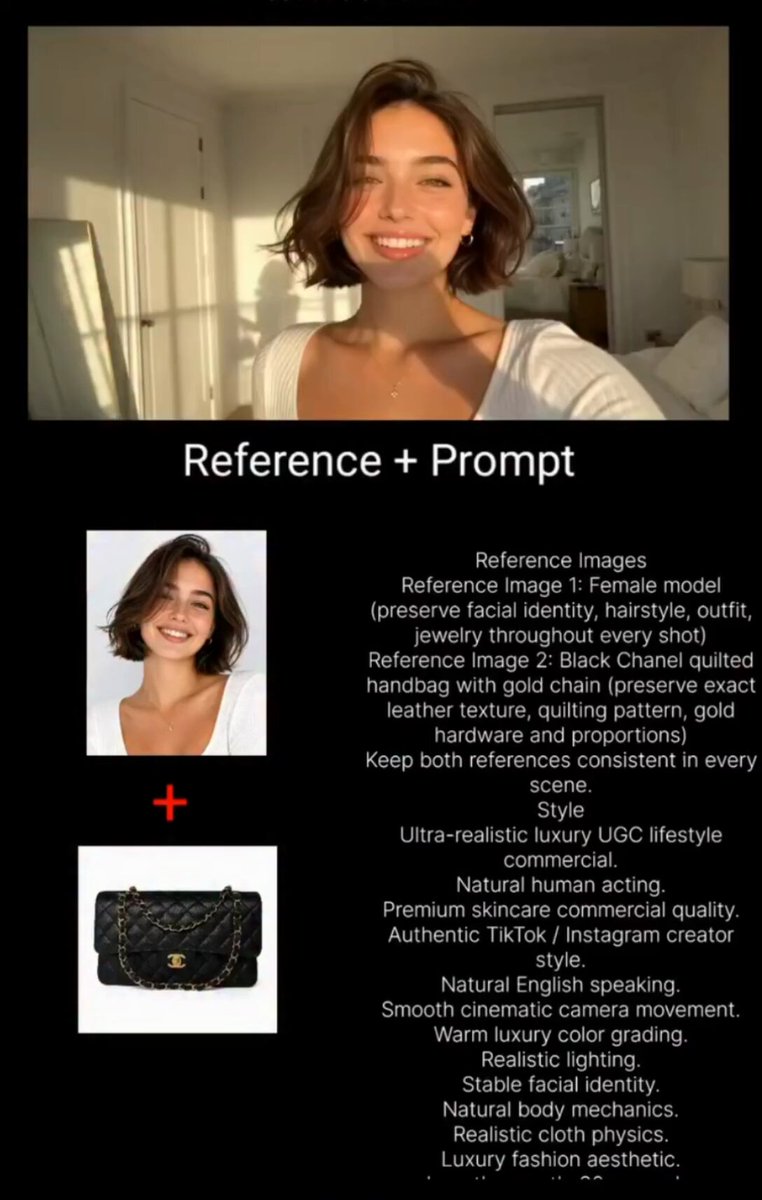
Video fusion is the remedy that works. Instead of describing a character from scratch every time, you provide a reference image of the character and instruct the model to preserve it while creating new motion. The generator then anchors the new footage to the reference, so the face, outfit, and palette stay recognizable across the whole project.
Use the fusion reference as your source of truth. Lock the image the moment you are happy with how the character looks, then feed that same reference to every render in the project. If the character evolves, update the reference deliberately and start from the new one. Consistency becomes a pipeline property rather than a hope you attach to every prompt.
Getting a Hand on Movement With Motion Control
A perfectly rendered clip is still only as good as how it moves. Motion control is the set of tools that lets you direct the camera and the action rather than accepting whatever the model decides to do with your prompt.
The fundamentals are simple to understand even when they take practice: describe the shot you want, such as a slow push-in, a sweeping pan, or a handheld look, and be explicit about timing if the sequence involves a change of state. Control over subject movement matters too, so specify whether characters should walk, react, or remain static within the frame.
Practically, motion control rewards iteration over theory, so write down the shot language you used so you can reproduce and tune it. Over time you build a personal library of prompt patterns that describe your recurring shots, which turns abstract "make it cinematic" wishes into repeatable instructions the model understands.
Assembling a Cost-Effective Production Queue
Once you are producing many clips, the economics start to bite. Different models carry different costs, and using a premium generator for every frame of a routine explainer is a poor allocation of budget. Thinking of your model choice as part of a money and time budget makes the whole operation sustainable.
Set a priority structure. Reserve the expensive, photoreal generators for hero assets that need to carry your brand at the highest level. Use mid-range or stylized generators for volume content such as channel fillers, educational snippets, and batch assets where speed and price matter more than photoreal polish. Tier your production, and the overall spend stops being a wall you run into.
Batching also smooths costs. When you generate in batches during off-peak windows and reuse successful references, you reduce per-clip overhead and keep the queue from backing up. A tidy queue is not just an engineering nicety; it is the difference between a production that scales and one that stalls under its own ambition.
Publishing and Reusing Models in a Community Marketplace
One underappreciated strength of modern platforms is that they are not closed loops. The models themselves can circulate through a marketplace, where you can publish the trained reference sets and bespoke styles you created, and where you can adopt models refined by others.
This changes how knowledge compounds. Instead of every creator discovering prompt craft in isolation, a community marketplace makes the best generation recipes portable. You can grab a tested style or character reference that already produces good results and adapt it to your project, skipping weeks of trial and error.
It also opens a route to sharing your own work and, if your platform supports it, earning recognition for what you build. Keep the same discipline when adopting shared models as you do with your own: verify the reference set, check licensing terms, and test on a small sample before you commit to producing at scale with someone else's creation.
Tying the Model Library to a Full Creative Workflow
The point of all this tooling is not a collection of impressive demo clips but a complete production line. A strong platform connects model selection to scripts, consistent references, and a publishing pipeline, so that an idea moves from prompt to polished asset without hand-carrying files between disconnected tools.
Start with the idea and the audience, then choose the model that fits the brief. Assemble the footage with consistent references, steer the motion, and queue the render in line with your budget tiers. Deliver the polished clip directly into your publishing pipeline. Every stage draws on the same library and the same references, which is how a solo creator and a busy studio can both produce at volume without losing their particular voice.
Keep the workflow auditable. Note which model and reference produced each asset, so that when something looks great you can replicate it, and when something fails you can pinpoint why. A small amount of record-keeping turns an unstructured burst of creativity into a system you can rely on and repeat.
Writing the Brief Before You Pick the Model
The single most effective habit in text to video is to write the brief before you open any generator. Teams that decide on a tool first and then discover the idea has no clear shape produce the worst output, because they let the tool dictate the work instead of the work dictating the tool. Flipping that order changes everything.
A good brief is short and concrete. Name the audience and the intended platform, state the target style in a few words, and describe the emotional register. Decide whether the piece needs photoreal fidelity or whether a clean stylized look will serve it better. If a spokesperson or mascot appears, note whether a reference exists and lock it before generating. This paragraph of context is all the model selection logic needs to point at the right generator.
The brief also prevents scope drift. When you know precisely what a video must accomplish, you are less likely to chase unnecessary realism or cram in extra scenes that bloat the render and dilute the message. A tight definition of the job makes both the model choice and the direction obvious, and it turns the whole production into a focused exercise rather than an open-ended play session.
Frequently Asked Questions
How do I choose between models for a new project? Match the model to the intended format, audience, and realism level. Use photoreal generators for hero and filmed-style footage, stylized or open-source generators for fast social and education content, and reserve premium renders for the assets that truly carry the brand.
Can one model do everything well? In practice no. Models are specialized, and assuming a single default will cover every style leads to generic output. Choose deliberately per brief and you end up with stronger, more varied video.
Do open-source models look worse than paid ones? Not necessarily. They trade some raw fidelity for speed and autonomy, and for stylized or character-led content they often reach a clean result faster and with full production control.
How do I stop a character from changing between shots? Use video fusion with a locked reference image on every render of the project. Consistency comes from anchoring each generation to the source of truth, not from repeating a text description.
What is the best way to control cost? Tier your production by importance, use lightweight or open-source models for volume work, batch renders in off-peak windows, and reuse successful references rather than regenerating everything from scratch.
Do I need deep technical skills? No. Direction, prompt craft, and reference management are far more valuable than code, and they are the skills that separate generic output from work that feels intentional.
