
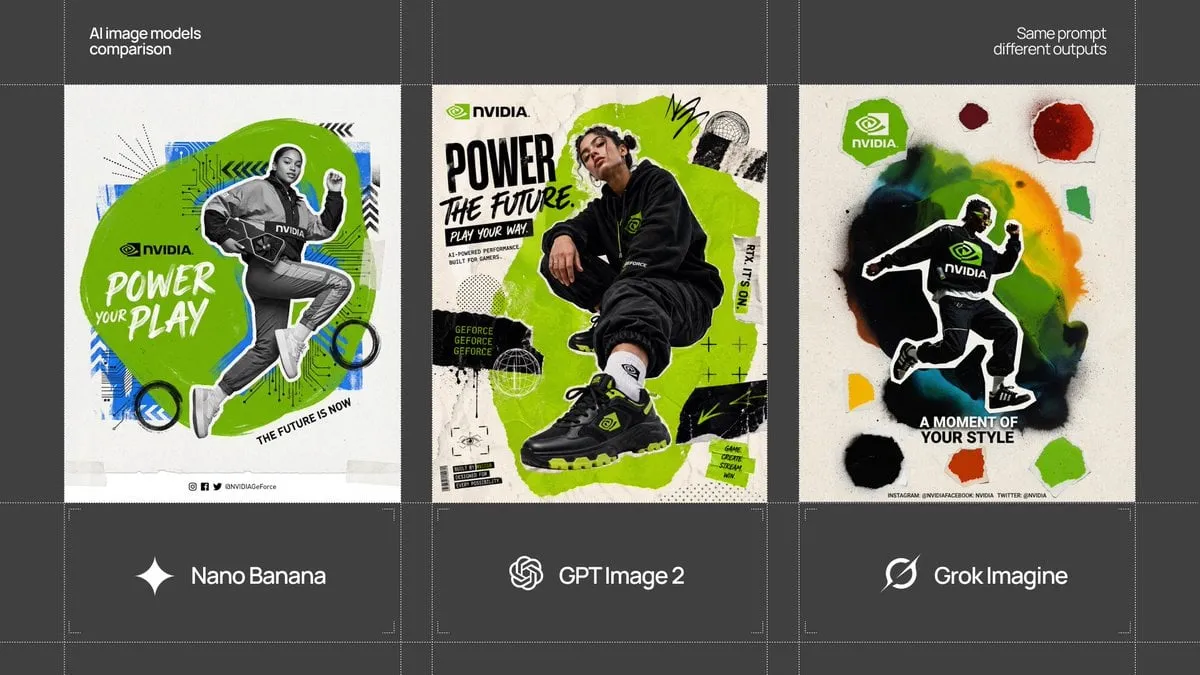
Product ads used to be a slow, expensive production. You booked a shoot, wrangled props, waited days for renders, and prayed the final cut matched the brief. That era is closing. With generative video tools, a single marketer can turn a product page into a polished ad in a matter of minutes, iterate on ten variations before lunch, and spend the saved budget on reach instead of re-shoots.
The results are hard to ignore. Businesses that fold AI-generated video into their product marketing routinely report meaningfully higher conversion on the same audiences, and the gap between a "good enough" ad and a "great" ad is shrinking because the production bar sits within reach of any team. This guide is a practical, no-fluff tour of how you can transform your product ad video with AI: what the AIGC shift really means, how to keep your brand visually consistent, how to personalize at scale, and where the actual technical leverage lives under the hood.
The AIGC Shift: From Traditional Production to Few-Click Rendering
For the last twenty years, product video followed a rigid pipeline. A creative brief went to a production team. The team storyboarded, sourced a studio, built sets, lit them, shot dozens of takes, logged footage, edited, color-graded, refined sound, and delivered a master. Every step consumed calendar days and invoiced money, and every revision restarted parts of the chain.
Generative AI, sometimes called AIGC, collapses that pipeline into a loop of prompt, review, and refine. You describe the shot, the model renders frames, you adjust, and you render again. The creative director keeps the judgment; the machine absorbs the grunt work. That is the real revolution: not that AI "makes" the video for you, but that it removes the production debt between an idea and a visual answer.
Why Video Is No Longer Optional
Consumer behavior did most of the pushing. Audiences on social platforms now expect video, and they expect it to be short, fast, and scroll-stopping. A static image card competes against a moving loop and usually loses the thumb-stop. At the same time, the models behind video generation matured enough that a two-liter ad for a minor product no longer has to look amateurish. When a small startup can render footage that looks as crisp as a larger competitor's commercial, the production advantage that used to protect the big players evaporates.
The demand is also more personal than ever. Buyers respond to content that feels native to their feed and tailored to their moment. Few-click video tools let you generate region- or audience-specific hooks without multiplying your shooting budget, because you are not paying per scene shot — you are paying per inference.
Where the Time Actually Goes
People assume AI video is instant. In practice the loop is: ideate, prompt, generate, inspect, and regenerate. The win is not raw speed on a single clip; it is the ability to fail fast. A traditional crew is expensive to bring back for a do-over. An AI generation costs a fraction of that, so you can afford to throw away a weak angle and try three others. Iteration, not the first render, is the multiplier. Teams that treat AI video as an iterative design surface, rather than a one-shot generator, get dramatically better results.
Keeping Your Brand Visually Consistent at Scale
The single biggest trap in AI product video is inconsistency. Generate five ads and the logo drifts, the color of the product changes between scenes, and the model renders the hero product differently in every frame. For a brand, drifting visuals read as "fake" faster than anything else, and it erodes trust right when you need it.
Consistency has a few distinct layers, and you need to control all of them.
Product Fidelity Across Shots
The product is the star, so it must look identical in every scene. The practical technique is reference-driven generation: feed the tool a few clean images of the product from different angles and instruct the model to preserve that object. Multi-image reference approaches work far better than a single prompt because they tell the model what the product actually looks like, not how you described it. Once you establish a reference set for your SKU, reuse it across every ad in the campaign so the entire batch shares one canonical look.
Character and Talent Consistency
If your ad includes a person — a host, a demo, a lifestyle moment — keeping that face recognizable across scenes is harder than keeping the product consistent. The same reference logic applies: freeze one set of features in a reference image and reuse it. Some marketing teams maintain a "house style" pack: one core product shot, one hero face, one color grade. Every new generation pulls from that pack, which gives the whole campaign a branded grammar rather than a random grab-bag of looks.
Color and Grade Discipline
Generative models have their own default biases. If you do not pin down your palette, the tool wanders toward whatever the training data preferred, which is usually a saturated, generic look. Define your brand colors and lighting mood up front and bake them into the prompt and reference set. Shot-to-shot grade consistency is what makes a set of clips feel like one film instead of eight unrelated images.
Personalization at Scale: One Ad, Many Audiences
Once your core ad is consistent, the next move is personalization. Traditional production could deliver one hero ad, maybe a couple of cuts. AI lets you farm dozens of variants cheaply, each tuned to a different audience or placement.
A/B Testing More Creative Directions
Because generation is inexpensive, you can run wider creative tests. Instead of betting the budget on a single script, produce several hooks — a benefit-led opener, a problem-agitate opener, a result-teased opener — and let the platform data pick the winner. The models that emphasize speed and lower cost are ideal for this exploration phase, since you are throwing many variants at the wall before committing to the strongest one for broader paid spend.
Data-Guided, Frame-Level Control
Personalization is not just about different openings; it is about control. The more frame-level control a tool gives you, the more precisely you can adjust a frame, swap a product angle, or correct a color drift without regenerating the whole clip. That control matters for ads because products force details: the label must be legible, the price tag accurate, the alignment exact. Frame-level edits let you fix the one nagging detail that would otherwise force a full re-render.
Loopable and Emotion-Driven Variants
Two ad formats punch above their weight. Loopable clips — videos that end exactly where they begin — keep viewers trapped in a satisfying cycle and are beloved by algorithm feeds. Emotion-driven clips front-load a feeling, whether it is delight, urgency, or calm, and ride that feeling into the product reveal. Both are cheap to generate and easy to slot into a campaign A/B test. A solid playbook is to make your general hero ad, then spin loopable and emotion-Right variants from the same reference set.
Choosing the Right Model for the Job
Not all generation models are equal, and picking well is half the craft. The practical framework sorts them into three buckets.
Premium Models for Hero Shots
When the ad leads your brand page or your biggest paid campaign, you want the strongest visual quality: clean motion, coherent physics, and cinematic lighting. Premium models cost more per generation and run slower, but for your flagship asset the extra fidelity is worth it. Use them sparingly for the pieces that represent your brand to the widest audience.
Fast and Budget Models for Volume
For discovery, drafts, and A/B experiments, prioritize speed and cost per generation. A budget model that renders in seconds lets you screen ten ideas before committing. These models are where the volume economics live. Most teams discover that the majority of their ads can be built and refined on fast models, reserving premium rendering for the final polish.
Specific and Novel Models for Niche Looks
Some models specialize: specific motion styles, specific aesthetics, region-tuned output, or animation-friendly rendering. If your product belongs to a distinctive category — a toy line that wants playful motion, a tech product that wants sleek holographic transitions — a specialized model often nails the feel better than a generalist. Keep a shortlist of specialty models in your toolkit and reach for them when the brief demands a particular texture.
A Repeatable Workflow for AI Product Ads
Here is the loop that teams actually ship with, condensed into steps you can adopt today.
1. Lock the Reference Pack
Before generating anything, assemble your brand pack: clean product shots from multiple angles, your hero face (if any), your logo asset, and a one-line color/lighting spec. This pack is the single most important artifact you will create; everything downstream depends on it.
2. Write the Creative Brief as Scenes
Break the ad into scenes rather than writing one giant prompt. Short scenes, each with a subject, an action, and a mood, generate far more reliably than a paragraph-long wish list. Think of each scene as a separate shot that you will assemble in the editor.
3. Generate Variants, Not Finals
Use a fast model to produce several takes of each scene. Compare them side by side, pick the strongest, and discard the rest without regret. You are buying information with each cheap generation.
4. Refine with Frame-Level Control
On the winners, fix the details: correct the product angle, tighten the grade, hold the frame where the label needs to be legible. Frame control turns a good generation into a final asset.
5. Assemble and A/B Test
Cut the scenes in your editor, add sound and text overlays, and ship two or three packaging variants to the platform. Let real performance, not your taste, decide which ad gets more budget.
Troubleshooting: When the Video Looks Wrong
Even good teams hit snags. Here are the common failures and their fixes.
- Product changes color between scenes — Return to your reference pack and regenerate using the multi-image reference, or add an explicit color token to every prompt.
- Faces look unnatural or flicker — Reduce the number of people per scene, lock a single reference face, and generate fewer, longer takes rather than many short ones.
- Text renders garbled — Keep on-screen text as an overlay added in your editor instead of baked into the generated frame. Models still mangle embedded text regularly.
- Motion feels fast or floaty — Tighten the scene description to name a clear, bounded action, and avoid compound actions that split the model's attention.
- Brand color drifts shot to shot — Move your grade decision into post. Generate logically neutral and apply your brand look consistently in the grade step.
FAQ
How long does an AI product ad take to make?
A draft cut can come together in minutes; a campaign-ready ad with consistent brand, sound, and subtitles usually takes a few hours of iterative work. Most of that time is refinement, not initial generation.
Do I still need a video editor?
Yes. Editing, sound, captions, and final assembly are still human jobs and they are where polish happens. AI removes production overhead; editing remains the craft that elevates the result.
Can AI keep my product looking the same across many ads?
Only if you use a reference pack consistently. The model will not remember your product on its own. Feed it the same canonical images every time and it will stay on-brand.
Is AI product video expensive?
Compared with a traditional shoot, no. Cost scales with generations, and the fast/budget tier makes volume cheap. You spend on iteration, and you stop spending the moment the creative wins.
Bringing It Home
The transformation of product ad video is not about replacing creativity; it is about removing the production tax that used to sit between an idea and a screen. With a locked reference pack, model selection based on the job, and an iterative loop that treats cheap generations as information, a small team can now produce consistent, personalized, high-converting product ads at a scale that was reserved for big studios a few years ago. Start with one hero product, build your reference pack, and run your first batch of variants this week. The machine removes the friction; you keep the judgment and the brand.
