
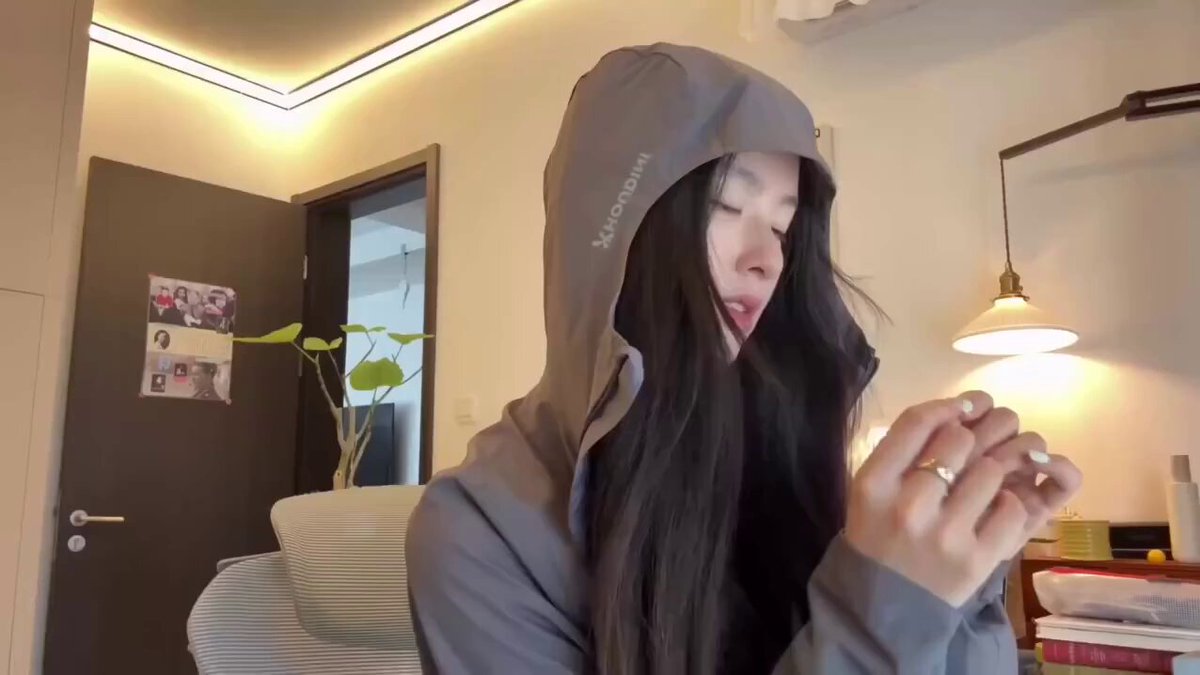

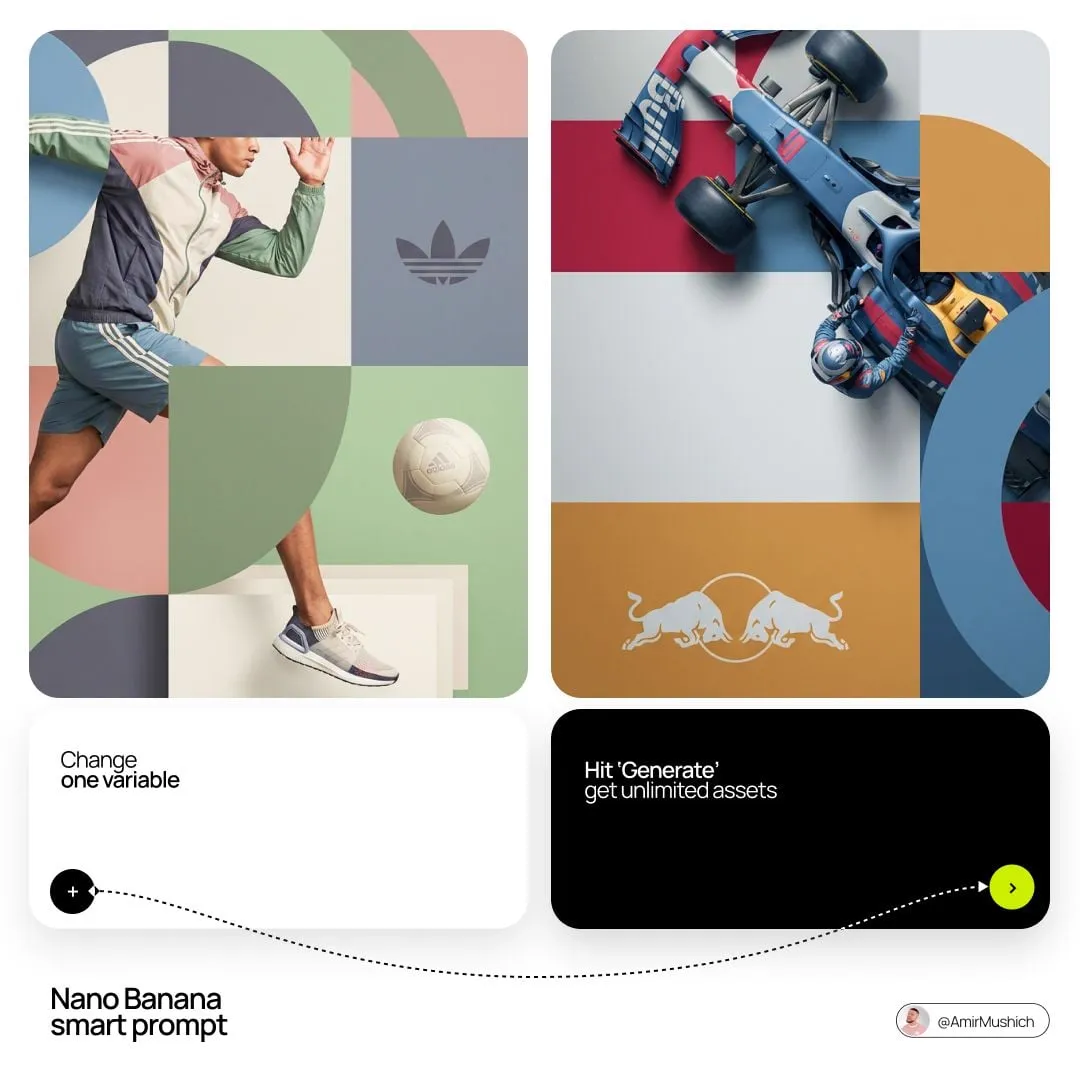
The magic of turning two photos into one living scene
There is something quietly astonishing about watching two separate photographs become a single animated character. One photo of a person and another of someone else can be merged into a moving sequence where the two appear together, holding a moment as if it had always been one scene. This family of techniques, often called multi-image fusion in generative video, is now accessible to casual creators, and it opens up playful storytelling possibilities that used to require professional effects work.
The appeal is emotional as much as technical. A creator can place two loved ones in the same frame, bring together characters who have never met, or build short narrative beats between friends. When the result is seamless enough that a viewer almost believes it really happened, the video earns shares and comments quickly. This is why fusion-based clips keep showing up across social feeds, and why so many people want to learn the technique.
Newcomers often assume a tool will simply combine the images. In practice, getting the merged character to look right takes planning: choosing good reference photos, describing the motion, keeping a consistent identity, and iterating until the result feels natural. This guide walks through the entire process, from preparing your images to refining the final clip, so you can create fusion videos that genuinely impress.
Preparing your source images well
The quality of your output begins long before you press generate. Choose reference photos that are clear, well-lit, and consistent in scale and mood. Two images with wildly different lighting, angles, or backgrounds will fight each other in the merge, so favor shots that already feel related. A person facing the camera at a similar angle makes the fusion far easier than a profile shot hacked together with a front view.
Remove obvious distractions before you start. Crop to the person, flatten busy backgrounds, and adjust brightness so the two images sit in the same tonal range. If one photo is warm and the other cool, correct the white balance in your editor first. Small preparation steps save you from long, frustrating iterations after the tools have already introduced their own variables.
Think about the relationship you want to show. Fusion works best when the final action reads clearly: two people standing together, leaning toward each other, or sharing a glance. Before you describe motion to the model, decide what single action will sell the illusion. A clear intention gives every subsequent step a concrete target.
Writing the instruction for the merge
Once your images are ready, you need to describe the scene in a way the tool understands. Treat the prompt as a short scene note. Name the present characters, describe their relationship, specify the key action, and add enough setting detail to set the mood. Keep the description straightforward; the model is far better at honoring one clear action than a crowded list of competing ideas.
Mention the important visual anchors explicitly. If you want to preserve each person's face, hair, and clothing, say so clearly and note any element that must not drift. The more precisely you state which parts of each reference must survive the merge, the more control you retain over identity. Do not rely on vague phrases like »make it natural« when a concrete description of the intended pose and expression will guide the result.
Remember that you can always iterate. The first pass is a starting point, not a verdict. If the faces feel off or the motion looks stiff, adjust one aspect at a time, such as the pose or the lighting, and regenerate. Keeping a note of which changes produced which effect teaches you how your particular tool responds and makes the next attempt far more skillful.
Keeping character identity stable
The most common disappointment in fusion video is a merged character who suddenly stops looking like the original people. Identity drift is the enemy of believability. The best remedy is to give the model steady anchors: repeat the same descriptors for each person's features, and reuse the same reference images across every attempt until the face is locked.
Lock the style early. Decide on the overall look, whether realistic, stylized, or painterly, and repeat that style signal in every related prompt. If you change lighting or setting between shots, change them deliberately and tell the model about it. Consistency is built by repetition and control, not by hoping the model remembers your intent from a single mention.
If a specific attempt fails, do not abandon the reference images you chose. Adjust the prompt or the prep of the images instead, and try again with the same anchors. This patience is what separates a convincing fusion sequence from a random batch of disconnected frames. When identity finally holds, one viewer seeing it will believe the moment happened, which is exactly the effect you want.
Sequencing several short moments
Single fusion clips are fun, but short sequences are where the technique shines. Once you can produce one believable merged frame, think about chaining a few moments into a tiny story: a meeting, a reaction, a shared laugh. Each shot should carry forward the same character anchors and setting decisions you locked in the first pass.
Plan the sequence on paper before generating. Write what happens in each beat and how the transition should feel. Carrying a visual element across cuts, such as similar framing, matching color, or continuing movement, makes the assembled clip feel like one continuous moment instead of a stack of clips. Small bridges between shots do a disproportionate amount of storytelling work.
Add audio to finish the effect. A soft soundtrack, an ambient room tone, or a gentle voice line can make the merged scene feel more real and emotionally present. Choose music that matches the warmth of the moment, and keep the volume low enough to let the visuals breathe. Sound is often the ingredient that takes a clever effect and turns it into something people want to share.
Choosing tools for your skill level
You do not need the most advanced pipeline to begin. Many approachable tools let you upload reference images, describe an action, and see a result in minutes. For beginners, a simple interface with one good fusion workflow beats a powerful tool whose controls you cannot yet master. Learn the fundamentals on something forgiving before you move up.
As you get comfortable, compare a few tools with the same clean prep and the same prompt. Notice which one holds character identity better, which gives you more control over motion, and which produces results in the format you need. Keep the ones that genuinely help and set aside the rest. A growing library of a few trusted tools is more useful than a widening pile of occasional ones.
Be honest about what is beyond your current setup. Some advanced effects, such as complex camera motion or intricate physics, need more capable rendering. There is no shame in building up to them. Reserve the ambitious ideas for when your skill and equipment can honor them, and meanwhile perfect the quality of the simpler effects that you can already ship reliably.
Understanding the emotion you are selling
Fusion videos succeed when they make people feel something. The technical quality matters, but the audience responds to the emotion of two people finally sharing a frame. Think about what your specific pair of characters means to viewers, and let that meaning shape pacing, music, and the final reveal. The warmest moments are not the most technically flawless; they are the most emotionally clear.
Respect the people whose images you use. Only fuse photos of people who have agreed to appear in your content, and set expectations honestly about what you make. Clear consent protects both you and your subjects and keeps the creative space open and respectful. This matters as the technique spreads, and practiced with care, it encourages playful celebration instead of discomfort.
Use the emotional power responsibly. A well-made fusion can delight, reunite, or amuse, but it can also mislead if used carelessly. Keep your content clearly creative, avoid deceptive uses that could harm someone, and let your videos celebrate connection rather than surprise. Treating your audience and subjects with respect is what keeps a fun technique genuinely enjoyable.
Troubleshooting the usual frustration
The two faces come tangled together or swapped. Tighten your prep: crop each person separately, keep consistent scale and lighting, and state clearly which reference belongs to whom in the prompt. If needed, exaggerate the differences between how you describe each character.
The motion looks stiff or unnatural. Slow the action and give the model a clear, simple pose to aim for. Add descriptive motion words such as gentle, slow, or warm, and avoid loading the scene with too many simultaneous movements.
The character stops looking like the photos mid-edit. Reuse the same reference images and repeat the same identity descriptors in every pass. Lock lighting, palette, and style, and do not change them unless you deliberately want a visible change.
My clips do not feel like a story. Write a three-beat plan before generating, carry one visual anchor across shots, and add a fitting soundtrack. Audio and small bridges across cuts convert isolated clips into a connected moment.
Beyond the gimmick: durable creative practice
Fusion video is easy to dismiss as a novelty, but used well it trains real creative muscles. Planning a merge forces you to think about identity, consistency, and emotion, the very things that elevate every kind of visual storytelling. View your early experiments as practice, not just entertainment.
Reuse what you learn. Approach your next project, whether portraits, product visuals, or narrative clips, with the same reference discipline and iteration habits you developed here. The skill of keeping a character believable across scenes transfers directly to far more ambitious work, and it will quietly raise the bar on everything else you make.
Keep the curiosity that drew you to the technique. Try new tool combinations, test different emotional beats, and collaborate with people who bring fresh energy. As the tools improve, the creators who practice steadily will be the ones producing the most striking, meaningful fusion content. Your willingness to iterate and to care about character will always be the real advantage.
Repurposing your fusion clips
A well-made fusion clip can work harder than a single post. Re-cut the best moment into a short teaser for a feed, export a vertical version for stories, or pair the clip with a caption that tells the story behind it. Variants created from one strong sequence save time and reach more people without starting from scratch.
Keep the master version organized and labeled well, with the reference images and prompt notes saved alongside. When a clip performs especially well, notice why, and feed that insight back into your next pairing. Repurposing is not repetition; it is one good idea working across the places your audience already spends time.
Keep a gentle benchmark in mind as you improve. Revisit an old fusion video after a few months, and compare it honestly against your newest work. The gap you see is the measure of how far you have come, and it is also a guide to what to practice next. Small, steady progress is the surest path to the polish that makes a fusion clip feel effortless.
Final thoughts
Two images can become one living scene, and that possibility is smaller than it feels at first. With careful image prep, a clear prompt, steady identity anchors, and patient iteration, you can produce fusion videos that feel genuinely magical. Start with a simple pair of photos, lock the look, and let the emotional story guide your finishing touches.
The technique will get easier as the tools improve, but the fundamentals will not change: choose good references, protect identity, respect your subjects, and tell a clear feeling. Done well, fusion video is not just a trick but a warm way to connect images, people, and moments. Combine the craft with care, and your next clip may be the one that makes someone watch it twice.
